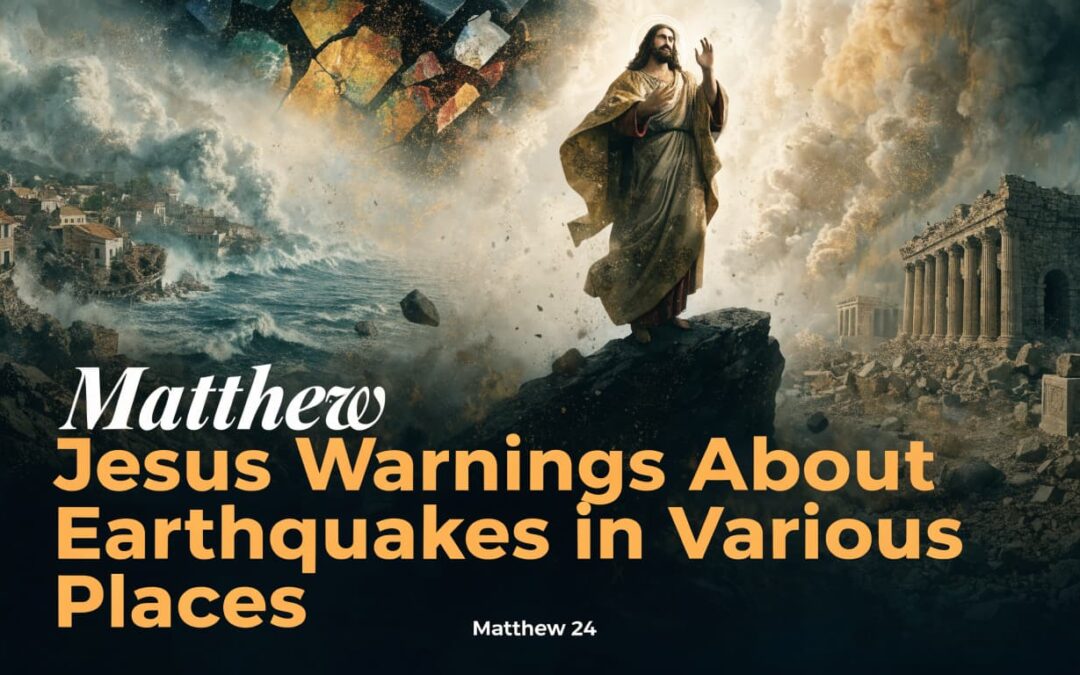
Earthquakes in Various Places: Why the End Is Not Yet
When a major earthquake makes the news, many people ask, "Did Jesus say this means the end has arrived?" His answer points us toward care, not panic: He named earthquakes in various places, yet warned that "the end is not yet."
Matthew, Mark, and Luke each place earthquakes among other serious troubles. As independent Spirit-filled Pentecostal authors, we believe we should take Jesus' words seriously without turning every disaster into a date or prediction. We'll read these passages in context, consider their historical setting, and look at how you can respond with steady faith and compassion.
Let's begin with what Jesus meant by "earthquakes in various places" in His teaching about the end times.
What Jesus Meant by “Earthquakes in Various Places”
Jesus spoke about earthquakes as part of a larger answer to His disciples' questions about the future. The phrase belongs beside His warnings about wars, famines, and other upheavals, not apart from them. When we read the whole passage, His point becomes clear: these events matter, but they do not mean the end has arrived.

Read the earthquake warning in context
In Matthew 24, Jesus responds to His disciples' questions about the temple and the sign of His coming. He warns them not to be troubled by reports of wars, then says, "the end is not yet." He names conflicts, famines, pestilences, and earthquakes in various places before calling them "the beginning of sorrows" (Matthew 24 in the NKJV).
That order matters. Jesus doesn't single out an earthquake as proof that the final moment has come. He places it among troubles that His followers would hear about and experience, while directly cautioning them against treating those events as the end itself.
Mark 13:7-8 gives the same basic pattern. Luke 21:9-11 also warns of wars and upheavals, then mentions "great earthquakes in various places." Luke adds that "the end will not come immediately." Across the three accounts, the message is steady: expect distress, but don't confuse distress with the arrival of the end.
“Various places” does not give us a timetable
The wording tells us earthquakes will happen in different places. It doesn't give a schedule, a magnitude threshold, or a count that readers can use to calculate when Jesus will return. Nor does the passage say earthquakes must grow steadily more frequent or more destructive as the end approaches.
We should be careful here. It can be tempting to compare each major earthquake with a prophecy chart or breaking-news alert. But Jesus gave no formula for turning a particular earthquake into a date or prediction. We can take His warning seriously without claiming more than the text says.
Matthew and Mark's phrase "the beginning of sorrows" also deserves care. It describes the troubles as the beginning of a period of distress, not as a countdown whose length Jesus measures in these verses. Luke's account makes the same caution in different words: the end will not come immediately. You can read more about three Biblical anchors for studying prophecy before drawing conclusions from a headline.
A warning that calls for watchfulness, not panic
Jesus wasn't asking His disciples to ignore suffering or shrug at disaster. Earthquakes bring real grief, loss, and disruption to real communities. His words remind us to stay watchful and faithful without letting fear turn every calamity into a prediction.
We believe Scripture calls us to hold both truths together: earthquakes are among the troubles Jesus named, and an earthquake by itself does not prove that the end has arrived. That keeps our attention on His actual words, and leaves room for compassion toward people facing the devastation.
Why Jesus Said These Troubles Were Not the End
When the disciples asked Jesus about the future, He did not give them a date to circle on a calendar. He told them what troubles to expect and how to respond when they came. That distinction matters: a sign can point to what Jesus described without telling us exactly when the end will arrive.
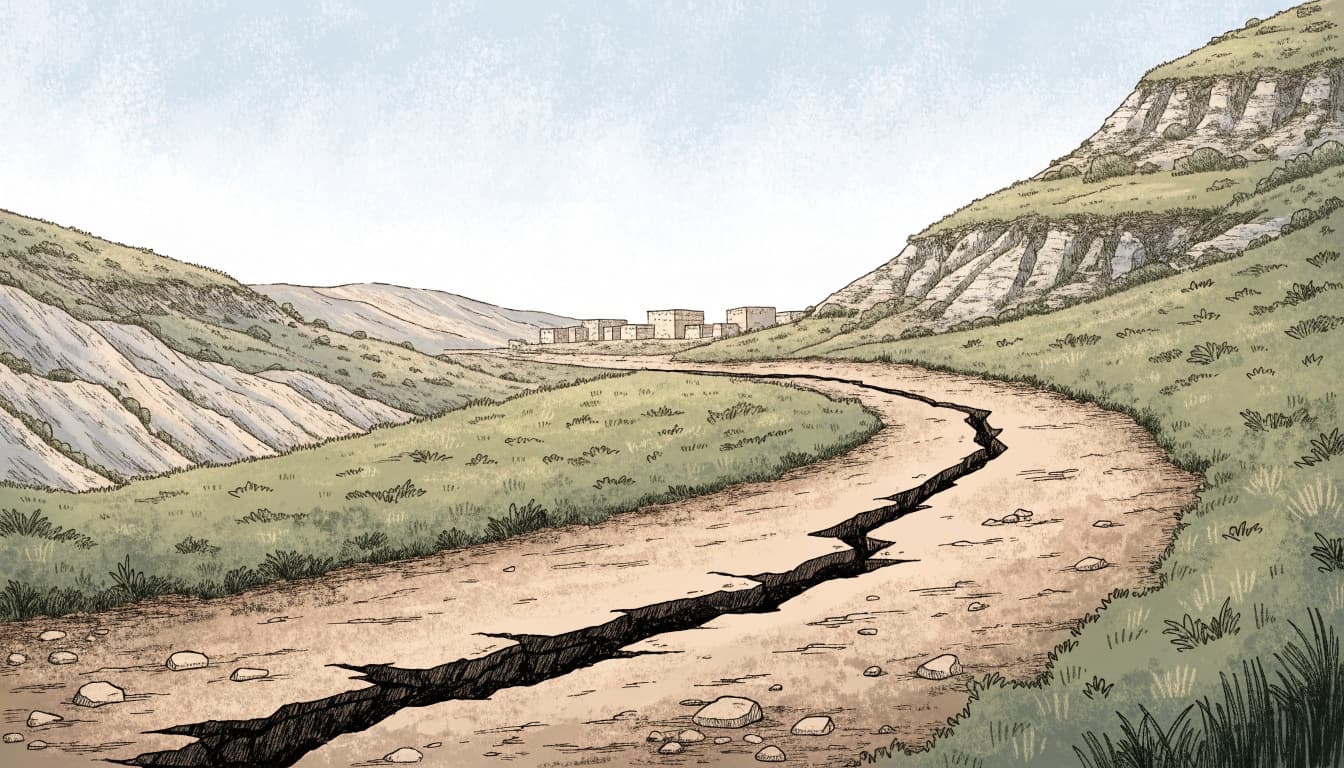
A sign is not a date
In Matthew 24, Jesus names wars, famines, pestilences, and earthquakes in various places. Then He says, "the end is not yet." The events are part of His answer, but He doesn't present any single earthquake as a countdown or a date-setting clue.
That's the difference between a sign and a date. A sign gives information about what to expect; a date tells us when something will happen. Jesus gives the first, not the second. The passage names no earthquake count, magnitude, or schedule that would let us calculate the end.
So when a powerful earthquake strikes, we can recognize that earthquakes belong to the troubles Jesus described. We can't conclude from that event alone that the end has arrived. Jesus' words leave no room for turning a headline into a timetable.
Jesus prepared His disciples for distress
Jesus also tells His followers not to be troubled by reports of wars and upheaval. He isn't dismissing suffering or telling people to ignore danger. He is preparing His disciples to face distress without panic and without claiming certainty the passage does not offer.
Matthew and Mark call these events "the beginning of sorrows." That phrase describes a beginning, but it does not give its length or map every event that follows. Luke's account similarly says the end will not come immediately. Across the Gospel accounts, Jesus makes space for hardship while warning His followers against the false certainty that one crisis means the final moment has come.
We should take that balance seriously. Fear can make every disaster seem like proof that prophecy is unfolding on our preferred schedule. But Jesus didn't give His disciples permission to turn grief into a prediction. He called them to remain steady and faithful as events unfolded.
Watchfulness means faithfulness, not prediction
For us, watchfulness means paying attention to Jesus' words and staying faithful to Him. It does not mean measuring every earthquake against a chart or announcing that we know what comes next. We can hold to the Biblical teaching while admitting what it does not tell us.
Jesus also gave specific warnings about Jerusalem's coming destruction. That part of His teaching deserves its own careful reading, including His warning about Jerusalem's destruction. Different interpretations of prophecy exist, but we should not make a claim stronger than the Scripture itself.
And when an earthquake devastates a community, people need compassion, prayer, and practical help, not confident predictions made from a distance. We can recognize the sign Jesus named, refuse to invent a date, and care for those who are hurting.
How Earthquakes Fit the Biblical and Historical Setting
To understand Jesus' warning, we need to place it in the world His first followers knew. Earthquakes were a real part of life in the eastern Roman Empire, and people had no modern instruments to measure or predict them. That history helps us hear the passage clearly, while keeping historical examples separate from claims about what a particular earthquake means.

Earthquakes were familiar in the Roman world
Jesus names earthquakes alongside wars, famines, and other upheavals in Matthew 24:6-8. Mark preserves a similar list in Mark 13:7-8, while Luke refers to "great earthquakes in various places" in Luke 21:9-11. These were not distant, abstract events to people living around the Mediterranean.
Ancient sources report damaging earthquakes in cities across Asia Minor. Laodicea, for example, suffered a major earthquake around AD 60 or 61. A modern catalogue of ancient Mediterranean earthquakes gathers historical reports, though dates and details can vary because ancient accounts were not recorded with modern scientific methods.
That background matters. The first hearers could recognize earthquakes as a familiar kind of calamity, not as a new phenomenon that had to point to one specific moment.
What history can, and cannot, establish
Some interpreters connect Jesus' warnings with upheavals in the first century and the Roman destruction of Jerusalem in AD 70. Others understand the language as describing a continuing pattern of distress that reaches beyond that period. The earthquake verses themselves do not settle every question about the passage's historical horizon. We should distinguish what Jesus says from conclusions readers draw about the timing and scope of His words.
Jesus says these events will occur, but Matthew and Mark also record His warning that "the end is not yet." Luke says the end will not come immediately. The historical record can show that earthquakes occurred in the region; it cannot prove that a later earthquake fulfills a specific prophecy. For another example of how Christians connect prophecy with Jerusalem's fall, see Daniel's prophecy and the Roman destruction of Jerusalem.
The history of Laodicea also reminds us that an earthquake was a local disaster before it became an item in a historical account. A scholarly study of earthquake imagery in the ancient Roman world discusses how people connected earthquakes with divine judgment and civic life. Those reactions help us understand the world of the New Testament, but they are not proof that every disaster carries the same meaning.
So we can take the Biblical warning seriously without turning historical reports into a prophecy chart. The setting gives us context, not a calendar. And when an earthquake strikes today, the people affected need care and practical help, not claims that we know exactly what it predicts.
What Earthquake Records Can and Cannot Tell Us
Earthquake records help us understand where earthquakes happen and how strong they are. They can't tell us that a particular quake fulfills prophecy, or that the end has arrived. We need to keep the Biblical claim separate from conclusions drawn from modern seismic data.
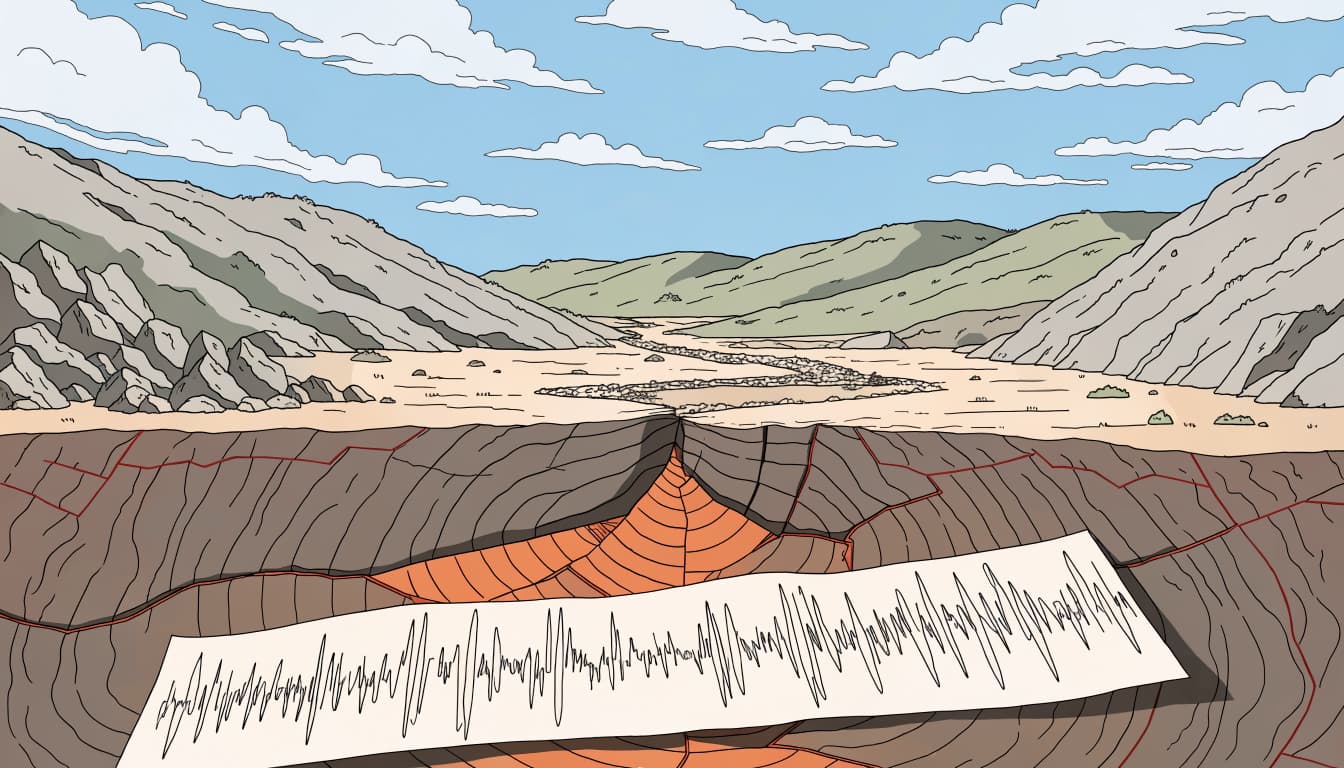
What records can show us
Seismographs and earthquake catalogs record detected seismic events, including their locations and estimated magnitudes. The U.S. Geological Survey's Earthquake Hazards Program monitors and reports earthquakes, helping us understand seismic activity and its hazards.
Those records give us valuable information about earthquakes. But the text of Matthew 24:6-8 in the NKJV gives no measurement standard for frequency, strength, or worldwide increase. Jesus names earthquakes "in various places" among other troubles, then says, "the end is not yet." The passage doesn't give us a threshold to apply to a modern catalog.
That distinction matters. A growing number of detected events in a particular database would not, by itself, prove that earthquakes have become more frequent worldwide. Recording methods and the number of monitoring stations have changed over time, so comparisons across decades need care. We shouldn't turn an increase in reports into a Biblical claim the passage doesn't make.
What records cannot prove
Earthquake records can't tell us when Jesus will return. The USGS explains that scientists cannot predict earthquakes, and Jesus likewise gives no date, magnitude cutoff, or quake count in His warning. Luke's account says the end will not come immediately, and describes "great earthquakes in various places" (Luke 21:9-11 in the NKJV).
One analysis of earthquake catalogs from 1900 to 2011 found no recent increase in the global risk of large earthquakes. That finding does not settle every question about seismic activity, and it doesn't interpret Scripture. It does remind us to avoid claims of a worldwide rise unless reliable evidence supports them.
So what can we say with confidence? Jesus said earthquakes would occur in various places, and He warned His disciples not to treat those events as proof that the end had arrived. We can read modern records for what they measure, then read Scripture for what it actually says. For a useful guide to reading prophecy in its original context, start with the words, audience, and setting of the passage.
How to Read Earthquake Headlines Without Fear
An earthquake headline can land like a punch, especially when it pairs a real disaster with a confident claim about prophecy. We can take the suffering seriously and still ask whether the interpretation is actually supported by Scripture. A little care with headlines helps us stay clear-eyed, compassionate, and faithful.

Separate the event from the interpretation
First, identify what is known. Where did the earthquake happen? What damage and loss have been confirmed? Is the report from a reliable news organization or an official source? Early reports can change as rescuers reach affected areas, so it's wise to wait before repeating dramatic claims.
Then notice what the headline adds. "An earthquake struck" is a report about an event. "This earthquake proves the end is here" is an interpretation. Jesus named earthquakes among the troubles His followers would hear about, while warning them not to treat them as proof that the end had arrived (Matthew 24:6-8 in the NKJV).
That distinction keeps us from confusing breaking news with a Biblical conclusion. For help weighing claims carefully, we can return to reading prophecy in its Biblical context.
Be careful with confident predictions
A headline may use words like "unprecedented," "fulfillment," or "prophetic warning" to make a claim feel settled. But strong wording doesn't make an interpretation true. Ask what the claim actually rests on: the passage itself, reliable facts, or speculation built around a frightening event?
Paul tells the church to test things and hold on to what is good (1 Thessalonians 5:19-22 in the NKJV). We can apply that counsel without dismissing prophecy or accepting every dramatic post. If a claim gives a precise date or insists one earthquake proves the end has come, it says more than Jesus' warning says.
We should also pause before sharing. A few minutes spent checking the source may keep fear from spreading through our family, church, or social feed.
Let compassion lead our response
Behind every report are people who may have lost loved ones, homes, or the sense of safety they had yesterday. They need prayer, practical help, and truthful updates. They don't need strangers using their grief as evidence for a prediction.
We can pray for those affected, give through trusted relief organizations, and check on people we know in the region. If the news is overwhelming, it's okay to step away from constant updates and talk with someone you trust. The American Red Cross offers support for emotional recovery after disasters.
We don't have to choose between Biblical discernment and compassion. We can refuse fear-driven claims, stay attentive to Jesus' words, and care for people facing real loss.
How This Sign Calls Christians to Steady Faith and Witness
Jesus' warning about earthquakes belongs to a larger call for His followers. He prepares us to face distress without surrendering to fear, and to keep serving God while the future remains unknown. As independent Spirit-filled Pentecostal Christians, we believe this means staying faithful, prayerful, and ready to witness.
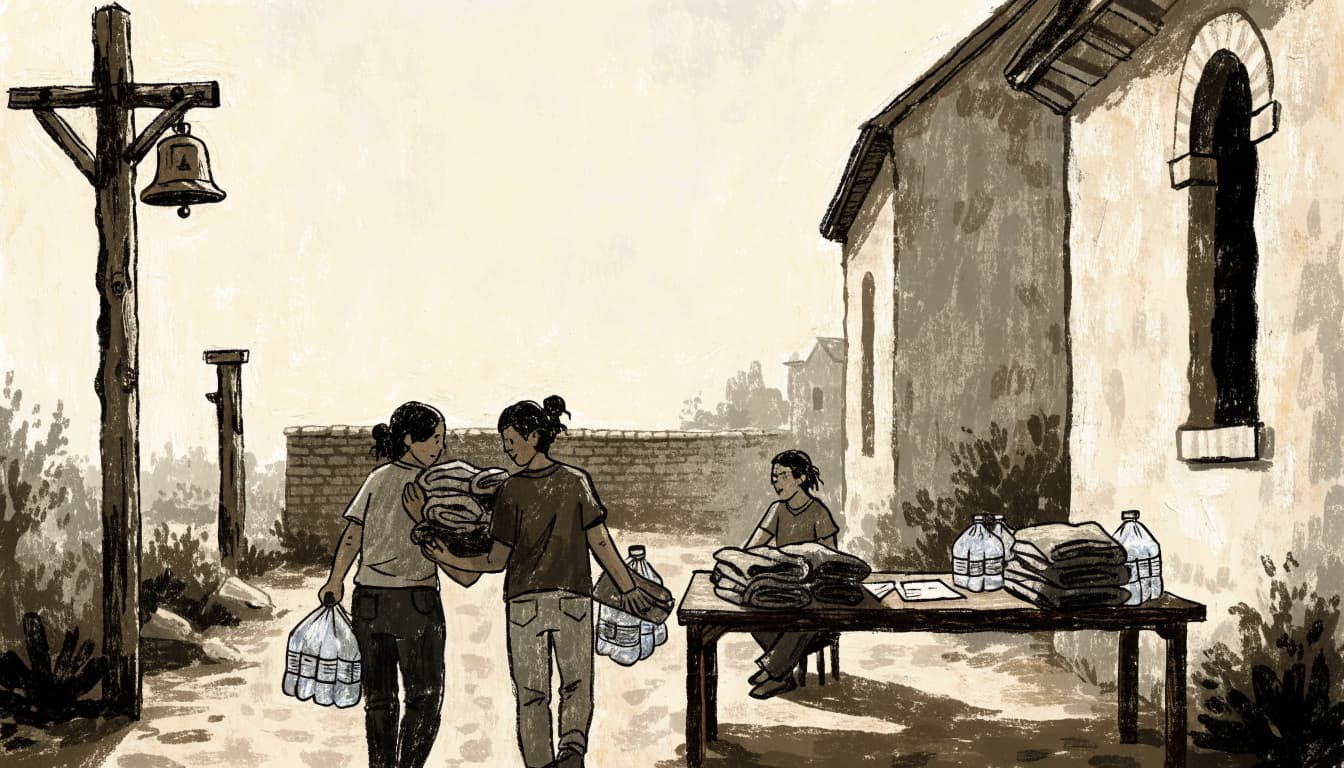
Steady faith keeps us from fear-driven claims
Jesus names earthquakes among the troubles His disciples would encounter, then cautions them that the end is not yet. The rest of Matthew 24 in the NKJV continues that teaching, calling His followers to endure and remain faithful. We should take His words seriously without claiming special knowledge about the date of His return or the meaning of one particular disaster.
That balance matters when frightening news spreads fast. We can acknowledge that earthquakes are among the signs Jesus described, while refusing to announce that a specific quake proves the end has arrived. Faith doesn't require us to fill in details Scripture leaves open. It calls us to trust Jesus and keep following Him.
Prayer keeps our attention on God
Prayer is part of how we remain steady. When disaster strikes, we can pray for those who are grieving, for rescuers and relief workers, and for churches serving their communities. We can also ask the Holy Spirit to help us speak with wisdom and compassion, rather than adding fear to an already painful moment.
Prayer doesn't excuse us from practical care. We can check on neighbors, support trustworthy relief efforts, and offer help where we can. Sometimes the most faithful response is simple: listen, give, show up, and keep praying after the headlines move on.
Witness means serving and speaking with care
Jesus calls His people to bear witness, but that witness should point to Him, not to our ability to interpret every crisis. The Holy Spirit empowers believers to testify about Jesus, and prophecy that leads to faithful Christian living keeps our hope tied to the Gospel rather than speculation.
Our words matter, especially when people are frightened or grieving. We can share what Scripture says, admit what we don't know, and refuse to use someone's suffering as evidence for a prediction. We can also show the love of Christ through practical service. A meal, a donation, or a patient conversation may speak more clearly than a confident claim about what an earthquake means.
For us, readiness isn't a secret timetable. It is a life shaped by faith in Jesus, prayer, and service to others. When the ground shakes, we can hold fast to Him, care for those who hurt, and bear witness with humility and hope.
Conclusion
Jesus named earthquakes among the serious troubles His followers would face, but He also said, "the end is not yet." Matthew calls these events the beginning of sorrows, not a timetable for predicting Jesus' return.
We can take Scripture seriously without turning a disaster into a date or a fear-driven claim. When earthquakes strike, our response can be prayer, compassion, and faithful service to people who are hurting.
The promise of Jesus' return calls us to stay watchful and faithful. As we study Daniel's 70 weeks and their connection to Jesus, we can hold fast to what Scripture says and leave what it doesn't say in God's hands.
Matthew 24:6–8
Earthquakes Are Not the End
When Jesus spoke of earthquakes in various places, He placed them alongside wars, rumors of wars, and famines. He did not tell His followers to treat each upheaval as proof that the end had arrived. Instead, He said, “See that ye be not troubled,” and made the distinction unmistakable: “the end is not yet.”
In Matthew 24:6–8, Jesus calls these events “the beginning of sorrows.” That description gives earthquakes prophetic significance without turning any single disaster into a timetable. Earthquakes can bring real loss and suffering, calling us to compassion and prayer. As we study Bible prophecy, we honor Jesus’ words by reading these signs in their full context, resisting fearful speculation, and placing our hope in Him rather than in our ability to predict a date.
“And ye shall hear of wars and rumours of wars: see that ye be not troubled: for all these things must come to pass, but the end is not yet. For nation shall rise against nation, and kingdom against kingdom: and there shall be famines, and pestilences, and earthquakes, in divers places. All these are the beginning of sorrows.”

Jesus Christ
Matthew 24:6–8 (KJV)
Earthquakes in Various Places: Why the End Is Not Yet

When Jesus spoke of earthquakes in various places, He placed them alongside wars and famines in a larger teaching about the future (Matthew 24:6–8; Mark 13:7–8). His instruction was not to panic: “the end is not yet.” These upheavals are the beginning of birth pains—real reminders that creation is not as it should be, but not a timetable for the culmination of the age.
Birth pains point forward; they do not, by themselves, identify the moment of delivery. Reading the passage in order keeps our attention on Jesus’ words, including the persecution, deception, endurance, and proclamation He describes next, rather than treating any single earthquake as proof that every prophecy has been fulfilled.
What Jesus Distinguishes in His Prophetic Teaching
Wars are troubling events, not a date for the end.
Rumors of wars call for steadiness, not alarm.
Nations rising against nations signal widespread conflict.
Kingdoms rising against kingdoms widen the picture.
Famines reveal distress without completing the prophecy.
Earthquakes in various places belong to the beginning of birth pains.
These early signs are not the culmination of the age.
Jesus warns His followers against being led astray.
Persecution follows in the sequence Jesus describes.
False prophets can mislead many.
Lawlessness tests the endurance of believers.
Love can grow cold amid widespread wickedness.
Endurance remains a call to Jesus’ disciples.
The gospel of the kingdom is proclaimed among the nations.
Later warnings require attention to their immediate context.
No reported disaster supplies a biblical date for Christ’s return.
Scripture directs hope toward Christ, not headlines.
Read each sign within the whole teaching of Jesus.
Study the Signs Without Setting a Date
Earthquake reports deserve compassion for those affected and careful attention to what Scripture actually says. A cluster of headlines may feel significant, but Jesus did not give His followers a formula for converting seismic reports into a date for His return.
Compare a prophetic claim with the surrounding passage: Who is speaking, what question is being answered, and which events does the text place before or after the one being discussed?
Bible Prophecy Ministries is devoted to exploring what Scripture says has happened and what is still to come, with Jesus at the center of that history. Through our Bible-prophecy articles, we seek to help readers weigh interpretations against the text rather than speculation, respond to suffering with prayer and practical care, and live faithfully without fear-driven predictions.

Jesus Christ, Our Hope in Every Season
Jesus warned that earthquakes would occur in various places, yet He also said, “the end is not yet” (Matthew 24:6–7). His words call us to watchfulness without panic. The One who foretold these troubles is the risen Savior who holds the future. As we study prophecy, we look beyond the signs to His promised return and the restoration He will bring.
“See that you are not troubled.” — Matthew 24:6
Follow the Signs Back to Jesus
Continue studying what Scripture says about earthquakes, the last days, and the hope ahead. Explore Bible prophecy in context and discover how its message points to Jesus.