
How to Read Biblical Prophecy Through Christ
Biblical prophecy can feel like a puzzle, with past events, future promises, and symbols that are easy to pull out of context. But its central focus is Jesus Christ, through whom God's purposes unfold.
We can read prophecy with faith and care, asking what each passage meant in its own setting and how Scripture connects it to Jesus. That keeps us from forcing every line into a modern event, while helping us recognize what has been fulfilled and hold on to the hope still ahead.
Let's start with the larger history Scripture tells about Jesus and the prophets.
Seeing Prophecy Through Christ: The Bible’s Larger Story
Prophecy is part of the larger history of God's work through Israel, and that history reaches its climax in Jesus. When we read the prophets with Christ at the center, we can see how their warnings, promises, and hopes fit together without forcing every line into a direct prediction about Him.
What prophecy does, beyond predicting events
Prophecy can speak about events to come, but prediction is only one part of its work. The prophets warned people when they turned from God, called them back to faithfulness, exposed injustice, and reminded them that God had not abandoned His people. Their words could challenge rulers and religious leaders, confront idolatry, or offer hope to a community facing judgment.
So when we read a prophetic passage, we should ask more than, "What future event does this predict?" Who first heard these words? What were they being called to change, trust, or endure? Those questions help us hear the message in its original setting before we consider how it connects with Jesus.
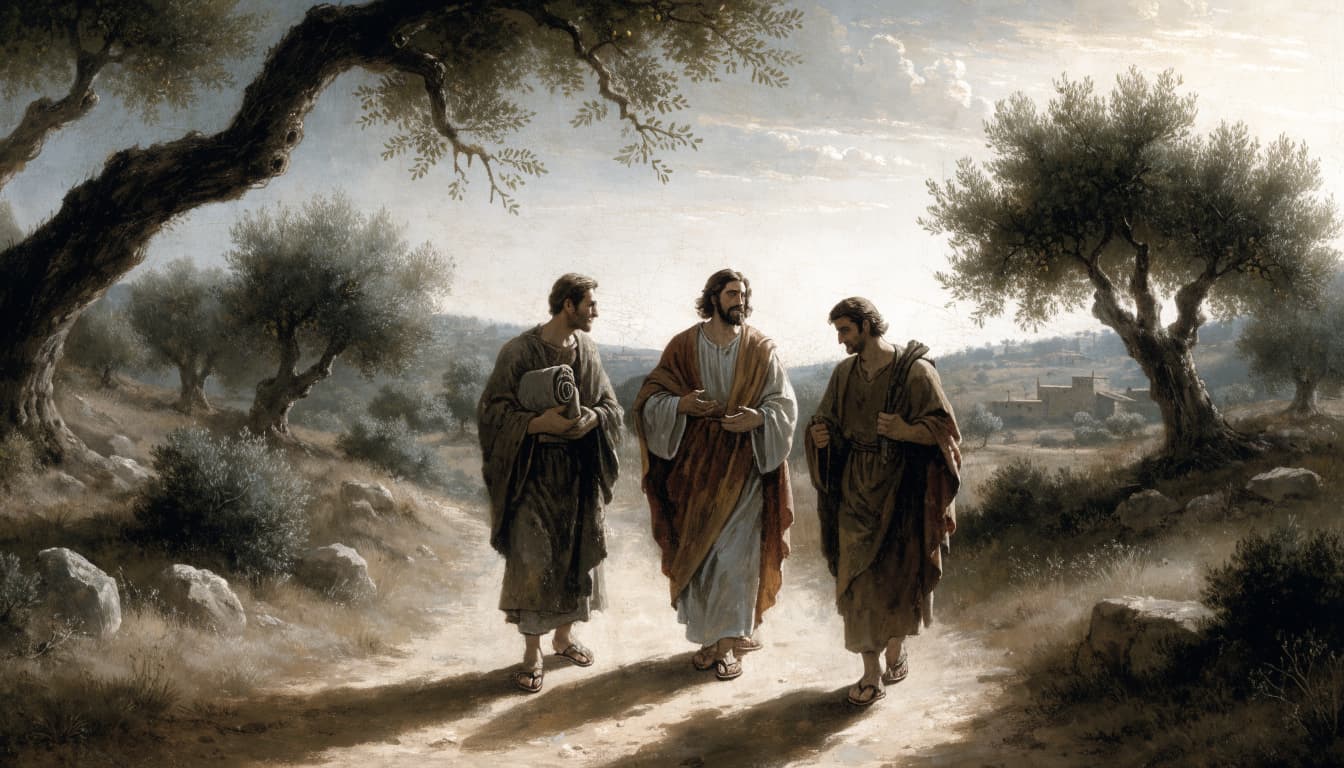
After His resurrection, Jesus gave His disciples a foundation for reading Scripture this way. On the road to Emmaus, He walked them through Moses and all the Prophets, showing how the Scriptures spoke concerning Him (Luke 24:13-35). Later, He named the Law of Moses, the Prophets, and the Psalms, and connected their witness to His suffering, resurrection, and the proclamation of repentance and forgiveness (Luke 24:44-47).
That does not mean every prophetic line is a direct prediction about Jesus. Sometimes the New Testament shows a direct promise fulfilled in Him. In other places, Jesus fulfills a pattern or brings Israel's larger hope to completion. We should follow the connection Scripture makes instead of treating every image as a hidden forecast.
How Jesus fulfills the Law and the Prophets
Jesus said He came not to abolish the Law or the Prophets, but to fulfill them (Matthew 5:17-18). Fulfillment means bringing Scripture's aims and promises to completion. Jesus did not erase what came before Him or dismiss God's dealings with Israel. His life shows God's faithfulness to the history Scripture has been telling.
We see that completion in His Spirit-filled ministry, His teaching, His death, and His resurrection. The prophets spoke of God's justice, mercy, judgment, restoration, and coming King. In Jesus, those promises take shape in a real Person. He suffers, rises, and announces God's Kingdom, then sends His followers to proclaim repentance and forgiveness.
That is why the resurrection matters so much for prophecy. The risen Jesus did not hand His disciples a list of isolated predictions. He opened their understanding of the whole scriptural witness and showed how His suffering and glory fit within it. As we read, we can follow that same pattern: honor what a passage meant to its first hearers, then notice how the New Testament connects it to Christ.
For another look at the Messiah's promised work, see Jesus as the Anointed One. Our confidence rests in the history Scripture tells: God kept His promises to Israel, and those promises find their center in Jesus.
How to Read Biblical Prophecy in Its Original Context
Reading prophecy through Christ starts with a simple discipline: hear the message in its original setting before asking how it points to Jesus. That order helps us avoid proof-texting, where we pull a line from its passage and make it say more than the prophet intended.
Start with the words, audience, and historical setting
Before we look for a prediction, we can ask: Who is speaking? Who first heard the message? What was happening around them, and what response did the speaker call for? A warning to a disobedient people, a promise to an anxious king, and a vision given to exiles each addressed real circumstances.
The form matters, too. Prophetic books include warnings, promises, poetry, royal texts, and apocalyptic visions. We shouldn't read them all in the same way. Poetry can use vivid images; a royal psalm may speak about a king while pointing toward the greater King; a vision may communicate through symbols familiar from Scripture.
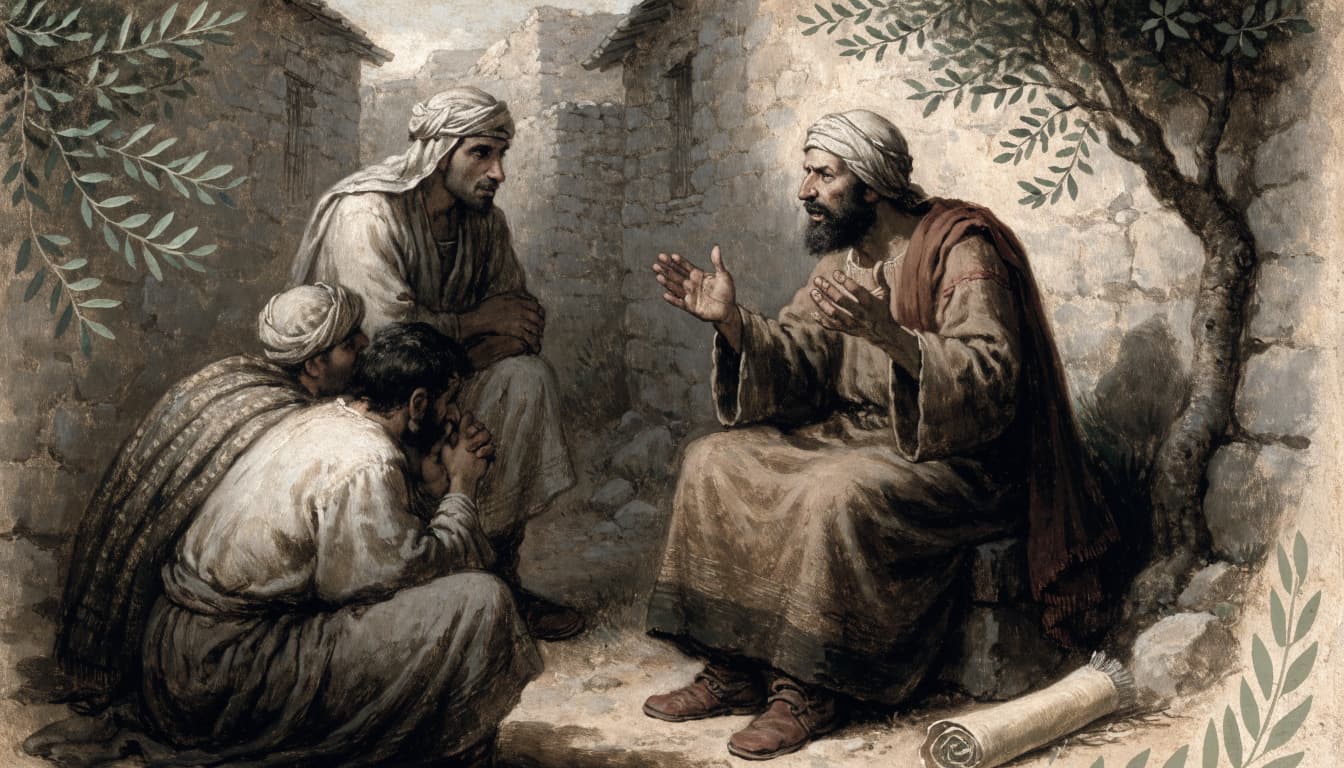
A useful practice is to read the whole passage, then summarize its main point in one sentence. What did the first hearers need to understand, trust, or change? Only after that should we ask how the New Testament connects the passage to Christ. For example, knowing the political crisis behind Isaiah's words to King Ahaz helps us see why Isaiah 7:14 speaks into a specific moment, even as Matthew applies the sign to Jesus.
Trace quotations, echoes, and prophetic patterns
When the New Testament quotes an Old Testament passage, compare the quotation with its original setting. Notice what the earlier text says, what the New Testament writer emphasizes, and how the connection is explained. A quotation may point to a direct prediction, while another passage may show a pattern reaching its fullest expression in Jesus.
Matthew's use of Hosea makes this clear. Hosea 11:1 recalls God bringing Israel out of Egypt: "Out of Egypt I called My son" (Hosea 11:1). Matthew applies those words to Jesus returning from Egypt as a child (Matthew 2:15). Jesus recapitulates Israel's history, embodying the Son who passes through the history of God's people. Hosea was looking back at the Exodus, so we shouldn't flatten its original meaning into a direct prediction.
This distinction helps us read responsibly. Some passages announce what God will do; others establish patterns, images, or hopes that the New Testament connects with Christ. We can follow those connections without turning every resemblance into a hidden forecast.
Let symbols and time markers guide interpretation
Images such as beasts, cosmic signs, and the Day of the Lord draw meaning from the passage around them and from imagery used elsewhere in Scripture. A beast may picture a ruler or kingdom, while cosmic language may describe divine judgment. We should check the text before deciding whether an image is literal or symbolic.
Time words deserve the same care. When a passage says "near," "soon," or "this generation," ask what event or sequence the words refer to in context. In the Olivet Discourse, for instance, Jesus speaks about the temple's coming destruction and answers questions from His disciples (Matthew 24:1-35). Christians differ on how some details relate to Jerusalem's fall and Christ's return. We should explain our reading from the passage rather than claim certainty the text doesn't give.
For us, being Spirit-led includes testing an insight against Scripture, not bypassing its words or setting. That kind of care fits Pentecostal reflection on Biblical interpretation, and it keeps our hope in Christ anchored to what the text actually says.
What Messianic Prophecy Reveals About Jesus
Messianic prophecy gives us more than a list of predictions. It shows how Jesus fulfills Israel's hope as King, Servant, and exalted Lord. As we look at these passages, we can hold their original settings alongside the Gospel writers' connections to Him.

The promised King and the hope of a Savior
Isaiah spoke to King Ahaz during a political crisis, when Judah faced threats from neighboring kingdoms. In that setting, Isaiah's sign to Ahaz assured the king that God had not abandoned David's house. Matthew later connects the birth of Jesus with this promise of Immanuel, "God with us" (Matthew 1:22-23). The Gospel writer sees God's presence and saving purpose made known in Jesus.
Micah spoke during a time of danger and injustice, and his promise about Bethlehem looked toward a ruler whose roots reached back to David's line. Matthew cites this passage when religious leaders identify Bethlehem as the Messiah's birthplace (Matthew 2:5-6). Isaiah's sign and Micah's promise have distinct settings, yet Matthew connects both with Jesus' arrival. The relationship between these two prophecies helps us see how the Gospel presents His identity and birthplace together.
Zechariah's image of a humble king riding on a donkey came in a message of hope for God's people. The prophet's words (Zechariah 9:9) take shape when Jesus enters Jerusalem, as Matthew describes (Matthew 21:4-5). Jesus is the promised King, but He arrives in humility, not with the display of an earthly conqueror.
The suffering Servant and the risen Lord
Isaiah's portrait of the Servant begins with exaltation, then describes rejection, suffering, and the bearing of others' sins (Isaiah 52:13-53:12). In Acts, Philip explains this passage to an Ethiopian official and proclaims Jesus as its fulfillment (Acts 8:30-35). Peter also connects Jesus' sinless suffering with our healing and return to God (1 Peter 2:22-25).
The language of Psalm 22, including the sufferer's cries and the mockery around Him, echoes through the Passion accounts. We should notice those strong connections without claiming every detail is a one-to-one forecast. The Gospels show Jesus suffering within Israel's Scriptural history, and the resurrection confirms that suffering was not the end.
The Son of Man and the Messiah’s authority
Daniel's vision describes "One like the Son of Man" receiving an everlasting dominion (Daniel 7:13-14). When Jesus speaks before the high priest, He draws on this vision and declares that He will be seen at God's right hand (Mark 14:62). His words point beyond suffering to vindication and authority.
Jesus also uses Psalm 110:1 to challenge narrow expectations about the Messiah (Matthew 22:41-46). Peter later applies the same verse to Jesus' exaltation and lordship (Acts 2:34-36). The Messiah is the rejected Servant who suffers, and the exalted ruler who reigns. Together, these passages show why we read prophecy through the whole history of Jesus. For another perspective, see Jesus as the promised Messiah.
How Fulfilled Prophecy and Future Hope Fit Together
Biblical prophecy speaks of God's acts already accomplished in Christ and promises that still lie ahead. The cross and resurrection are not unfinished events, but they also do not exhaust the hope Scripture gives us. We read prophecy well when we hold both truths together.
Recognize what the life, death, and resurrection of Jesus have fulfilled
Jesus is the center of fulfilled expectation. His life, death, and resurrection bring God's promises and purposes to their intended completion. Sometimes fulfillment means a direct promise comes true. At other times, Jesus completes a pattern or brings a larger hope into focus. Either way, fulfillment does not erase the first meaning of a passage or the real people and events in its original setting.
We have already seen this with Hosea's words about God calling His son out of Egypt. Hosea was looking back to Israel's exodus, while Matthew shows Jesus living out Israel's history as God's faithful Son. The New Testament makes that connection, so we can follow it without claiming that Hosea was writing a direct prediction of every detail in Jesus' childhood.
The same care applies to the prophecies of the suffering Servant and the promised King. Jesus' rejection, death, and resurrection fulfill Israel's hope in ways the Gospel writers explain. Fulfillment brings the promise, pattern, or purpose to its intended completion, while preserving what the original passage meant.
Hold present fulfillment and future promises together
Peter gives us a clear example in Acts 3:18-21. He says that God fulfilled what the prophets had foretold about the Messiah's suffering. Then Peter points ahead to "the times of restoration of all things." Christ's suffering is accomplished; the promised restoration remains part of our hope.

Paul makes a similar distinction in 1 Corinthians 15:20-28. Christ has been raised as the firstfruits of those who have died, so resurrection is already secured in Him. Yet Paul also looks to the day when Christ defeats every enemy, including death. The resurrection has happened. Death's final defeat is still ahead.
John's vision of a new heaven and a new earth in Revelation 21:1-5 carries that hope further. God will dwell with His people, wipe away every tear, and make all things new. For another view of the prophets' vision of the final Day of the Lord, we can trace how that future hope runs through Scripture.
So, should every prophecy be placed entirely in the past or entirely in the future? We should resist that quick sorting. Christians differ on whether some passages have more than one horizon of fulfillment. We can explain those readings respectfully, but "double fulfillment" should never become an automatic rule. Read the passage in its setting, follow the New Testament's connections, and let Scripture show what has been fulfilled in Christ and what remains ahead.
What Jesus’ Teaching About the Future Asks Us to Watch For
The Olivet Discourse gives us a focused example of reading future prophecy through Christ. Jesus speaks about the temple's destruction, and His disciples ask when it will happen, along with questions about His coming and the end of the age. We need to hear those questions together before we build a timeline.
Read the temple prediction and the disciples’ questions together
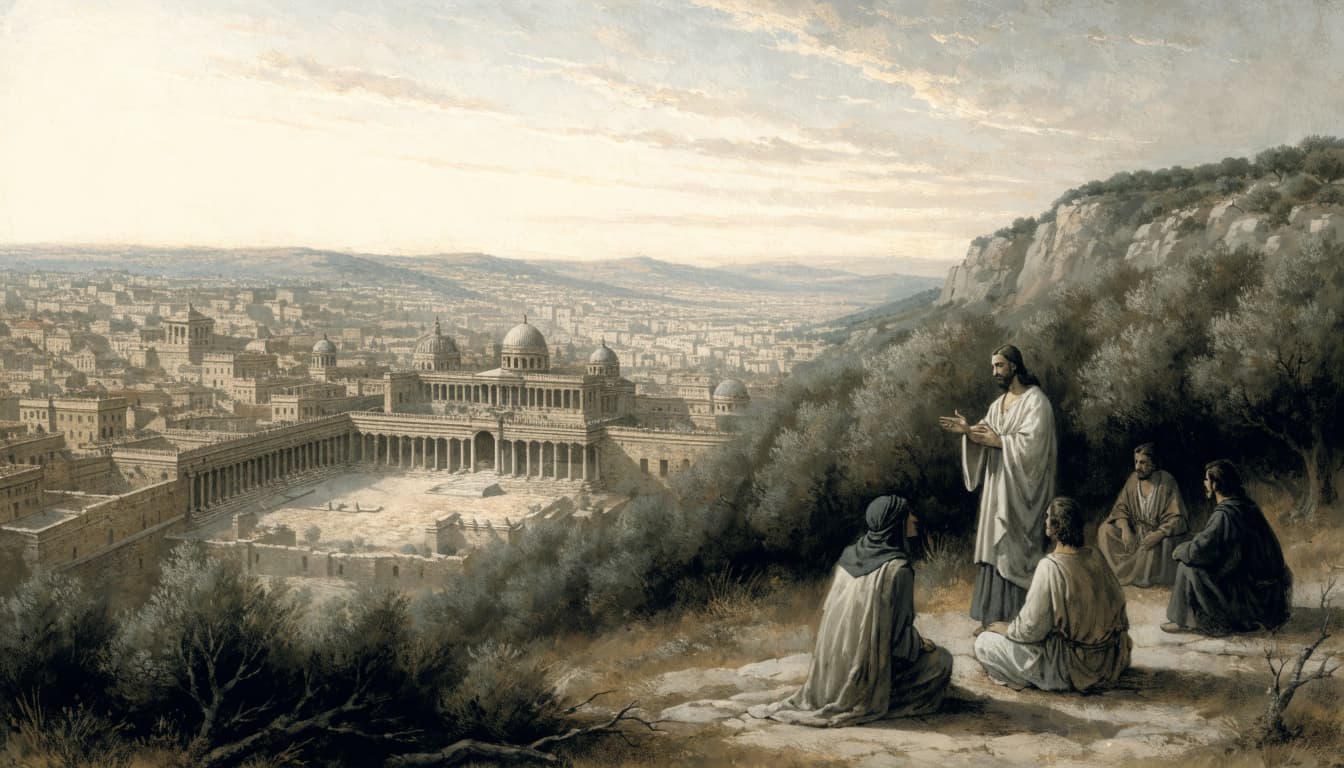
The scene begins with the disciples pointing out the temple buildings. Jesus answers that they will be torn down, then the disciples ask when "these things" will happen and what sign will accompany His coming and the end of the age. We can read the opening exchange in Matthew 24:1-3, Mark 13:1-4, and Luke 21:5-7.
That wording matters. Before deciding what a sign means for the end of the age, we should ask what "these things" refers to in the conversation. The temple's destruction is right there in the immediate setting. If we skip that detail, we may make Jesus' answer say more than the disciples asked, or miss the historical event His words address.
Luke makes the Jerusalem connection especially direct. Jesus describes the city surrounded by armies in Luke 21:20-24. Roman forces destroyed Jerusalem and the temple in AD 70, a historical event that any reading of the discourse needs to reckon with. You can also read about Jerusalem's fall and the temple's destruction.
Compare the Gospel accounts without forcing a timeline
Matthew's account continues through chapters 24 and 25, while Mark 13 and Luke 21 give parallel accounts. Reading them alongside one another helps us notice what each Gospel emphasizes. Luke names Jerusalem and its armies; Matthew gives extended teaching about watchfulness, readiness, and judgment.
Christians don't all agree on how the temple's fall, tribulation, the coming of the Son of Man, and final judgment fit together. Preterist readings connect much of the discourse with events surrounding Jerusalem's fall. Futurist readings place significant parts in events still ahead. Mixed approaches distinguish the historical destruction from Christ's future coming. This closer look at the Olivet Discourse discusses some of these interpretive questions.
We can state what the passages clearly say, then label our conclusions as interpretations. Jesus predicts the temple's destruction; Luke describes Jerusalem surrounded by armies; the Gospels also speak of the Son of Man's coming and final judgment. How those details relate in sequence remains disputed. We should not present one timeline as if every Christian tradition agrees.
Let watchfulness shape faith, not date-setting
Jesus' teaching keeps bringing His followers back to endurance, witness, readiness, and faithful service. In Matthew 24:9-14, He speaks of endurance and the proclamation of the Gospel. Later, His teaching about readiness and accountability continues through Matthew 24:36-25:46.
That emphasis gives us a sound way to approach headlines. Wars, disasters, new technologies, and political upheaval may stir questions, but they don't prove a precise prophetic schedule on their own. Unless Jesus' words make a connection, we shouldn't claim that a modern event confirms a specific date or sequence. We watch by staying faithful to Christ, bearing witness, and serving well while we wait.
How a Spirit-Led Reading Stays Faithful to Scripture
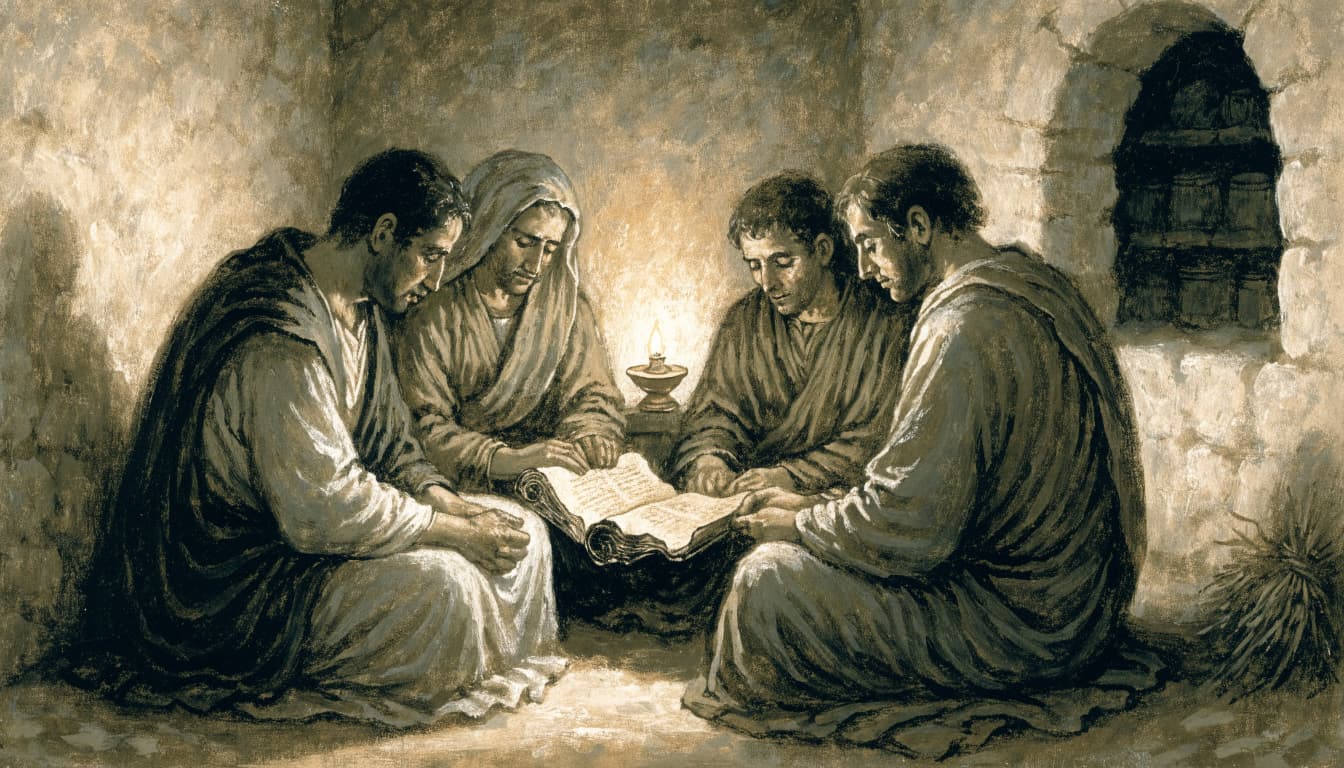
A Spirit-led reading of prophecy welcomes the Holy Spirit's help and stays accountable to the words He inspired. We pray for understanding, but we also read carefully, paying attention to a passage's wording, history, genre, and context. That balance matters. A personal impression may prompt us to study a passage more closely, but it doesn't settle a disputed interpretation.
Welcome the Spirit’s help without bypassing careful study
Jesus told His disciples that the Holy Spirit would teach them and remind them of His words (John 14:26). We believe the Spirit still helps believers understand Scripture. Prayer can make us more attentive, expose our assumptions, and help us respond faithfully to what we read.
But the Spirit's illumination doesn't give us permission to skip the text. If an impression seems to contradict the passage's plain meaning or the wider witness of Scripture, we need to test the impression, not rewrite the passage around it. A claim that begins, "God showed me this," still needs to answer basic questions: What do the words say? Who first heard them? How does the passage fit the book and the rest of Scripture?
We can hold spiritual openness and careful study together. That's part of a Pentecostal approach to Biblical interpretation: we expect the Holy Spirit to help us, and we remain humble about our conclusions. An insight may be worth considering without being beyond question.
Test prophetic claims and respond with faithfulness
Paul tells the church to let others weigh what prophets say (1 Corinthians 14:29). His instruction makes room for prophecy, while also making clear that no speaker's claim is automatically beyond review. In the same spirit, 1 Thessalonians 5:19-22 tells believers not to despise prophecies, but to test everything and hold fast to what is good. That shared discernment belongs in the church, where claims can be weighed against Scripture rather than treated as private authority. We can also use Bbiblical tests for false teaching when a prophetic message raises concerns.
What should we look for? A faithful prophetic claim will agree with Scripture and point us toward Jesus. Its fruit should include steady faith, love, holiness, and service. Fear-driven predictions, sensational claims, and date-setting pull attention away from Christ and invite people to trust speculation.
Prophecy matters now because it strengthens our hope in Jesus, calls us to holy lives and faithful witness, and teaches us to trust God without fear. We don't need a new prediction to be ready. We need to keep following Christ, test what we hear, and hold fast to what is good.
Conclusion
Biblical prophecy makes the most sense when we read each passage in its own context and in light of Jesus. He is the fulfillment of God's saving purposes, and the source of our hope for what is still ahead. The connections Scripture makes between the prophets and Christ give us a firm foundation, not a reason to turn every image or current event into a prediction.
As we study, we can compare prophetic passages with their use across Scripture, welcome the Holy Spirit's help, and test our interpretations against God's Word. We can also stay humble where Christians differ, holding tightly to what Scripture makes clear. The Old Testament prophecies fulfilled by Jesus point us back to the same enduring hope: Christ has accomplished God's saving work, and He will bring His purposes to completion. That hope strengthens our faith and helps us live with watchfulness, courage, and faithfulness today.
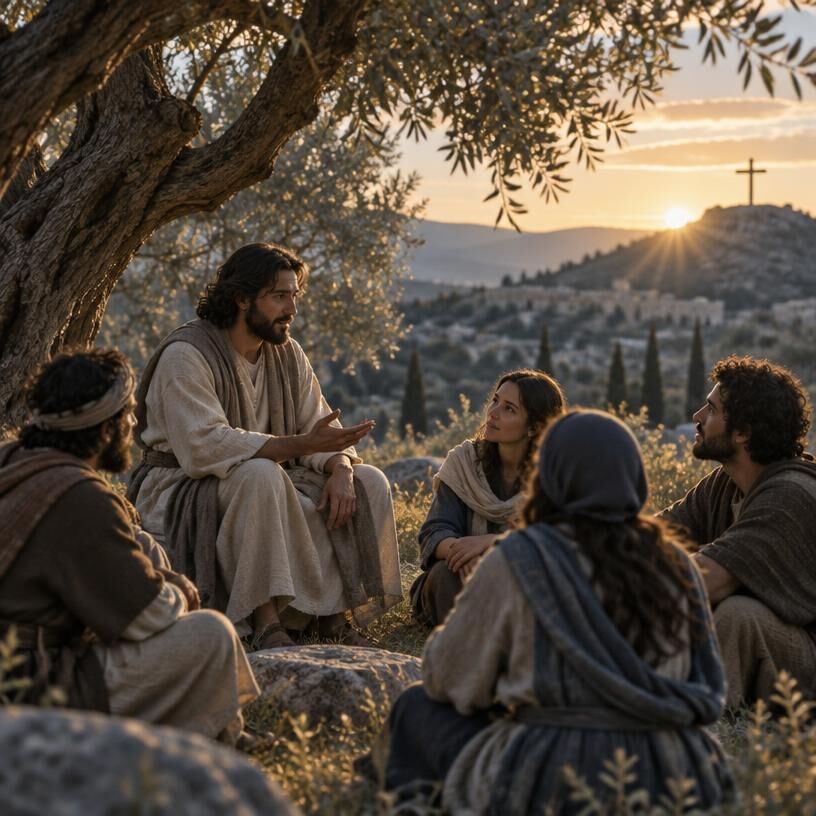
Jesus Is the Key to Biblical Prophecy
Biblical prophecy is more than a collection of predictions. It reveals God's purposes through the promised Messiah. Jesus' identity, life, death, resurrection, and return give the prophets and their promises a central focus. At Bible Prophecy Ministries, our mission is to help readers trace what Scripture says has happened and what is still to come, while keeping Christ at the heart of every interpretation.
Three Anchors for Reading Prophecy

Follow Scripture’s Unified History
Read each prophecy within the Bible’s unfolding account of creation, covenant, redemption, and restoration, with Jesus at its center.
Look to Jesus for Fulfillment
Trace how God’s promises find their decisive fulfillment in Christ’s life, death, resurrection, and promised return.
Honor the Original Context
Ask who first heard a prophetic word, what it meant to them, and how the wider Scriptures illuminate its hope.
The Prophets Within the Whole Biblical History
Old Testament prophecy does not stand apart from the rest of Scripture. Promises of a faithful king, a renewed covenant, and blessing for the nations grow from God’s dealings with Israel and anticipate the work of Jesus. Images such as the Passover lamb and the temple prepare readers to recognize what His sacrifice and presence accomplish.
Begin with a passage’s original setting and listen for its language, audience, and place in Israel’s history. Then read forward through the Gospels and the apostles, who show how Christ brings God’s purposes to fulfillment. This approach takes the prophets seriously on their own terms while seeing how their hope belongs to the larger history of redemption.
“Beginning with Moses and all the Prophets, Jesus showed what the Scriptures said concerning Himself. In Him, God’s promises find their Yes.” — Reflecting on Luke 24:27 and 2 Corinthians 1:20
How to Read Prophecy Through Christ
1
1. Begin With the Original Context
2
2. Trace Its Place in Scripture
3
3. Look to Christ for Fulfillment
Questions About Reading Prophecy Through Christ
Explore how to read prophetic passages carefully, follow their place in Scripture, and recognize their connection to Jesus without rushing to conclusions.
Why should I read Biblical prophecy through Christ?
Jesus taught that the Scriptures testify about Him. Reading prophecy through Christ helps us see how God’s promises serve His work of redemption rather than treating predictions as isolated mysteries.
Does every prophetic detail refer directly to Jesus?
No. First ask what the passage meant in its original setting. Some prophecies point directly to the Messiah; others contribute to the larger Biblical history that finds its fulfillment in Him.
How can I avoid speculation about current events?
Let the passage’s words, historical context, and connections within Scripture guide your conclusions. Be cautious about assigning prophetic meaning to headlines when the text does not make that connection.
How do I recognize a prophecy’s fulfillment responsibly?
Look for clear connections made by Scripture itself, especially in the New Testament. Consider whether the proposed fulfillment respects the original promise and how the Biblical authors explain it.
Can a prophecy have an earlier fulfillment and still point to Christ?
Sometimes an earlier event establishes a pattern or partially realizes a promise that reaches its fullest meaning in Christ. Read each passage on its own terms and follow the connections Scripture makes.
What should I do when Christians disagree about a prophecy?
Compare the interpretations with the text, distinguish clear teachings from uncertain details, and approach others with humility. Shared confidence in Jesus matters more than certainty about every prophetic timeline.
Keep Christ at the Center of Prophecy
Continue exploring God’s promises with Scripture open and Jesus in view. Discover how prophetic passages fit the Bible’s unfolding history of redemption.