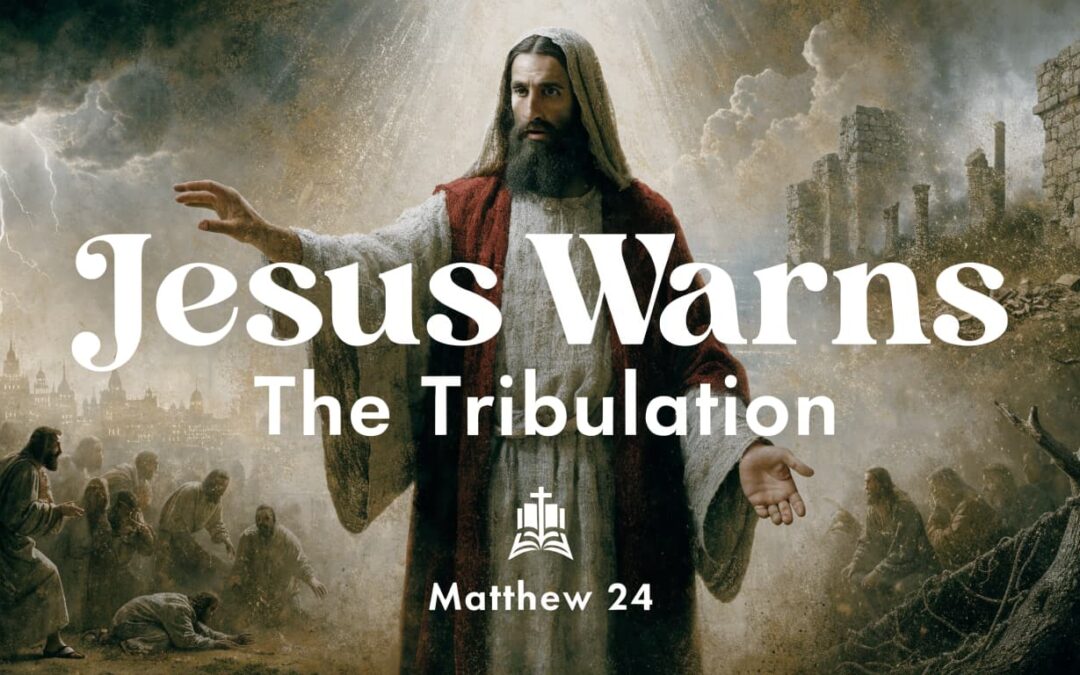
Understanding the Time of Tribulation: Jesus’ Warnings and the Call to Endure
When Jesus speaks about tribulation, deception, and persecution, it's natural to wonder what His words mean for us today. The Olivet Discourse gives serious warnings, but it also shows us how to remain faithful when fear and confusion press in.
Matthew, Mark, and Luke each record Jesus' teaching, with details that help us see the passage clearly while leaving room for Christians to differ on its timeline. As Spirit-filled Pentecostals, we believe the Holy Spirit helps believers bear witness to Jesus, and we also need to distinguish Biblical teaching from speculation. Let's begin with the setting behind Jesus' words and what He meant by a time of tribulation. Read Jesus' warnings in Matthew 24.
What Jesus means by the time of tribulation
When Jesus spoke about tribulation, He was answering questions that began with a striking warning: the Temple would be destroyed. That setting matters. If we separate His words about distress from the disciples' questions, we can miss the first-century crisis in view and rush too quickly toward a timeline.
Let's look at what prompted the conversation, then consider why Christians differ over how Jerusalem's fall relates to Christ's future return.
The Temple question behind the Olivet Discourse
As Jesus left the Temple, His disciples pointed out its buildings. He replied that the time would come when not one stone would be left upon another. Later, on the Mount of Olives, they asked when this would happen and what sign would point to its fulfillment. Matthew, Mark, and Luke each record the exchange, but their questions are not worded exactly alike: Matthew 24:1-3, Mark 13:1-4, and Luke 21:5-7.
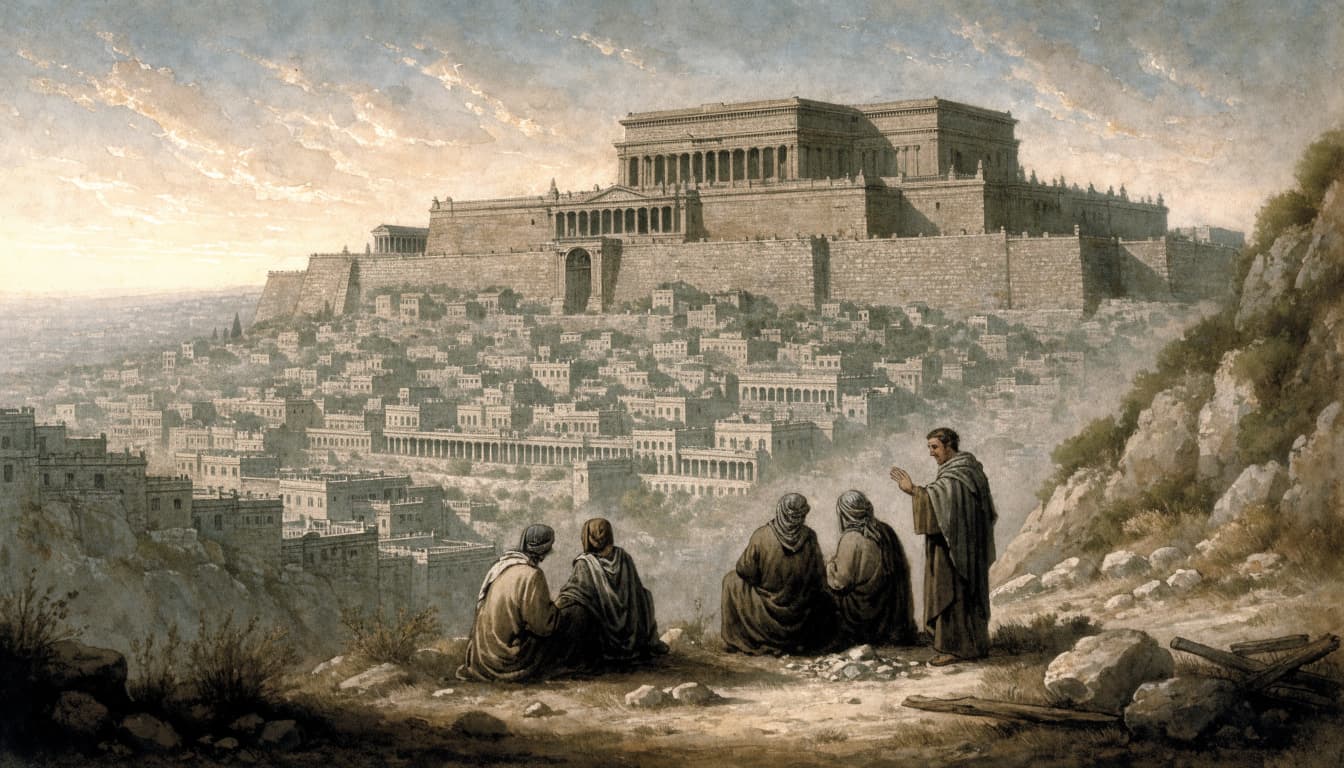
Matthew includes questions about Jesus' coming and the end of the age. Mark asks when the Temple's destruction will happen and what sign will show that these things are about to be fulfilled. Luke also asks when the events will happen and what sign will precede them. The accounts overlap, but we shouldn't flatten their differences as though each Gospel gives the same question word for word.
That distinction matters when we read Jesus' answer. Were the disciples asking about one event, or connecting the Temple's destruction with His coming and the end of the age? Christians interpret that relationship differently. We can begin with what the text makes clear: the Temple's fate is the conversation's starting point. For a broader look at Jesus' teaching about the Olivet Discourse, keep that opening exchange in view.
Tribulation, Jerusalem’s fall, and future hope
Tribulation means severe distress or trouble. Jesus describes an intense period of suffering, while Luke gives a clear picture of Jerusalem surrounded by armies. In Luke 21:20-24, Jesus warns that the city's desolation is near and tells those in Judea to flee. Many interpreters connect this warning with the Roman siege and destruction of Jerusalem and the Temple in AD 70.
But what does that historical event mean for the rest of Jesus' prophecy? Christians don't all answer the same way. Some understand much of the tribulation teaching as fulfilled in the first-century destruction. Others see key parts as pointing chiefly to a future period before Christ returns. Still others read the passage as joining a historical crisis with a future fulfillment.
We should take Jesus' warning seriously without claiming that every Christian agrees on its timeline. The Temple's destruction anchors the discourse in history, while Jesus' words about His coming keep the question of future hope in view. Our task is to read carefully, resist speculation, and remain faithful to Him.
How Jesus describes distress before the end
Jesus names real dangers, but He also tells His disciples how to respond. Wars, disasters, persecution, and Jerusalem's coming danger all matter in the Olivet Discourse. Yet none gives us permission to panic or turn headlines into a countdown.
Wars and disasters are not a reason to panic
Jesus warns of wars and rumors of wars, nation rising against nation, earthquakes, and famines. Matthew and Mark compare these troubles to the beginning of birth pains, while Luke also mentions pestilences and frightening signs from heaven. You can read the accounts in Matthew 24:6-8, Mark 13:7-8, and Luke 21:9-11.
Then Jesus gives a direct instruction: don't be troubled. These events must happen, but the end doesn't follow immediately. That's the point we can miss when every conflict or earthquake gets presented as proof that the final moment has arrived.
The image of birth pains makes the warning easier to understand. Labor pains tell us that a birth is coming, but one early contraction doesn't tell us exactly when the baby will arrive. Jesus uses the image to describe distress that begins and grows, not to give His followers a calendar for predicting the end.
Matthew and Mark call these events "the beginning of sorrows" or birth pains, depending on the translation. Luke describes the same warning in his own words. We shouldn't force every Gospel to use identical details, or treat each disaster as a separate prophetic marker. Jesus' instruction is clear across the accounts: stay alert, but don't be alarmed.
The warning to flee when danger becomes clear
Matthew and Mark connect urgent flight with the "abomination of desolation," a phrase that echoes Daniel's prophecy. They tell people in Judea to flee to the mountains and not to return for belongings. Jesus even points to the hardship that delay could bring for pregnant women and nursing mothers. The warning appears in Matthew 24:15-20 and Mark 13:14-18. For more on the Daniel connection, see Daniel 9 and the abomination of desolation.
Luke makes the immediate danger more concrete: when Jerusalem is surrounded by armies, its desolation is near. He tells those in Judea to flee and those inside the city to leave. Read Luke 21:20-24 alongside Matthew and Mark, and the practical urgency comes into focus.
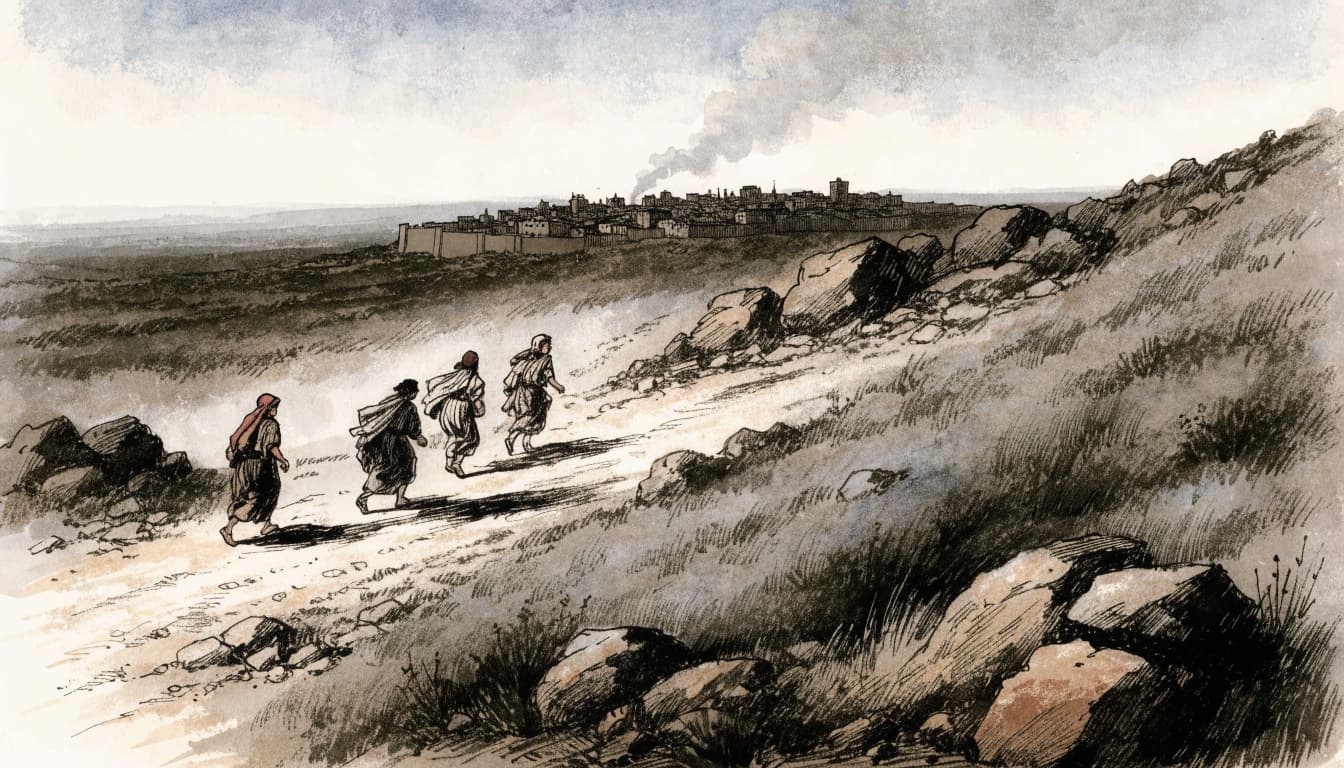
For people living in and around Jerusalem, this was a warning to act when danger became visible, not to wait until escape was impossible. Many Christians connect Luke's description with the Roman siege and Jerusalem's destruction in AD 70, though believers differ on how the warning relates to future events.
We should let the original setting shape our reading without turning Jesus' words into a claim about a specific modern crisis. His warning calls for discernment and action when danger is clear, not speculation whenever the news becomes frightening.
How to recognize false messiahs and prophets
Jesus' warnings about deception are clear, even when Christians differ about the timing of the events He described. He tells His followers to stay alert, test what they hear, and keep their confidence in Him rather than in dramatic claims.
Claims of messianic identity and secret knowledge
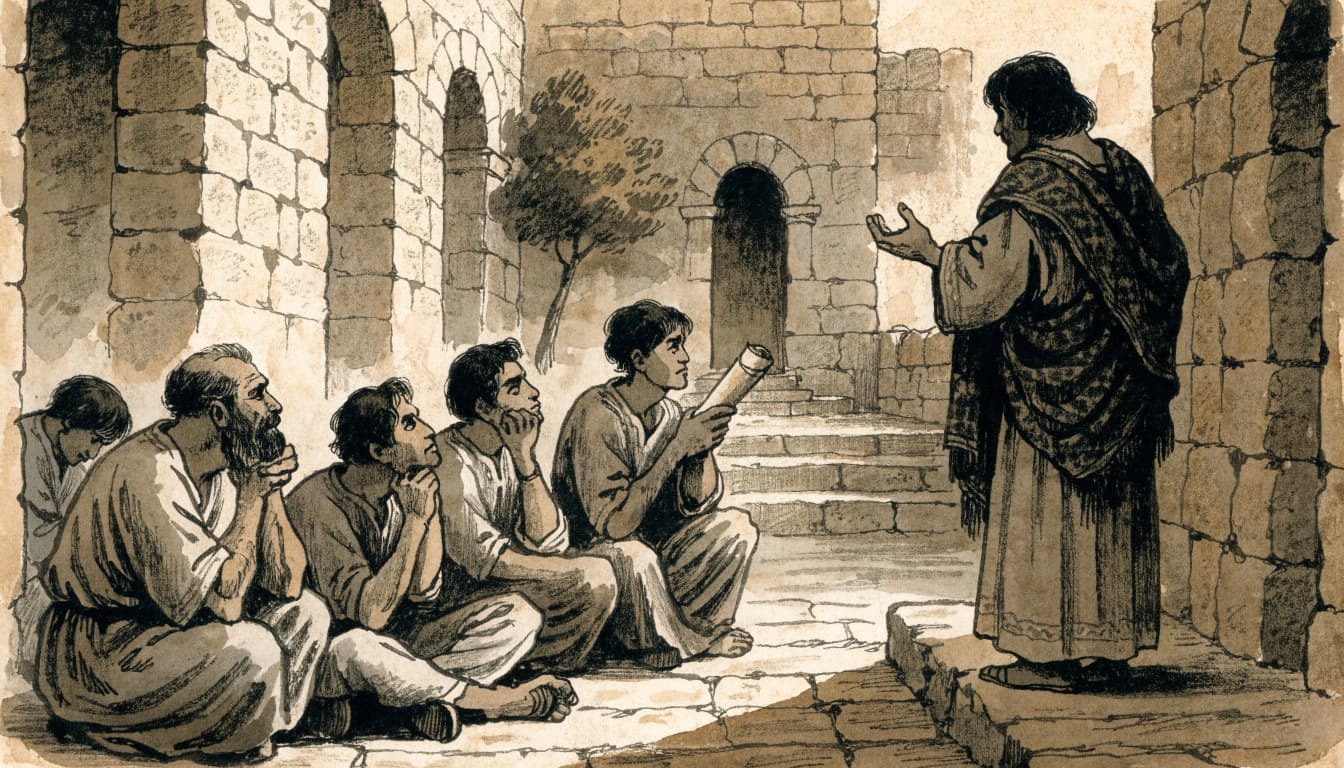
Jesus warns that people will come in His name, claim to be the Christ, and mislead many. He also cautions His disciples not to believe reports that the decisive moment has arrived or that the Messiah is hidden in a particular place. Matthew's full account of these warnings shows how direct His instruction is: don't be deceived, and don't follow them.
Why such a firm response? A person who claims unique access to the Messiah or secret knowledge of the end can make fear feel like faithfulness. But Jesus doesn't ask His followers to chase rumors or hand over their discernment to a persuasive voice. His coming won't depend on someone announcing a private revelation or gathering a following around a hidden appearance.
That doesn't mean every urgent warning or unfamiliar spiritual claim proves the end is near. Jesus speaks about deception as a real danger, not as permission to label people carelessly. We can read prophetic claims in context, compare them with Scripture, and refuse to treat a confident prediction as proof.
For a steady framework, see three anchors for studying Biblical prophecy. Jesus' words call us to watchfulness, not panic.
Why impressive signs still require discernment
Jesus also warns that false prophets may perform signs and wonders, and that their displays can be persuasive. As Spirit-filled Pentecostals, we believe the Holy Spirit still works among God's people. We pray for His gifts and guidance, and we don't dismiss a genuine work of God simply because it is supernatural.
But signs alone don't prove that a message comes from God. We test spiritual claims against Scripture and ask whether they point people to Jesus, honor His teaching, and show the character He taught His followers to embody. A striking experience may catch our attention; it cannot replace Biblical truth.
This matters in Pentecostal life. We want room for the Holy Spirit to move, while refusing to make a spectacle the measure of spiritual authority. A claimed prophecy that contradicts Scripture, exalts its speaker, or pressures people through fear deserves careful testing, not automatic acceptance.
We can hold both convictions together: God works through His Spirit, and His people must use discernment. When claims arise, we slow down, open Scripture, pray, and seek wise counsel. Jesus warned us beforehand so we would stay faithful to Him, even when deception sounds convincing.
How persecution becomes a witness to the Kingdom
Jesus joins warnings of suffering with a call to faithful testimony. His disciples may face arrest, betrayal, hatred, and even death, but hardship does not silence the message about Him. In the Olivet Discourse, persecution becomes the setting where people hear the Gospel and see what it means to remain faithful.
Arrest, betrayal, and hatred for His name
The three Gospel accounts share the warning, but each gives it a distinct emphasis. Matthew says disciples will be handed over to tribulation, hated because of Jesus' name, and betrayed by one another. Mark describes arrest and trials before councils, governors, and kings, then adds that some will be put to death. Luke names synagogues, rulers, and authorities, and says that even parents, siblings, relatives, and friends may betray believers.
These details make Jesus' warning uncomfortably personal. Opposition may come from public authorities, but it may also come from people a disciple loves. Jesus does not promise His followers a life free from conflict. He prepares them to face hostility without treating it as proof that God has abandoned them.
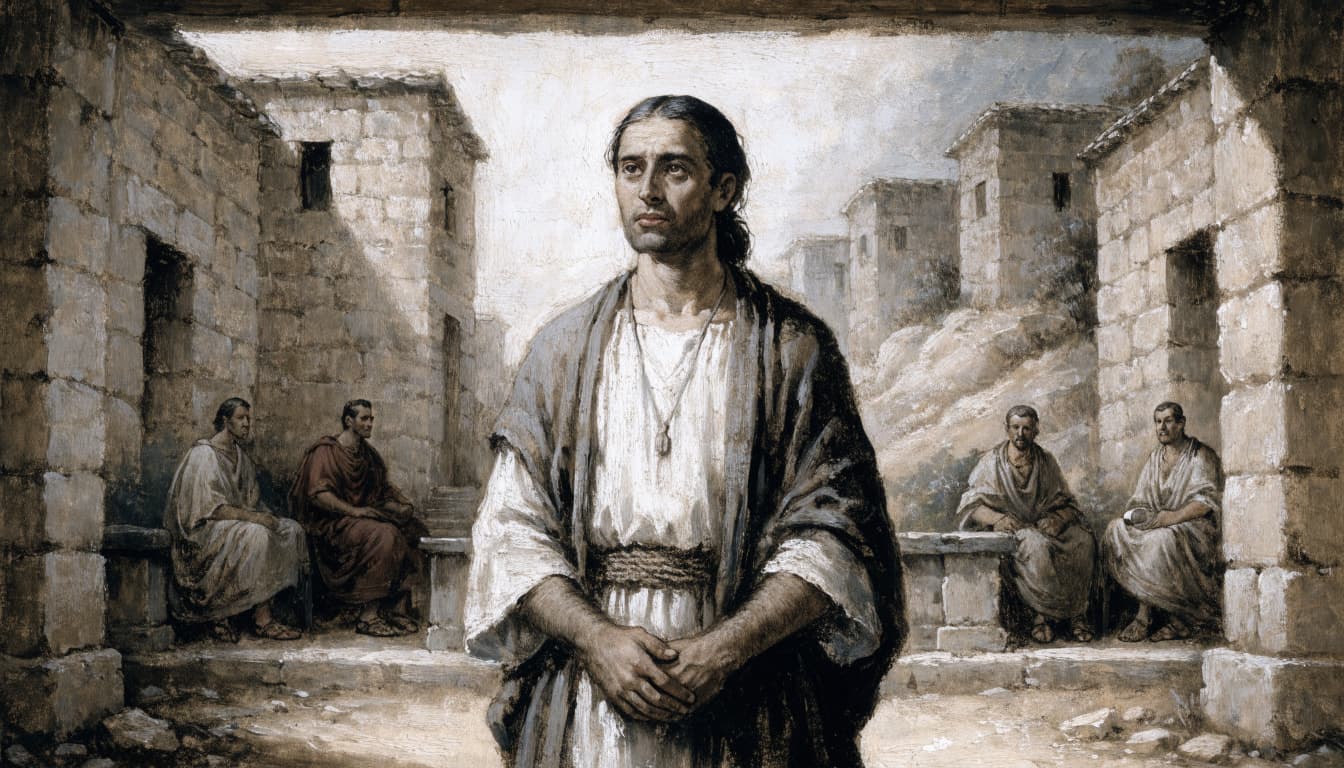
Yet the warning is not the whole message. Mark says these hearings will become an occasion for testimony. Matthew connects persecution with the Gospel of the Kingdom being preached among the nations. Luke tells disciples to settle in their hearts not to prepare a defense beforehand, because Jesus will give them words their opponents cannot refute.
We should read those promises in their setting. Jesus is speaking about disciples brought before authorities because of their allegiance to Him. The call to endure does not mean seeking danger or assuming every disagreement is persecution. It means remaining faithful when following Jesus carries a real cost. See Mark 13 for the full account.
The Holy Spirit helps believers speak
Mark 13:11 says that when disciples are arrested and handed over, they should speak what is given to them in that hour, because the Holy Spirit will speak through them. Jesus is not asking them to trust their eloquence. He is assuring them that they will not stand alone when called to testify under pressure.
Luke 12:11–12 gives related teaching: when believers are brought before synagogues, rulers, and authorities, the Holy Spirit will teach them what to say. That promise belongs to this specific setting of testimony before authorities. It is not a blanket instruction to avoid preparation, dismiss wisdom, or treat careful study of Scripture as unnecessary.
We can prepare faithfully and still depend on the Spirit. The disciples' witness rests on the truth about Jesus, not on polished speeches or clever arguments. As Pentecostals, we believe the Holy Spirit empowers believers to testify, just as He empowered the early disciples to proclaim Jesus publicly. Peter's preaching after Pentecost offers another example of the Holy Spirit empowering the disciples to witness.
Jesus' words hold both hardship and hope together. His followers may face rejection, but persecution cannot erase their witness. As they endure, their testimony points beyond the authorities before them to the King they serve.
What it means to endure faithfully
Jesus connects endurance with what happens when pressure grows. His warning is not about earning salvation through sheer effort. It is a call to remain loyal to Him when deception, hostility, and hardship test our faith.

Guarding love when lawlessness grows
Jesus says lawlessness will increase, and the love of many will grow cold. Then He speaks of the one who endures to the end. In Matthew, these words belong together: faithfulness means holding to Jesus without letting fear or wrongdoing turn our hearts hard (Matthew 24:12-14).
That can sound abstract until pressure reaches ordinary life. We may see cruelty rewarded, lies spread quickly, or people treated as disposable. We can refuse to answer hatred with hatred, tell the truth when a falsehood would be easier, and keep praying when fear crowds our thoughts. Small acts of mercy matter, too: checking on someone who is isolated, helping a neighbor, or speaking up when a person is being mistreated.
Compassion does not mean pretending danger is harmless. Jesus warned people to flee when Jerusalem faced destruction. When you or someone else is at risk, seeking safety and help is wise. We can protect people and still refuse to let bitterness become our guide.
Endurance, then, is steady loyalty to Jesus in the choices we make today. We do not earn His saving grace by enduring. We keep trusting Him, and the Holy Spirit helps us remain compassionate, truthful, prayerful, and faithful under pressure.
Holding to hope without setting dates
Jesus gives His followers hope, but He also places a clear limit on speculation: no one knows the day or hour (Matthew 24:36). That warning matters whenever a crisis, war, or alarming prediction is presented as proof that the end has arrived. Jesus told His disciples to watch, but He did not tell them to calculate a date.
Readiness is less dramatic than a countdown. It means staying faithful to Jesus, caring for others, sharing the Gospel, and keeping our lives shaped by His teaching. We can take world events seriously without treating every crisis as a definitive fulfillment of prophecy.
Christians interpret parts of the Olivet Discourse differently, especially the relationship between Jerusalem's destruction and events connected with Jesus' return. We can hold our convictions while admitting where the text leaves room for disagreement. Our hope rests in Christ, not in a timetable we cannot know.
For more on Jesus' call to watchfulness rather than date-setting, see how Scripture points to Jesus as the promised prophet. Whatever comes, faithful endurance means continuing to follow Him with clear eyes and a living hope.
How Christians can read the tribulation passages with care
Christians agree that Jesus calls His followers to faithfulness, but we don't all read the timing of the tribulation the same way. A careful reading starts with the words Jesus gave, the questions His disciples asked, and the different details Matthew, Mark, and Luke chose to include.
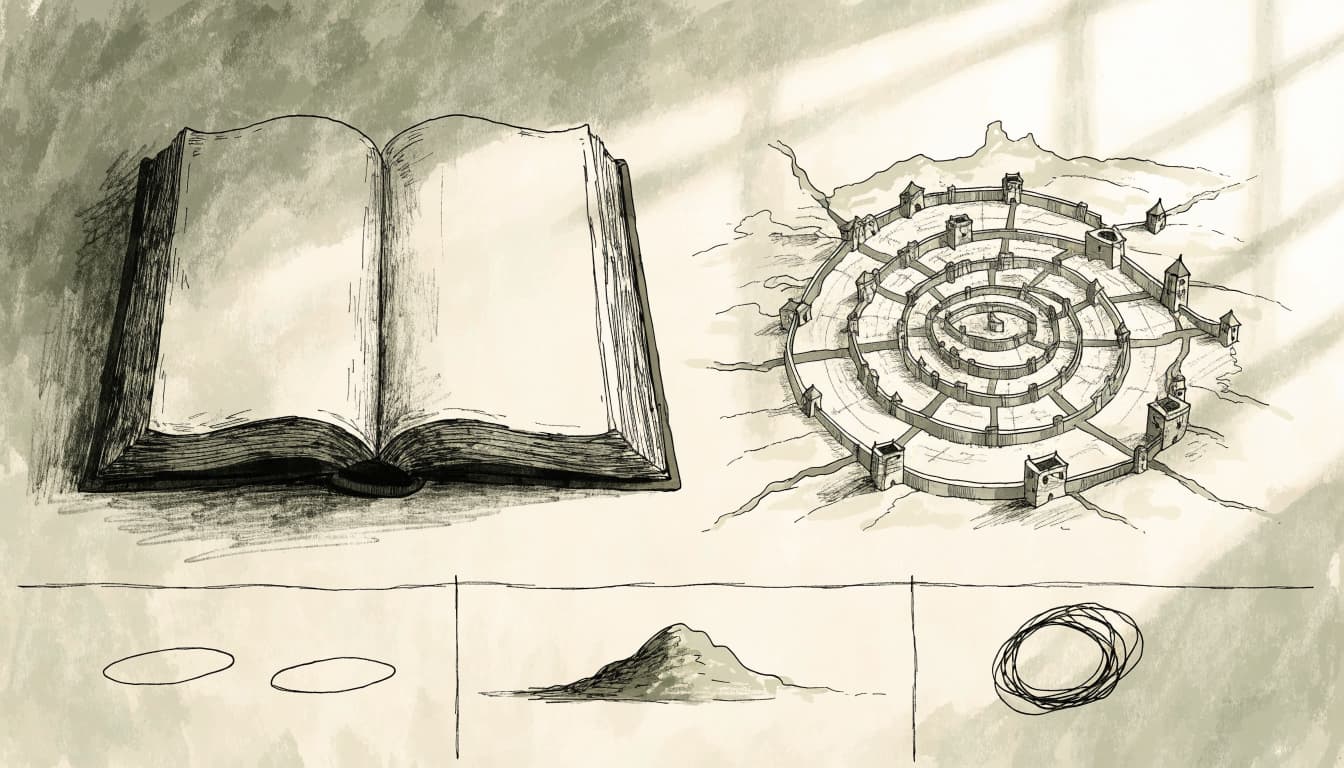
Three views on the timing of the tribulation
Preterist readings connect much or all of Jesus' tribulation teaching with the first-century crisis, especially Jerusalem's destruction in AD 70. Partial preterists commonly understand much of Matthew 24:1-35 in that setting, while seeing later verses as pointing to Jesus' future return. A discussion of the Olivet Discourse and the Second Coming outlines this distinction.
Futurist readings understand key parts of the discourse as describing a future period of tribulation connected with Christ's return. Many futurists distinguish that future crisis from Jerusalem's fall. Interpretations that see both first-century fulfillment and future hope hold that Jesus addressed the crisis facing Jerusalem while also pointing ahead to the final consummation. Christians within each broad approach differ on details.
The debated details matter. Matthew and Mark name the "abomination of desolation," while Luke describes Jerusalem surrounded by armies (Matthew 24:15-22, Luke 21:20-24). How those descriptions fit together, how widely the tribulation extends, and what Jesus means by "this generation" remain points of disagreement (Matthew 24:34). We shouldn't present one interpretation as though every Christian accepts it. For another perspective on how Scripture describes trials and tribulation, compare its claims with the Gospel passages themselves.
Staying watchful without fear or speculation
Whatever view we hold, Jesus' instructions are plain: resist deception, bear witness, endure, and remain watchful. He warns against false messiahs and prophets, prepares His disciples for opposition, and tells them not to be alarmed by distress. The focus is faithful discipleship, not an invitation to turn each new crisis into a prophetic timetable.
As Spirit-filled Pentecostals, we believe the Holy Spirit empowers believers to testify to Jesus. We also believe that spiritual claims should be tested by Scripture. The promise of the Spirit's help in Mark 13:9-13 speaks to disciples facing authorities; it doesn't tell us to neglect preparation or careful study.
So read Matthew, Mark, and Luke in context. Notice what each account says, pray for wisdom, and make room for honest Christian disagreement where the text leaves questions open. We can stay alert without fearing every headline, and we can trust Christ without claiming to know what He has not revealed.
Conclusion
Jesus' teaching about tribulation is both a warning and a call to faithful hope. He prepares His followers for distress, persecution, and false claims, then calls them to remain steadfast rather than be led astray.
We can respond with discernment, Spirit-led witness, and love that doesn't grow cold. Christians differ on how parts of the Olivet Discourse fit together, but our confidence rests in Christ, not certainty about a disputed timeline. As we heed Jesus' warnings, we can endure with clear eyes and keep our hope in Him.
Why Jesus’ Warnings Matter
In Matthew 24, Mark 13, and Luke 21, Jesus prepares His followers for deception, persecution, upheaval, and a time of great tribulation. His warnings draw on the prophetic language of Daniel and place coming hardship within a larger Biblical history: God remains sovereign, and the Son of Man will come in glory. Christians differ on the timing and scope of these events, but Jesus’ instruction is clear. His people are to stay watchful, resist false claims, and endure in faith.
Bible Prophecy Ministries examines passages like these to help readers see how Scripture’s promises and warnings center on Jesus. For believers today, studying the tribulation is not an invitation to fear or date-setting. It is a call to know Christ’s words, hold fast to hope, and remain faithful through whatever trials come.

What Jesus Said About the Time of Tribulation
Jesus did not tell His followers to face the future without discernment. In the Olivet Discourse, He warned that false messiahs and false prophets would attempt to deceive many, even using impressive signs (Matthew 24:4–5, 23–24). His first instruction was simple: “Take heed that no man deceive you.” Every prophetic claim must be tested against His words, not measured by its urgency or spectacle.
Jesus also spoke of wars, rumors of wars, famines, and earthquakes, yet cautioned that such turmoil is “the beginning of sorrows,” not a reason to assume the end has already come (Matthew 24:6–8). He foretold persecution, betrayal, and hatred toward those who bear His name (Matthew 24:9–10; Luke 21:12–19). These warnings prepare believers to remain steadfast when public upheaval becomes personal suffering. Even as He described great tribulation (Matthew 24:21–22), Jesus directed His people away from panic and toward endurance, discernment, and trust in the One whose words will not pass away (Matthew 24:35).
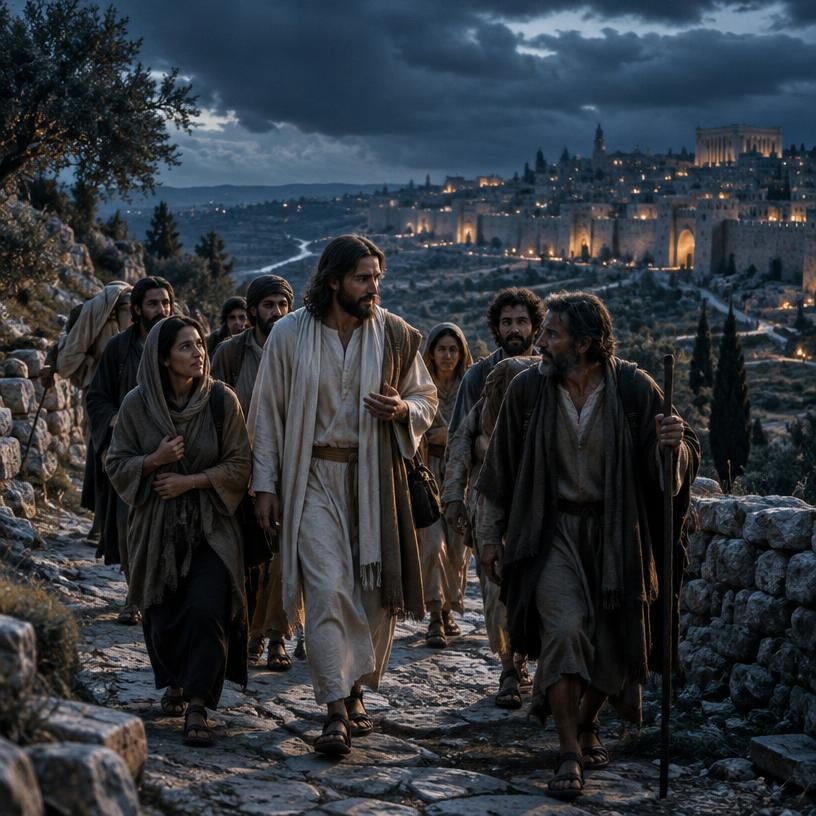
“But he that shall endure unto the end, the same shall be saved.” — Matthew 24:13 (KJV)

Jesus Christ
Amid His warnings of deception and persecution, Jesus calls His followers to persevering faith rather than fear.
Step 1
Test Every Claim Against Scripture
When alarming predictions or persuasive voices demand your attention, return to Jesus’ warnings in Matthew 24:4–5, 23–26. Read each claim in context and refuse to follow anyone who draws your trust away from Christ.
Step 2
Remain Faithful Under Pressure
Expect opposition without surrendering to bitterness. Jesus said His disciples would be hated for His name, yet called them to patient endurance (Luke 21:16–19). Keep praying, obeying, and loving others when faithfulness carries a cost.
Step 3
Stay Watchful Without Fear
Pay attention to what Scripture says, but do not treat every crisis as a timetable. Jesus urged His followers to watch and pray while acknowledging that they do not know the day or hour (Matthew 24:42–44; Luke 21:36).
Step 4
Hold Fast to Christ’s Hope
Let the promise of Christ’s return shape how you live today. When distress grows, remember His assurance that redemption draws near (Luke 21:28). Encourage one another, serve faithfully, and keep your hope anchored in Him.
Understanding the Tribulation: Common Questions
Jesus spoke plainly about coming trouble while calling His followers to remain faithful. These answers offer a Scripture-centered starting point without guessing at dates or headlines.
What does the Bible mean by tribulation?
Tribulation refers to distress and suffering. Jesus warned His disciples that they would face trouble in this world and also described a time of great distress in His teaching about the end (John 16:33; Matthew 24:21).
What warnings did Jesus give about this time?
Jesus warned against deception, false messiahs, fear, and falling away. He urged His followers to stay alert and hold fast to His words (Matthew 24:4–13).
Does Jesus tell us when the tribulation will happen?
Jesus described signs and called for watchfulness, but He did not give His followers a date to calculate. He said that no one knows the day or hour of His return (Matthew 24:36).
What did Jesus mean by enduring to the end?
Enduring means continuing in faithfulness to Christ when following Him is difficult. Jesus calls believers to persevere rather than give in to fear or deception (Matthew 24:13).
Should Christians be afraid of end-times prophecy?
Jesus gave His warnings to prepare His followers, not to leave them in panic. He also promised His presence and told them to take heart because He has overcome the world (John 16:33).
How can I recognize misleading prophecy claims?
Compare every claim with Scripture in context, especially when someone announces a secret timetable or claims to be the Messiah. Jesus specifically warned that false prophets would try to deceive people (Matthew 24:23–27).
What should believers do instead of predicting dates?
Jesus calls His followers to be watchful and ready. Prayer, obedience, love for others, and steady attention to His teaching are better responses than trying to pinpoint a date (Matthew 24:42–46).
Does tribulation mean God has abandoned His people?
No. Jesus said His followers would face trouble, yet He promised to be with them always. Hardship does not cancel His presence or His promise to bring His people through to His Kingdom (John 16:33; Matthew 28:20).
How does studying tribulation point us to Jesus?
Jesus is the one who gives the warnings and promises to return. Reading prophecy with Him at the center helps us respond with faithfulness and hope rather than speculation (Matthew 24:30–31).
Keep Studying the Hope Found in Jesus
Explore more Bible prophecy teachings to see how Scripture’s warnings and promises point to Jesus. Continue studying His words and the hope of His return.