Famines Across the World: Jesus’ Call to Endure
A famine is a human tragedy, and every report of one deserves compassion. Yet when hunger fills the headlines, it can be tempting to treat each crisis as proof that the end has arrived.
Jesus named famines alongside wars and earthquakes, but He told His followers not to be troubled and called them to endure. We believe His words should lead us to prayer, clear thinking, and care for people who are suffering, not panic or date-setting.
Let's look at what Jesus meant by the beginning of sorrows, and how we can respond faithfully to famine today. Jesus' teaching on prophecy and faithful endurance
Watch a video about the "birth pains" in Matthew 24
What Jesus Meant by Famines as the Beginning of Sorrows
Jesus' words about famine sit within a larger warning to His disciples. To understand them, we need to hear the question they asked and the answer He gave, not pull one sign out of the passage and turn it into a prediction about today.

Read the warning in its full context
After Jesus foretold the Temple's destruction, the disciples asked Him privately about the timing and the sign of His coming and the end of the age. Matthew and Mark record this conversation in the Olivet Discourse. In Matthew 24:3–8 and Mark 13:3–8, Jesus speaks of false messiahs, wars, earthquakes, famines, and distress among the nations.
But notice what He says about these events. He tells His disciples not to be troubled, because "the end is not yet." Then He calls them "the beginning of sorrows." The New King James Version's wording points to the opening stage of a process, not a declaration that the final event has already arrived.
That context matters. Jesus wasn't giving His followers permission to treat every famine as a unique signal that the end had come. He was preparing them for hardship while warning them against fear and deception. The signs were real, but they did not provide a calendar.
Birth pains call for alertness, not date-setting
Birth pains begin a process, but they don't tell us the exact hour of a birth. That image helps us hear Jesus' warning: wars, earthquakes, and famines are serious, yet their presence alone doesn't prove that the end is immediately at hand. We can read more about Jesus' birth-pain language in Matthew 24, while keeping His words in their full setting.
Christians differ on how the Olivet Discourse relates to the first-century crisis surrounding the Temple and to events still future. We hold a Pentecostal view that takes Jesus' prophetic words seriously, while recognizing that faithful Christians interpret parts of this passage differently. Our confidence belongs in Scripture, not in claims that one headline settles the meaning.
So what should we do when famine appears in the news? We should stay alert, pray, and care for people who are hungry. Jesus' warning calls us to endurance, not speculation. We don't know the timetable, and the passage doesn't give us one.
The phrase "beginning of sorrows" should keep us from two mistakes: dismissing Jesus' warning as irrelevant, or turning every crisis into a countdown. We can take His words seriously without claiming certainty He didn't give. When reports of famine trouble us, let them move us toward compassion and faithful endurance, not fear.
Famines Across the World: What the Term Means Today
When we hear the word "famine," we may picture widespread hunger and suffering. Humanitarian agencies use the term more precisely: a famine is a formal classification based on evidence about food access, malnutrition, and deaths in a particular area. That distinction helps us understand the news without minimizing the crisis or treating every use of the word as a prophecy marker.
How famine differs from severe hunger and famine risk
Hunger can describe an individual's experience, while acute food insecurity describes a serious, immediate lack of reliable access to food. A family or community may face severe hunger without the wider area meeting the criteria for a formally classified famine. The words matter because they describe different levels and kinds of evidence.
The Integrated Food Security Phase Classification, or IPC, is a technical system used by humanitarian agencies to assess food crises. It classifies conditions at both household and area levels, helping decision-makers compare evidence and plan a response. The IPC overview and classification system explains how those classifications work.
Three terms often appear in reporting, but they aren't interchangeable:
- Risk of famine means conditions could deteriorate into famine. It is a warning about possible future conditions, not confirmation that famine already exists.
- IPC Phase 5 Catastrophe describes the most severe level of acute food insecurity for a household. A household-level classification alone does not confirm famine across an area.
- A formally classified famine applies to an area after the evidence meets the IPC's technical requirements.
So, when a report warns of famine risk, we should take that warning seriously without repeating it as a confirmed famine. The IPC famine classification guidance helps clarify why household catastrophe and area-level famine are distinct classifications.
This technical language is different from Biblical descriptions of famine. Scripture speaks of real hunger and suffering in its historical and prophetic settings, but those references don't automatically map onto today's IPC categories. We can read Biblical prophecy in context while also using modern terms carefully. For more on that approach, see our guide to reading Biblical prophecy in context.
What recent global reports say about famine conditions
The 2026 Global Report on Food Crises reported that famine occurred in Gaza Governorate and parts of Sudan during 2025. The report described that as the first year in its history with famine confirmed in two separate contexts. Those findings refer to the report's assessment of 2025, not a permanent description of current conditions. You can review the 2026 Global Report on Food Crises.
A June 2026 FAO-WFP report identified 13 countries and territories where food insecurity was expected to worsen between June and November 2026. It named Sudan, South Sudan, Yemen, and Palestine among the most critical hotspots. These are dated forecasts, and conditions can change as conflict, access to aid, markets, and other factors shift. The June 2026 food insecurity warning gives the report's timeframe and findings.
These reports describe human suffering, not a direct translation of Jesus' words into modern categories. We can take famine seriously, care for people who are hungry, and remain careful about what the evidence does and does not say.
Why Famines Begin and How Crises Grow
Famine rarely begins with one cause. Conflict, climate shocks, failing markets, poverty, and reduced humanitarian aid can pile up until families lose both food and the means to get more. Understanding how those pressures connect helps us respond with compassion instead of blaming people who are hungry.
Conflict can destroy food supplies and block aid
When fighting reaches farms and towns, food becomes harder to grow, buy, and deliver. Farmers may be forced to flee or leave fields uncultivated. Roads and markets can become unsafe, transport costs can rise, and health services may stop working. Even when food is available nearby, families may be unable to reach it, and aid groups may not be able to deliver supplies safely.
Displacement adds another burden. Families who leave home may lose land, livestock, tools, jobs, and community support all at once. Without those resources, they have fewer ways to earn money or feed their children.
Sudan shows how these pressures can reinforce one another. In May 2026, UN reporting described conflict, disrupted agriculture, mass displacement, and failing services as factors worsening hunger. It reported that more than 19.5 million people faced IPC Crisis or worse, with conditions varying across the country. These figures reflect the date and areas assessed, not a timeless count. The UN's May 2026 report on Sudan's hunger crisis describes how conflict has also disrupted trade and humanitarian access.
Climate shocks and economic pressure can make hunger worse
Drought can wither crops and dry up water sources. Floods can destroy fields, homes, roads, and stored food. When harvests fail, food prices may rise just as families lose income. A household already stretched by conflict may then have to spend more for less food, sell essential belongings, or skip meals.
These pressures can feed into each other. A flood-damaged road can delay food deliveries; a weak harvest can push prices higher; and reduced aid can leave displaced families with even fewer options. Climate hazards matter, but a drought or flood alone does not explain every famine. Safety, access to land and markets, household resources, and the speed of a response all affect whether a shock becomes a catastrophe.
So we should look beyond the immediate hazard. Who can still reach food? Can farmers work safely? Are markets operating, and can aid workers reach people in need? Those questions keep us focused on what families are facing without suggesting that hunger is their fault.
As Christians, we can pray for people in crisis and support practical relief. We can also remember that care for vulnerable people belongs in Biblical stewardship and care for the poor. When famine grows through human decisions and broken systems as well as natural hazards, compassion must reach the people suffering, and our understanding must account for the causes.
What Biblical History Teaches About Famine and Faithful Care
Biblical history describes famine in different settings. Sometimes a warning came before the hardship; sometimes people had to respond once scarcity arrived. These accounts don't make every famine the same kind of prophetic sign. They show that hunger is real suffering, and faithful responses can include preparation, provision, and practical care.
Agabus’s warning led believers to send relief
In Acts, the prophet Agabus warned the believers in Antioch that a severe famine would spread across the world. Luke says it happened during the reign of Claudius. The disciples responded by deciding to send help to the believers in Judea, each according to what they could give. We can read Acts 11:27–30 in the NKJV.
Notice what follows the prophecy. The church didn't stop at recognizing that hardship was coming. The believers organized relief and sent it through Barnabas and Saul to the elders in Judea. Their faith took a practical form: they shared resources with people facing need.
That response matters. Agabus's warning concerned a specific famine during Claudius's reign, but the passage doesn't tell us to treat every later famine as the same prophetic event. It shows believers receiving a warning and caring for others in response. The compassionate ministry of Jesus, including good news for the poor, gives us a broader Biblical picture of care for people in need.
Joseph’s preparation shows the value of wise action
Genesis 41 describes a different kind of response. After Pharaoh's dreams, Joseph explained that Egypt would have seven years of abundance followed by seven years of famine. Pharaoh placed him in charge, and Joseph gathered and stored grain during the plentiful years. When the famine came, the stored food could be distributed. Read Genesis 41:46–57 in the NKJV.
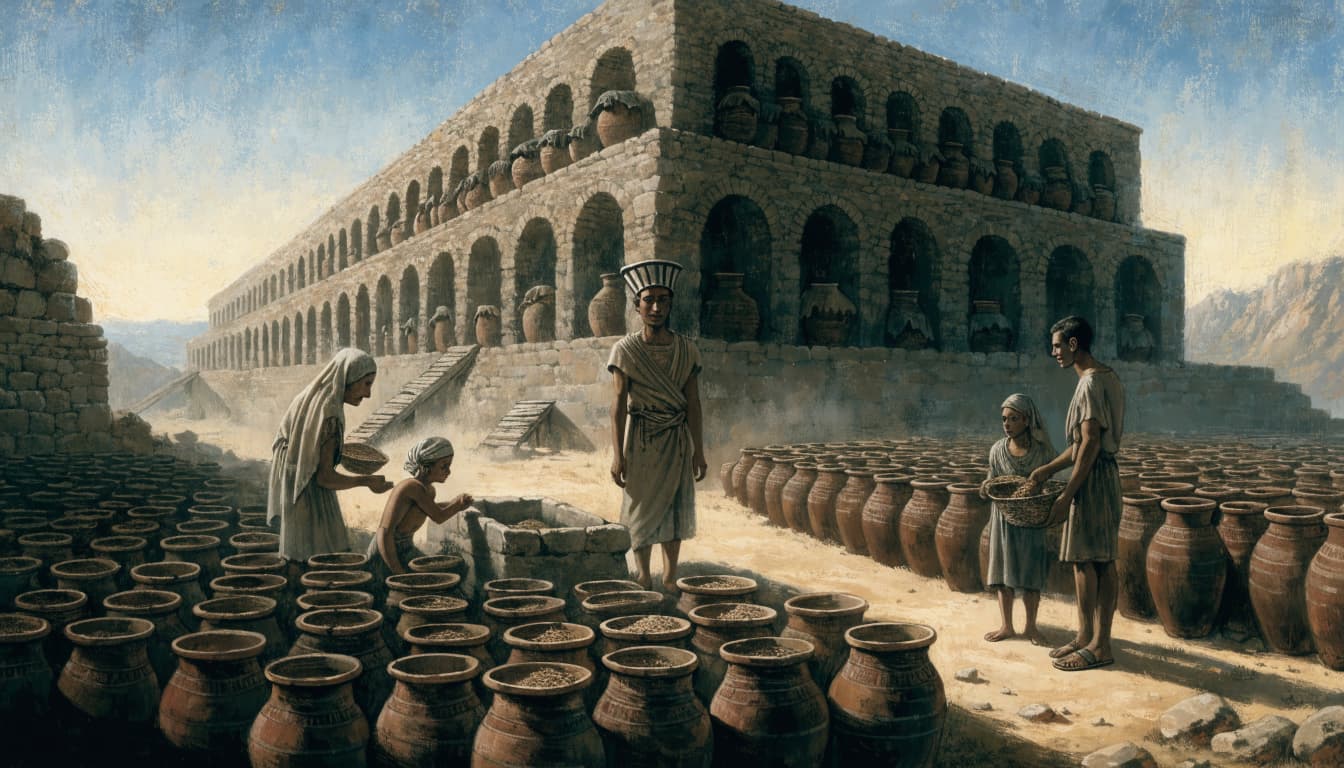
The passage gives concrete details: Joseph collected grain in the cities, stored it in great quantity, and opened the storehouses when the famine spread. Preparation mattered because the warning came before the years of scarcity, and the grain was gathered while food was still available.
We should keep the account in its own setting. Joseph acted under Pharaoh's authority after interpreting a specific dream from God. Scripture doesn't say that modern governments or aid groups can simply reproduce his circumstances. But the account does show the value of wise action when people have a chance to prepare, and the need to make provision available when hunger arrives.
Agabus's prophecy led believers to share what they had; Joseph's warning led Egypt to store food ahead of time. The details differ, but both passages keep our attention on people facing hardship. Biblical faith doesn't call us to read every famine as an identical sign. It calls us to hear what Scripture says, discern the situation before us, and care for those in need.
How Christians Can Respond to Famine Without Feeding Speculation
When famine makes the news, Christians face two responsibilities at once: to care for people who are hungry and to speak truthfully about what we know. Prayer, discernment, and practical help belong together. Fearful predictions don't feed anyone, but faithful action can.
Pray, endure, and test claims against Scripture
We can begin by praying for people facing hunger, for those displaced by conflict, and for aid workers trying to reach them. Scripture encourages prayer in hardship (James 5:13), and Jesus calls His followers to endure (Matthew 24:13). Prayer doesn't replace practical help. It keeps suffering people before us as neighbors, not headlines or symbols in a prophecy debate.
We should also be careful with claims that a particular famine proves the end has arrived. A viral post may sound certain, but certainty is not the same as Biblical evidence. Jesus warned His disciples not to be troubled by reports of wars and upheaval, and He said the end was still to come. A famine deserves a serious response, but we shouldn't label each crisis a definite end-times sign when Scripture doesn't give us that certainty.
As Pentecostal Christians, we believe the Holy Spirit still guides and speaks. That belief calls for discernment, not credulity. We can weigh impressions, predictions, and online claims against Scripture rather than letting fear decide what they mean. Paul tells believers to test things and hold fast to what is good in 1 Thessalonians 5:21–22. Careful interpretation begins with the passage in its setting, as we explain in our guide to reading prophecy in its original context.
Support trustworthy relief and speak with care
Prayer can move us to give, volunteer, and help people in our own communities. Before donating, though, we should check an organization's work, access to affected areas, and public reporting. A group may have a worthy mission, but we still need to know how it uses donations and whether it can deliver help where it is needed. Charity Navigator's guide to evaluating charities recommends looking at financial health, accountability, transparency, and results.

Our words matter, too. We can share verified information without turning people's suffering into a dramatic prophecy claim. Avoid language that blames affected communities or treats them as props in an argument. People facing famine have names, families, histories, and dignity. Speak about them with the same care we would want for our own neighbors.
We may not know how a crisis fits into every prophetic interpretation, and we don't need to pretend otherwise. We can pray, test claims, give wisely, and serve with compassion. That is a faithful response to famine, whatever the headlines say.
Endurance Is the Call, Even When the Future Is Unclear
Jesus named famine among the hardships His followers would face, but He did not tell them to panic or turn suffering into a timetable. He called them to remain faithful. That means we can take famine seriously, care for people who are hungry, and admit when we don't know what the future holds.
Endurance means faithfulness through hardship
Jesus said, "He who endures to the end shall be saved" (Matthew 24:13). His words don't ask us to ignore pain or pretend hardship is easy. They remind us that fear and uncertainty don't have to pull us away from God.
We may not know how a famine fits into every prophetic interpretation. Christians who love Scripture can disagree about parts of the Olivet Discourse, and we should speak with humility where the text doesn't give us a clear answer. As Spirit-filled believers, we trust the Holy Spirit to guide us, while testing our understanding against Scripture instead of treating every urgent prediction as certain.
Jesus' call to endurance also isn't permission to become indifferent. When people lack food, their suffering matters now. Prophecy should never turn them into symbols in an argument while their actual needs go unanswered.

Hope gives us reasons to act
Christian hope doesn't depend on knowing exactly what comes next. We trust Jesus and His promised return, and we keep serving while we wait. We can consider Jesus' return and faithful readiness without claiming that a particular famine proves the end has arrived.
What does endurance look like when the future feels uncertain? It can mean praying for families facing hunger, supporting relief efforts that can reach them, and sharing verified information without sensational claims. We can also ask God to give wisdom to aid workers, local communities, and leaders making decisions that affect access to food.
These actions won't resolve every crisis, and we shouldn't pretend they will. But they let our faith become visible in practical ways. We can remain watchful without being alarmist, and compassionate without claiming to know more than Scripture reveals.
Keep compassion at the center
When famine appears in the news, let's remember the people living through it. They are more than a headline or a sign to interpret. They are neighbors in need of food, safety, and care.
We don't know the timetable, but we do know the call Jesus gave His followers: endure in faith. So we can pray, seek the Holy Spirit's wisdom, give wisely, and respond with compassion. Whatever the future brings, we can keep our hope in Jesus and offer help to those who are hungry.
Conclusion
Jesus named famines among the severe troubles His followers would face, but He did not call them a reason to panic or predict the end. His words point us toward endurance: staying faithful, thinking clearly, and refusing to turn every crisis into a timetable.
When famine appears in the headlines, we can pray for affected communities and seek responsible ways to help. We may not know what every event means in prophecy, but we can respond with compassion and keep our hope in Jesus.
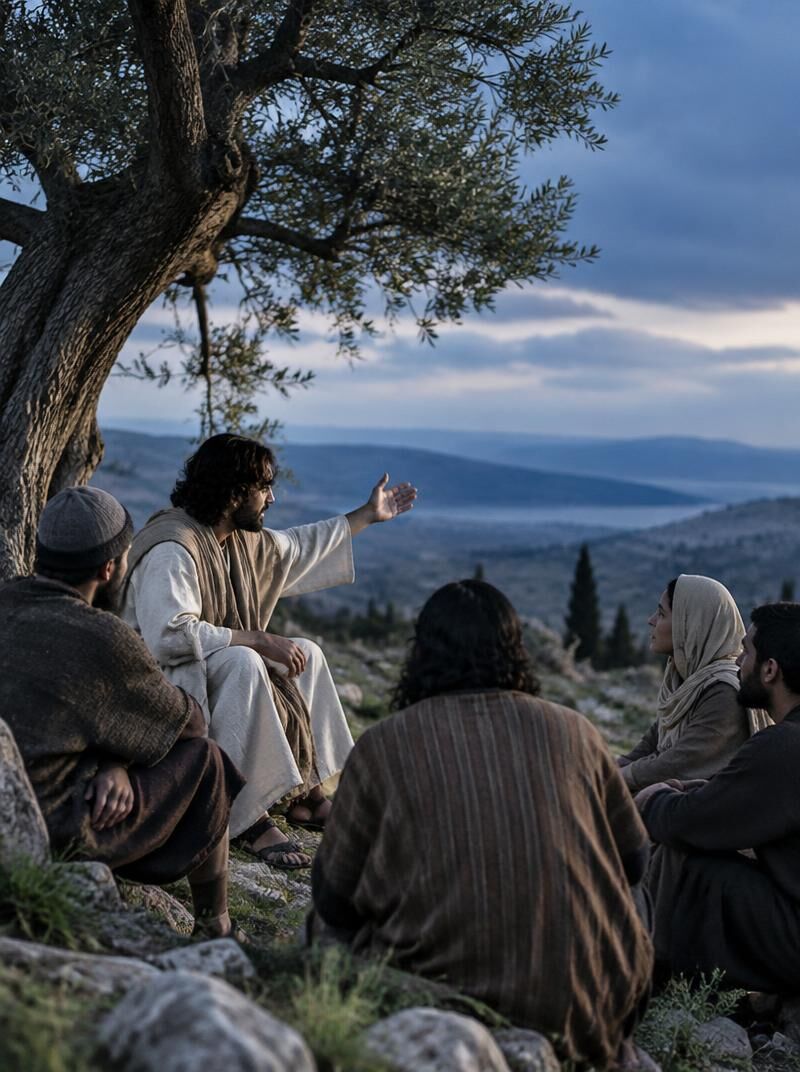
What Jesus Said About Famines and Endurance
In Matthew 24:7–13, Jesus names famines among the troubles that would mark a world in distress. He calls these events “the beginning of sorrows,” not a timetable for predicting His return. His warning prepares disciples to remain faithful as hardship, persecution, and lawlessness test their love. Against that backdrop, His promise that “the one who endures to the end will be saved” directs our attention beyond fear to perseverance in Him. Reading these words in context invites us to pray for people facing hunger, offer practical help where we can, and hold fast to Christ’s hope.
“There shall be famines, and pestilences, and earthquakes, in divers places. All these are the beginning of sorrows. … But he that shall endure unto the end, the same shall be saved.” — Matthew 24:7–8, 13 (KJV)

Jesus Christ
Speaking to His disciples about troubles to come, Jesus named famine among the signs of a suffering world and called His followers to endure. His words invite watchfulness and faith, not a claim that any single crisis settles prophecy.
Famines Across the World: Responding With Faith and Care
Across generations, drought, conflict, economic hardship, and disrupted harvests have left families in many regions without dependable food. Today’s hunger crises are real human emergencies, not merely headlines to compare with a prophetic timetable. Bible Prophecy Ministries explores what Scripture says about events past and future, always returning to Jesus as the center of its message. In that spirit, this article considers His warning about famines alongside His call to endure: we can recognize the gravity of present suffering without declaring that a particular event definitively fulfills a biblical prophecy. Our response should pair careful reading of Scripture with prayer, compassion, and practical help for neighbors in need.

How to Read, Respond, and Hold Fast
See the People Behind the Crisis
Famine affects parents, children, and communities. Let their needs move us to prayer, generosity, and practical care.
Read Prophecy With Discernment
Take Jesus’ warnings seriously while resisting confident claims that today’s events prove a specific prophetic fulfillment.
Endure in Faith
Jesus called His followers to remain steadfast through hardship, grounding endurance in trust rather than fear.
Keep Hope Centered on Jesus
Even amid worldwide hunger, Christ’s words direct our attention beyond alarming events to the hope found in Him.
When Famine Comes, Endure in Faith and Love

Jesus warned that famines would come, yet He also called His followers to remain steadfast rather than surrender to fear. As we watch communities face hunger around the world, we can pray for those in need, support trustworthy relief efforts, share what we have, and care for vulnerable neighbors. These acts of compassion do not require us to predict a prophetic timetable; they reflect the love of Christ while we wait for God’s promises to be fulfilled. Scripture calls us to endure with hope, trusting Jesus and serving others through every season of uncertainty.

Keep Exploring Prophecy Through the Lens of Jesus
Famine is one part of the Biblical picture, but Scripture’s message reaches beyond hardship to the hope found in Christ. Explore related Bible prophecy articles to consider what has happened, what is still to come, and how God’s Word continually points to Jesus.