
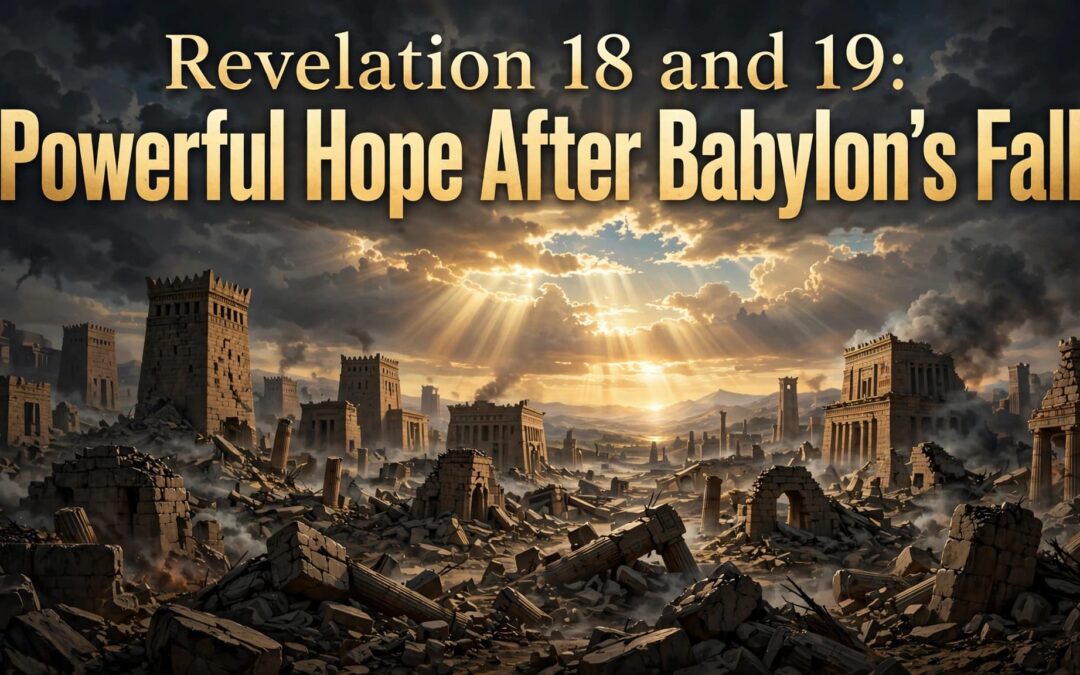
Revelation 18–19: Babylon’s Fall, Heaven’s Hallelujah, and Christ’s Victory
"Fallen, fallen is Babylon the great!" (Revelation 18:2) announces judgment, but Revelation 19 answers with Heaven's praise: "Hallelujah!" No corrupt power escapes God's just judgment, and Babylon's fall isn't the end. The Lord reigns, Christ has the victory, and His people share in His hope.
The passage moves from judgment to a joyful celebration of the Lamb and His ready bride, then reminds us that worship belongs to God alone. As we follow Revelation 19's response to Babylon's fall, we'll see why Heaven rejoices in God's justice and why His people can remain faithful through the Holy Spirit.
Why Babylon the Great Falls Under God’s Judgment
Revelation 18 does more than announce the collapse of a powerful city. It shows why Babylon deserves judgment: her corruption spreads, her wealth rests on exploitation, and her violence reaches God's people. The vision warns us not to confuse success with God's approval. Human power may look secure, but it cannot shield anyone from His judgment.
What Revelation Says About Babylon’s Corruption
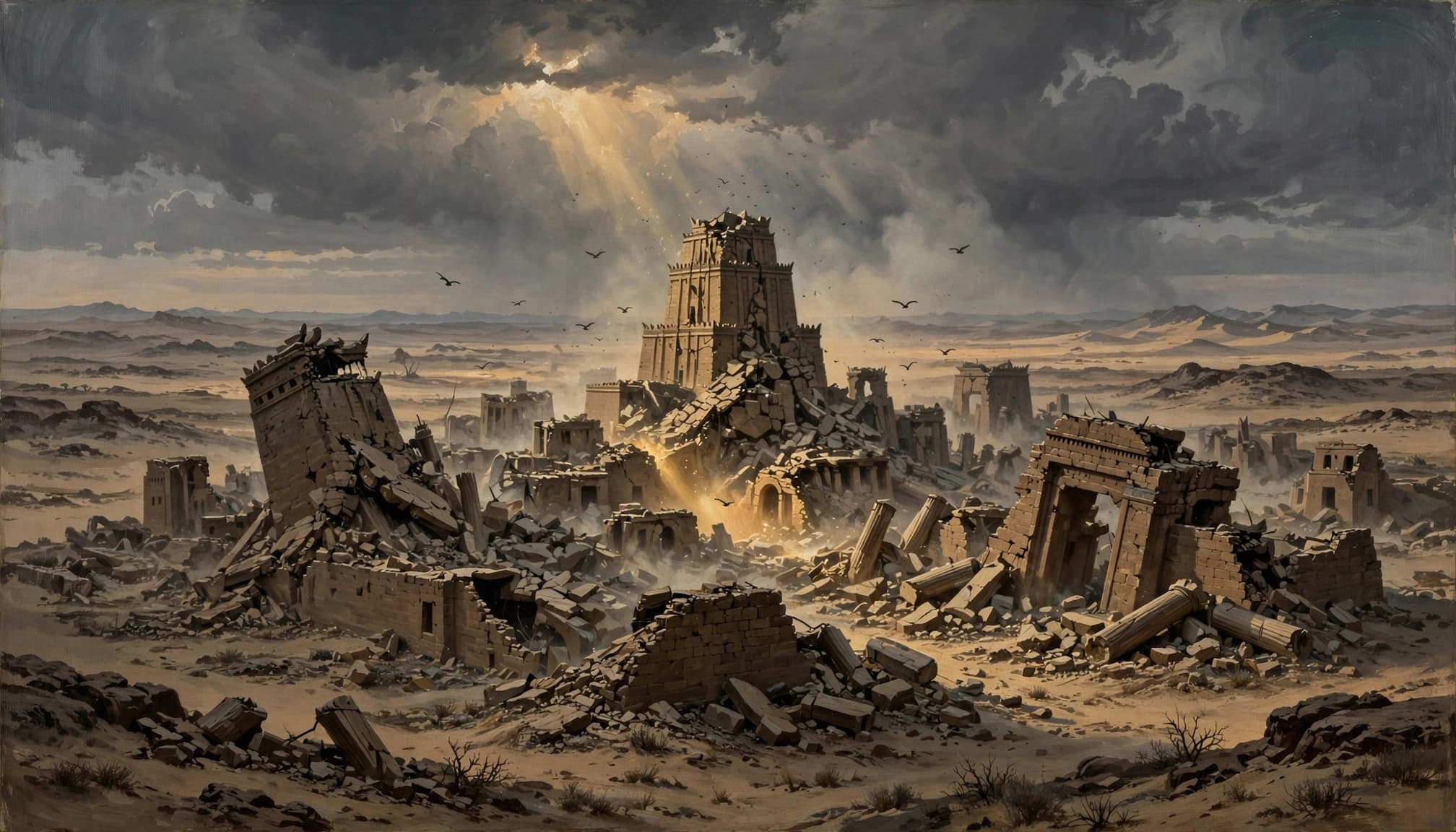
The angel cries, "Babylon the great is fallen, is fallen", then describes the city as a dwelling place for demons and unclean spirits. The language is stark. Babylon's outward splendor hides spiritual ruin, a power given over to rebellion against God.
The chapter also condemns Babylon for corrupting the nations and enriching those who profit from her excess. Its indictment reaches beyond private wrongdoing. Babylon's influence draws people into sin, while its appetite for wealth treats human lives as commodities. Later, the chapter names the blood of prophets and God's people among the charges against her. This is why Babylon's judgment is moral and divine, not simply the loss of a throne or territory.
The vision uses images familiar from the prophets, where proud cities become desolate after God's judgment. Babylon is a picture of corrupt power that opposes God and harms His people. Christians have understood the image in different ways, but the passage does not give us grounds to identify it definitively with one modern nation, city, or institution. We can take its warning seriously without turning it into speculation.
For a closer look at the image and its place in Revelation, see the corruption of Babylon the Great.
Why the Repeated Cry of “Fallen” Matters
Why repeat the word? The announcement leaves no room to treat Babylon's defeat as a passing setback. Its power may seem impressive, but God declares its end with certainty. What human rulers build, and what merchants depend on, cannot overrule His judgment.
The repetition also pulls our attention away from guessing the exact timing or political details. Revelation's emphasis is on God's authority: Babylon falls because He judges her corruption and answers the violence done to His servants. The kings and traders may mourn the loss of wealth and influence, but Heaven sees the truth behind their grief. Their sorrow cannot undo God's verdict.
That contrast matters when evil appears untouchable. Babylon's riches do not excuse her, and her reach does not make her invincible. We are reminded that no system can buy its way out of accountability before God. His judgment is not a political accident. It is His righteous answer to rebellion, exploitation, and violence.
How Revelation 19 Turns Judgment Into Hallelujah
Revelation 18 ends with Babylon's ruin and the blood of God's servants still in view. Then Heaven answers with praise. The chapter's first six verses show why God's judgment brings relief and hope, not permission for personal revenge. You can read Revelation 19:1-8.
Why Heaven Calls God’s Judgments True and Just
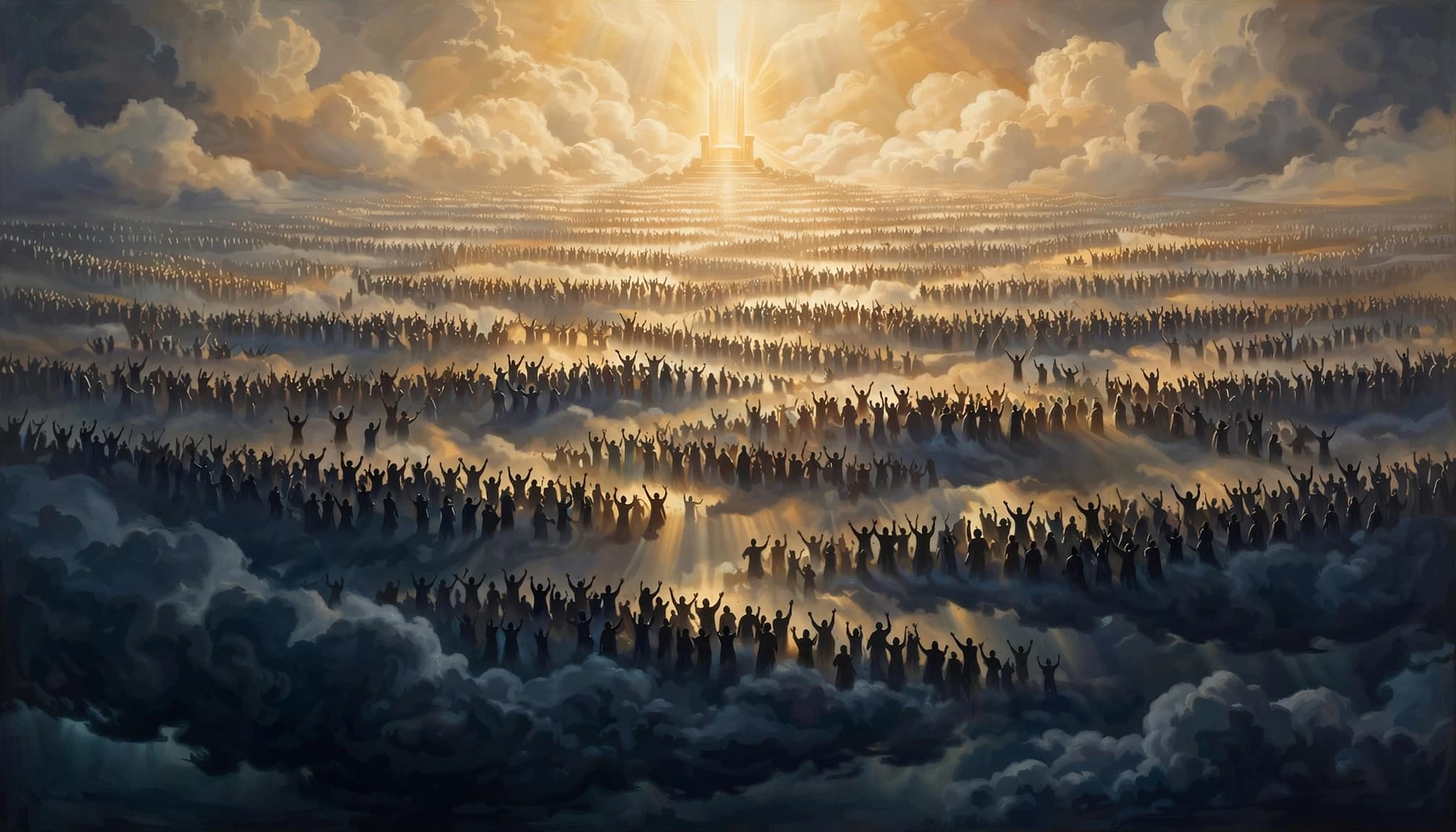
The great multitude opens with praise for God's salvation, glory, and power. Then it names the reason for its joy: God's judgments are true and just. He judged Babylon, which corrupted the earth and shed the blood of His servants. As Revelation 19:2 puts it, God has answered the evil Babylon did.
That matters. Heaven isn't celebrating cruelty or taking pleasure in human suffering. The praise is directed to God's holiness and His defense of those who suffered under corrupt power. Babylon's influence may have seemed unstoppable, but it could not hide its violence from God or escape His verdict.
We can trust God to judge rightly without claiming that role for ourselves. Personal revenge grows from anger and can become another form of harm. God's judgment is different: He sees the whole truth, and His decisions are just. That doesn't mean we have to call suffering good. It means we can grieve the harm evil causes while trusting God to hold evil accountable.
The elders and living creatures respond with "Amen. Alleluia!" Their answer joins the multitude's praise. Then a voice from the throne calls all God's servants, "small and great," to praise Him. No status or earthly power decides who belongs in that call. The response is for all who serve God.
For another look at Heaven's praise after Babylon's fall, we can follow how the chapter connects God's judgment with His care for His people.
What the Hallelujahs Reveal About God’s Reign
"Hallelujah" means "praise the Lord." In Revelation 19, that praise rises in stages. The multitude praises God for salvation and just judgment. The elders and living creatures answer. A voice calls God's servants to praise, and then the multitude responds with a sound like rushing waters and mighty thunder.
What do they declare? "The Lord God Omnipotent reigns!" The praise has moved beyond Babylon's fall. God's reign is the reason His people can look toward what comes next with hope. Evil does not have the final word, and the powers that oppose God cannot rule forever.
We should notice what the passage keeps at the center: God's saving power, His justice, and His rule. The hallelujahs don't tell believers to celebrate another person's pain. They invite us to praise the Lord because He sees His servants, judges corruption, and reigns with authority. When the world's powerful seem to have the upper hand, Revelation 19 reminds us that their power is not ultimate. The Lord God Almighty reigns, and His justice gives His people reason to hope.
What It Means That the Lord God Almighty Reigns
Babylon's fall is a decisive act of judgment, but Revelation 19:6 gives us the larger truth behind Heaven's praise: God reigns. His rule is not threatened by Babylon's apparent strength or by evil's temporary influence. The declaration turns our attention from the powers that fall to the Lord who remains King.
How Christ’s Victory Gives Believers Hope
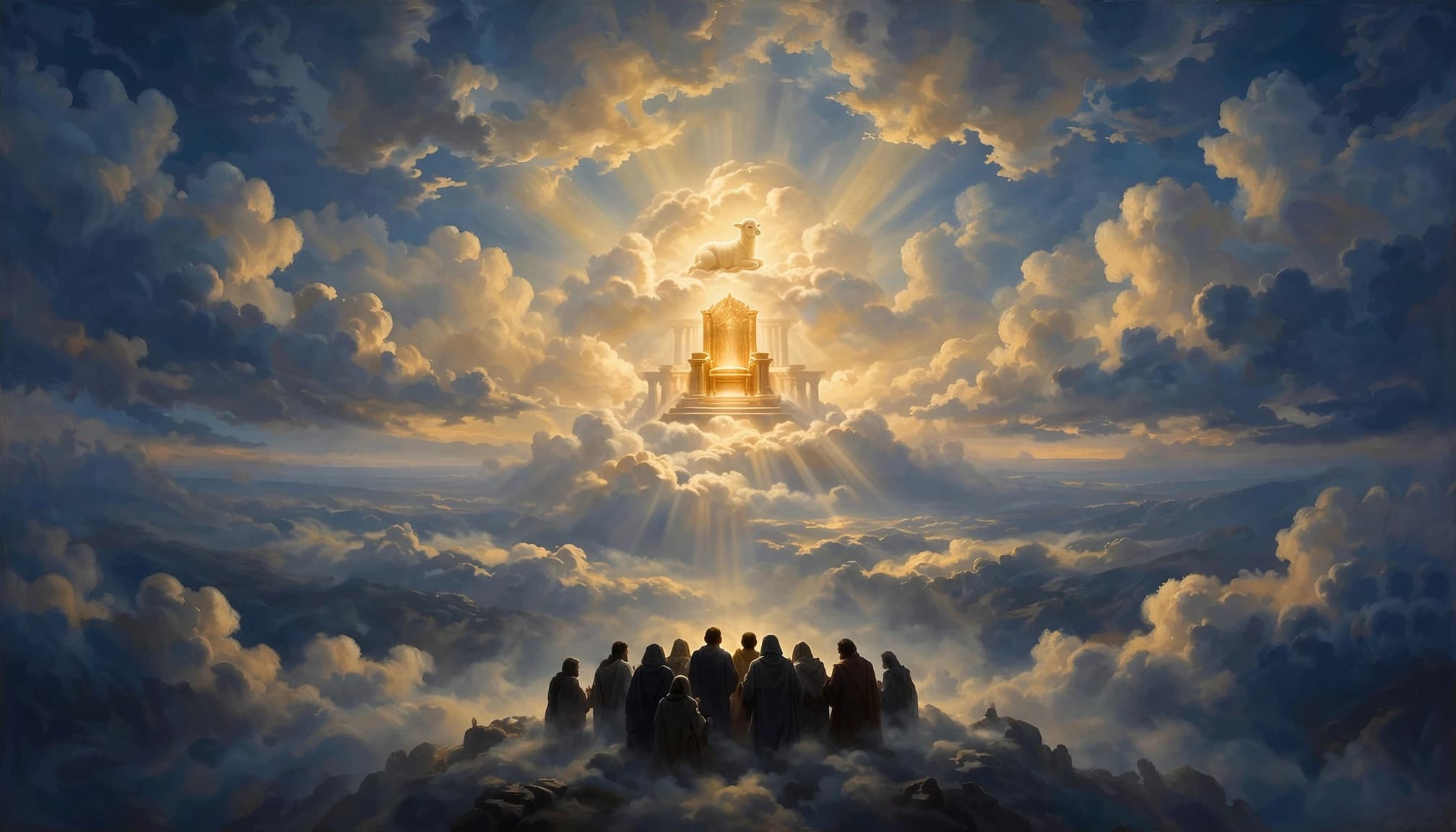
John hears the multitude proclaim, "Alleluia! For the Lord God Omnipotent reigns!" The declaration leads straight into joy over the marriage of the Lamb. God's reign and Christ's victory belong together: Jesus is the Lamb, and His people look toward the day when they will be with Him. You can read Revelation 19:6-8 and see how the praise turns toward the Lamb's wedding.
That hope doesn't mean believers will avoid hardship now. Revelation speaks to people who know what it is to suffer under evil, and it doesn't ask them to pretend pain is gone. Instead, it points beyond present injustice to God's sure judgment and Christ's final victory. As we read Revelation 19's vision of Christ's victory, we see why we can remain faithful without claiming that every wrong has already been put right.
The Kingdom belongs to God, and no corrupt power can take His place. We may not know when every part of His promise will be fulfilled, but the passage gives us a firm reason to hope: the Lord reigns, and the Lamb will bring His people into the joy God has prepared.
How the Holy Spirit Helps Us Remain Faithful
The multitude's worship also speaks to how we live while we wait. Revelation calls God's servants to praise Him, and the bride's readiness reminds us that faithfulness matters. We don't earn God's grace by our works. We respond to His grace with worship, obedience, and a life that belongs to Jesus.
From a Spirit-filled Pentecostal perspective, we trust the Holy Spirit to strengthen believers for that daily faithfulness. Jesus promised that the Spirit would teach and remind His disciples of His words (John 14:26). The Spirit helps us keep our eyes on Christ, pray when we feel weak, and continue to worship when circumstances give us little reason to celebrate.
Paul also says the Spirit helps us in our weakness (Romans 8:26). That promise doesn't mean we never struggle or grieve. It means we are not left to follow Jesus by our own strength. God gives His Spirit, and we answer His grace with trust and obedience.
So when Revelation declares that the Lord God Almighty reigns, it gives us more than a line to sing. It tells us whom we worship, whose victory we await, and how we can remain faithful as we wait for Christ.
The Lamb’s Bride Is Ready for the Marriage Supper
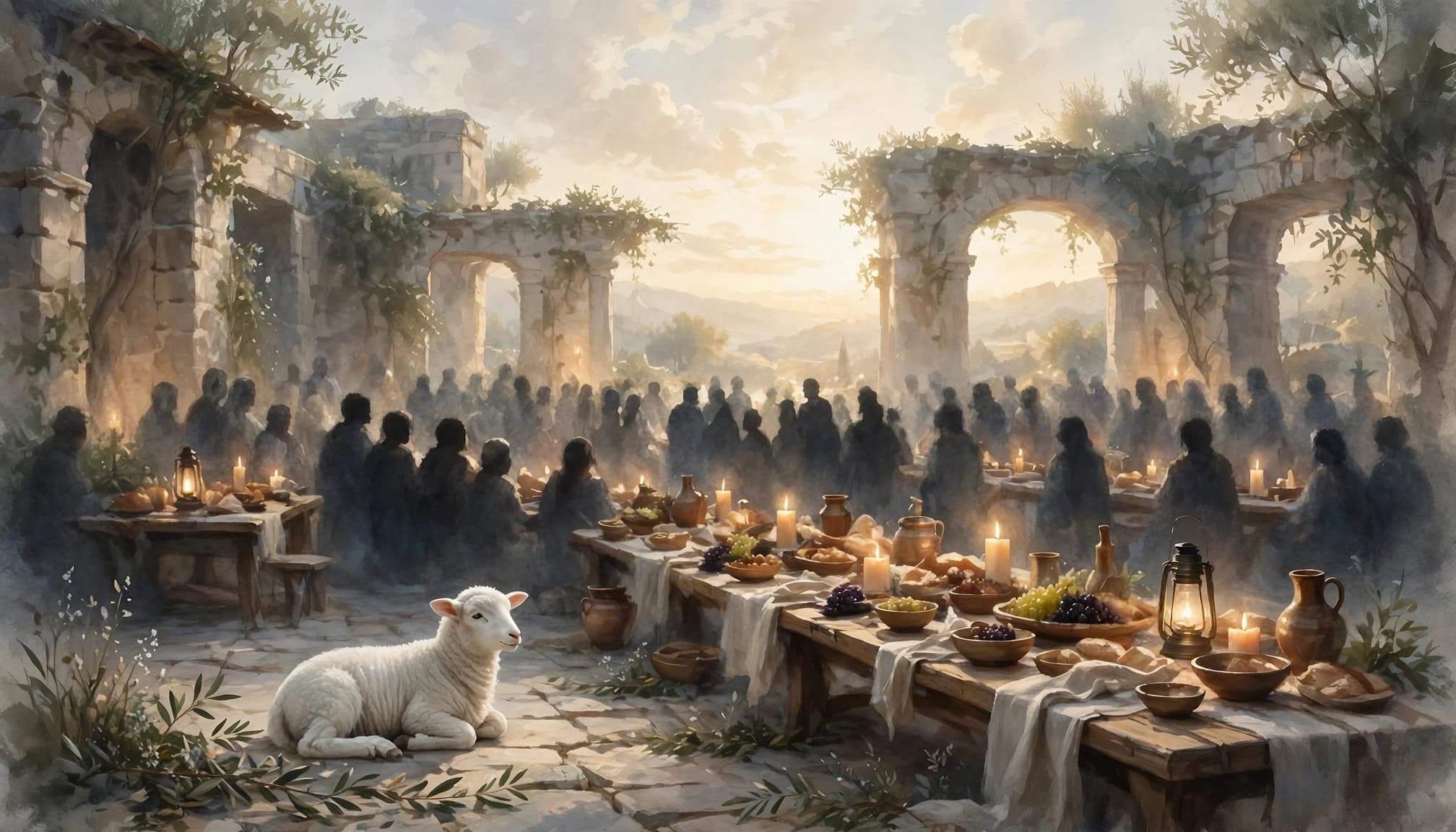
After Heaven's hallelujahs, Revelation turns to a wedding: the Lamb's marriage has come, and His bride is ready. The celebration points to the joy of Christ's union with His people. In Revelation 19:7–9, John also hears a blessing for everyone invited to the marriage supper.
Who the Bride and the Invited Guests Represent
The Lamb is Christ, and the bride represents God's redeemed people. Revelation describes her as making herself ready and wearing fine linen, but it doesn't give a name-by-name account of who belongs to her. The image is corporate: God's people together, belonging to Christ.
That matters because the passage is about more than an individual believer's hope. The bride's readiness expresses the joy and fullness of the union between Christ and His people. Revelation uses wedding imagery to help us see the closeness and celebration of that promise.
John also records the angel's words: "Blessed are those who are called to the marriage supper of the Lamb!" The invited guests are blessed because they are welcomed to share in the Lamb's celebration. The passage doesn't spell out how the bride and invited guests relate to each other in every detail.
What does the marriage supper look like? Revelation doesn't provide a literal menu, venue, or timetable. It gives us a promise of joy with Christ, not a schedule or a set of physical arrangements. We can explore the marriage supper of the Lamb in Revelation 19 while keeping the passage's focus on the Lamb and His people.
Why the Fine Linen Is Both a Gift and a Witness
John says the bride's fine linen "was granted to her," then explains that it represents "the righteous acts of the saints." The two details belong together. The linen is given, yet it also points to the faithful lives of God's people. Grace comes first; good works are its fruit.
As Spirit-filled believers, we understand obedience as the work of God's grace in us, not a way to earn salvation. The Holy Spirit helps us follow Jesus, and our faithful deeds bear witness to the grace we have received. The bride's readiness doesn't mean she saves herself. It shows a people made ready for Christ.
Christians differ on how to understand the phrase "righteous acts of the saints." Some emphasize the deeds believers do by grace. Others stress the righteousness believers receive in Christ, since no one can earn a right standing with God through works. We don't need to assign either view to an entire denomination. Revelation holds together two clear statements: the garment is granted, and the linen is associated with the saints' righteousness.
That keeps our attention where the passage places it. The bride's hope rests on what God gives, and her readiness is seen in a life shaped by His grace. The wedding image points to the day when Christ's people share His joy, while the linen reminds us that faithful living belongs to that hope.
Why John Is Told to Worship God Alone
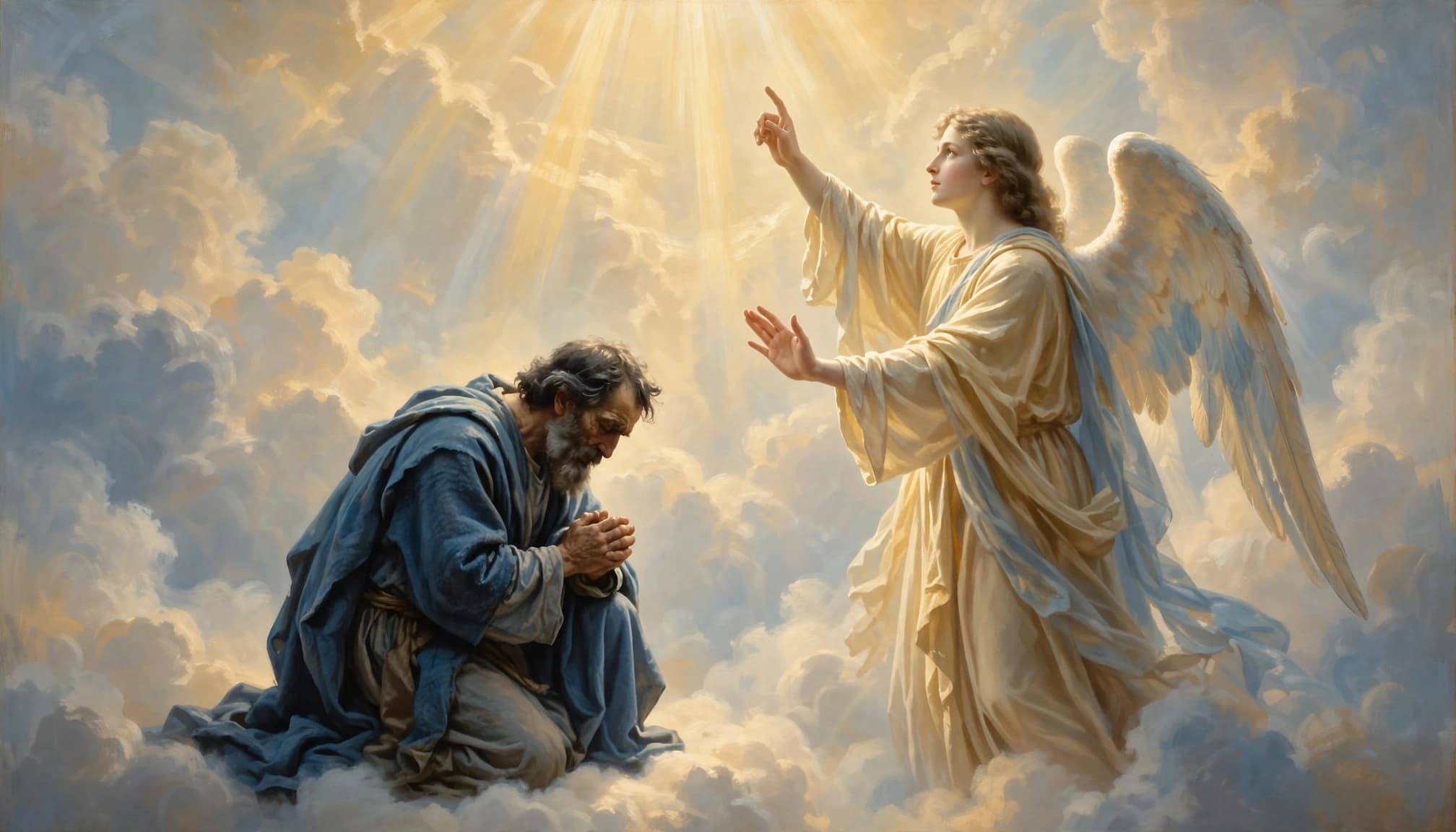
After the announcement of the Lamb's marriage supper, John falls at the angel's feet. His response is understandable: the vision is overwhelming, and the angel has delivered a message from God. But the angel stops him immediately. In Revelation 19:10, the instruction is plain: "Worship God!"
What the Angel’s Correction Teaches About Worship
The angel doesn't accept John's worship or treat it as a small mistake. He tells John not to do it, then explains that he is a fellow servant. The angel has a role in God's work, but that role doesn't make him worthy of worship. He serves God, just as John and other faithful witnesses do.
That distinction matters. We can respect God's messengers and receive the truth they bring without giving them the devotion that belongs to God alone. A messenger's authority comes from God; it doesn't make the messenger equal to God. The angel's correction keeps John's attention, and ours, on the One who deserves all praise.
The wider chapter has already directed Heaven's hallelujahs to God, whose judgments are true and just and whose reign brings hope. Now the angel makes sure that even a heavenly messenger doesn't draw worship away from Him. As we consider why the angel refuses John's worship, we see the same clear direction: honor the servant, but worship God.
How Prophecy Points to the Testimony of Jesus
The angel adds, "the testimony of Jesus is the spirit of prophecy." The phrase can be understood as testimony about Jesus, testimony given by Jesus, or both. Either way, Jesus remains at the center of prophetic witness. The message points to Him and serves God's purposes. It doesn't give the prophet or messenger a higher place than God.
We should be careful not to stretch the verse into a claim that every prophetic message has one identical subject or form. The angel is speaking in a specific moment, after identifying himself as a fellow servant. His words connect prophecy with the testimony of Jesus, while the command to worship God remains the direct point of the scene.
For Spirit-filled believers, this also reminds us that prophetic witness must honor Jesus and remain under God's authority. The Holy Spirit doesn't draw attention to a messenger as an object of devotion. He helps God's people bear faithful witness to Christ. We can explore what "the testimony of Jesus" means while keeping that order clear.
John's vision moves from Heaven's praise over Babylon's fall to the Lamb's celebration, then to a direct reminder about worship. The angel refuses the honor and points John back to God. No messenger, however glorious, takes His place.
How Revelation 18 and 19 Shape Christian Hope Today
Revelation 18 and 19 give us a clear way to live while we wait: trust God's justice, worship Him alone, and keep following Jesus. Babylon's fall warns us not to make peace with corruption. Heaven's praise and the Lamb's wedding remind us that evil does not get the final word.
What Faithfulness Looks Like While We Wait
Babylon's values can show up wherever wealth matters more than people, influence excuses wrongdoing, or a lie seems useful. Revelation calls us to resist those values in ordinary choices. We can speak truth when dishonesty would be easier, care for people others overlook, and refuse to benefit from injustice. We can also keep worshiping God when public approval or present circumstances pull our attention elsewhere.
These actions don't earn God's favor. We follow Jesus because His grace has rescued us, and the Holy Spirit strengthens us to live out that grace. That includes confessing when we fail and returning to God, not pretending we have perfect faithfulness. The bride's readiness is a gift from God, and a faithful life is its fruit.
We also don't have to carry out God's judgment ourselves. Babylon's fall reminds us that God sees corruption and judges it rightly. We can oppose harm, protect those who are vulnerable, and speak honestly without taking revenge into our own hands. Our hope rests in God's justice, not in making ourselves the final judge.
Why Babylon’s Fall Is Not the Final Word
Babylon's judgment leads into a celebration of God's reign and the Lamb's wedding. The bride's joy is bound to Christ, and the blessing of those invited to the marriage supper points to the future God has promised His people. Revelation 19:7-9 turns our attention from the power that falls to the people welcomed to rejoice with the Lamb.
That hope is more than comfort for some distant day. It changes what we value now. We don't have to admire Babylon's wealth, fear its influence, or copy its injustice to feel secure. We can worship God, serve our neighbors, and remain faithful to Jesus because His reign is sure. For a closer look at Jesus as the Faithful and True King, we can follow Revelation's focus on Christ rather than speculate about which present-day nation or institution might be Babylon.
John's vision of Christ's victory in Revelation 19:11-16 carries the promise forward: the powers of evil will not rule forever. So we wait with hope, honoring God in daily choices and trusting the Lamb who has the final victory.
Conclusion
"Fallen, fallen is Babylon the great!" (Revelation 18:2) is a declaration of God's just judgment. Revelation 19 answers that cry with "Hallelujah!" Heaven praises God because His judgments are true, and the Lord reigns.
Babylon's fall isn't the end. The Lamb's bride is made ready, clothed in fine linen that points to the saints' righteous deeds, and those who belong to Christ share in His victory. We can look to Christ's victory in Revelation 19 with hope, knowing that no earthly power can overcome His reign.
So let the movement from "Fallen, fallen" to "Hallelujah" shape how we live. Trust God to judge rightly, worship Him alone, and remain faithful as the Holy Spirit strengthens us to follow Jesus.
Revelation 18–19: Babylon Falls, Heaven Rejoices, Christ Prevails
From Babylon’s Fall to the King’s Triumph
Revelation 18 announces the collapse of Babylon, exposing the emptiness of a world built on wealth, power, and rebellion against God. While the earth mourns its loss, heaven calls God’s people to see His judgment as just.
In Revelation 19, heaven’s hallelujah rises as Christ’s victory comes into view. This article follows that dramatic movement—from Babylon’s fall to heaven’s praise and the triumph of Jesus, the faithful and true King.
Revelation 18
Babylon Falls: A Warning to the World
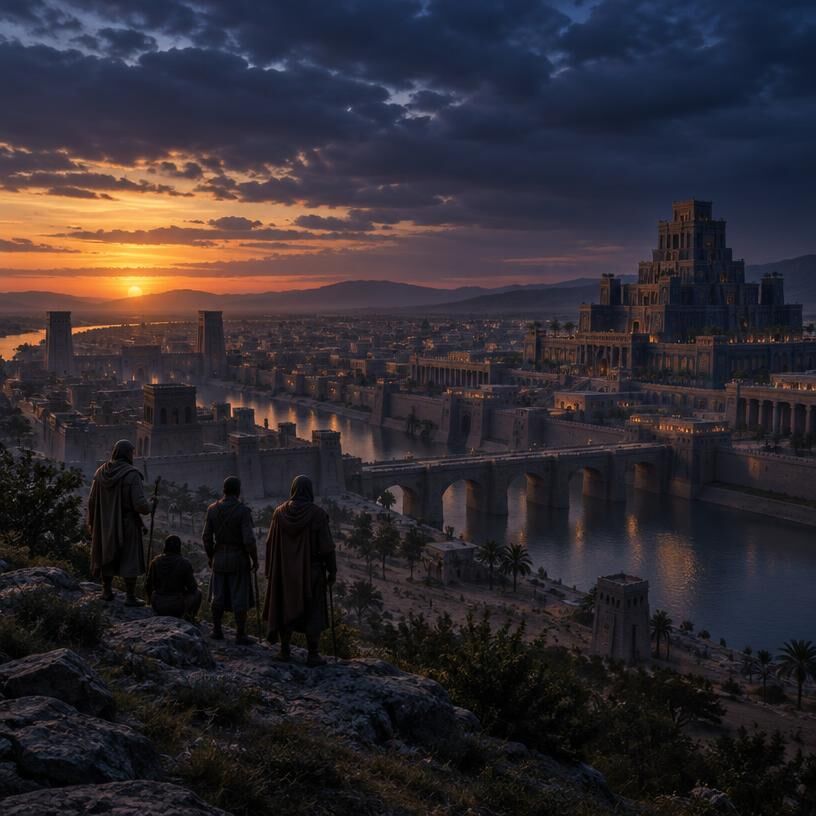
Revelation 18 announces the collapse of Babylon, a symbol of a world system intoxicated with wealth, corruption, and rebellion against God. Its merchants mourn their lost riches, but heaven declares that God’s judgment is just. The call to “come out of her” urges God’s people to resist her sins rather than share in her judgment. Babylon’s sudden fall reminds us that no earthly power can outlast the Lord’s purposes—and that prophecy calls us to faithfulness, not fascination with worldly splendor.
“Hallelujah! Salvation and glory and power belong to our God, for his judgments are true and just.” — Revelation 19:1–2

The Great Multitude in Heaven
Praising God after Babylon’s judgment
Revelation 19
The Returning King and His Triumph
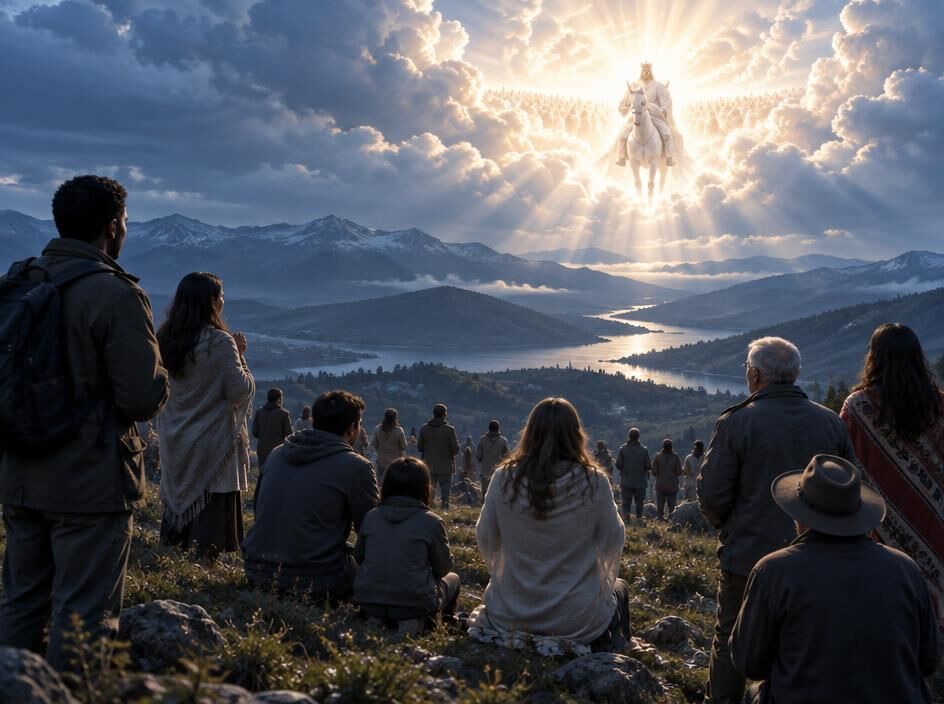
Heaven Opens
John sees a white horse and its rider, called Faithful and True. Jesus returns not as a suffering servant but as the righteous King who judges and makes war.
The Word of God
The rider bears the name “The Word of God,” connecting this vision to Jesus, through whom God has revealed himself and fulfilled his promises.
King of Kings
His title, “King of kings and Lord of lords,” declares the authority promised to the Messiah throughout Scripture: every rival power must answer to him.
A Decisive Victory
Christ defeats the beast and the kings gathered against him. Revelation’s vision brings biblical prophecy toward its promised end: evil judged and the reign of Jesus made unmistakable.
Questions About Babylon’s Fall and Christ’s Victory
Explore what Revelation 18–19 says about Babylon’s judgment, heaven’s praise, and the victorious return of Jesus.
Who or what is Babylon in Revelation 18?
Babylon symbolizes a powerful system of rebellion against God, marked by idolatry, luxury, and exploitation. Christians differ on whether it also points to a specific city or empire, but the chapter clearly portrays a world order under God’s judgment.
Why does Babylon fall?
Revelation 18 describes judgment for Babylon’s sins, including corruption, deception, and violence. Its sudden collapse shows that wealth and power cannot protect a society that defies God.
What does “Come out of her, my people” mean?
In Revelation 18:4, God calls His people to separate themselves from Babylon’s sins so they do not share in its judgment. The warning urges believers to remain faithful to Him rather than adopt the values of a corrupt world.
Why does heaven rejoice after Babylon’s fall?
Heaven’s hallelujahs in Revelation 19 celebrate God’s righteous judgment, not human suffering. Babylon’s fall means that evil will not have the last word and that God has answered the cries of His servants.
What is the marriage supper of the Lamb?
The marriage supper of the Lamb pictures the joyful union of Christ and His people. Following Babylon’s judgment, Revelation 19 turns our attention to the hope awaiting those who belong to Jesus.
How does Christ win in Revelation 19?
Jesus appears as the faithful and true rider on the white horse, judging evil and reigning as King of kings and Lord of lords. His victory rests on His authority, reminding readers that prophecy ultimately points to Him.
Keep Exploring the Prophecy That Points to Jesus
Babylon’s fall is not the end of Revelation’s story. Explore more Bible prophecy articles to see how Scripture reveals God’s purposes and directs our hope toward the victorious Christ.