
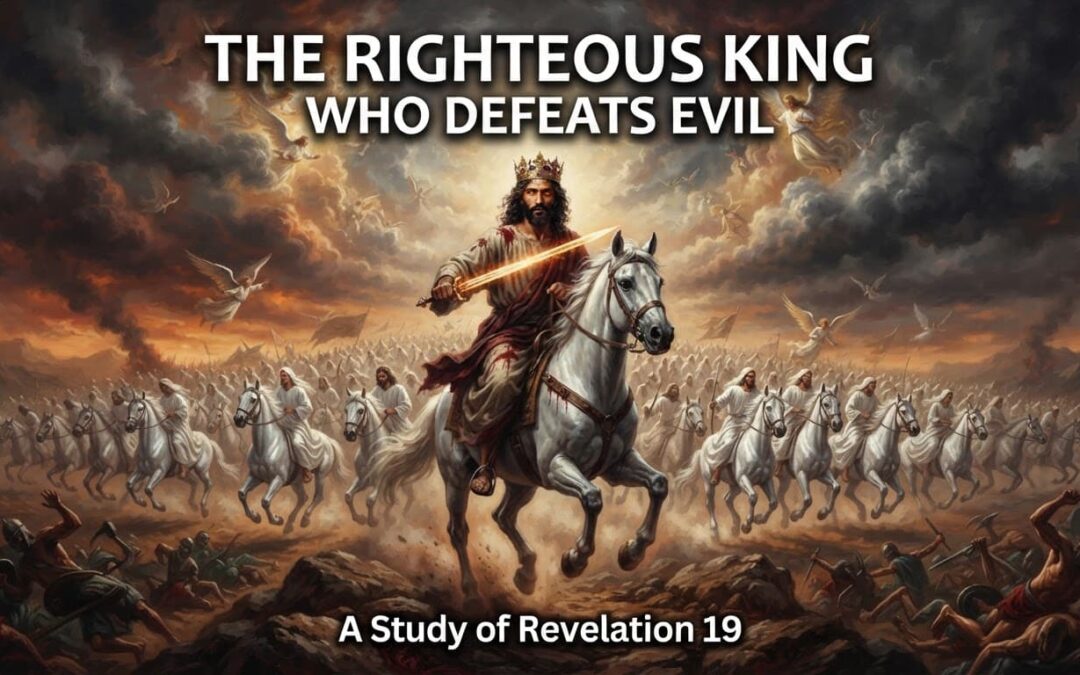
Revelation 19 Explained: Christ’s Victory as King of Kings
Heaven opens, and John sees Jesus appear as the victorious Rider, the Righteous King, while the forces gathered against Him face judgment. The scene turns on one clear truth: no earthly power can stand against Christ.
Revelation 19 moves through three striking moments: Christ arrives as "Faithful and True," confronts the beast and the kings of the earth, and declares His reign as King of kings and Lord of lords. From a Spirit-filled Pentecostal perspective, we read this vision as a call to trust God's Word and remain faithful to Jesus.
Let's look closely at how Revelation 19 unfolds, beginning with the moment heaven opens.
The Vision Unfolds in Revelation 19, and the Judgment Scene Begins
Revelation 19:11-21 follows the praise and marriage supper in verses 1-10. Heaven has celebrated God's judgment and the marriage of the Lamb; now John sees Christ appear as the righteous King, and the forces gathered against Him face judgment. You can read the full chapter in the NKJV and follow its movement in three scenes.
The Rider appears in verses 11-16
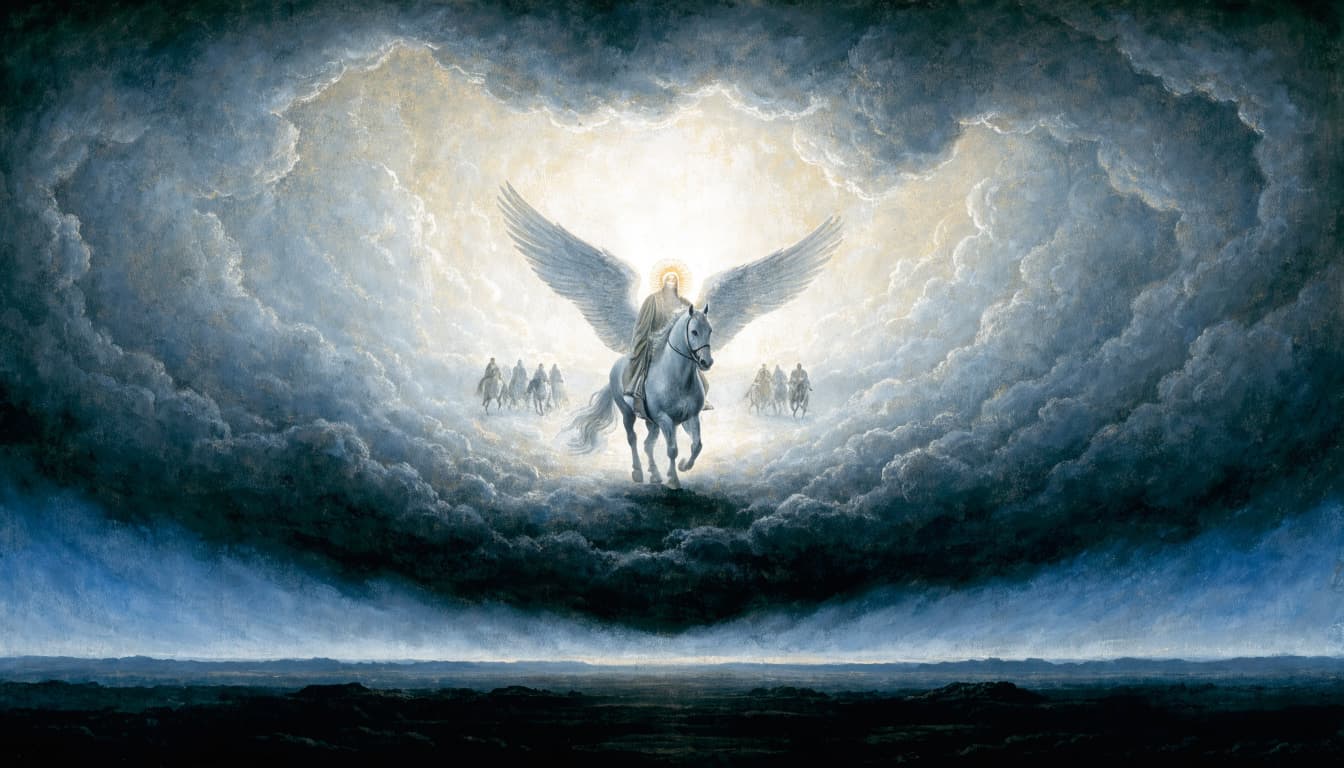
Heaven opens, and the Rider appears on a white horse. John calls Him "Faithful and True," "The Word of God," and "King of kings and Lord of lords." These titles point to Jesus, whose judgment is righteous and whose authority stands above every earthly ruler. For a closer look at Jesus as the victorious Rider in Revelation 19, notice how the passage itself identifies Him through these names.
John also describes fiery eyes, many crowns, a blood-dipped robe, and a sword coming from the Rider's mouth. The imagery is vivid, but we should distinguish what the text says from what readers infer. The passage names the robe's color and the sword's source; it doesn't explain whose blood is on the robe or identify every member of the heavenly armies. The mouth-sword conveys Christ's authority to judge, rather than an ordinary weapon in a drawn-out battle.
The angel announces God’s great supper in verses 17-18
An angel calls the birds to gather for "the great supper of God." The stark image follows the joyful marriage supper just a few verses earlier. One scene celebrates the Lamb and His people; the other announces judgment on those who oppose Him. The contrast is hard to miss.
Revelation uses apocalyptic images, a form of writing that communicates through dramatic visions and symbols. We can take the judgment seriously without claiming that every image works like a literal field report. The text directly says the angel summons the birds and names those whose flesh they are to consume. Details beyond that call for careful interpretation, not certainty where Scripture is silent.
The beast and its forces are defeated in verses 19-21
The beast, the kings of the earth, and their armies gather against the Rider. The beast and false prophet are captured and thrown into the lake of fire; the remaining forces are killed by the Rider's word. John describes the defeat as swift and decisive. The armies assemble, but they cannot overturn Christ's authority.
Keep this scene distinct from Revelation 20. Here, the beast and false prophet meet judgment. The next chapter describes Satan's later release, the gathering of Gog and Magog, and their defeat. We shouldn't blend these events into one battle. Revelation 19 leaves us with the central truth: no gathered earthly power can overcome Jesus, the King of kings.
Heaven Opens, and Christ Appears as Faithful and True
Revelation 19:11-16 shifts the vision from heaven's praise to Christ's arrival as the victorious King. The opened heaven and the white horse announce a royal figure, but John doesn't explain every symbol in the scene. We can hold to what the passage says without turning each detail into a certainty.
What the white horse and the Rider’s titles show
John sees heaven opened and a white horse appear. The image presents a victorious royal figure, though the verse itself doesn't define the horse's color or explain every part of the vision. The Rider is called "Faithful and True," and John says He judges and makes war in righteousness. In plain language, Christ is trustworthy, and His judgments are just.
The other titles build that picture of authority. John calls Him "The Word of God," then names Him "King of kings and Lord of lords." Christians identify the Rider as Christ through these titles and His place in the vision. He is not one ruler among many. His authority surpasses every earthly power. You can read the full chapter of Revelation 19 and follow how the scene unfolds.
John also describes fiery eyes, many crowns, a blood-dipped robe, and a sword coming from the Rider's mouth. These images are vivid, but the passage doesn't explain every detail. It doesn't tell us whose blood is on the robe, for example, so we shouldn't state one interpretation as fact. The sword comes from His mouth, which keeps the image tied to the Rider's word and authority. For more on this title, see Jesus Christ, Faithful and True. A commentary on Revelation 19:11 also focuses on the Rider's appearance and just judgment.
Why the armies of heaven follow Him
John says the armies of heaven follow the Rider on white horses, dressed in clean white linen. The passage names them as the armies of heaven, but it doesn't settle whether they are angels, saints, or both. We don't need to force an answer the text doesn't give.
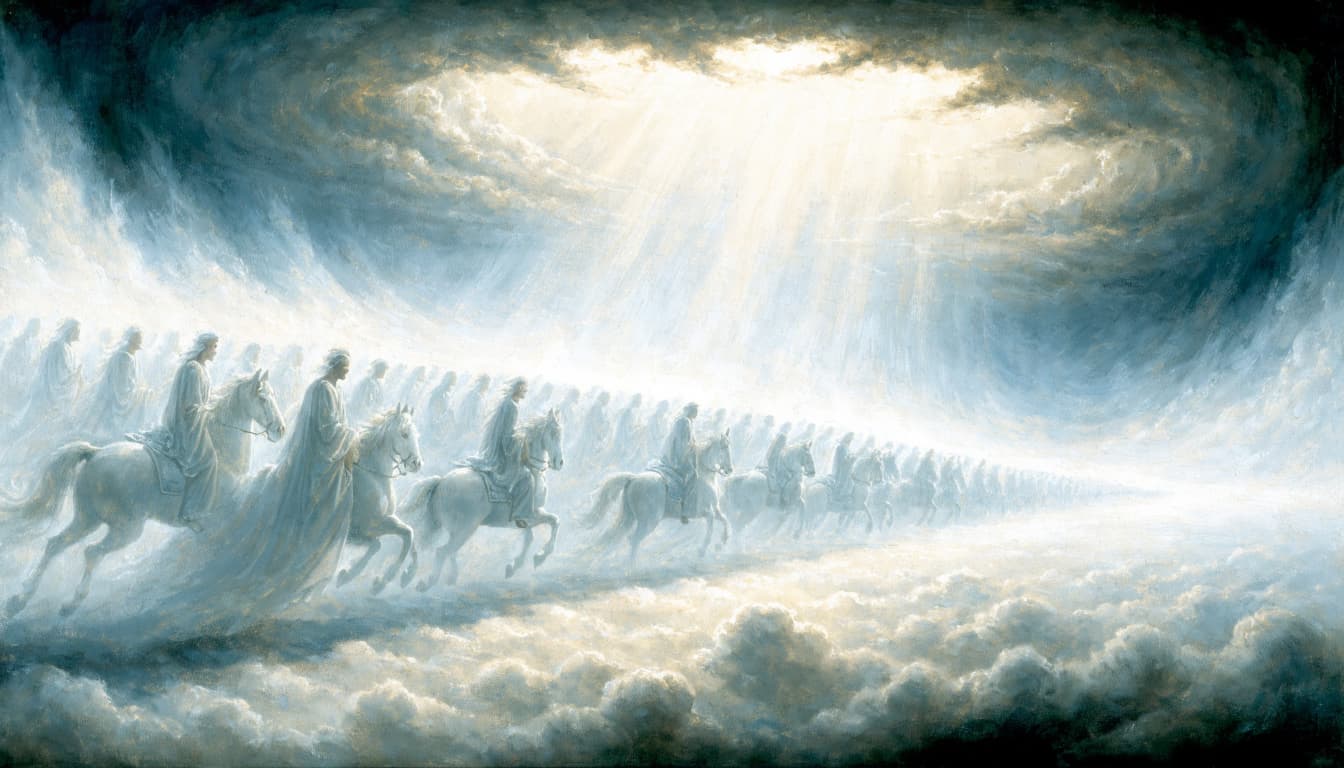
What the vision does make clear is their place: they follow Christ. They aren't presented as an independent force or as the source of victory. The Rider leads, and His authority brings the decisive outcome. That distinction matters when we read the scene. The focus stays on Christ, not on identifying every member of the heavenly host. We can explore the armies that follow Christ while keeping our attention on the central point: heaven's forces follow their King.
The King Confronts Evil as Earthly Powers Gather Against Him
The vision now turns to the forces gathered against the Rider. John sees the beast, the kings of the earth, and their armies prepare for war. The contrast is stark: earthly rulers bring their combined strength, but Christ's authority does not depend on numbers or weapons.
The beast and the kings gather against the Rider
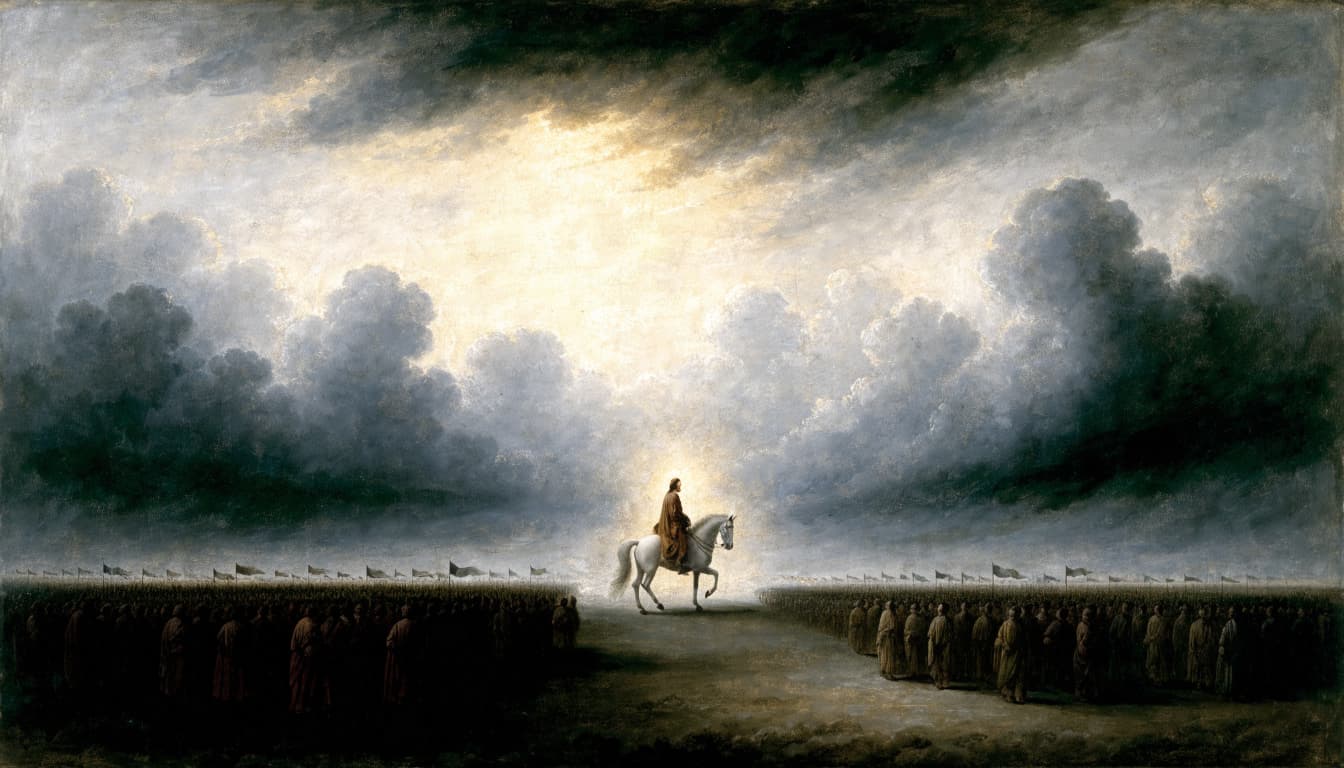
In Revelation 19:19-21, John sees the beast, the kings of the earth, and their armies gathered to make war against the Rider and His army. The passage presents a united opposition to Christ, with rulers and their forces aligned against Him. Yet it gives no account of a prolonged campaign or a battle between evenly matched sides.
That detail matters. The armies gather, but their size does not make them a true match for the Rider. John has already called Him "King of kings and Lord of lords." The gathered rulers may wield earthly power, but Christ's authority is greater than theirs. We can read Jesus as King of Kings in Revelation 19 and keep that contrast in view: many kings stand together, yet they cannot overcome the King.
The sword from His mouth shows His authority
John describes a sharp sword coming from the Rider's mouth. It's a striking image, and the passage itself tells us how to understand its force: the Rider strikes the nations with it, and the remaining forces are killed by it. The sword comes from His mouth, not His hand. The picture ties judgment to His word.
In everyday terms, Christ speaks with authority, and His word accomplishes what He declares. The vision doesn't describe Him fighting with an ordinary weapon or trading blows with an opposing army. His judgment is decisive. The battle ends by His authority, not through a contest of military strength.
This image also keeps our attention on the Rider Himself. The heavenly armies follow Him, but John does not present them as the source of victory. Christ leads; His word carries out the judgment. We don't need to add battlefield details that Scripture doesn't give.
The beast’s defeat is swift and final
The beast and the false prophet are captured and thrown into the lake of fire. John then says the rest are killed by the Rider's sword, and the birds consume their flesh. The passage moves directly from the armies' gathering to their defeat. It does not describe a long struggle or give the earthly forces a moment of success against Christ.
That sequence is sobering, but it also makes the vision clear. Evil can gather rulers, armies, and influence around itself, yet none of that overturns the authority of Jesus. In this scene, the earthly powers assemble for war, and Christ's judgment brings their opposition to an end.
The Great Supper Shows the Cost of Defying God
After the joyful celebration of the Lamb's marriage supper, Revelation turns to a far more sobering feast. In Revelation 19, an angel calls the birds to gather and consume the defeated. The image is severe, and we should let it speak plainly without adding details John never gives.
The angel calls the birds to a feast of judgment
John sees an angel standing in the sun, calling loudly to the birds flying overhead: "Come and gather together for the supper of the great God." The invitation names kings, captains, mighty men, horses and riders, and people of every rank, "both free and slave, both small and great." This is no private defeat of one ruler. The vision places the whole range of earthly power and status under God's judgment.
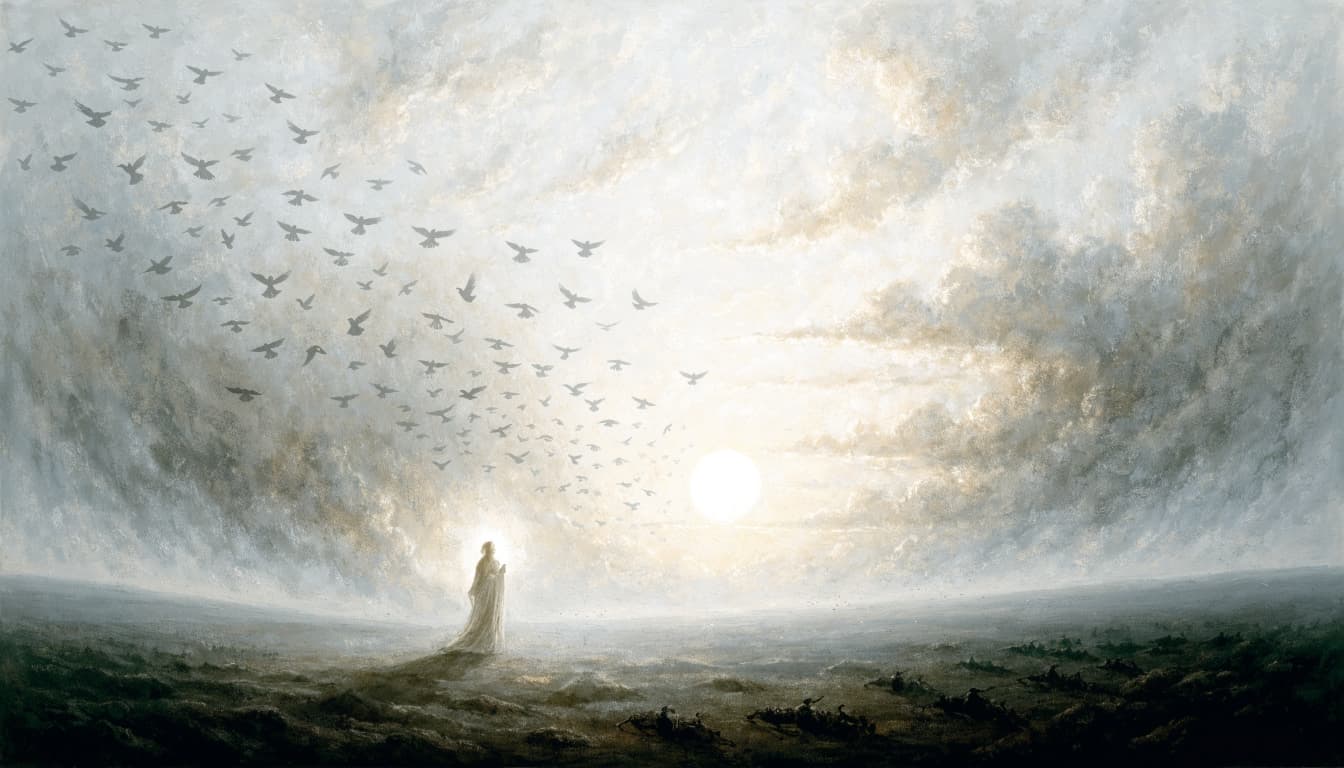
The birds' feast is a stark image of what follows the gathered forces' opposition to Christ. It is disturbing by design. We don't need to make it more graphic, or guess at details the passage leaves unstated, to recognize its warning: earthly rank and military strength cannot shield anyone from God's judgment. The birds' feast of judgment shows the outcome John's vision announces.
Two suppers, two very different outcomes
Just a few verses earlier, heaven rejoices over the marriage supper of the Lamb. Those invited celebrate their belonging to Christ; then the angel's call to the birds brings the vision sharply back to judgment. The same chapter places joy and warning side by side. We can read Revelation's two great feasts with that contrast in view.
The difference matters. The marriage supper is a celebration of the Lamb and His people, while the great supper of God depicts the defeat of those gathered against Him. These scenes aren't interchangeable, and the second isn't presented as another celebration. One announces fellowship with Christ; the other confronts the cost of rejecting God's authority.
That contrast keeps us from treating judgment as an abstract idea. Revelation 19 shows a real consequence for defying God, but it does not invite us to speculate beyond what John saw. The birds are summoned, the people and ranks are named, and the vision makes its warning clear.
The Beast and False Prophet Are Defeated by Christ
The final scene of Revelation 19 moves quickly. The beast, the false prophet, and the kings of the earth gather against Christ, but their combined power cannot resist Him. John describes a decisive judgment, not a prolonged battle.
The false prophet deceives people into worshiping the beast
John identifies the false prophet by what he does. He performs signs on behalf of the beast and uses them to deceive people who accept the beast's mark and worship its image. The signs draw attention, but they lead people away from God and toward the beast's authority.
That detail matters. The false prophet's influence depends on deception, and his signs serve the beast's demand for worship. We should not assume that a sign or display of spiritual power proves that its source is God. In a Spirit-filled Pentecostal understanding, spiritual gifts and signs must remain submitted to Scripture and point people to Jesus, not to a rival object of devotion.
The passage doesn't pause to describe each sign or explain how every person is deceived. It does show the outcome: the false prophet helps direct people toward the beast's worship. Revelation 19 makes that connection explicit in the full chapter.
Christ judges the gathered forces
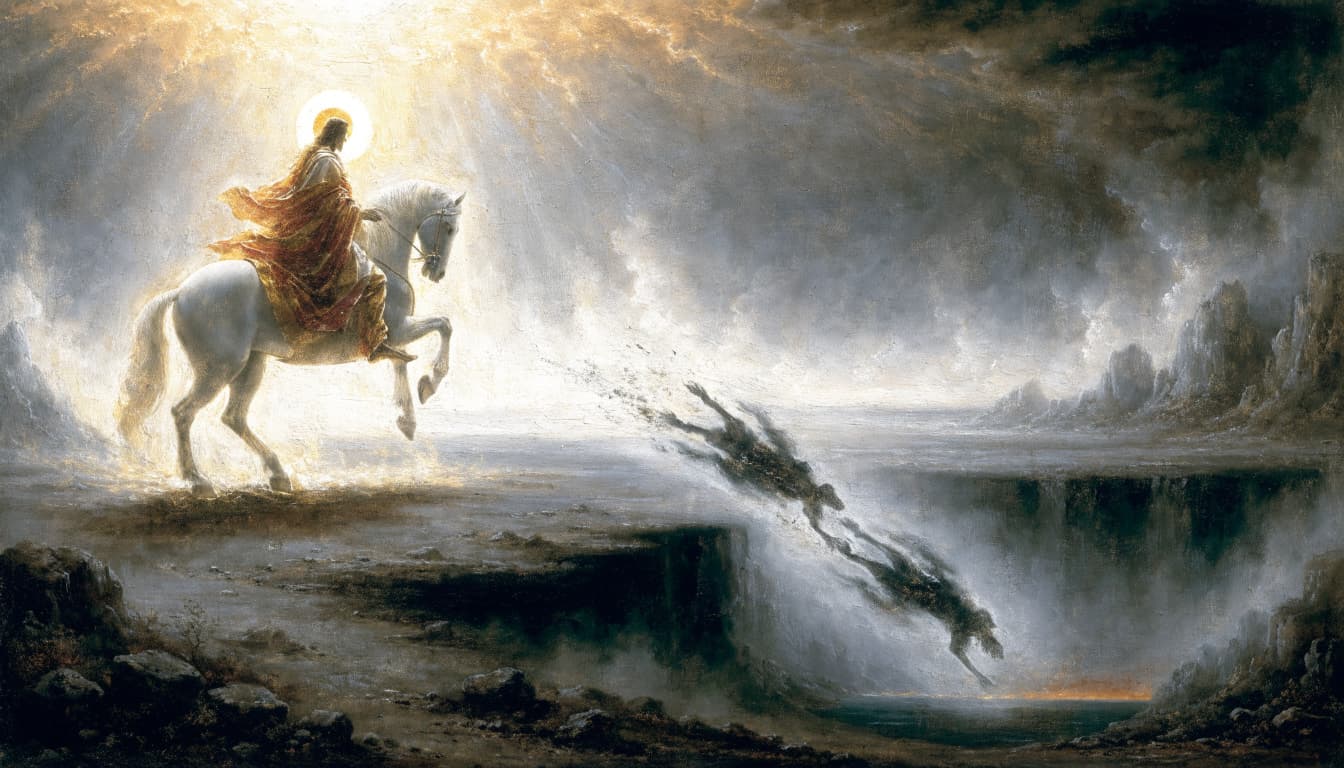
The beast and the false prophet are captured and thrown alive into the lake of fire. John then says the rest of the gathered forces are killed by the sword that comes from the Rider's mouth. The image returns us to Christ's authority: His word brings judgment, and no earthly army can overturn His decree.
The order is clear. The beast and false prophet receive their judgment; the kings and armies who gathered against Christ are defeated. John gives no account of a drawn-out contest between equal opponents. The gathering ends when Christ acts.
We should also keep this scene distinct from what follows. Revelation 20 describes Satan being bound, later released, and finally defeated after another gathering against God's people. The beast and false prophet's judgment in Revelation 19 is not the same event as Satan's later judgment. The chapters present these scenes in sequence, and we shouldn't collapse them into one battle.
For us, the warning reaches beyond the image of armies on a plain. Deception can lead people to give their loyalty and worship to powers that oppose God. Yet Revelation 19 gives the last word to Christ: the beast's influence ends, the false prophet's deception ends, and the Rider remains King of kings and Lord of lords.
King of Kings and Lord of Lords Declares His Reign
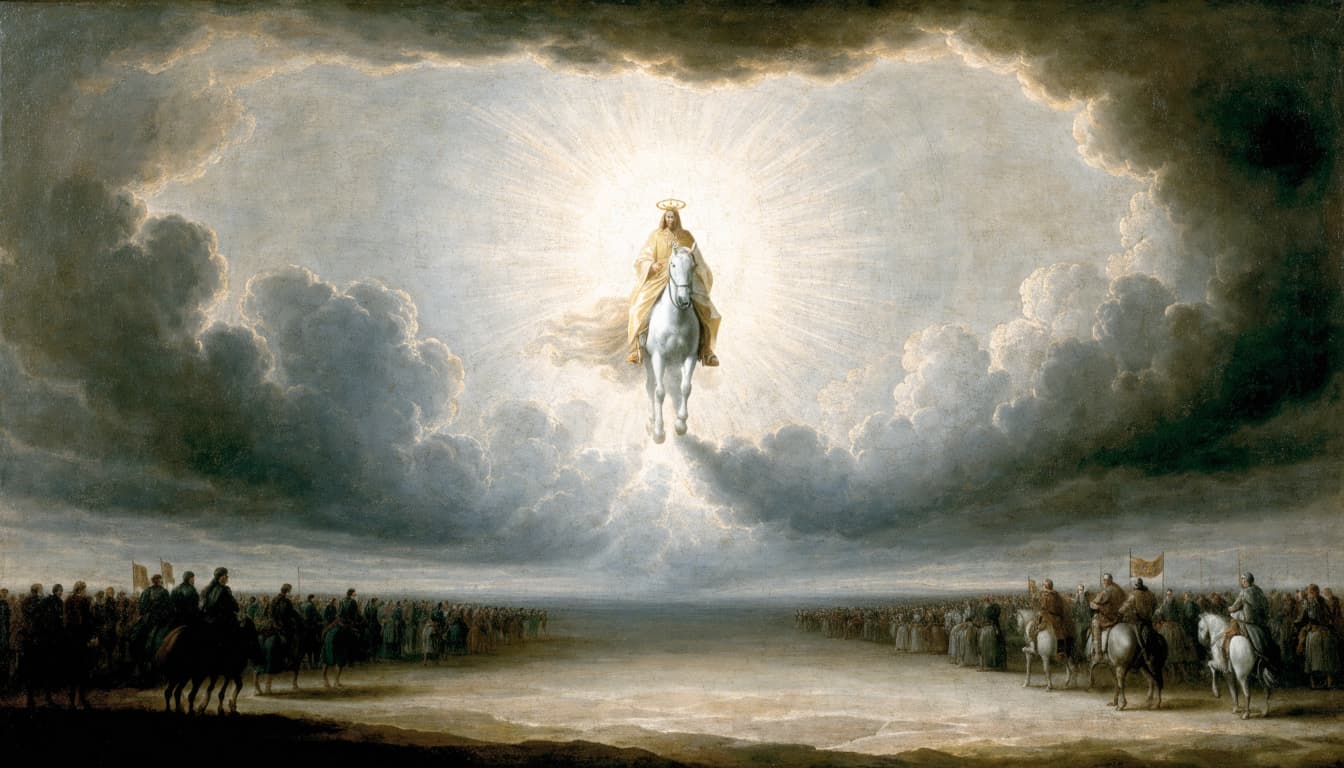
The title on Christ's robe and thigh is the high point of the vision. The beast, the kings of the earth, and their armies gather against Him, but their combined power cannot change who rules. John gives the reader the answer before the conflict reaches its end: Jesus is King of kings and Lord of lords.
Christ’s title stands above every earthly ruler
In Revelation 19:16, John records the title plainly. The gathered kings may command armies and claim authority, but none can rival Christ. The beast's influence ends, while Jesus' authority remains. That contrast is the heart of the scene.
The title doesn't mean Jesus is one ruler in a lineup of powerful leaders. He is Lord over them all. In Revelation 19:11-16, the Rider judges in righteousness, and the sword from His mouth shows that His word carries authority. We don't need to add details about a long battle to understand the outcome. Christ reigns, and the powers gathered against Him fall.
Christ’s reign gives believers hope
What does this mean when earthly powers seem loud, persuasive, or even frightening? Our hope doesn't rest on the strength of human rulers or on our ability to control events. It rests on Jesus, whose authority is greater than every force that opposes Him. Revelation 19 doesn't promise that believers will avoid hardship. It does show that evil won't have the final word.
That hope also helps us read the vision without turning it into a calendar. John names Christ's victory, but this passage doesn't give a date for His return or invite us to predict one. We can hold confidently to the promise of His reign without claiming details Scripture doesn't provide. For another look at Jesus as King of kings, keep the focus on His authority and the hope it gives His people.
God’s justice calls us to faithful witness
The scene is sobering because God's judgment is real. The beast and false prophet face judgment, and the earthly forces gathered against Christ are defeated. God's justice isn't a human power play or a license for His people to seek revenge. The vision places judgment in Christ's hands, and His judgments are righteous.
So how do we live while we await the full display of His reign? As Spirit-filled believers, we trust the Holy Spirit to empower our witness to Jesus. Acts 1:8 connects the Spirit's power with being Christ's witnesses, not with gaining status or control. Our calling is to speak truth, live faithfully, and refuse to give our worship to anything that takes God's place.
The beast gathers rulers to oppose Christ. The church bears witness to Christ. Those are very different loyalties, and Revelation makes clear which King will prevail. We can remain faithful without fear, because the title on the Rider's robe is not an empty claim. Jesus is King of kings and Lord of lords, and His reign is certain.
Conclusion
Revelation 19 moves from heaven opening to Christ's confrontation with evil, then to the defeat of the beast and false prophet. The armies of heaven follow Him, but the victory belongs to the Rider called "Faithful and True."
For us, the passage's hope rests in this: earthly powers cannot overcome Jesus. He is King of kings and Lord of lords, and we can trust His authority when evil seems to gather strength. Learn more about why Jesus is called Faithful and True.
The Return of the King
Revelation 19 Explained: Christ’s Victory as King of Kings
From Heaven’s joyful praise to the rider on the white horse, discover how Revelation 19 reveals Jesus’ righteous judgment and final triumph over evil.

Heaven Rejoices as Christ Triumphs
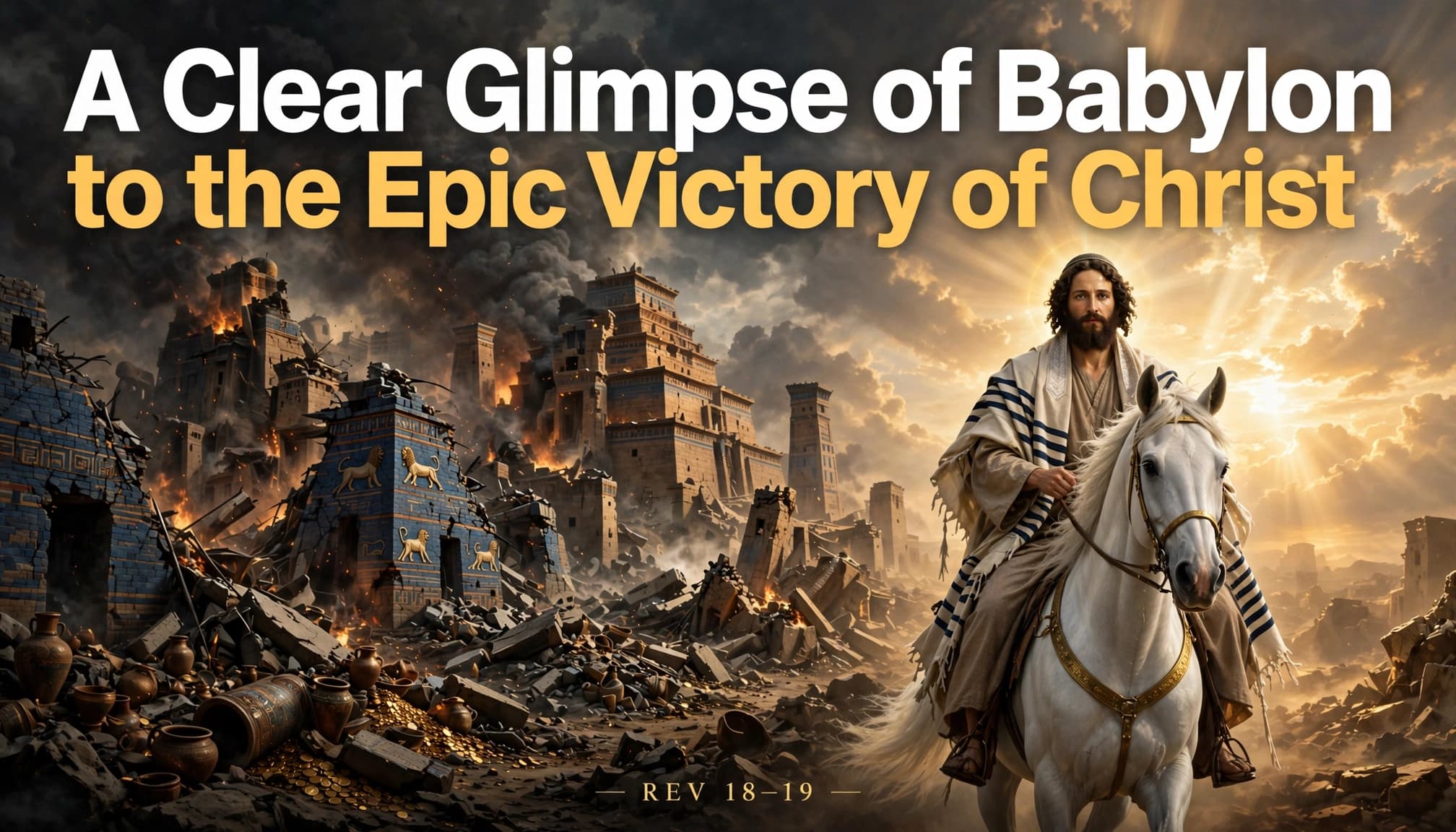
Revelation 19 follows the fall of Babylon in Revelation 18. Heaven answers that judgment with cries of “Hallelujah,” praising God because His judgments are true and just. The chapter then announces the marriage supper of the Lamb, a picture of the joy awaiting those who belong to Christ.
The vision turns to a rider on a white horse: Jesus, called Faithful and True and the Word of God. He comes to judge and make war in righteousness, bearing the name King of Kings and Lord of Lords. The beast and false prophet are defeated, showing that evil does not have the final word.
At Bible Prophecy Ministries, our mission is to help readers understand what Scripture says has happened and what is yet to come—and to see how every part of prophecy points to Jesus.
The Lamb’s Wedding Feast
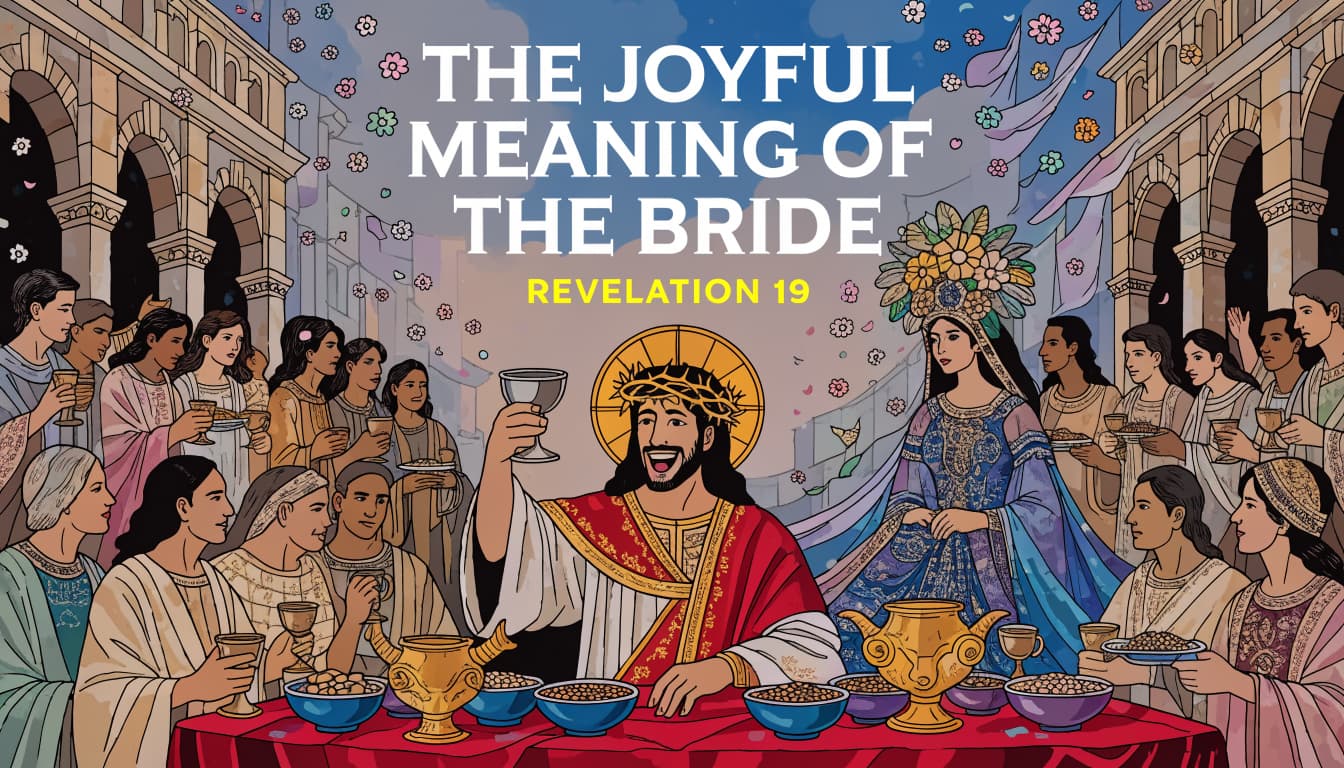
Heaven Rejoices
The Bride Is Ready
Christ’s People Gather
An Invitation to the Feast
The Lamb Is Honored
Fine Linen Given
Righteous Deeds Displayed
Grace Prepares the Bride
A Promise Fulfilled
Worship Belongs to God
The Bridegroom Arrives
The Faithful Celebrate
A Blessed Invitation
Union With Christ
Joy Before the King
The White Horse and Its Crowned Rider
In Revelation 19, John sees heaven opened and a rider on a white horse. The horse signals a victorious arrival, while the rider is called Faithful and True: Jesus comes to judge and make war in righteousness, not to conquer through deception or injustice. His many crowns proclaim an authority greater than that of every earthly ruler. The vision centers on Christ’s decisive victory and calls readers to place their hope in the One whose reign cannot be overturned.
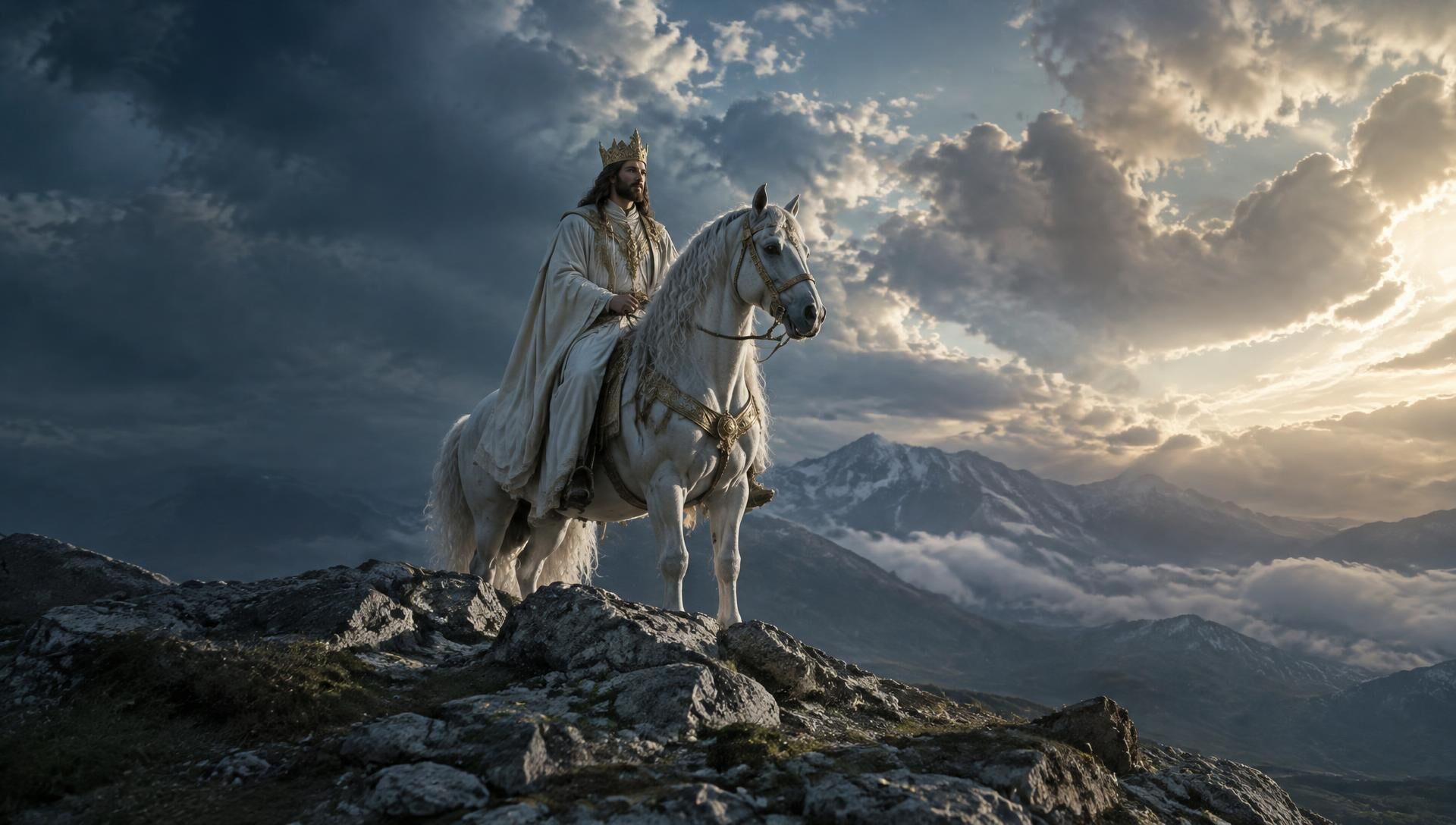
“And he hath on his vesture and on his thigh a name written, KING OF KINGS, AND LORD OF LORDS.” — Revelation 19:16 (KJV)
Revelation 19:16
Revelation 19: From Heaven’s Praise to Christ’s Victory
1
1. Hear Heaven Praise God
2
2. Behold the Rider on the White Horse
3
3. Witness the Defeat of Evil
Revelation 19: Common Questions Answered
Explore the chapter’s key images and see how they reveal Jesus’ authority, justice, and victory.
Who is the rider on the white horse?
The rider is Jesus Christ. Revelation calls Him Faithful and True, the Word of God, and King of Kings and Lord of Lords (Revelation 19:11–16).
Who are the armies of heaven?
Revelation 19:14 describes them following Christ on white horses, dressed in fine linen. Many readers understand them to include His redeemed people; the passage’s focus remains on Christ, who wins the victory.
What happens to the beast and the false prophet?
Both are captured and thrown alive into the lake of fire (Revelation 19:20). Their defeat shows that their opposition to Christ cannot endure.
What is the prophetic meaning of Revelation 19?
The chapter moves from heaven’s praise and the marriage supper of the Lamb to Christ’s appearing in judgment. It proclaims that Jesus will reign and bring evil’s rebellion to an end.