
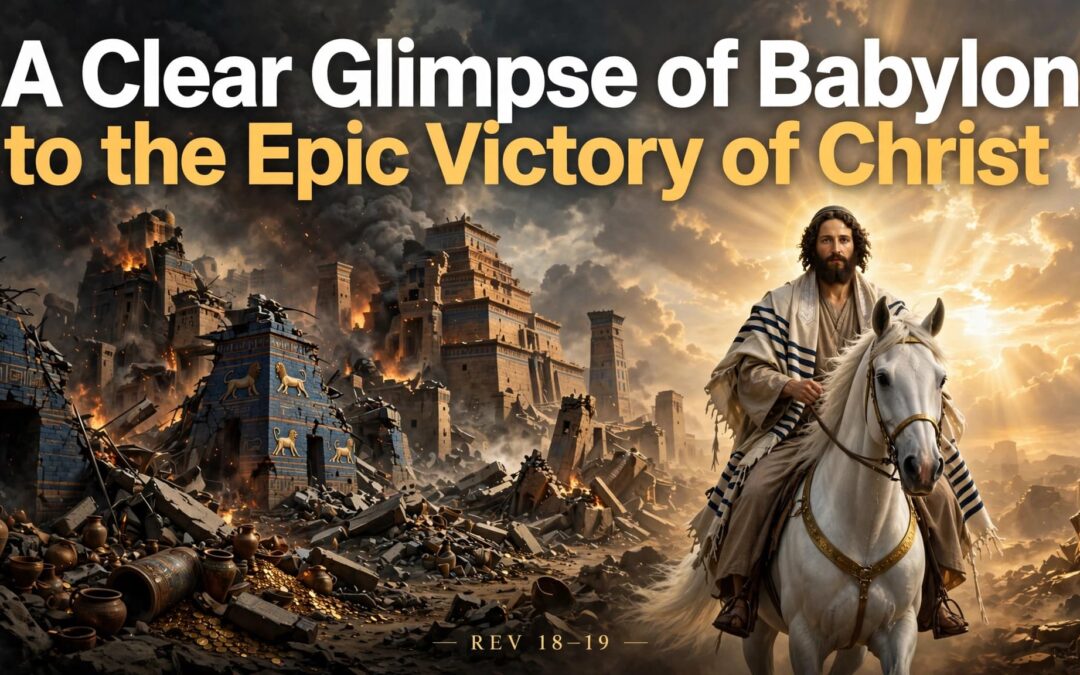
Revelation 18 and 19: Babylon Falls, Christ Reigns
Revelation 19 answers the collapse of Babylon in Revelation 18 with Heaven's praise, the Lamb's wedding, and Christ's victory. Where Babylon's corruption leaves earthly rulers and merchants grieving what they've lost, Heaven rejoices because God's judgments are true and just.
But what does Babylon stand for, and how should we understand its warning today? We'll separate what Scripture says from debated interpretations, then consider how its picture of corrupt power speaks to the world around us without pinning it on a single modern target.
Let's begin with the contrast between the fall of Babylon and the triumph of Jesus.
Heaven Rejoices as Christ Triumphs in Revelation 19
Babylon's judgment closes one scene, but Revelation 19 opens with Heaven's response. Earthly rulers and merchants mourn the loss of power and wealth; Heaven praises God because His judgments are true and just. The chapter then moves through three clear scenes: hallelujahs in verses 1–6, the Lamb's marriage in verses 7–10, and Christ's victory in verses 11–21. You can read the full chapter of Revelation 19 to follow the whole movement.
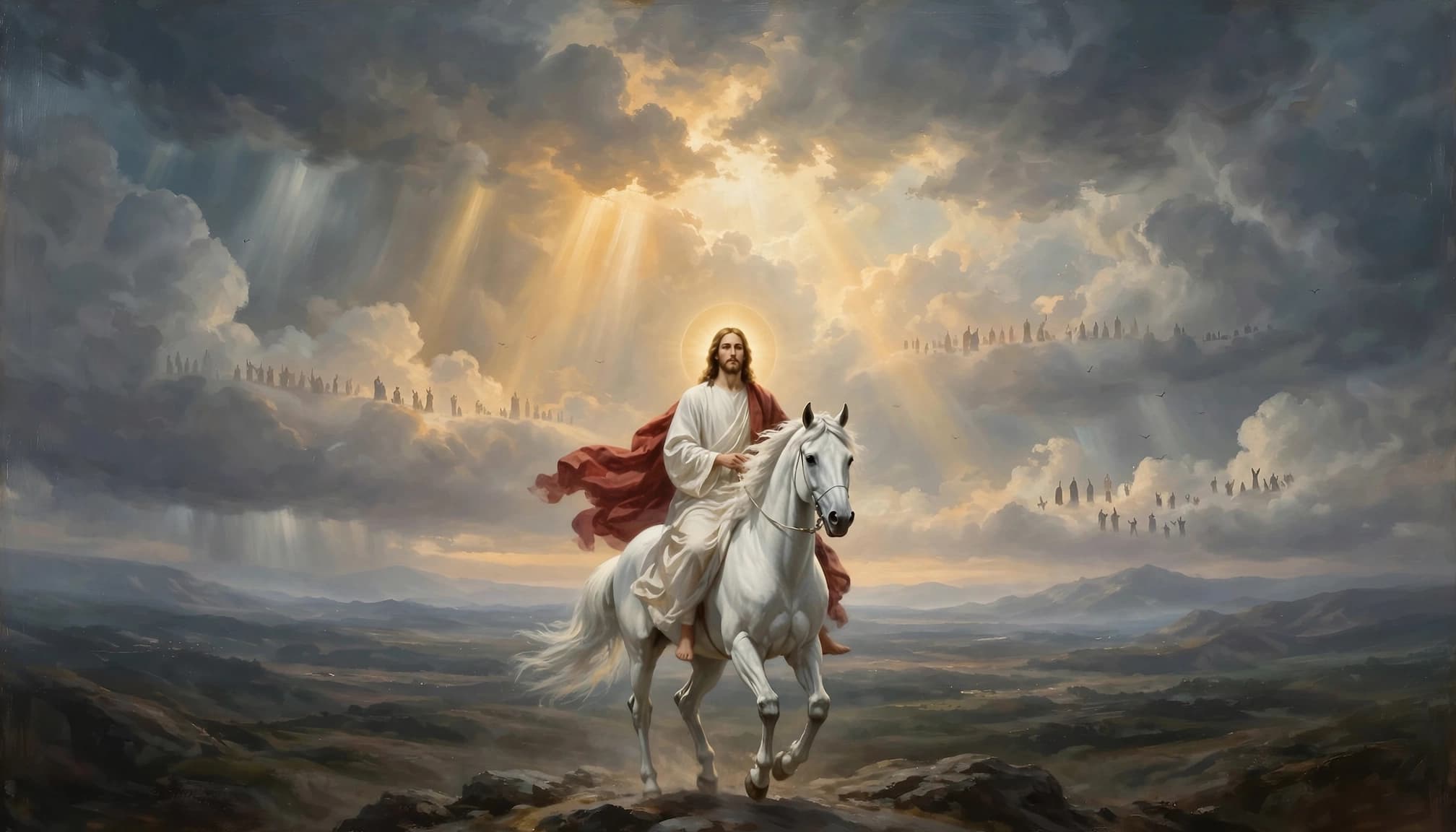
Hallelujahs answer Babylon’s fall
John first hears a great multitude in Heaven praising God for salvation, glory, power, and righteous judgment. Their hallelujahs answer the grief of those who profited from Babylon. The contrast is hard to miss: Babylon's allies mourn what they have lost, while Heaven rejoices that God has judged corruption and avenged His servants (Revelation 19:1–6).
This praise doesn't ask us to celebrate suffering. It directs our attention to God's justice, especially after Revelation 18 describes wealth built alongside deception, exploitation, and the blood of the faithful. We see why Heaven rejoices: evil doesn't get the final word, and God does not ignore the harm done to His people.
The Lamb’s marriage brings celebration
The scene shifts from judgment to a wedding. The Lamb's marriage has come, His bride is ready, and those invited to the marriage supper are called blessed (Revelation 19:7–10). The passage describes the bride's fine linen as the righteous acts of the saints, while also saying that the linen was granted to her. The image holds both God-given grace and faithful living together.
The wedding picture offers a sharp contrast with Babylon's corrupt alliances. Babylon draws rulers and nations into unfaithfulness; the Lamb welcomes His people into joyful fellowship. We should let the passage say what it says without forcing it to supply a detailed timeline. Its promise is clear: those who belong to Christ are invited to share in the Lamb's celebration. For a closer look at the marriage supper of the Lamb, consider how the chapter connects this feast with the hope of God's people.
Christ rides as the victorious King
Then heaven opens, and John sees a white horse and its Rider. He is called Faithful and True, and He judges and makes war in righteousness. The names given to Him, including the Word of God and King of kings and Lord of lords, reveal His authority. This is Christ's victory, not an evenly matched battle: the beast and false prophet are captured, and the forces gathered against Him are defeated (Revelation 19:11–21).
Revelation gives this vision in bold, vivid images. We don't need to turn every detail into a prediction beyond what the text states. The central truth is plain: Jesus is the righteous King, and no power gathered against Him can prevail. Babylon's apparent strength has fallen; Christ reigns.
What Revelation 18 Says About Babylon and Her Fall
Revelation 18 shows Babylon's collapse in four movements: an angel announces her fall, earthly powers mourn their lost profits, sailors grieve over the vanished market, and Heaven rejoices at God's judgment. The chapter calls Babylon a great city, but its picture also reaches beyond one city to a corrupt order built on wealth, influence, deception, and violence. Christians differ on whether Babylon points chiefly to Rome, a recurring system of power, or a future city or system. The text gives us reason to take its warning seriously without forcing one identification as settled fact.
Babylon’s Luxury, Trade, and Treatment of Human Life
An angel announces that Babylon has fallen, then calls God's people to leave her so they won't share in her sins or receive her plagues (Revelation 18:1–8). The call is urgent. Babylon's apparent strength won't protect her from judgment, and God's people must not confuse her prosperity with His approval.
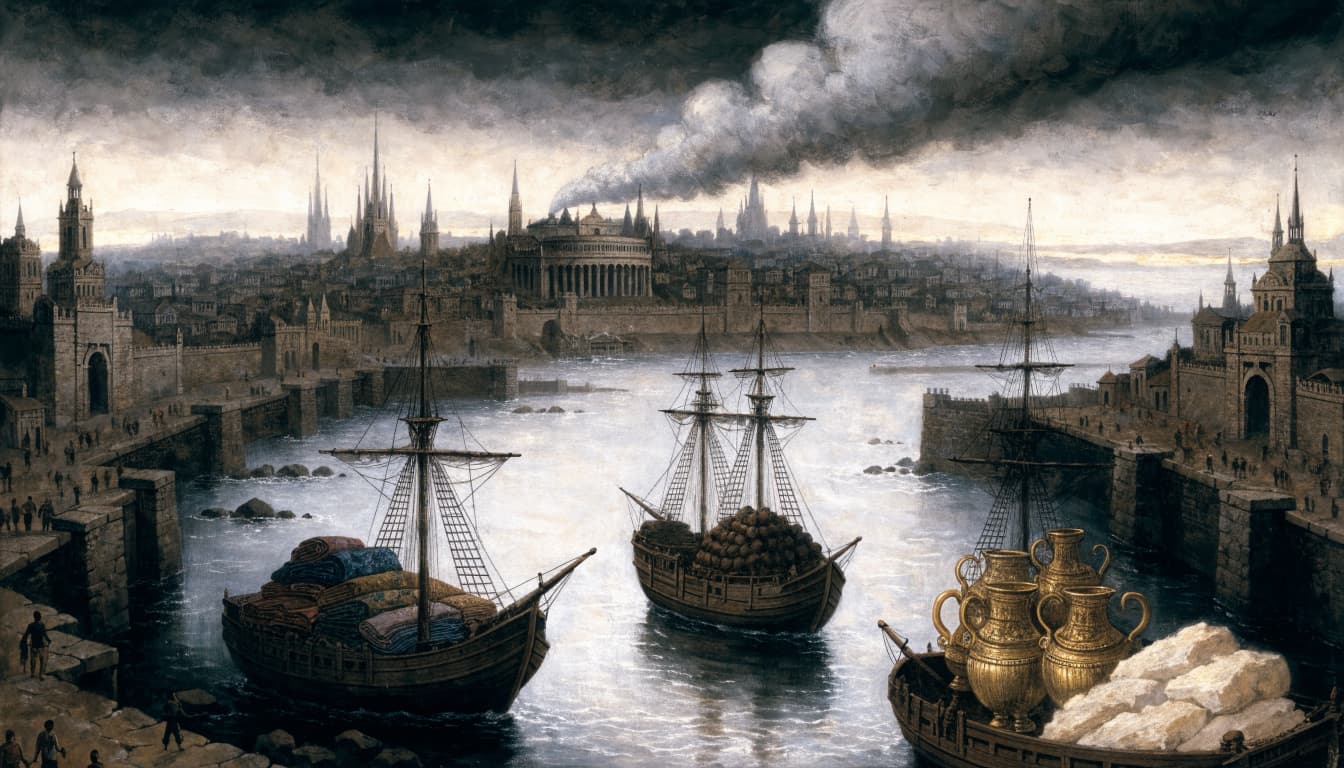
The kings mourn because their alliance with Babylon has ended. Merchants mourn because no one buys their cargo anymore, and sailors grieve as they watch the smoke rise from the city (Revelation 18:9–19). Three times the chapter says Babylon's judgment comes "in one hour." Her collapse is sudden, despite the wealth and power that made her look secure.
The cargo list includes gold, silver, precious stones, fine cloth, spices, wine, oil, livestock, horses, and chariots. It ends with "bodies and souls of men" (Revelation 18:12–13). That phrase may point to enslaved people, the buying and selling of human lives, or the destruction of people through Babylon's trade. We shouldn't claim more than the text tells us. But the list makes one thing clear: Babylon's appetite reaches beyond costly goods. It treats human life as part of the market.
Revelation isn't condemning every possession or every form of trade. It condemns a wealthy order where luxury and profit sit beside exploitation, while people become commodities. That warning still presses us to ask what prosperity costs when the vulnerable bear the price.
Political Seduction, Spiritual Deception, and Persecution
Babylon's "fornication" is prophetic language for spiritual unfaithfulness and corrupt allegiance. Kings join themselves to her, merchants grow rich through her excess, and nations are deceived by her sorcery (Revelation 18:3, 9, 23). The chapter also describes real moral corruption. The image isn't an excuse to ignore the harm done to people; it shows how political compromise, spiritual deception, and economic gain can reinforce one another.
John's vision charges Babylon with the blood of prophets and God's people, then calls Heaven to rejoice because God has judged her (Revelation 18:20–24). Those who profited from Babylon mourn lost power and trade. Heaven sees the other side: God remembers the people she harmed. For more on the imagery of Babylon in Revelation 17–18, keep that distinction in view. We can recognize the chapter's warning against corrupt power without claiming that it names a particular modern nation or institution.
How Babylon’s Pattern Can Help Us Discern the World Today
Revelation 18 doesn't give us permission to point at a modern country, company, church, or market and declare, "That's Babylon." It gives us a pattern to recognize: wealth, political influence, deception, greed, and harm to people working together. That calls for prayerful discernment, not sensational predictions.
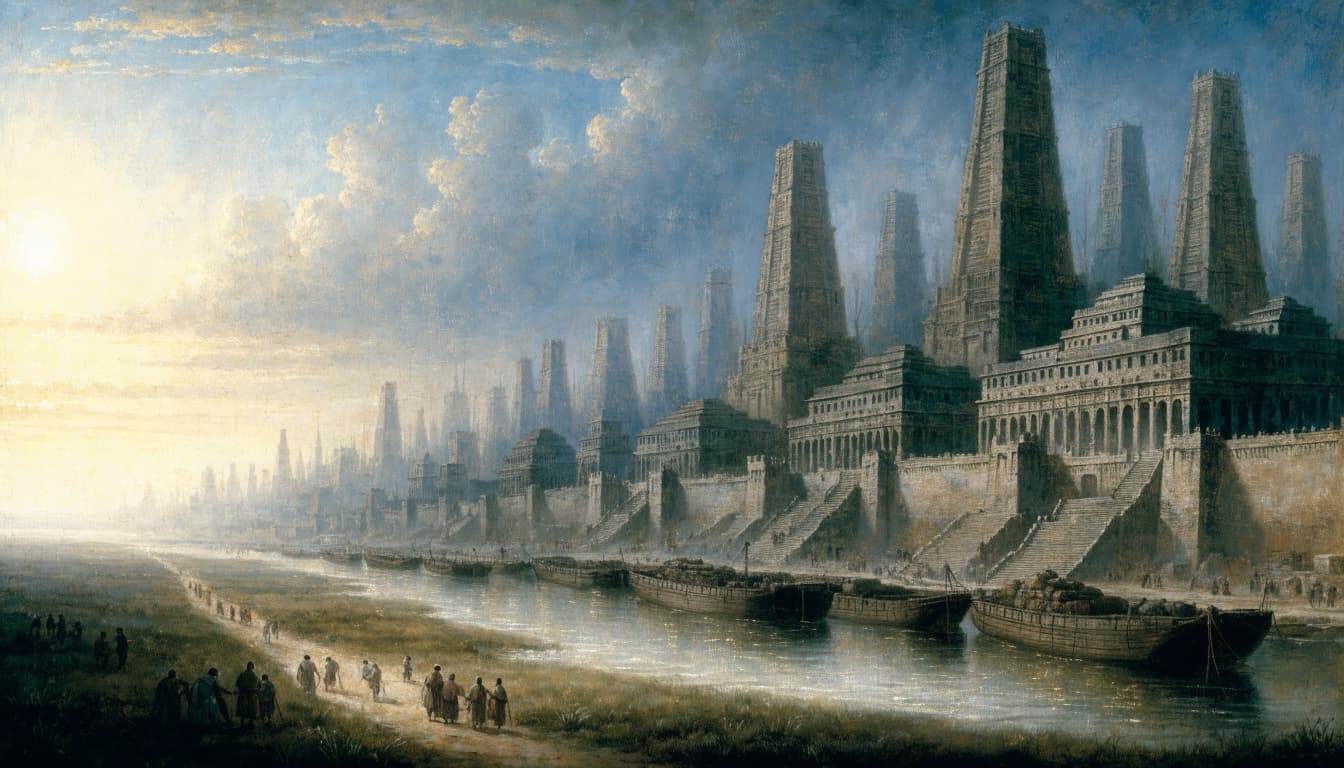
Look at what prosperity depends on
Babylon's wealth isn't the chapter's central charge. Revelation condemns a self-glorifying order where luxury and influence are bound up with seduction, exploitation, deception, and violence. Its cargo list includes costly goods, then ends with "bodies and souls of men" (Revelation 18:12–13). People are treated as commodities. That detail keeps us from reducing the passage to a warning about having money or buying goods.
The vision asks harder questions. Who benefits when a system grows richer? Who bears the cost? Are human lives being treated as disposable so that others can protect their comfort or power? Scholars have read Revelation 18 as a critique of imperial Rome and the economic exploitation that sustained its wealth (a study of Revelation's imperial critique). That historical reading helps explain the passage, but it doesn't authorize us to identify a present-day institution as Babylon.
Notice when power and deception reinforce each other
Revelation connects Babylon's influence over kings with merchants' profit and the nations' deception (Revelation 18:3, 9, 23). The language of fornication points to spiritual unfaithfulness and corrupt allegiance. In other words, Babylon doesn't only offer wealth. She persuades people to trust, serve, and protect what opposes God.
That pattern can help us examine the messages we accept and the loyalties we give. Does a claim excuse greed or mistreatment? Does political influence demand the kind of allegiance that belongs to God? Are we tempted to call success God's approval, even when people are harmed along the way? We don't need to force a modern name onto Babylon to take those questions seriously.
Hear “come out of her” as a call to faithfulness
God's command to "come out of her" (Revelation 18:4) is a call to reject sin and divided loyalty. It doesn't tell God's people to abandon every part of society. We live among people, work, buy what we need, and take part in our communities. But we must refuse participation in practices that deceive, exploit, or demand worshipful allegiance.
So we can ask the Holy Spirit for discernment, then examine our choices through Scripture. We should resist greed without condemning every form of wealth, and oppose injustice without turning prophetic language into a weapon against whoever we dislike. Revelation's warning is searching enough when we let it test our own loyalties. For another perspective on worshiping God rather than Babylon, keep the contrast between Babylon's demands and Christ's authority in view.
Why Heaven Shouts Hallelujah Over God’s Just Judgment
The repeated "Hallelujah" in Revelation 19:1–6 is Heaven's response to Babylon's fall. The multitude praises God for salvation, glory, and power, then declares His judgments true and righteous. We should hear that praise in light of what Babylon has done, not as delight in suffering.
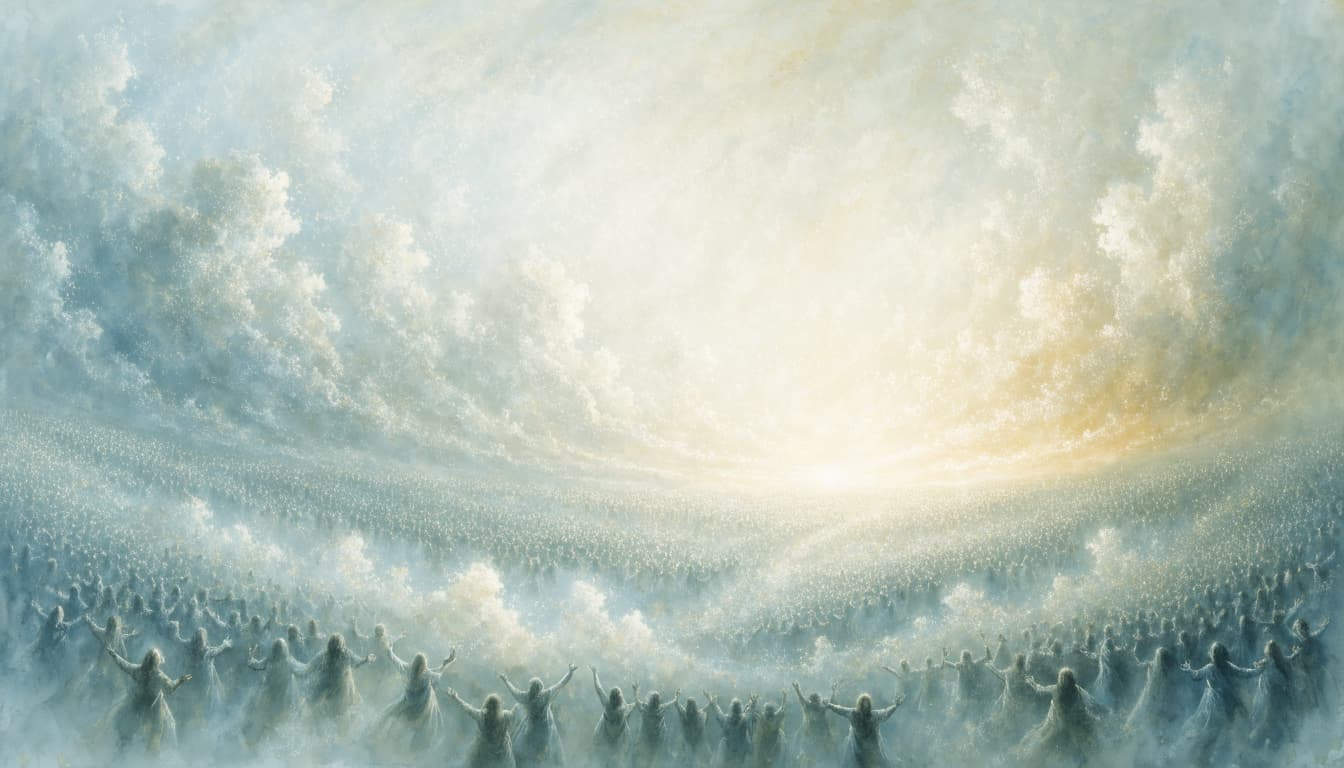
Hallelujah praises God’s character
John hears a great multitude praising God because salvation, glory, and power belong to Him. They praise Him as the One who judges with truth and righteousness, and who has answered Babylon's corruption. The elders and living creatures join in worship, then a voice calls God's servants, "small and great," to praise Him too. The scene keeps our attention where it belongs: on God, whose authority no earthly power can rival (Revelation 19:1–6).
"Hallelujah" means "Praise the Lord." Its repetition gives this scene the sound of a gathered people declaring that God has acted justly. The praise isn't a demand that we enjoy another person's pain. It is a confession that evil, violence, and deception will not escape God's judgment forever.
The focus is also on God's salvation. He doesn't forget His servants or leave them under the rule of those who harm them. Revelation's praise holds judgment and deliverance together: God confronts evil, and He vindicates those who suffered under it. We can grieve the harm Babylon caused while still rejoicing that God sees it and will set things right.
Heaven sees what Babylon’s mourners ignore
Revelation 18:20–24 calls Heaven, the apostles, and the prophets to rejoice because God has judged Babylon. The reason matters. Babylon is charged with corrupting the nations and shedding the blood of God's servants. Heaven rejoices because God answers that evil, not because suffering itself is good.
On earth, the kings, merchants, and sailors mourn Babylon's fall. Their grief centers on what they lost: influence, trade, and wealth. They watch the city collapse, but they don't share Heaven's praise. The contrast exposes what each side values. Babylon's allies mourn the end of their profits; Heaven rejoices that God has heard the cry of the faithful (Revelation 18:20–24).
That distinction guards us from reading the passage as permission for revenge. God alone is the righteous Judge. His people can trust Him to judge corruption without taking pleasure in the pain of those caught in it. We don't have to pretend injustice is harmless, either. The vision says God sees the bloodshed and answers it.
This is why God's justice and care for His people belong together in Revelation 19. The hallelujahs proclaim that salvation and justice come from the same God. When Heaven praises His judgment, it honors His character and celebrates the vindication of His servants. For the full movement of the chapter, read Revelation 19.
What the Marriage Supper of the Lamb Means for Believers
Revelation 19:7–10 turns our attention from Babylon's judgment to a celebration in Heaven. The Lamb's marriage has come, the bride is ready, and those invited to the supper are called blessed. The passage gives believers a picture of hope: Christ will welcome His people into joyful fellowship, and their future belongs to Him.
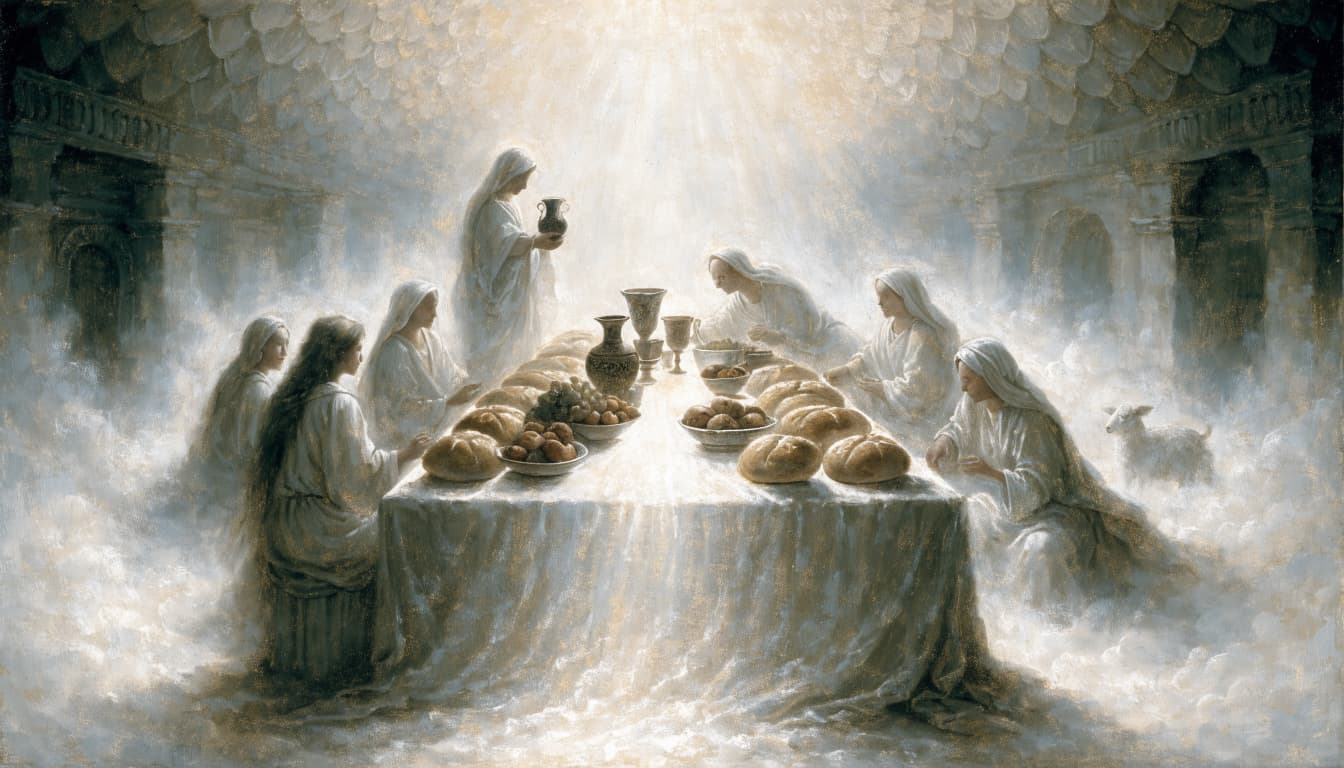
The Lamb’s marriage is a promise of joyful union
John hears Heaven call God's people to rejoice and give Him glory because the marriage of the Lamb has come (Revelation 19:7–10). A wedding is a fitting image for the joy, faithfulness, and closeness of Christ's union with His people. The Lamb who was slain is also the Bridegroom who welcomes His own.
Christians differ on the bride's precise identity. Some describe the bride as the Church, while others emphasize the wider company of God's redeemed people. Believers also differ on where the supper belongs in end-times chronology. The passage itself doesn't settle every question, so we should be careful not to make it carry a timeline it doesn't give.
What it does make clear is worth holding onto: the Lamb's people are not forgotten or left outside. Their future is with Christ, and Heaven responds with worship.
The bride is prepared, and her linen is granted
The bride has made herself ready, and she is given fine linen, which the passage identifies as the righteous deeds of the saints. That wording holds two truths together. The linen is granted to her, yet it is also connected with the faithful lives of God's people.
So we shouldn't treat righteous deeds as a way to earn a place at the feast. The image points to a people who belong to Christ and live in faithfulness to Him. Grace doesn't make obedience meaningless; it shapes a life that honors the One who saves. We see the same connection between the bride's readiness and the Lamb's gift in this look at the bride's readiness for the Lamb.
For believers, that gives the image a present meaning as well as a future hope. We wait for Christ while seeking to live faithfully now. Revelation doesn't ask us to calculate the wedding date. It calls us to belong to the Lamb and remain true to Him.
Those invited to the supper are blessed
The angel declares blessed those who are invited to the marriage supper. That blessing centers on belonging: the invited are welcomed to share in the Lamb's celebration. The passage doesn't invite us to speculate about guest lists or turn the image into a chart. It gives us a reason to hope and a reason to worship.
Verse 10 adds an important reminder. When John falls before the angel, the angel tells him to worship God. Even this glorious scene points beyond itself to the One who deserves praise. The marriage supper is a celebration of Christ and His people, but our worship belongs to God alone. Revelation also presents a separate supper later in the chapter, a scene of judgment with a very different meaning (Revelation's two great feasts).
The promise calls us to live with hope, keep faith with Christ, and give God the glory. We don't need to settle every disputed detail before we can trust what the passage says: the Lamb's people are blessed, His welcome is sure, and His coming brings joy.
How Jesus Defeats the Beast and False Prophet
The chapter's final scene turns praise into a vision of judgment. Heaven opens, and Jesus appears as the conquering King. The beast and false prophet gather power against Him, but Revelation gives no hint of an evenly matched battle. Christ rules, judges, and wins.
The Rider is Faithful and True
John sees the Rider on a white horse, called Faithful and True. He judges and makes war in righteousness, a sharp contrast with the beast's corrupt authority and the false prophet's deception (Revelation 19:11–13). His eyes are like a flame of fire, and many crowns rest on His head. These images point to a King who sees clearly and possesses authority no earthly ruler can claim.
John also calls Him the Word of God. Later, the title King of kings and Lord of lords appears on His robe and thigh (Revelation 19:14–16). His names tell us who He is; His actions show what His rule means. Jesus doesn't judge by deceit or self-interest. He brings righteous judgment, and no rival title can diminish His authority. For more on Jesus' authority as King of Kings, keep that contrast in view.
The beast and false prophet face judgment
The beast, the kings of the earth, and their armies assemble against the Rider and His forces. The scene ends quickly: the beast is captured, along with the false prophet, whose signs had deceived those who received the beast's mark and worshiped its image. Both are thrown alive into the lake of fire (Revelation 19:19–20).
That outcome matters. The beast and false prophet have wielded political power and spiritual deception, yet neither can withstand Christ. Evil doesn't meet Jesus as an equal opponent. The text presents His victory as decisive, not uncertain or dependent on a prolonged struggle.
An angel's summons and the birds gathering for the great supper add a stark image of defeat (Revelation 19:17–18). The remaining forces fall, and the Rider's judgment is complete (Revelation 19:21). We shouldn't turn this vision into permission for human vengeance. The judgment belongs to Christ, the righteous King.
Christians interpret some details of the battle imagery differently. Some read the scene as a future military event; others emphasize its symbolic portrayal of Christ's triumph over anti-God power. We can acknowledge those differences without losing what the passage states plainly: Jesus defeats the beast and false prophet, and their rebellion ends in judgment. A commentary on Revelation 19 also discusses the capture of these two enemies and their sentence in the lake of fire.
Babylon's influence has fallen, and every power gathered against Christ now faces His authority. Revelation 19 closes this scene with the assurance that the Word of God reigns, and the Kingdom belongs to Him.
Conclusion
Babylon's fall exposes the cost of corrupt power, luxury built on exploitation, and loyalties that turn people from God. Its warning still calls us to resist those values without labeling a modern nation or institution as Babylon.
Heaven answers judgment with hallelujahs, then celebrates the Lamb's marriage. Christ, the Faithful and True King, defeats the beast and false prophet. His righteous rule is our hope, and evil does not have the final word.
We can hold fast to Jesus, refuse Babylon's corrupt values, and live faithfully as we await His victory.
Revelation 18–19: Babylon Falls, Christ Reigns
Witness the collapse of a rebellious world system and the triumph of Jesus Christ as Revelation’s prophecy moves from judgment to the marriage supper of the Lamb.


Babylon’s Final Hour
Revelation 18 portrays Babylon’s sudden downfall. Kings, merchants, and sailors mourn the loss of its wealth, while Heaven calls God’s people to come out of her. The chapter warns that a world built on pride and corruption cannot withstand God’s judgment.
Heaven Rejoices; Christ Returns
Revelation 19 turns mourning into praise. Heaven celebrates God’s just judgment, the marriage supper of the Lamb draws near, and Jesus appears as the rider called Faithful and True. Together, these chapters show where Bible prophecy leads: the fall of evil and the victory of Christ.

Babylon Falls: A Call to Come Out
Bible Prophecy Ministries traces the Bible’s prophetic history through what Scripture says has happened, what is yet to come, and how every promise centers on Jesus Christ. In Revelation 18, that history reaches a sobering moment: Babylon, a picture of a corrupt world order, falls under God’s judgment. Its wealth and influence cannot save it. The chapter condemns its spiritual unfaithfulness, extravagant self-indulgence, deception, and violence against God’s people.
As kings and merchants mourn their losses, Heaven’s verdict makes clear that prosperity is no measure of righteousness. God calls His people to “come out of her,” refusing to share in her sins or her judgment. This ministry’s mission is to help readers hear that call in the context of Scripture—not as an invitation to fear, but as an invitation to remain faithful to Christ.

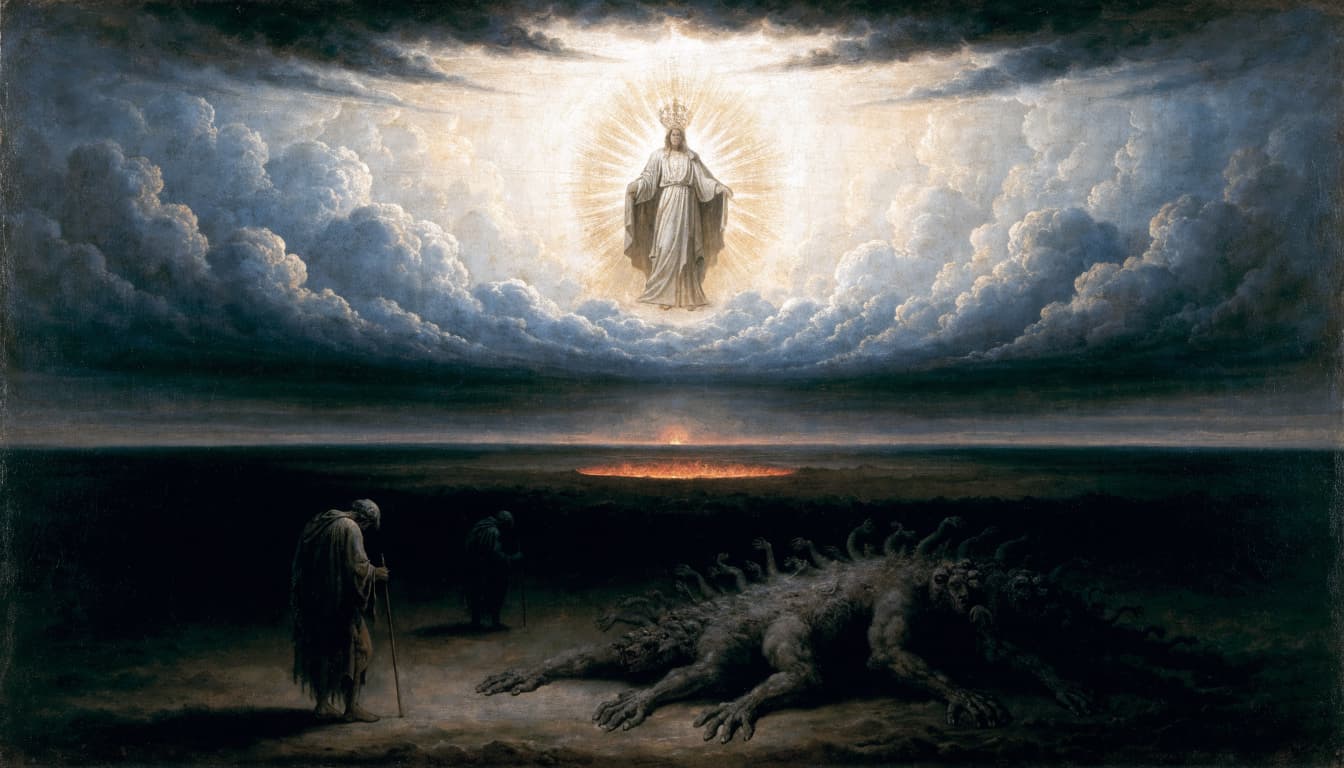
“Fallen, fallen is Babylon the great!” — Revelation 18:2
This declaration is the heart of Revelation 18: the power that seemed unshakable cannot withstand God’s judgment.
From Judgment to Celebration
Heaven Rejoices at the Marriage Supper of the Lamb
Revelation 19 opens with a sound unlike the lament of Babylon’s merchants: a great multitude in heaven cries, “Hallelujah!” God’s judgment is praised as true and just, and the focus turns from the fall of a corrupt power to the reign of the Lord.
Then comes an invitation to joy: the marriage supper of the Lamb. His bride is made ready, clothed in fine linen that represents the righteous deeds of the saints. The scene assures believers that Babylon’s fall is not the end of the prophetic history. Christ reigns, and those who belong to Him are invited to share in His victory.
Babylon Falls, Christ Reigns
Babylon’s Fall
Revelation 18 portrays the collapse of a world system that defies God, showing that its power and wealth cannot endure His judgment.
Heaven Rejoices
In Revelation 19, Heaven praises God for His just judgment and the coming marriage supper of the Lamb.
The Returning King
Jesus appears as the faithful and true rider on the white horse, coming to judge and make war in righteousness.
King of Kings
The name on Christ’s robe declares His supreme authority, fulfilling the prophetic hope of a ruler whose reign will never end.

Follow the Prophecies to Jesus
Explore more Bible prophecy articles to see how Scripture points to Jesus, His victory, and His promised reign.