
What Is the Main Message of Matthew 24? Biblical Answers
"Watch therefore: for ye know not what hour your Lord doth come." (Matthew 24:42)
Matthew 24 can raise big questions about upheaval, prophecy, and Jesus' return. What's the main message? Jesus prepares His disciples for trouble, calls them to remain faithful, and promises that the Son of Man will come.
We read this chapter from an independent, Spirit-filled Pentecostal perspective, with confidence in Scripture and dependence on the Holy Spirit. Jesus' words call us to watchfulness, not fear, and to keep serving faithfully when the future feels uncertain. Let's look first at what He says about the chapter's purpose and the hope of His return.
What Is the Main Message of Matthew 24?
The main message of Matthew 24 is clear: Jesus warns His followers about deception and hardship, calls them to endure and share the Gospel, and promises that He will return. The chapter speaks about future events, but it also answers a pressing question: How should disciples live when they don't know what comes next?
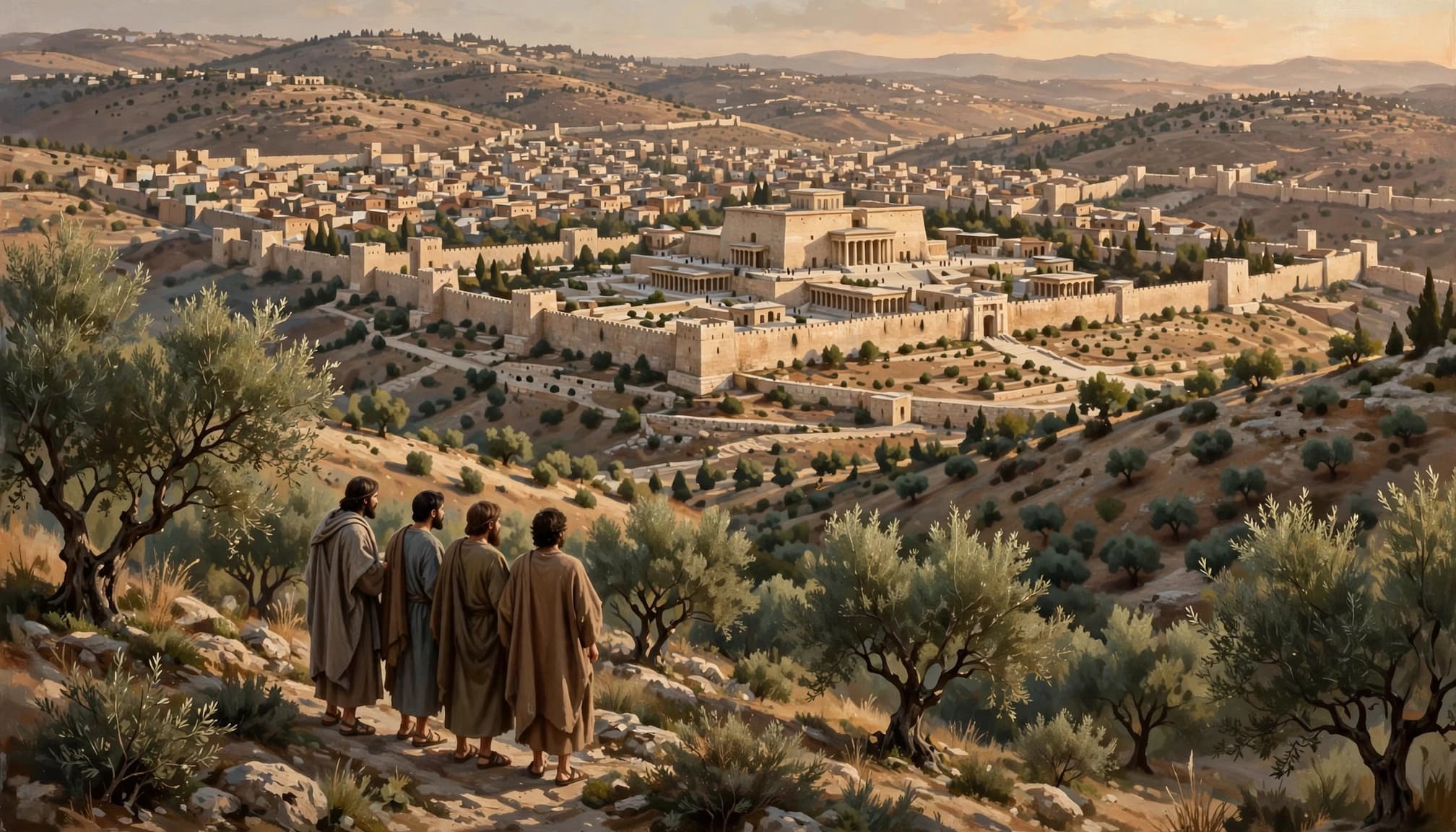
Jesus gives His teaching after predicting the temple's destruction. As He sits on the Mount of Olives, His disciples ask when it will happen and what signs will accompany His coming and the end of the age. Their questions bring these events together, but Christians differ on how the temple's fall relates to Jesus' return and the final judgment. We should hold firmly to what the text says and be careful not to treat every interpretation as settled fact.
Jesus warns His followers about deception and trouble
Jesus begins with a warning: don't be deceived. He speaks of false messiahs, wars, famines, earthquakes, persecution, and false prophets. But He also says that wars and disasters do not mean the end has arrived. They are described as the beginning of birth pains, not a date we can use to calculate when He will return.
That distinction matters when headlines turn frightening. Matthew 24 does not tell us to label each crisis as proof that the end is here. Jesus calls His followers to resist false claims, remain faithful under pressure, and keep their love from growing cold.
He also says the Gospel of the Kingdom will be preached among all nations before the end. So the chapter's response to hardship includes witness. We keep sharing the Gospel, trusting the Holy Spirit to strengthen believers even when opposition rises. For a closer look at the chapter's movement, see the Olivet Discourse explained.
The temple prediction and the disputed timeline
Jesus plainly predicts that the temple will be demolished. The disciples then ask about the timing and the signs, and His answer moves through tribulation, the coming of the Son of Man, and a call to be ready. The full chapter of Matthew 24 lets us read that teaching in its full context.
Some parts of the chapter point to a crisis in Judea and instructions to flee. Many Christians connect these warnings with Jerusalem's destruction in AD 70. Other passages describe the Son of Man's coming and the gathering of the elect, and interpreters disagree about how those events relate to the temple's fall. The text gives us real details, but it does not resolve every question about sequence and fulfillment.
Readiness means faithful living
Jesus says no one knows the day or hour. His point is practical: stay ready, because the timing is not ours to control. The faithful servant keeps doing what the master entrusted to him instead of assuming there is plenty of time.
So, Matthew 24 is both a warning and a promise. Trouble and deception will come, yet Jesus calls His people to endure, proclaim the Gospel, and trust His promised return. We watch by living faithfully today, not by claiming certainty about a date.
How to Read the Signs in Matthew 24 Without Giving In to Fear
Jesus speaks plainly about deception and distress, but He never tells His followers to panic. In Matthew 24, He warns us to stay watchful, test what we hear, and keep serving faithfully. The signs matter, but they are not permission to turn every crisis into a prediction.
Why Jesus Warns About False Messiahs and Prophets
Jesus repeats the warning because deception is a central danger in this passage. Some will claim to be the Christ. Later, He warns that people may say He is in the wilderness or hidden in an inner room. We don't have to chase every rumor or trust someone simply because they speak with confidence.
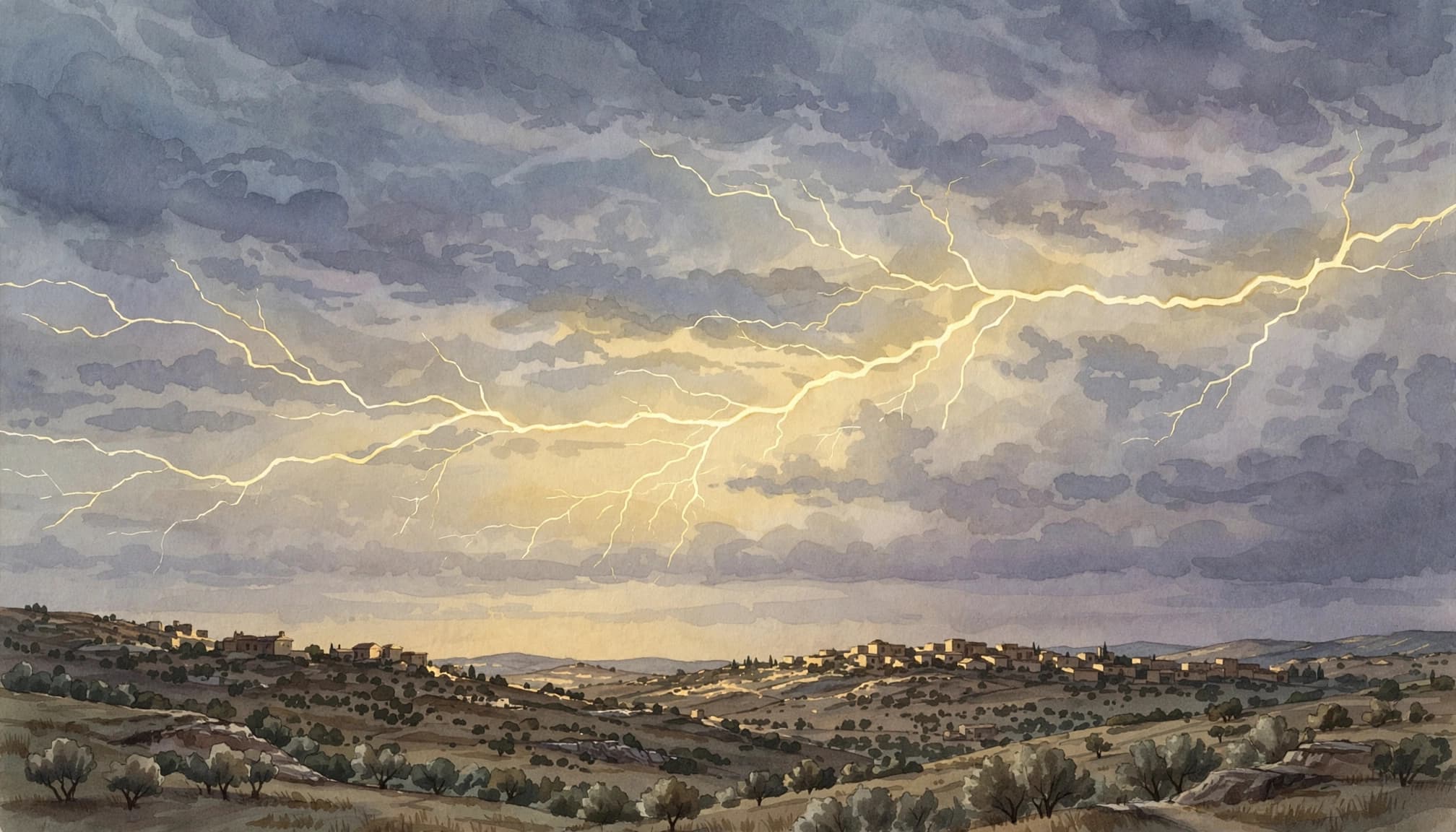
Jesus describes His coming as unmistakable, like lightning visible across the sky. His return won't depend on a persuasive claim that He has appeared secretly in one place. That gives us a clear way to respond when a prediction or spiritual claim stirs fear: weigh it against Scripture and Jesus' own words. A dramatic sign or urgent message does not prove that its speaker speaks for God.
We can also read more about Jesus' warning against false messiahs. The point is not to become suspicious of everyone, but to refuse teachings that pull us away from Christ and the truth of Scripture.
What “the Beginning of Birth Pains” Means
Jesus names wars, rumors of wars, famines, and earthquakes, then says these troubles are not yet the end. He compares them to the beginning of birth pains: distress comes, but the image does not give us a timetable or let us identify a particular crisis as the final moment. As the meaning of birth pains in Matthew 24 makes clear, the comparison describes trouble that precedes what is coming, not a calendar formula.
The warning continues. Jesus speaks of persecution, betrayal, false prophets, lawlessness, and love growing cold. These are painful realities, and we shouldn't shrug them off. But He calls His followers to endure, not to make confident predictions every time the news turns frightening. He also says the Gospel of the Kingdom will be proclaimed among all nations. That points us toward mission and faithfulness, not a countdown we can calculate.
So when another crisis comes, we can take suffering seriously, care for people who are hurting, and keep sharing the Gospel. We don't need to assign every event a prophetic label. Jesus' words give us a steadier response: resist deception, endure in faith, and remain faithful while we wait for Him.
What Is the Abomination of Desolation in Matthew 24?
Jesus connects the abomination of desolation with Daniel's prophecy and a warning of immediate danger. The sign matters, but so does Jesus' response: people in Judea must flee. Christians differ on how this prophecy applies, so we should separate what Matthew states from what readers infer.
How Daniel’s Prophecy Informs Jesus’ Warning
In Matthew 24:15, Jesus refers to the abomination of desolation spoken of by Daniel and tells the reader to understand. Daniel's language appears in Daniel 9:27, Daniel 11:31, and Daniel 12:11. These passages describe the profaning of a holy place and the disruption of its worship.
Daniel's words had historical background before Jesus spoke. In the second century BC, Antiochus IV Epiphanes desecrated the Jerusalem temple. His actions help explain the force of Daniel's language, but they don't settle how Jesus applies that prophecy. For more historical context, see this account of Antiochus IV and the temple's desecration.
Matthew gives a clear instruction: when the sign appears, people in Judea should flee to the mountains. Those on rooftops shouldn't go back inside for belongings, and those in fields shouldn't return for their cloaks (Matthew 24:15-20). The warning is urgent and practical. Jesus isn't inviting His hearers to pursue prophetic curiosity while ignoring danger.
Some Christians connect the warning chiefly with Jerusalem's crisis in AD 70. Others expect a future end-time fulfillment, while still others see the historical crisis as one horizon that also points ahead. Matthew names Daniel and describes the sign, but he doesn't identify a later ruler or lay out a complete prophetic timeline. We should be careful not to present a disputed interpretation as though the text states it directly. We discuss different interpretations of the abomination of desolation with that distinction in mind.
How the Temple’s Destruction Relates to the End Times
The warning comes after Jesus predicts that the temple will be demolished (Matthew 24:1-3). Jerusalem fell to Rome in AD 70, and the temple was destroyed. That history gives weight to the parts of Jesus' warning focused on Judea, escape, and the danger of returning for possessions.
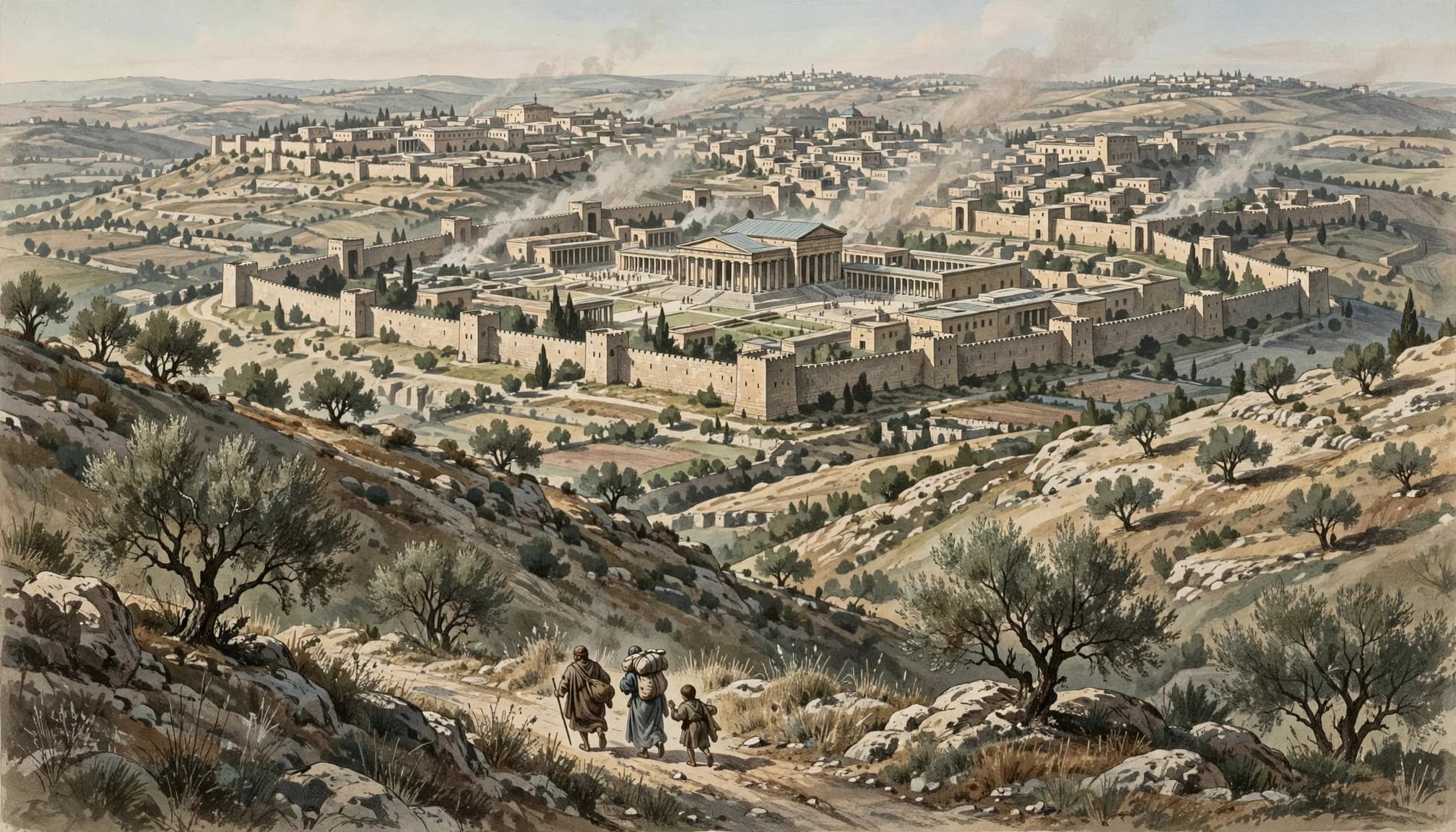
Yet some language in Matthew 24 reaches beyond the details of that regional crisis for many readers, especially the descriptions of tribulation and the coming of the Son of Man. Christians interpret how those statements relate to Jerusalem's fall in different ways. Faithful interpretation recognizes the debate instead of forcing every verse into one timeline.
What remains plain is the call to respond faithfully. Jesus warns His hearers to act with urgency when danger comes, and He calls His followers to stay alert rather than let speculation take the place of obedience.
What Do the Fig Tree and “This Generation” Teach About Timing?
In Matthew 24:29–36, Jesus moves from the signs surrounding the tribulation to the coming of the Son of Man. He describes cosmic signs, His appearance in power and glory, and the gathering of the elect. Christians differ on how these events fit together, but Jesus is clear about two things: He will come, and we cannot name the day or hour.

Why the Exact Day and Hour Remain Unknown
Jesus compares the signs to a fig tree putting out leaves. When that happens, summer is near. In the same way, He says, His followers can recognize that the time is near when they see the things He describes. Recognizing nearness, though, is different from knowing an exact date.
Jesus then says that no one knows the day or hour, not the angels, but the Father alone (Matthew 24:36). That statement rules out confident date-setting. Wars, disasters, and other events may lead people to make predictions, but none gives us permission to claim knowledge Jesus says belongs to the Father.
We can pay attention to what Jesus said without turning the news into a countdown. The fig-tree comparison teaches discernment, while His words about the unknown hour call us to trust and readiness. We discuss why Matthew 24 is not a basis for setting a date with that distinction in mind.
Why Christians Interpret “This Generation” Differently
Jesus says, "This generation will by no means pass away till all these things take place." Christians understand "this generation" in several ways. Some read it as the people living when Jesus spoke, often connecting the saying with Jerusalem's destruction. Others understand it as a future generation that sees the signs He describes. Still others take it to mean a broader kind of people, such as those who oppose God or those who remain faithful.
The passage does not settle every question about how the temple's fall, the signs, and the Son of Man's coming relate. We should be careful not to treat one interpretation as universally agreed upon. As we consider the signs and timing in Matthew 24, we can hold to Jesus' promise while admitting where Christians differ.
That debate doesn't cancel the passage's call to faithfulness. Jesus promises that He will come and gather the elect; He also tells His followers to stay ready. We don't need to solve every detail of the timeline before we can trust Him, resist deception, and serve faithfully today.
What Does “Watch Therefore” Mean in Matthew 24:42?
"Watch therefore" means living ready for Jesus, even though we don't know when He will return. In Matthew 24:42, watchfulness isn't a call to panic or constantly scan the news for signs. Jesus explains it through Noah's generation, a thief's unexpected arrival, and two servants who respond very differently to their master's absence.
How the Faithful Servant Shows Practical Readiness
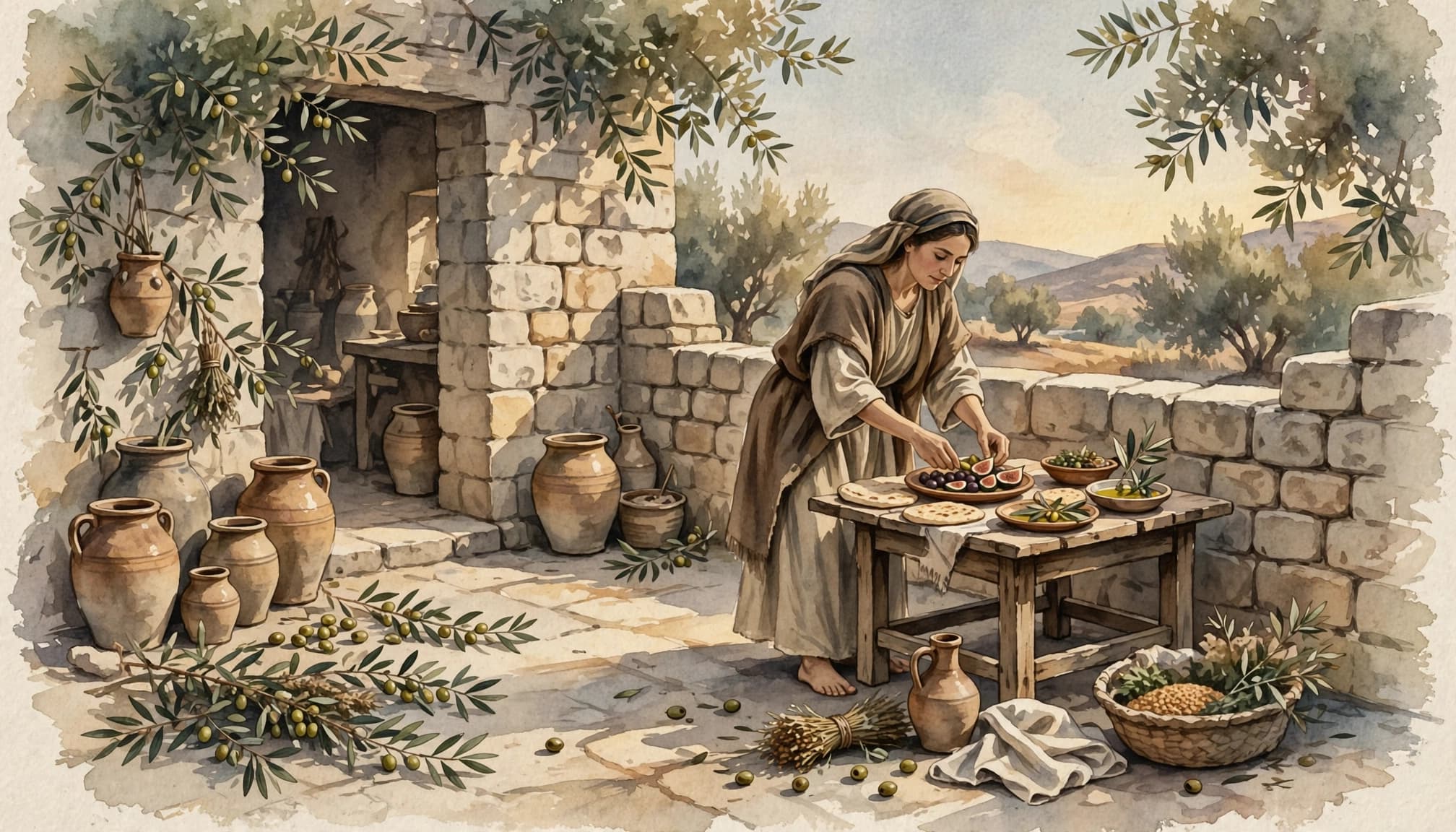
Jesus says people in Noah's generation were eating, drinking, and marrying before the flood came. Those ordinary activities weren't the problem. The warning is that people carried on without recognizing the judgment that came upon them. In the same way, Jesus' return will surprise those who assume life will continue as usual. The passage from Matthew 24:37–51 then compares His coming to a thief arriving when the homeowner doesn't expect him.
That image explains the urgency behind "watch." We don't know the hour, so we stay spiritually ready in the life we're already living. Jesus makes this practical with the faithful servant, who keeps doing the work entrusted to him and gives the household food at the proper time. Readiness means serving others, keeping faith, and treating people with care, whether Jesus' return seems near or far away.
We don't have to abandon ordinary responsibilities to prove we're watchful. We pray, obey Scripture, love our neighbors, and carry out the duties God has placed before us. From our Spirit-filled Pentecostal perspective, we also depend on the Holy Spirit for strength and discernment. We test spiritual impressions against Scripture, rather than treating a personal impression as a replacement for God's Word.
Why Watchfulness Is Not the Same as Date-Setting
Jesus' warning about the unknown hour leaves no room for confident date predictions. The thief analogy doesn't tell us to guess when the thief will come. It tells us to live ready because we cannot know. As we consider why no one knows the day or hour, we should keep that boundary clear: watchfulness is faithful living, not a timetable.
Jesus also contrasts the faithful servant with one who assumes the master is delayed. That servant mistreats the others in the household and lives for his own pleasure. His conduct exposes what he believes: that the master's return doesn't matter. But the faithful servant's conduct shows steady trust. He keeps doing what is right, even when no one can tell him exactly when the master will return.
So we can pay attention to Scripture and ask the Holy Spirit for wisdom without giving in to fear or sensational claims. The unknown timing makes faithfulness more important, not less. We don't need to predict a date to be ready. We need to keep trusting Jesus and caring for the people He has placed in our lives.
How Matthew 24 Calls Us to Persevere and Live in Hope
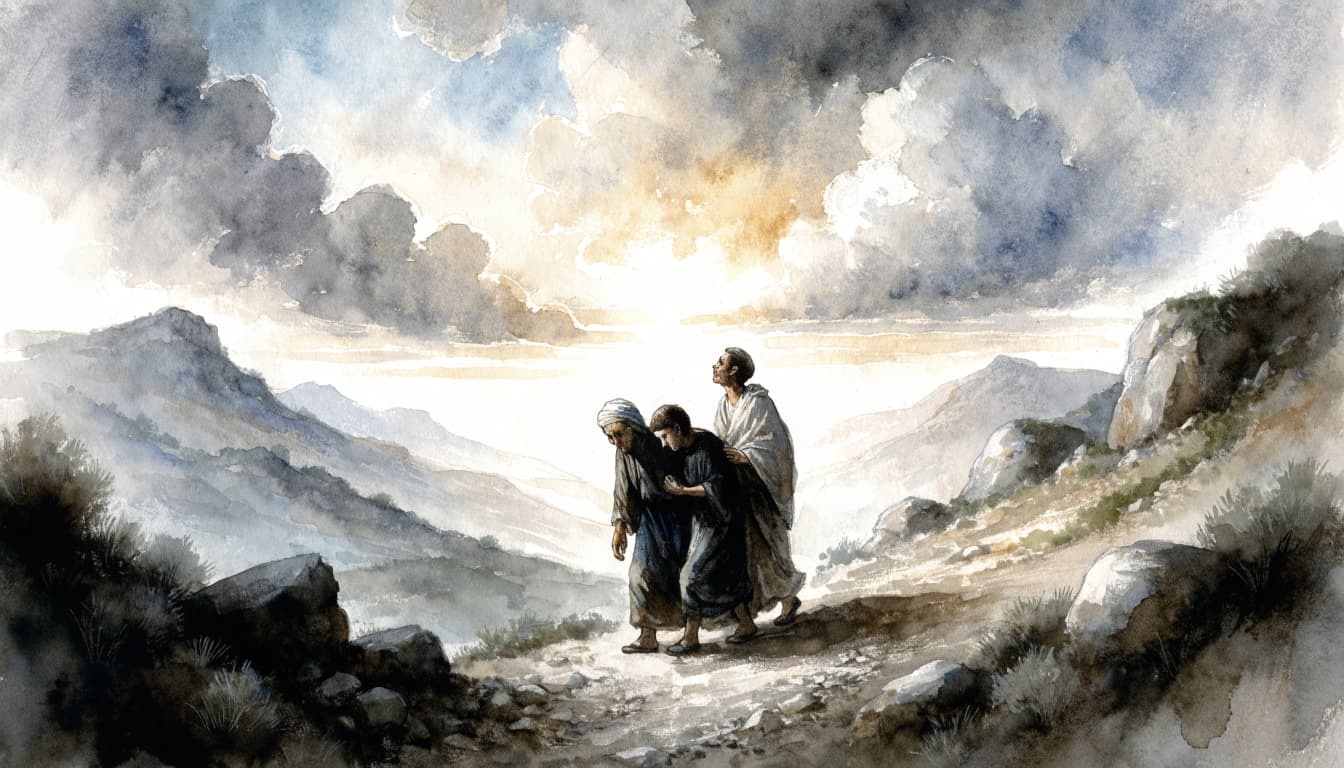
Matthew 24 speaks to believers who face pressure, confusion, and an uncertain future. Jesus doesn't promise that hardship means we have failed, or that faith will make every painful circumstance disappear. He calls us to endure, keep loving, share the Gospel, and trust His promise to return. We can read His teaching in Matthew 24 without turning it into a reason for fear.
How to Stay Faithful When Trouble and Uncertainty Come
Jesus warns that lawlessness can increase and love can grow cold. We resist that pull through ordinary acts of faithfulness: we continue in prayer, test teaching against Scripture, and care for people who are hurting. When someone spreads a dramatic prophecy or claims special knowledge, we don't have to accept it because it sounds urgent. We measure it against Jesus' words and the rest of Scripture.
As Spirit-filled Pentecostals, we depend on the Holy Spirit for strength, wisdom, and discernment. Prayer isn't a way to pretend everything is fine. It's where we bring fear honestly before God and ask for help to obey Him. And when the pressure feels heavy, we can receive support from other believers instead of treating struggle as proof that our faith is weak. For more on Christian endurance through tribulation, we can look at how perseverance takes shape in daily choices.
Jesus also connects endurance with witness. We keep sharing the Gospel, serving our neighbors, and showing love when fear or hostility would make withdrawal feel easier. That doesn't mean ignoring danger or refusing practical help. It means hardship doesn't get to decide whether we remain faithful or compassionate.
How the Promise of Jesus’ Return Shapes Christian Hope
Jesus' promised return gives believers a reason to endure. Our hope rests on His authority and His word, not on our ability to work out a date or match every crisis to a prophetic timetable. Jesus says the timing is unknown, so we don't need sensational claims to keep us alert. We can trust that He will come and stay faithful in the work He has given us today.
Biblical hope doesn't deny suffering or excuse passivity. We grieve, seek help, and take wise steps to protect those at risk. At the same time, we don't let fear govern every decision. We pray, keep serving where we can, and ask the Holy Spirit to help us bear witness with courage and care.
That is the practical shape of hope in Matthew 24: we remain ready by living faithfully, not by trying to control the future. When uncertainty rises, we can keep our eyes on Jesus, care for one another, and continue proclaiming the Gospel while we wait for Him.
Conclusion
Matthew 24 prepares us for upheaval, calls us to persevere, and assures us that the Son of Man will return. Jesus' words in Matthew 24:42 bring the message home: because we don't know the hour, we stay ready by living faithfully today.
We can keep trusting Jesus, serving others, and sharing the Gospel while we wait. His promise gives us hope, and His call to watchfulness gives us a faithful way to live.
Biblical Answers
What Is the Main Message of Matthew 24?
Jesus warns His disciples about coming turmoil and calls them to remain watchful, discerning, and faithful as they await His return.
Understand Jesus’ Prophetic Words in Their Biblical Context
A Conversation on the Mount of Olives
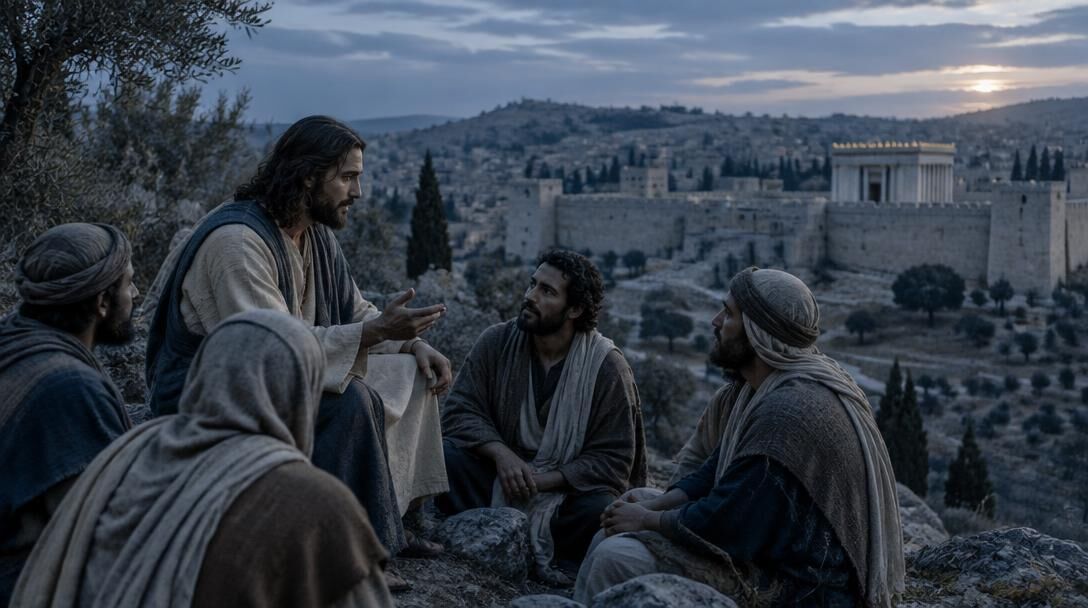
Matthew 24 begins as Jesus leaves the temple in Jerusalem. When His disciples draw attention to its buildings, He tells them that not one stone will be left upon another. Later, seated on the Mount of Olives, He speaks privately with them about what lies ahead.
The Questions the Disciples Asked
Jesus’ prediction about the temple prompts the disciples to ask when these things will happen. They also ask about the sign of His coming and the end of the age. Their questions set the course for the teaching that follows.
Read the Prophecy in Context
Jesus addresses His disciples’ concerns with warnings about deception and trouble, followed by a call to watchfulness. Keeping the temple, their questions, and His audience in view helps us follow Matthew 24 without losing sight of its central call: remain faithful to Christ.
The Main Message of Matthew 24
Do Not Be Deceived
Jesus warns against false messiahs and misleading claims, calling His followers to discernment even amid turmoil.
Endure Through Tribulation
Wars, persecution, and distress will test believers, but Jesus calls them to persevere and hold fast to the Gospel.
Watch for the Son of Man
Jesus describes His coming in unmistakable terms while urging His followers to stay ready, since the day and hour are unknown.
Matthew 24: Signs and Common Assumptions
- False messiahs arise; Jesus says not to follow them.
- Wars and rumors of wars occur; Jesus says the end is not yet.
- Famines and earthquakes appear; Jesus calls them the beginning of birth pains.
- Believers face persecution; Jesus calls for endurance, not panic.
- False prophets mislead many; Jesus urges discernment.
- The Gospel reaches the nations; Jesus identifies this as part of what precedes the end.
- The abomination of desolation is named; Jesus directs readers to understand Daniel’s reference.
- Those in Judea are told to flee; the warning is specific, not a general command to every reader.
- Great tribulation brings severe distress; Jesus does not present suffering as proof He has abandoned His people.
- Claims that Christ is hidden nearby are rejected; Jesus says not to believe them.
- The coming of the Son of Man is visible like lightning; it is not described as a secret appearance.
- Cosmic signs accompany His coming; Jesus does not give a calendar date.
- The fig tree illustrates recognizing nearness; it does not supply a day or hour.
- The days of Noah illustrate ordinary life before sudden judgment; they do not excuse spiritual complacency.
- One is taken and another left; Jesus uses the contrast to stress readiness.
- The thief analogy calls for vigilance; it is not a formula for predicting the hour.
- The faithful servant keeps serving; watchfulness means more than watching headlines.
- The unknown day and hour remain unknown; Jesus commands His disciples to be ready.
“Therefore you also must be ready, for the Son of Man is coming at an hour you do not expect.”

Jesus Christ
Matthew 24:44 (ESV)
Frequently Asked Questions About Matthew 24
Explore what Jesus taught about coming events, faithful living, and the hope of His return.
What is the main message of Matthew 24?
Jesus calls His followers to remain watchful and faithful amid turmoil and deception. The chapter points beyond troubling events to the certainty of His return.
Was Jesus speaking about Jerusalem’s destruction or the end of the age?
The disciples asked about both the temple’s destruction and the sign of Jesus’ coming. Christians differ on how particular verses relate to AD 70 and future events, but both readings should take seriously Jesus’ call to readiness.
Can Matthew 24 tell us the date of Jesus’ return?
No. Jesus says that no one knows the day or hour. Rather than setting dates, He urges His disciples to stay prepared and serve faithfully.
What does Jesus say about false messiahs and deception?
Jesus warns that false claimants and misleading signs will lead many astray. His words encourage believers to weigh every claim against Scripture instead of following sensational predictions.
How does Matthew 24 point to Jesus?
Jesus speaks as the promised Son of Man who will come in power and gather His people. Even as He describes upheaval, He directs our hope toward Himself and assures us that His words will not pass away.
Keep Exploring Jesus’ Prophetic Words
Follow the Prophecies Back to Jesus
Continue your study with related articles and Scripture-centered resources on fulfilled prophecy, future hope, and the promises of Christ. Read the passages for yourself and see how the Bible’s prophetic message centers on Jesus.