
The Gospel Reaches All Nations Despite Opposition
Jesus' words in Matthew 24:9–14 hold both warning and hope: His followers will face opposition and spiritual hardship, yet the Gospel of the Kingdom will be proclaimed as a witness to all nations.
As we understand it, opposition doesn't cancel the mission, and Jesus' promise calls us to faithful witness, not to set a date for the end. Christians interpret the passage's timing in different ways, so let's begin with what Jesus says about opposition and the Gospel reaching the nations.
For a brief video study of the passage, see "What Does the Bible Teach?: Matthew 24:9–14".
The Gospel Reaches the Nations Despite Opposition
Matthew 24:9–14 belongs to the Olivet Discourse, Jesus' answer to His disciples' questions about the temple, His coming, and the end of the age. The passage gives us a clear sequence of warnings and a promise of worldwide witness, but it doesn't settle every question about timing. As we read it, we should hold both truths together: opposition is real, and the Gospel keeps going.
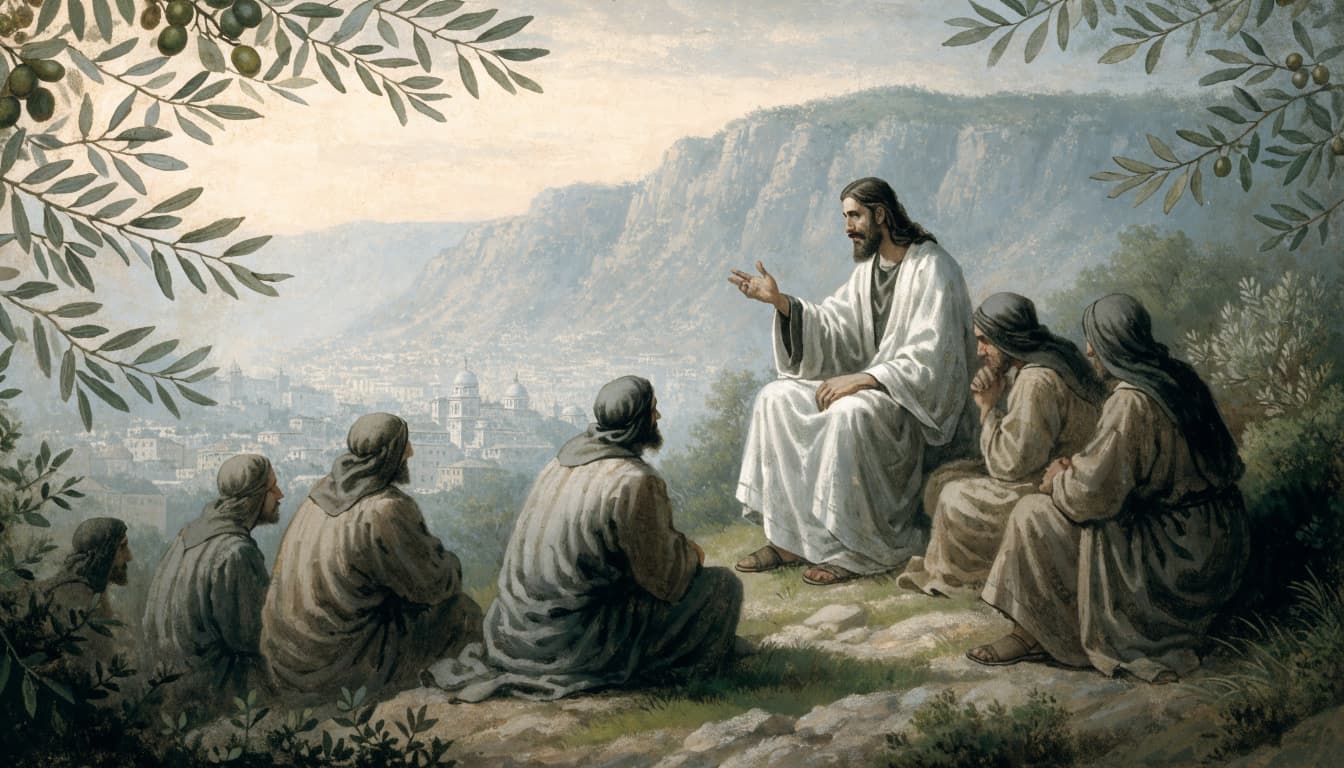
What Jesus says about persecution, deception, and endurance
Jesus says His followers will face hatred, persecution, and even death because of His name. Then He turns to what can happen within the community: some will stumble, betray one another, and grow to hate one another. False prophets will deceive many, lawlessness will increase, and the love of many will grow cold. You can read Matthew 24:9–12 in the NKJV.
That movement matters. Jesus joins outside persecution with conflict and deception among people who claim a connection to the faith. Pressure from the outside can be painful, but betrayal, false teaching, and love gone cold can wound a community from within. We shouldn't seek persecution or treat opposition as proof that the end has arrived. Jesus is warning His followers, not telling them to chase suffering.
Still, His warning doesn't end in despair. He says the one who endures to the end will be saved (Matthew 24:13). Endurance means faithful perseverance, continuing to trust and follow Jesus through hardship. It doesn't mean suffering earns salvation. We are saved by God's grace, and perseverance is the faithful response of those who belong to Him. For more context on the passage and its place in Jesus' teaching, see how to read Biblical prophecy through Jesus.
Why the promise of a worldwide witness matters
Then Jesus says the Gospel of the Kingdom will be preached in the whole world as a testimony to all nations, and then the end will come (Matthew 24:14). The promise is striking because it appears alongside warnings of hatred, betrayal, deception, and cold love. Opposition doesn't cancel the mission. The Gospel will be proclaimed as a witness.
A testimony is a declaration people can hear and respond to. Jesus doesn't say every hearer will believe, nor does this verse give us a conversion rate or a modern milestone to use as a completion standard. We should be careful not to turn His words into a countdown based on our own measurements. The verse gives the mission's scope, all nations, without telling us that universal acceptance is required.
As Spirit-filled believers, we also read this promise alongside Jesus' words about the Holy Spirit empowering His followers to be witnesses (Acts 1:8). Matthew 24:14 doesn't name the Spirit, but the connection across Scripture encourages us: Jesus' people bear witness in His strength, even when the response is rejection. We keep proclaiming the Gospel faithfully and leave the timing of the end in God's hands.
What Does “All Nations” Mean in the Great Commission?
When Jesus speaks of the Gospel reaching "all nations," He's describing a mission that crosses cultural and ethnic boundaries. The phrase connects Matthew 24 with Jesus' final command to His disciples, but it doesn't settle every question about the timing of the end.
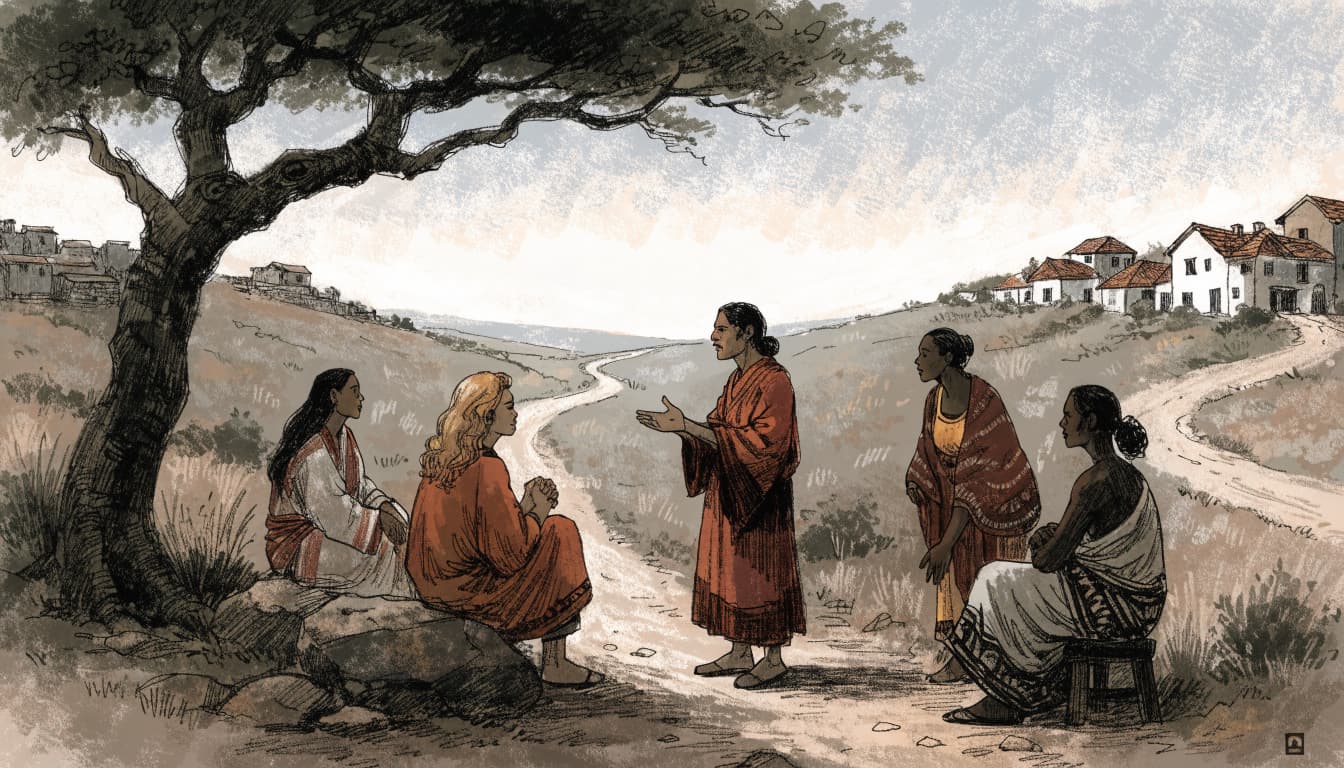
A testimony to peoples, not a promise that all will believe
In Matthew 24:14, Jesus says the Gospel of the Kingdom will be preached as a testimony to all nations. The Greek word translated "nations" is ethnē, related to ethnos, which can refer to a people or ethnic group. You can see the Greek entry for ethnos, but one word study doesn't settle the whole interpretation. Context matters, too.
"Nations" doesn't have to mean only the political countries on today's maps. Jesus' language points to a witness that reaches peoples across the world, including communities defined by shared language, ancestry, or culture. That reading also fits the mission Jesus gives after His resurrection: make disciples of all nations.
And what does making disciples involve? Jesus connects the command with baptizing people and teaching them to observe all He commanded. The mission is more than broadcasting a message and moving on. It calls for people to hear the Gospel, follow Jesus, enter the community of faith, and learn His way of life. We see this same outward movement in Israel's calling to be a light to the nations.
That doesn't mean every person in every people group will believe. Matthew 24:14 describes the reach and purpose of proclamation, a witness among the nations. It doesn't promise universal acceptance, and Matthew 28:18–20 doesn't say every hearer will become a disciple. We should let the passages say what they say without adding a condition Jesus didn't give.
Why Christians differ on the passage’s timing
The phrase "and then the end will come" leads naturally to a question: Which end, and when? In Matthew 24:3–20, the disciples ask Jesus about the temple, His coming, and the end of the age. The questions sit together, but Christians don't all understand the events that follow as one simple timeline.
Some readers emphasize the first-century setting and the early church's witness beyond Israel. Others see the passage as describing the ongoing mission of Christians throughout the age. Future-focused interpretations connect the worldwide testimony with events still to come. These readings differ, and we shouldn't present one disputed chronology as settled Biblical fact.
Verse 14 tells us that the Gospel will be proclaimed as a testimony to all nations and that the end follows. By itself, it doesn't define exactly what counts as a completed witness, identify a modern milestone, or answer every question about when the end arrives. We can hold firmly to the promise of worldwide witness while leaving those timing questions open.
How the Holy Spirit Empowers Witness to the Ends of the Earth
Jesus connects the worldwide witness of the Gospel with the Holy Spirit's power. That matters because the mission in Matthew 24:14 is not a human project we complete through confidence or organization alone. We bear witness because God empowers His people to speak about Jesus and serve others in His name.
From Jerusalem to the ends of the earth
Before Jesus ascended, He told His disciples they would receive power when the Holy Spirit came upon them. Then He described the widening reach of their witness: Jerusalem, Judea, Samaria, and the ends of the earth (Acts 1:8). The movement begins in the city where the disciples were gathered, crosses into nearby regions, reaches a community separated by longstanding hostility, and extends beyond their familiar world.

Acts gives us a pattern of witness that crosses both geographic and cultural boundaries. The Gospel does not stay inside one city or among people who already share the same customs. Jesus sends His followers outward, and the Holy Spirit equips them for that work. The verse gives the mission's scope, but it does not give us a modern checklist for deciding when every part is complete.
That outward movement also challenges us. We can't treat people who speak another language, come from another culture, or live far away as someone else's concern. The call is to bear witness wherever God sends us, while trusting Him with the reach and timing of the mission.
Bold witness depends on the Spirit, not human strength
Spirit-empowered witness includes bold proclamation. In Acts, the apostles faced threats for speaking about Jesus, and they prayed for boldness rather than asking God to remove every obstacle. The full account in Acts 4:29–31 shows the believers praying together; they were filled with the Holy Spirit and spoke the word of God with boldness.
We see the Pentecostal connection here: the Holy Spirit gives believers power to testify about Jesus. He can give courage when fear presses in, wisdom when we face hard questions, and strength to keep serving when opposition makes the work costly. Peter's witness in Acts 3 offers another example of the Spirit empowering believers to proclaim Jesus from Scripture.
But boldness is not a measure of our personal worth, and spiritual gifts aren't trophies. The Spirit's power points people to Jesus, not to our status or performance. We speak faithfully, and we also serve faithfully, showing patience, compassion, and care for the people in front of us.
Matthew 24:14 promises a witness to all nations, but the verse doesn't name a specific modern program or method. We can use different means to share the Gospel, yet no strategy replaces dependence on God. The mission belongs to Him. Our part is to bear witness in the Spirit's strength, even when the response is uncertain or difficult.
How Believers Can Stay Faithful When Opposition Grows
Jesus prepares His followers for pressure, deception, and division, but He doesn't ask us to predict the end. Our calling is to remain faithful today: speak truth with love, test what we hear, and care for people who face hardship because of their faith.

Answer hostility with courage and love
Peter tells believers not to be afraid when they suffer for doing what is right. Instead, we should honor Christ as Lord and be ready to explain our hope with gentleness and respect (1 Peter 3:14–16). Courage doesn't require a harsh tone. We can speak clearly about Jesus without insulting people, escalating arguments, or returning hostility for hostility.
And let's be careful with the word persecution. A disagreement, criticism, or hard question isn't automatically persecution. When someone faces threats, punishment, or exclusion for following Jesus, though, the church should not leave that person to carry the burden alone. We can pray, listen, offer practical help, and stand with believers who are under pressure.
Guard against deception and a loss of love
Jesus warns that false prophets will deceive many and that increasing lawlessness will cause the love of many to grow cold (Matthew 24:11–12). So how do we recognize teaching that leads people away from Jesus? We test it against Scripture, and we look at its fruit. Does it point people toward Christ and Godly character, or excuse manipulation, fear, and harm?
Discernment doesn't mean labeling everyone who disagrees with us a false teacher. Churches can protect unity while making room for sincere questions and correction. Unity should never become a reason to silence someone who raises a legitimate concern or to excuse harmful conduct. We can explore a Scripture-guided approach to weighing prophetic messages while holding our own words and judgments accountable to Biblical truth.
Pray, serve, and support those who carry the Gospel
You don't have to travel far to join the Gospel mission. Pray for missionaries by name when you can, support local outreach, and welcome people from other cultures into your church and community. These choices help make room for people to hear about Jesus and experience the care of His people.
We can also check in on Christians facing pressure, help meet practical needs, and keep praying when the situation doesn't change quickly. None of these actions replaces the Holy Spirit's work. We take part in the mission as He empowers us, trusting God with what only He can do.
The Biblical Vision of a Multinational People Worshiping God
The Gospel's reach matters because it brings people into worship of God, not because we can turn the mission into a statistic. Revelation gives us a picture of where this hope leads: a multitude gathered before God and the Lamb, drawn from peoples across the earth.
A vision of every people gathered before the Lamb
John sees "a great multitude which no one could number," from every nation, tribe, people, and language. They stand before the throne and the Lamb, clothed in white robes and holding palm branches. Their worship is not focused on their own achievement. They cry out that salvation belongs to God and to the Lamb. Read the vision in Revelation 7, especially verses 9–10.
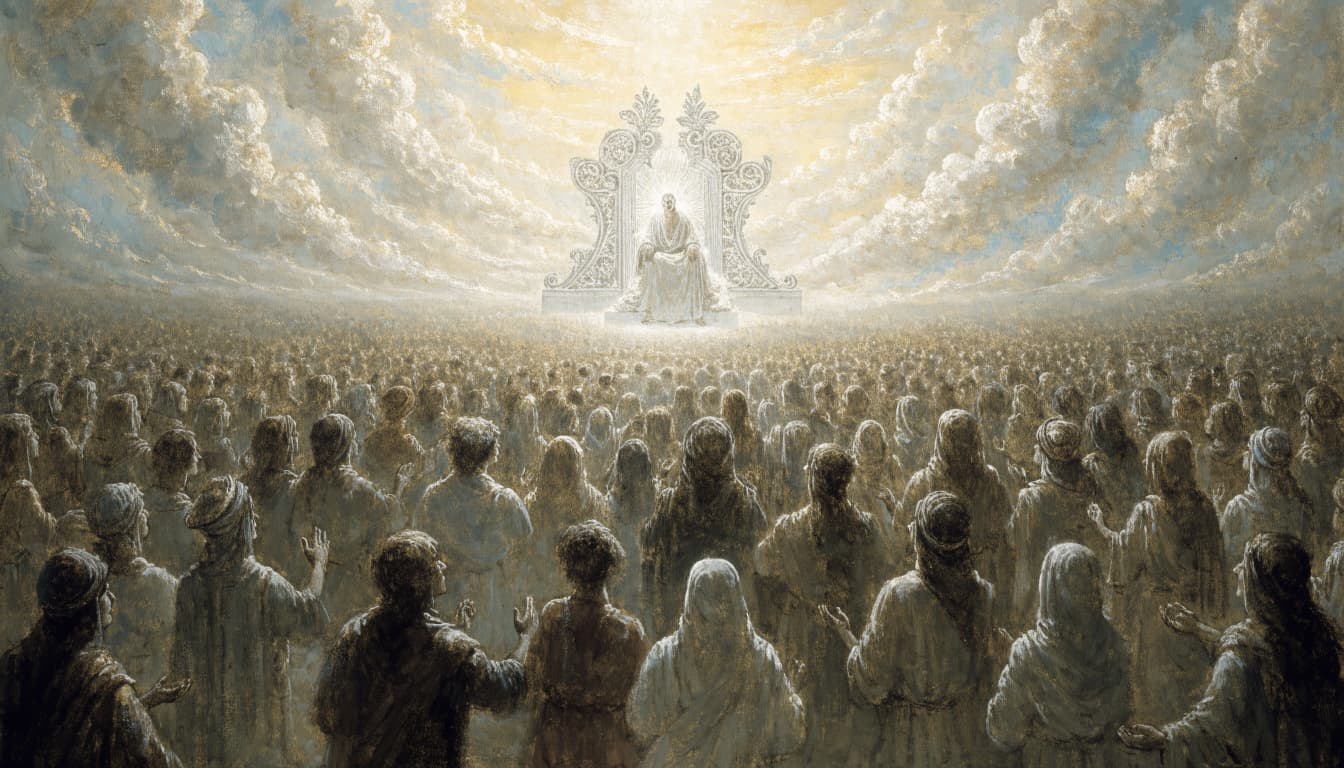
The scene is striking because the multitude is united in worship, yet John still names the many peoples and languages gathered there. The vision doesn't describe a single culture absorbing all the others. It shows people from across humanity praising God together, with the Lamb at the center.
This is the hope behind the Gospel's worldwide witness. As we face opposition, we remember that Jesus' mission is bigger than any one church, country, or generation. Revelation doesn't give us a precise mission-completion formula or a timetable for the end. It gives us a picture of God's saving purpose and the worship that belongs to Him. The chapter also describes God's servants sealed amid judgment, a theme explored in this discussion of Revelation 7 and tribulation.
The Kingdom welcomes people without erasing their cultures
The Biblical vision honors the Gospel's reach across peoples and languages. God welcomes people as they are, and the church's calling is to proclaim Jesus faithfully, not to treat another culture as a project or a problem to solve. We share the good news, listen well, and make room for people to follow Jesus within their own communities.
That work takes practical care. When people encounter Scripture in a language they understand, they can hear and study its message more directly. Translation, patient discipleship, and genuine fellowship help churches grow without demanding that newcomers copy every custom of the people who first welcomed them. The Gospel calls us to follow Jesus together, not to make everyone culturally identical.
What does that look like in practice? We can welcome people into church life without expecting them to hide their language or background. We can learn from believers whose experiences differ from ours, support local leaders, and build friendships that continue beyond a first visit. Those choices don't replace proclamation; they help make our welcome consistent with the message we proclaim.
Opposition may make the mission feel fragile, but Revelation directs our attention to God's promise. The multitude before the Lamb includes people from every kind of human community, and their worship belongs to Him. So we keep bearing witness now, trusting God to gather His people and giving thanks whenever people from different backgrounds worship Jesus together.
What Matthew 24:14 Does and Does Not Tell Us About the End
Does Matthew 24:14 give us a countdown to Jesus' return? The verse connects the Gospel's proclamation to all nations with the coming of "the end," but it doesn't tell us when that will happen or how to calculate it. We need to keep Jesus' promise clear without adding a timetable He didn't give.
The verse promises proclamation, not a date or a human checklist
Jesus says the Gospel of the Kingdom will be preached as a witness to all nations, and then the end will come (Matthew 24:14). That is the plain claim. The verse gives no calendar date, no number of unreached groups, and no minimum level of access that we can use as a test for predicting Jesus' return.
That distinction matters. The passage doesn't say how many people must hear, how much of the message they must understand, or what measurement proves the witness is complete. We shouldn't turn a promise about proclamation into a checklist Jesus never provided.
The disciples' question in Matthew 24:3 brings together the temple's destruction, Jesus' coming, and the end of the age. Christians differ on how Jesus' answer relates to first-century events, the church's mission through the ages, and a future crisis. Some see the passage primarily in light of Jerusalem's fall; others emphasize an ongoing or future fulfillment, and some understand it through more than one horizon. Futurist readings may also connect the discourse with interpretations of Daniel's final week, though Christians don't agree on that timeline either.
We can take Jesus' words seriously without insisting that one chronology is the only faithful reading. Matthew 24:14 gives us a promise and a sequence, but it doesn't explain precisely what "the end" means in every detail or identify a modern milestone that settles the debate.
Let the promise lead to faithfulness instead of speculation
Jesus' words give us reason for hope. The Gospel's witness continues despite opposition, and the end remains in God's hands. We can hold to that promise while admitting that sincere Christians still ask what the passage means and how its events fit together.
But questions about prophecy don't give us permission to set a date. Jesus says that no one knows the day or hour (Matthew 24:36). That doesn't make careful study pointless. It does remind us where our certainty should stop. We can examine Scripture, discuss different interpretations with humility, and resist claims that a current event or mission statistic has unlocked the date.
So we focus on what Jesus has made clear: remain faithful, endure when opposition comes, and bear witness to Him. We don't have to solve every question about the timeline before we trust His promise. Our hope rests in Jesus, not in our ability to predict when the end will come.
Conclusion
Jesus promises that the Gospel of the Kingdom will be proclaimed as a witness to all nations, even as His followers face opposition. He calls us to endure in faith, trusting the Holy Spirit to empower our witness, just as Jesus promised in Acts 1:8.
Revelation gives us a glimpse of the hope ahead: a multitude from every nation, tribe, people, and language worshiping God and the Lamb (Revelation 7). This is the scope of the mission and the hope behind the testimony of Jesus.
So we keep praying, loving others, and bearing witness to Jesus. We leave the timing in God's hands, without trying to set dates or measure His work by a human checklist.
A Promise That Crosses Every Border
Jesus told his disciples that they would face hatred and persecution, yet he also declared that the gospel of the kingdom would be proclaimed throughout the whole world as a testimony to all nations (Matthew 24:9–14). Opposition was not an unexpected obstacle to his promise. It was part of the setting in which that promise would unfold. When authorities tried to silence the apostles, they continued to testify that Jesus had risen from the dead. As believers scattered, they carried the message beyond Jerusalem (Acts 8:1–4).
The Gospel’s widening reach also fulfills God’s ancient promise to bless all families of the earth through Abraham (Genesis 12:3). From Judea to distant peoples and languages, the good news has crossed boundaries of culture, geography, and hostility. Its spread does not rest on human strength alone; it bears witness to Jesus, who gave his followers the mission to make disciples of all nations and promised to be with them (Matthew 28:19–20). Each new people hearing of his death and resurrection reminds us that God’s purposes remain steadfast, even when the messengers face resistance.
“The Gospel must first be proclaimed to all nations.” — Mark 13:10

Jesus Christ
Spoken amid Jesus’ warnings of persecution, this prophecy shows that opposition would not prevent the good news from reaching the nations.
The Gospel Advances Through Resistance
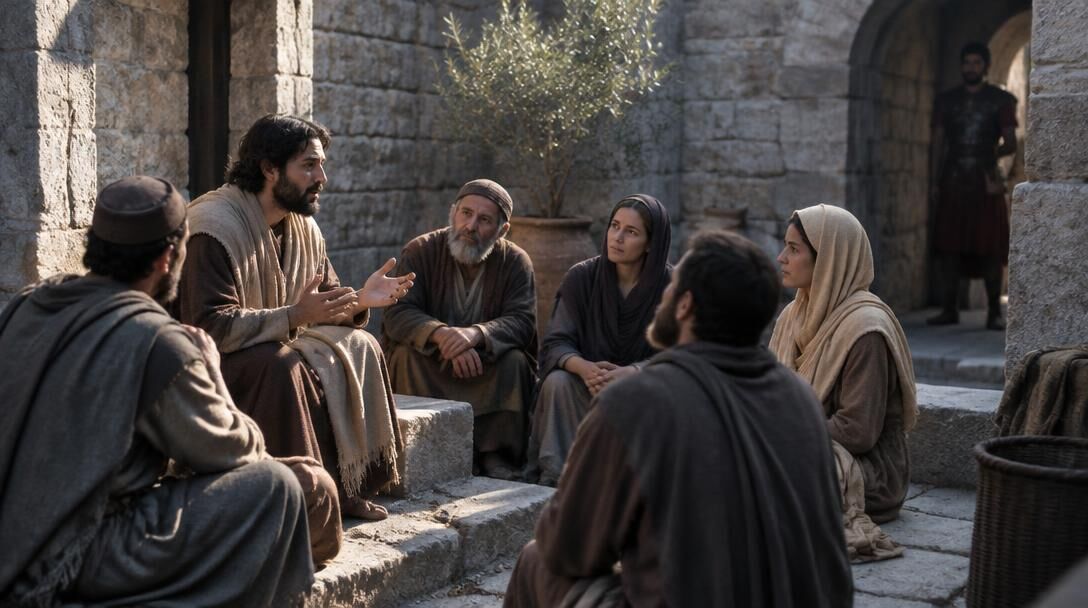
Jesus told His disciples they would face hatred and hardship, yet He also said the Gospel would be proclaimed to all nations (Matthew 24:9–14). The book of Acts shows both truths unfolding together: persecution scattered believers, and those believers carried the message of Christ into new places.
Across the centuries, opposition has taken many forms, but it has not ended the church’s witness. At Bible Prophecy Ministries, we examine this enduring pattern with Scripture as our guide, keeping the focus on Jesus rather than treating every conflict as proof of a specific prophetic event.
The Gospel’s Journey Across Nations
From Jerusalem to a connected world, these milestones show how believers have carried the good news across cultures, often amid resistance.
AD 30s
Witness Begins in Jerusalem
After Jesus’ resurrection, the apostles proclaimed Him in Jerusalem. Opposition soon followed, yet the early church continued to teach and share the Gospel.
AD 40s–60s
The Message Crosses New Borders
Believers carried the Gospel beyond Judea, while Paul and others preached among Gentile communities throughout the Roman world. The account in Acts shows the message reaching people of many backgrounds.
1500s–1800s
Scripture Travels in More Languages
Bible translation, printing, and cross-cultural missions helped more communities encounter the history of Jesus. That work unfolded amid political barriers, social resistance, and great personal cost.
2000s–Present
A Global Witness Continues
Today, local churches, translators, and digital ministries share the Gospel across national borders. Many believers can speak openly; others still face serious restrictions for their faith.
Questions About the Gospel and All Nations
Where does Jesus say the Gospel will reach all nations?
In Matthew 24:14, Jesus says the Gospel of the Kingdom will be proclaimed throughout the whole world as a testimony to all nations. The verse calls attention to the worldwide scope of that witness.
Does the Bible say believers will face opposition?
Yes. Jesus warns His followers of hatred and persecution in passages such as Matthew 10:16–22 and John 15:18–20. The New Testament also calls believers to respond with faithfulness and love.
Did persecution help spread the early church’s message?
Acts 8:1–4 records that believers scattered after persecution in Jerusalem and preached wherever they went. Their suffering was real, but opposition did not stop them from sharing the word.
What does “all nations” mean in these passages?
The Biblical language points beyond a single country to peoples from many nations and backgrounds. Revelation 7:9 pictures a multitude from every nation, tribe, people, and language worshiping before God.
Has the Gospel already reached every people group?
Christian communities exist across much of the world, yet access to Scripture and local Gospel witness varies widely. We should be careful about claiming that any present-day count definitively fulfills Matthew 24:14.
Does opposition mean a specific prophecy has been fulfilled?
Not necessarily. Scripture prepares believers for resistance, but a single event should not be labeled a precise prophetic fulfillment without careful attention to the passage and its context.
How should Christians respond when sharing their faith is difficult?
Jesus calls His followers to be wise and sincere (Matthew 10:16). Christians can pray, speak truthfully, show compassion, and seek appropriate support while respecting the safety of those at risk.
Why does Bible Prophecy Ministries connect this theme to Jesus?
Jesus is both the source of the Gospel and the one who foretold its worldwide proclamation. Our articles look at prophecy through Scripture while keeping His life, death, and resurrection central.
Where can I begin studying this topic in the Bible?
Start with Matthew 24:9–14, Acts 1:8 and 8:1–4, then read Revelation 7:9. Reading each passage in context helps distinguish what Scripture says from speculation about current events.
See How Prophecy Points to Jesus
Discover more Bible prophecy teachings and deepen your understanding of how Scripture reveals Jesus—even as the Gospel reaches all nations despite opposition.