
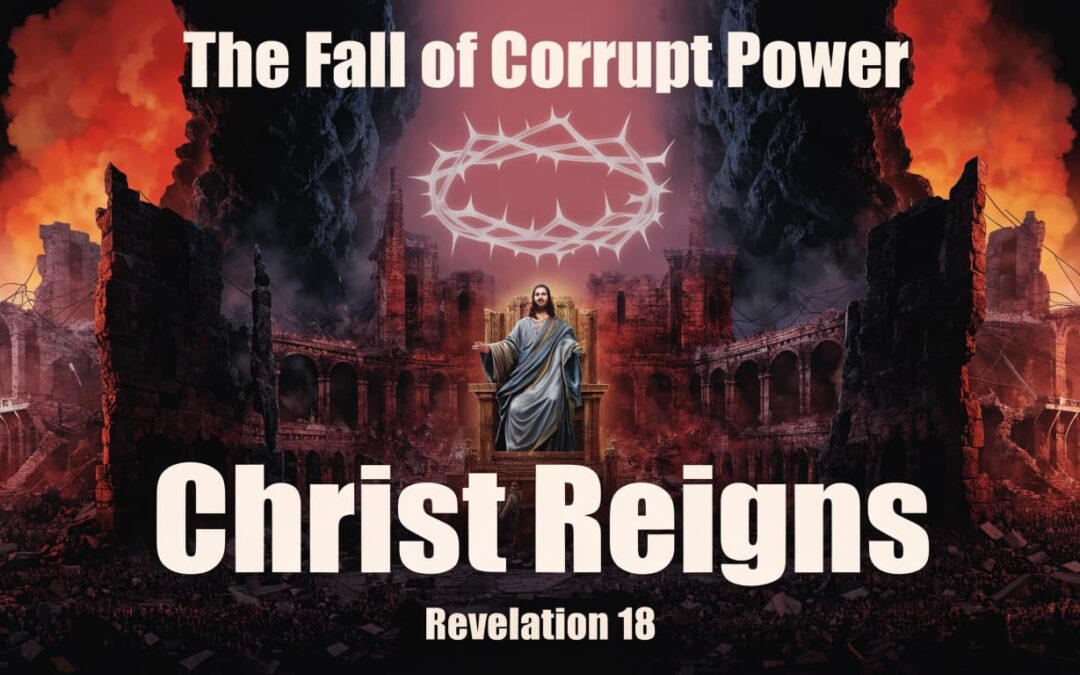
Babylon Falls in Revelation 18: Christ Reigns
Babylon's wealth and influence may seem secure, but Revelation 18 shows that no power set against God can stand when He judges it. The chapter's warning against corrupt power is sobering, yet it points us toward hope: earthly systems fall, and Christ remains King.
What does Babylon's fall mean for your faith? Let's follow the chapter's images and warning, then turn our eyes to the victory of Jesus. We'll also consider Babylon's fall and Christ's victory as Scripture calls God's people to reject corruption, trust His justice, and live faithfully with the Holy Spirit's help.
What Babylon Represents in Revelation
Babylon is more than a wealthy city in Revelation. It is a symbolic power built on rebellion against God, idolatry, political influence, luxury, and the exploitation of others. Revelation 17 and 18 show two views of this power, then expose what lies beneath its impressive appearance.
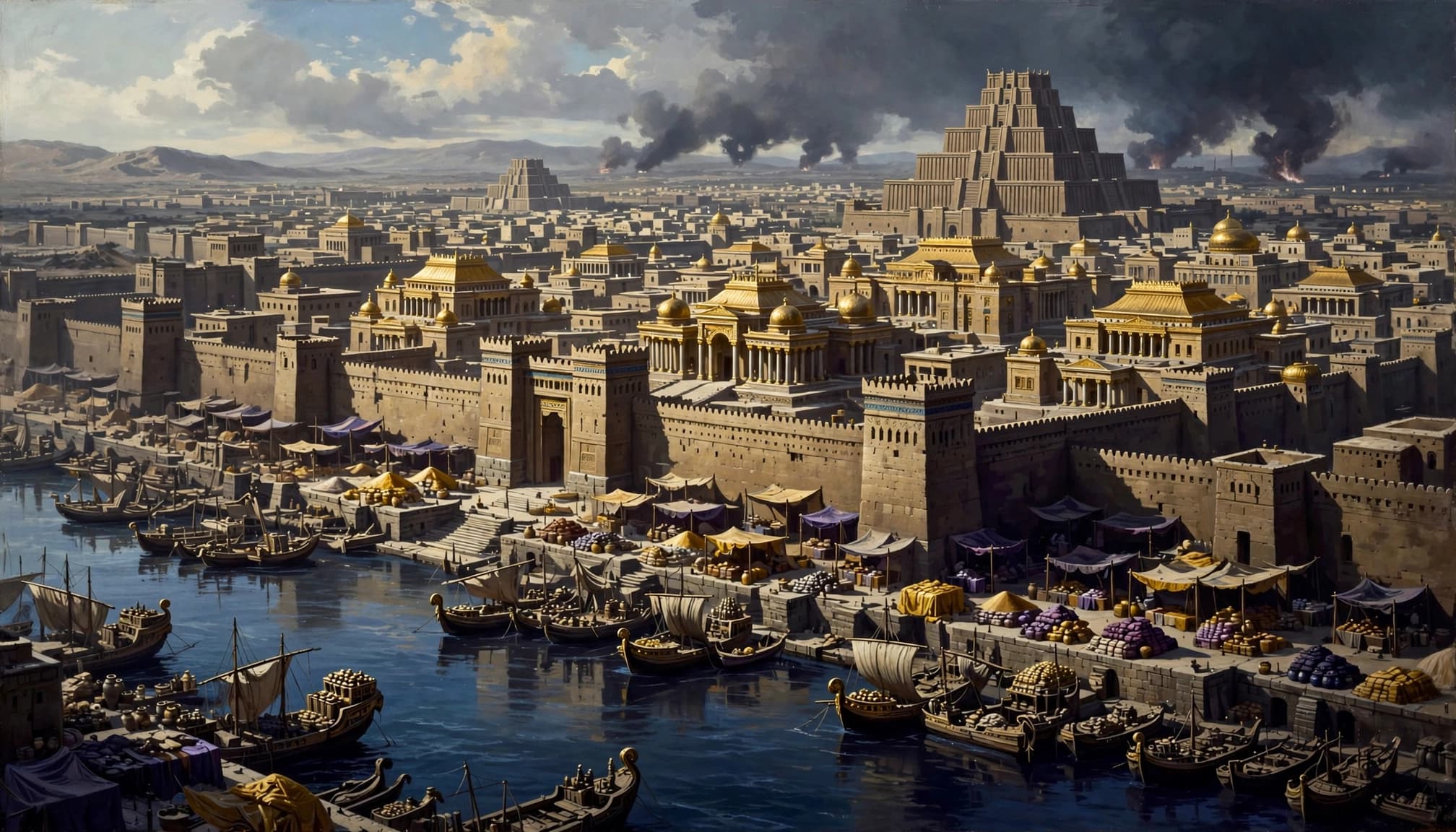
Babylon as a woman, a city, and a system
In Revelation 17:1-6, John sees Babylon pictured as a woman associated with a beast and the rulers of the earth. The image points to a corrupting influence that reaches into political power and draws people toward idolatry. In Revelation 18, Babylon appears as a city and commercial center. Kings, merchants, and seafarers mourn her fall because they have profited from her wealth.
That chapter's cargo list includes precious goods, livestock, and enslaved people. The final item makes the charge plain: Babylon's luxury depends on human exploitation, not just expensive possessions. We can see why her fall matters. God judges a system that deceives nations, enriches the powerful, and treats people as merchandise.
For a closer look at how the two chapters work together, see Babylon's symbolic meaning in Revelation 17 and 18.
The Old Testament background
The name Babylon reaches back to a real empire that conquered Jerusalem and carried many of God's people into exile. Old Testament prophets announced judgment on that empire and called God's people to leave its oppression behind. Revelation draws on that history, especially in Jeremiah 50 and Jeremiah 51.
But Revelation's Babylon is a vision, not a simple prediction that every detail points to one modern country or institution. John uses the old name to expose a recurring kind of power: proud, idolatrous, wealthy, and hostile to God's people. When the heavenly voice says, "Come out of her, my people," it calls for separation from Babylon's sins and judgment, though Christians differ on whether the image also implies physical departure.
Who does Babylon refer to?
Interpreters don't agree on one exclusive identification. Some understand Babylon as Rome in John's first-century setting, while others see a wider pattern of corrupt empire, a future power, or overlapping meanings. The political imagery and Rome's place in the ancient world make the Roman interpretation worth considering, but it remains an interpretation, not a settled fact. This study of Rome and Babylon in Revelation explores that connection.
We don't need to force every detail onto a current nation or institution to hear the warning. Babylon is any power that demands loyalty contrary to God, grows rich through corruption, and harms people while presenting itself as secure. Revelation's message is that such power will fall, while Jesus remains King.
How Babylon’s Fall Unfolds in Revelation 18
Revelation 18 moves from a heavenly announcement to Babylon's final removal. The repeated declaration, "Babylon is fallen," frames the chapter: her wealth and influence look secure, but Heaven announces that her judgment has come. You can follow the full sequence in Revelation 18.
The angel announces the fall of a powerful system
In verses 1–3, another angel descends with great authority, and the earth shines with the angel's glory. Then comes the startling announcement: Babylon has fallen. Her apparent splendor cannot soften the verdict. The angel's authority comes from Heaven, and the announcement makes clear that this corrupt power has no lasting security before God.
The passage connects Babylon's influence to nations, rulers, and merchants. The nations have been drawn into her corruption, the kings have shared in it, and merchants have grown rich from her luxury. These groups mourn later, not because Babylon has harmed people, but because her collapse takes away what they gained through her. John's vision exposes a system where political power and commercial wealth prosper alongside idolatry and exploitation.
A warning calls God’s people to come out
In verses 4–8, a voice from Heaven calls, "Come out of her, my people." The warning is about refusing Babylon's sins and not sharing in the judgment that follows. The words echo the prophetic call for God's people to leave Babylon behind, but Christians understand their application in different ways. Some emphasize moral and spiritual separation; others include physical departure, or both.
We don't need to turn the warning into a call to panic. God calls His people to faithfulness, not fear. You can ask what Babylon's sins look like in your own choices and communities, then refuse to take part in corruption, idolatry, or the mistreatment of others. The focus is loyalty to God, not speculation about a timetable for current events.
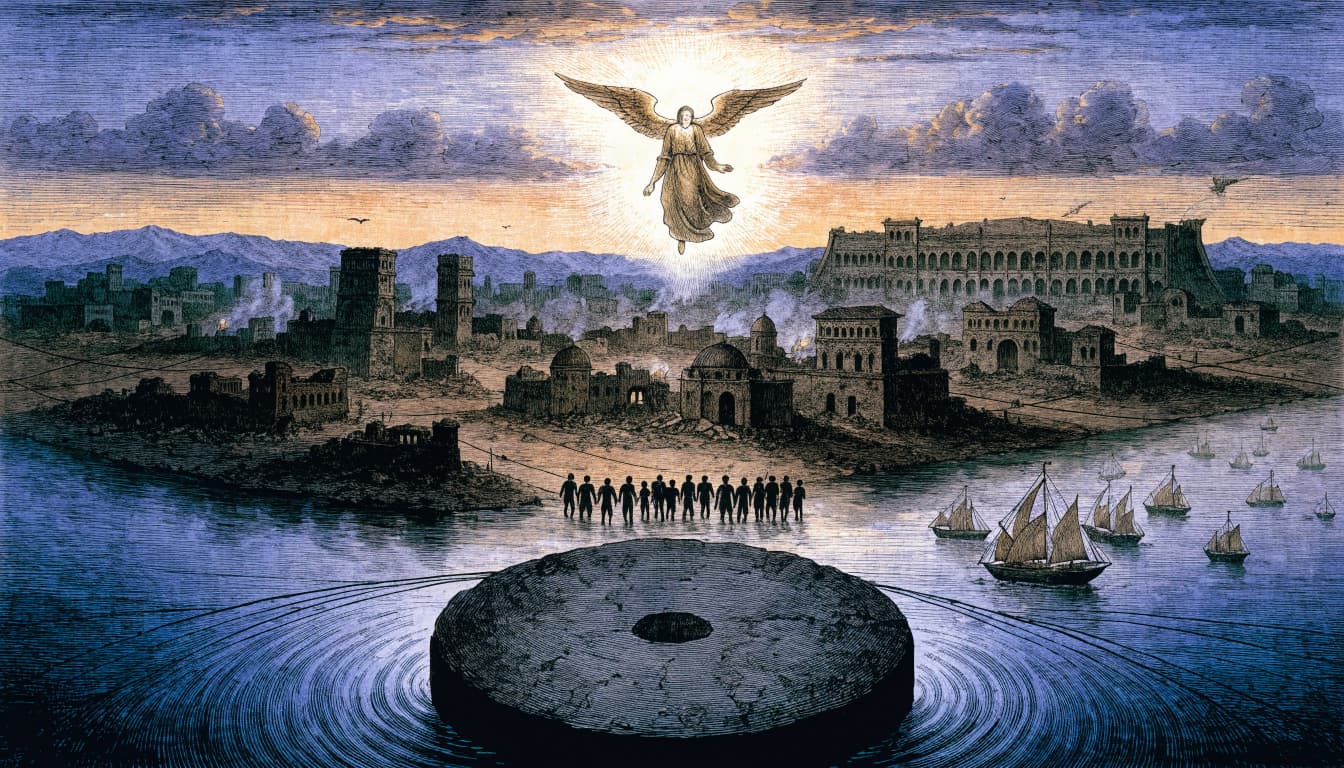
The millstone shows that the fall is final
The chapter next gives voice to Babylon's kings, merchants, and seafarers. They mourn as the city burns, and they stand at a distance, grieving the loss of the wealth and trade that benefited them. Their laments reveal how much they depended on Babylon's prosperity. In verse 20, Heaven is called to rejoice because God has judged the city for the harm she brought on His people.
Then a mighty angel throws a stone like a great millstone into the sea. The image is direct: Babylon will be cast down with violence and will not rise again. The chapter closes by naming the reasons for judgment, including the blood of prophets and God's people, and Babylon's deception of the nations. The fall answers the laments with God's justice, and the next chapter turns toward Christ's victory in Revelation 19.
Why Babylon’s wealth cannot hide its injustice
Revelation 18 does more than announce Babylon's fall. It lets us hear the people who profited from her power mourn what they have lost. Their words expose an economy built on influence, luxury, and human exploitation. The full chapter of Revelation 18 brings all three laments together.
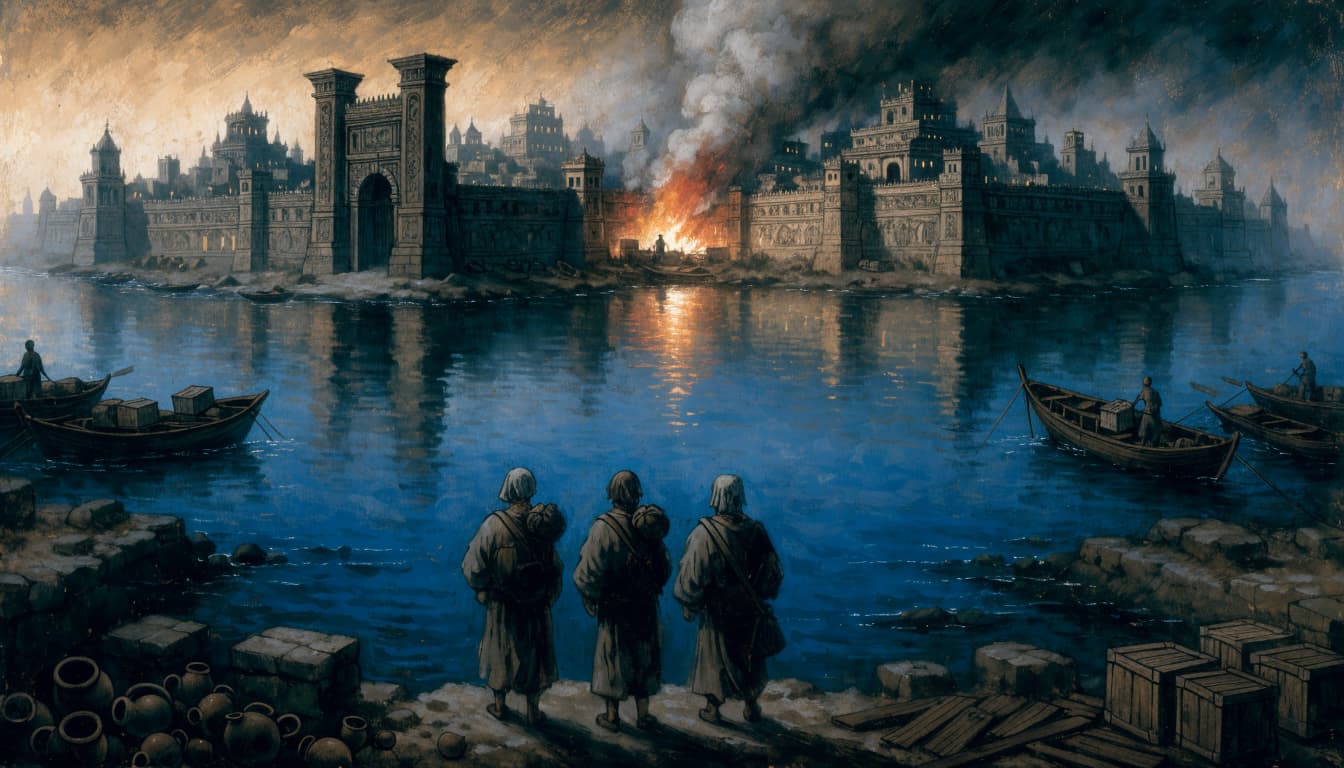
Kings and merchants mourn what they have lost
The kings of the earth weep when they see Babylon burning. They had shared in her power and luxury, so her destruction threatens their influence, too. Their lament is grief over a fallen ally, not sorrow for the people she harmed.
The merchants have a different loss in view: there is no one left to buy their cargo. Their trade had flourished because Babylon's appetite for luxury seemed endless. Now the market is gone, and so is their profit. As we read their words, the contrast is hard to miss: neither group confesses sin or asks for mercy. They mourn what Babylon gave them.
The cargo list exposes exploitation
The merchants' inventory includes gold, jewels, fine cloth, spices, wine, livestock, horses, and chariots. Then the list names "slaves and the souls of men." That final phrase changes how we hear everything that came before. The cargo is not only a record of expensive goods; it shows that human beings were treated as goods, too.
Babylon's display of wealth rests beside the suffering of people who could be bought and sold. Revelation's charge reaches beyond greed or excess. It condemns an economy that turns human lives into commodities while the powerful enjoy its rewards. We can explore more of this contrast in Babylon's commercial wealth and Christ's victory.
The seafarers watch from a distance
The shipmasters, sailors, and others who earn their living from the sea join the lament. Babylon's trade supported their work, so her fall threatens their livelihood as well. They stand at a distance, like the kings and merchants, watching the smoke rise while fearing the city's torment. The repeated distance matters: they grieve the destruction, but they do not draw near to help.
Three times, the mourners describe Babylon's collapse as happening "in one hour." The phrase sharpens the contrast between her vast wealth and her sudden ruin. It stresses how completely her security can disappear, not a literal schedule or a named modern event. The city that once seemed to command endless trade is suddenly beyond repair. Its wealth could not protect it from God's judgment, and its partners had no power to restore it.
God’s judgment brings justice, not personal revenge
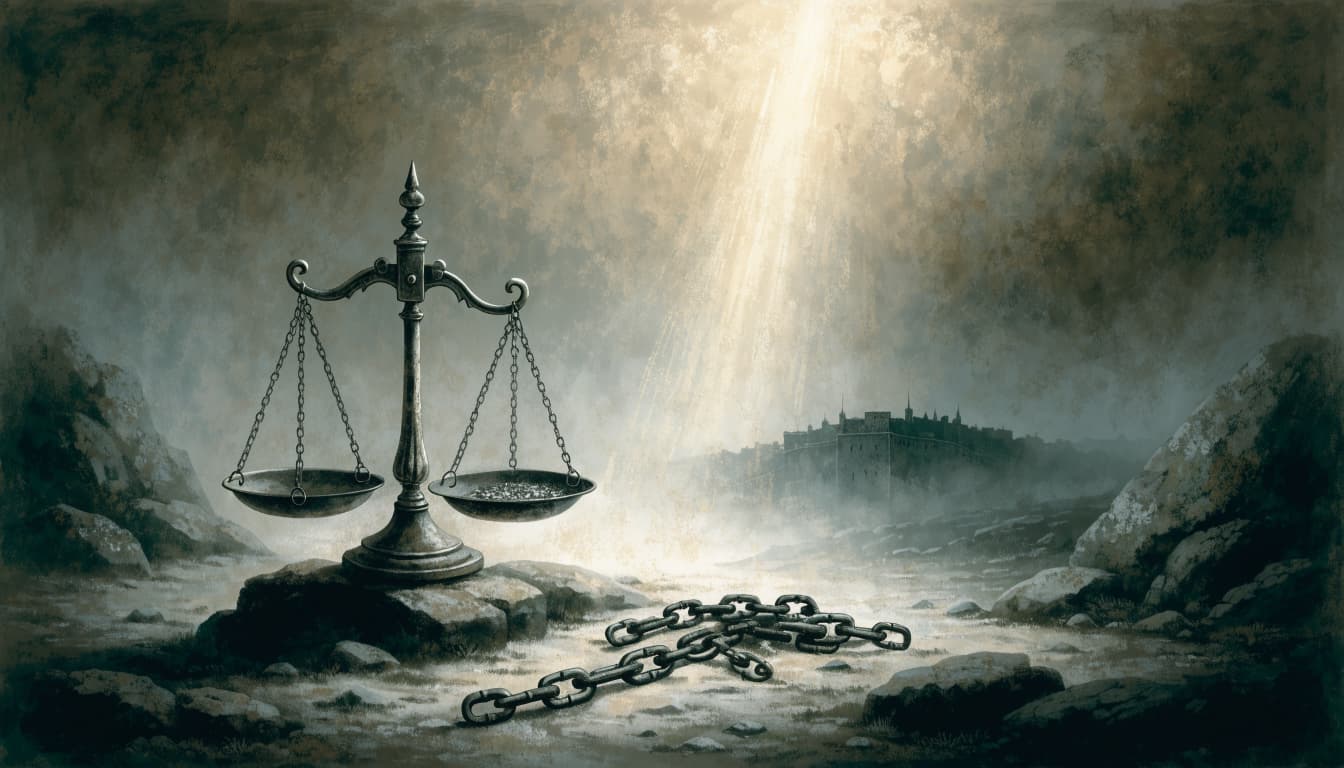
Revelation 18 does not ask us to celebrate cruelty or take pleasure in another person's suffering. It calls Heaven, God's people, the apostles, and the prophets to rejoice because God has answered oppression and vindicated the faithful who suffered under Babylon's power. That difference matters. We can long for justice without becoming people who seek revenge.
Why Heaven is called to rejoice
The command in Revelation 18:20 comes after the kings, merchants, and seafarers lament Babylon's collapse. They grieve the loss of power, trade, and wealth. Heaven sees the other side: a corrupt power that harmed God's servants has finally faced judgment.
The call to rejoice is about God answering the cries of the oppressed. The faithful were not forgotten, and Babylon's influence did not place her beyond God's reach. Heaven praises God for bringing justice, not because suffering itself is something to enjoy. We see that same distinction in Heaven's praise for God's judgment.
Judgment belongs to God
Babylon's judgment answers the sins she has allowed to accumulate: deception, violence, and the blood of God's servants. Her wealth and influence could not erase the harm she caused. God's verdict is not an impulsive reaction or a permission slip for believers to settle scores. He sees the whole truth and judges righteously.
So how should we respond when we've been wronged? Scripture tells us to refuse retaliation and leave judgment to God. Romans 12:17-21 calls believers to pursue peace and overcome evil with good. That doesn't mean we pretend injustice is harmless or demand that those who suffer stay silent. It means revenge is not ours to claim as holy.
We can grieve what Babylon did and still resist hatred toward people. We can pray for justice, protect those being harmed, and refuse to repay evil with evil. Confidence in God's justice is different from triumphalism. Revelation calls us to trust that Christ will judge rightly, while we remain faithful in how we treat others now.
Babylon falls, and Revelation turns our eyes to Christ
Revelation 18 ends with Babylon's downfall, but the vision doesn't leave us staring at a ruined city. It turns our attention to Heaven, where God is praised, the Lamb's marriage is announced, and Jesus appears as the victorious King. The contrast is clear: Babylon's wealth and influence end, but Christ's authority does not.
Heaven answers Babylon’s lament with praise
The kings, merchants, and seafarers mourn because Babylon's collapse takes away their power and profit. Heaven sees what their laments leave out: God has judged a corrupt power that deceived nations and shed the blood of His people. So the call in Revelation 18:20 is a call to rejoice in God's justice, not to take pleasure in human suffering.
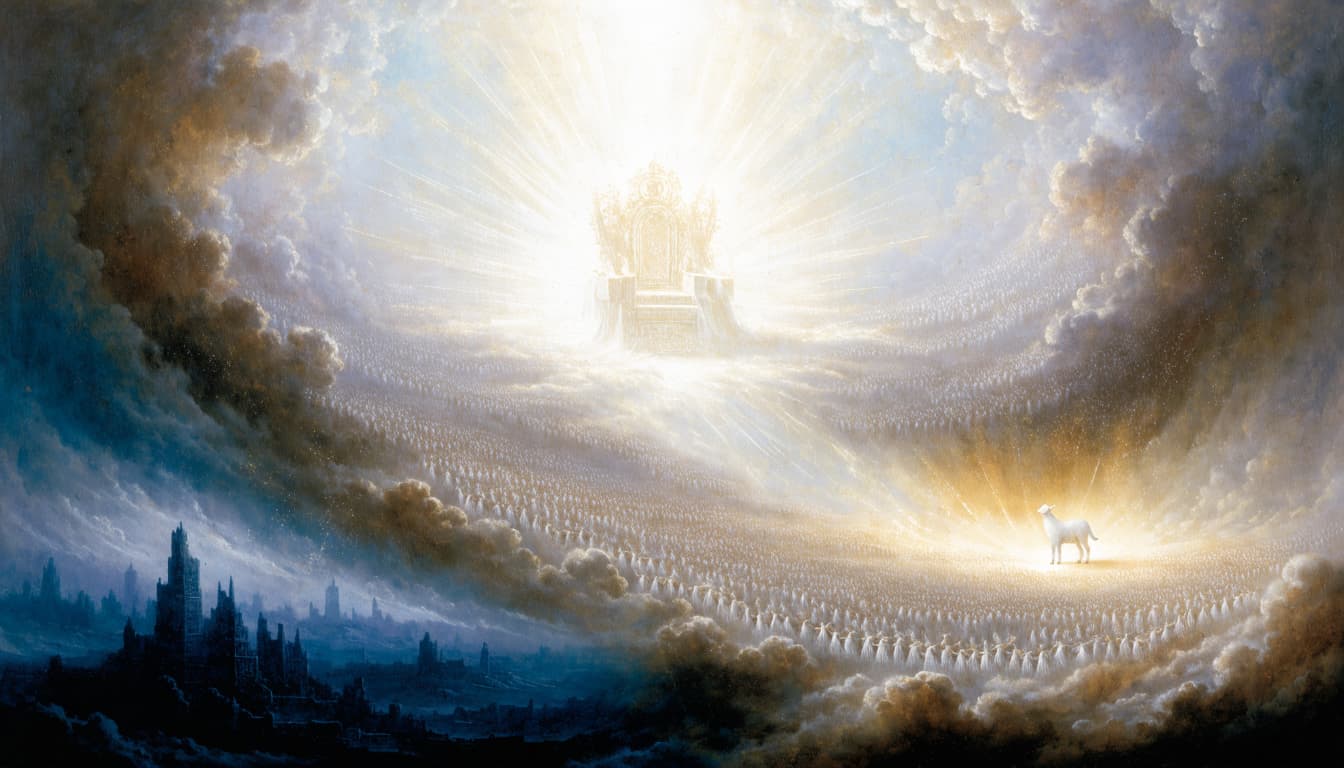
In Revelation 19, Heaven praises God for His righteous judgments. Then the marriage of the Lamb is announced, turning the scene toward joy, belonging, and the faithful people of Christ. You can read more about the marriage supper of the Lamb in Revelation 19.
That praise doesn't ask us to celebrate anyone's pain. It declares that evil will not have the final word, and that God has not forgotten those who suffered under Babylon.
Christ’s victory is sure, while timelines remain debated
John next sees Jesus as the rider called "Faithful and True." He is also called "The Word of God" and "King of kings and Lord of lords." These titles show Christ's authority over the powers gathered against Him. The Lamb who was praised is the same Jesus who comes as the victorious King. We can explore Christ's authority as King of kings without confusing His victory with a timeline Revelation doesn't spell out in chapter 18.
The thousand-year reign appears explicitly later, in Revelation 20:4-6. Christians differ on how to understand the timing and sequence of these visions. Some read Revelation 19 and 20 as a chronological sequence; others understand parts of the book as visions that revisit events from different angles. We can recognize those differences without weakening the shared hope: Jesus reigns, and His victory is sure.
The Holy Spirit strengthens faithful living now
Revelation's vision calls us to keep our allegiance to Jesus while Babylon's values press in. That means resisting idolatry, greed, deception, and injustice in the choices we make. It also means refusing to label a particular modern institution as Babylon when the text doesn't clearly identify it.
We need the Holy Spirit's courage and discernment to live faithfully, speak truth, and refuse the world's rebellion. Christ's authority gives us hope, while the Spirit helps us bear faithful witness now. We don't have to settle every debate about prophetic timing to know whom we serve.
What Babylon’s fall means for everyday faith
Revelation's warning reaches beyond debates about prophecy. It asks what has our loyalty, what shapes our choices, and whether our daily lives reflect the Kingdom of God. We don't need to identify a modern Babylon to take those questions seriously.
Choose God’s Kingdom over status and excess
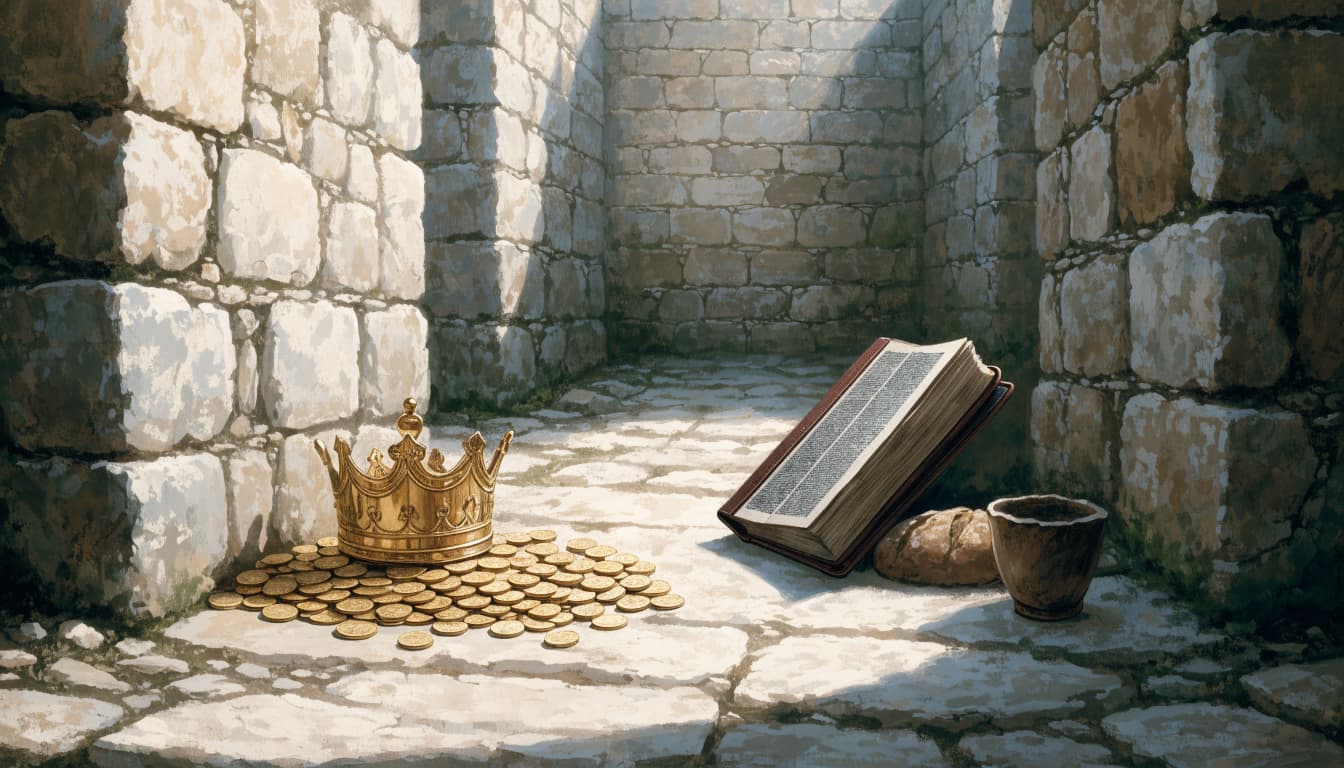
Babylon's luxury warns us not to measure a life by money, status, or what we can buy. That doesn't mean wealth itself is evil. Scripture warns against trusting riches or letting them claim the place that belongs to God. Jesus points our attention to the connection between our treasure and our heart in Matthew 6:19-21.
So, where might comfort or ambition be competing with obedience? We can ask ourselves a few honest questions:
- Do my financial choices reflect gratitude and generosity, or mostly a desire for more?
- Am I tempted to compromise integrity at work to gain approval, security, or influence?
- Do I notice when other people bear the cost of my convenience?
These questions aren't a reason to shame ourselves or others. They help us bring our priorities before God and make faithful choices. Paul tells those who have wealth to do good, share freely, and place their hope in God, not uncertain riches, in 1 Timothy 6:17-19. That's a clear picture of stewardship: what we have can serve people and honor God.
Practice discernment without fear or speculation
Revelation calls God's people to leave Babylon's sins behind. The words "Come out of her, my people" invite us to refuse participation in corruption, exploitation, and idolatry. They don't give us permission to label every powerful institution or headline as a certain sign of the end.
Discernment begins with Scripture, prayer, and the Holy Spirit's guidance. We can look honestly at systems that reward deception, mistreat vulnerable people, or excuse violence, then ask how to act with integrity and compassion. We can also test dramatic claims against Scripture instead of letting fear or online speculation set the pace. For guidance on weighing spiritual claims, see Revelation 19:10's warning against angel worship.
What if injustice seems to prosper anyway? We keep doing what is right, care for people who face exploitation, and trust God to judge with justice. Our hope rests in Christ's reign, not in our ability to predict how or when every corrupt power will fall.
Conclusion
Revelation 18 reminds us that wealth, influence, and power built against God cannot last. Babylon's fall exposes the cost of corruption and exploitation, while the call to "come out of her" urges us to refuse those sins and remain faithful to God. We can read the chapter's warning in Revelation 18.
God's judgment answers the harm Babylon brought upon His people. We don't have to seek revenge or fear the collapse of earthly power. We can trust His justice, ask the Holy Spirit for courage and discernment, and keep choosing what honors God.
Then the vision turns toward Jesus, the Faithful and True King. Babylon falls, but Christ reigns. So hold fast to Jesus, and let His victory steady your hope when earthly powers seem secure.
The Fall of Babylon and the Reign of Christ
Revelation 18 announces the fall of Babylon with a cry that echoes through Scripture: “Fallen, fallen is Babylon the great!” The chapter portrays a power enriched by luxury, trade, and corruption, whose influence reaches across nations. Its sudden judgment exposes how fragile earthly glory becomes when it stands against God. Kings, merchants, and sailors mourn what they have lost, but their grief cannot restore a kingdom built on rebellion.
In the Biblical history, Babylon is more than the memory of an ancient empire. Its name recalls human pride, idolatry, and opposition to God’s people. Revelation gathers those themes into a final warning: no wealth or political power can shield evil from divine judgment. The call to “come out of her, my people” urges believers to resist her sins rather than share in her downfall. Prophecy is therefore not only a glimpse of what will happen; it is a summons to faithfulness now.
Babylon’s fall prepares the way for the praise that follows in Revelation 19, where heaven celebrates God’s righteous judgments and the victory of Christ. The powers that seemed permanent do not have the final word. Jesus does. Revelation 18 invites us to measure every earthly promise against his enduring kingdom, to trust his justice, and to live in hope of the day when his reign is seen by all.
Banner Subheading
Banner Heading
“Fallen, fallen is Babylon the great! … Rejoice over her, O heaven … for God has given judgment for you against her.” — Revelation 18:2, 20
Babylon Falls; Christ’s Kingdom Endures
Revelation 18 portrays Babylon as a powerful center of wealth and influence whose luxury masks corruption and violence. Her sudden fall shows that no earthly system can outrun God’s judgment. The chapter’s call for God’s people to come out of her is also a call to faithfulness: refuse to share in practices that exploit others or draw the heart away from the Lord.
Babylon’s merchants mourn what they have lost, while heaven rejoices that God has answered the cries of His people. This contrast reveals the justice at work in the passage. Read alongside Revelation 19, Babylon’s end prepares the way for the open celebration of Christ’s victory. What seems secure in this world passes away; the reign of Jesus does not.
Babylon’s Fall in Revelation 18: Common Questions
Who is Babylon in Revelation 18?
Babylon is the name Revelation gives to a corrupt power marked by luxury, idolatry, and persecution. Christians differ on whether the image points chiefly to ancient Rome, a future center of power, or a recurring pattern of rebellion. In every reading, Babylon stands opposed to God’s ways.
Why is Babylon called “the great”?
The title reflects her far-reaching influence over rulers, merchants, and nations. Revelation calls attention to that apparent greatness so readers can see how quickly it vanishes when God judges her.
What does Babylon’s fall mean?
Her fall means that God will bring corrupt power to an end. Revelation 18 emphasizes that wealth, trade, and political influence cannot protect a society from judgment when it persists in injustice and rebellion.
Why does Revelation say her judgment comes “in one hour”?
The repeated phrase stresses the suddenness of Babylon’s collapse. Those who trusted in her strength are stunned to discover that what seemed permanent was fragile before God.
What does it mean to “come out of her”?
Revelation 18:4 calls God’s people not to share in Babylon’s sins. It urges believers to remain faithful to Christ rather than adopt the greed, idolatry, and injustice the passage condemns.
Why do the merchants mourn Babylon?
They mourn because the market for their goods has disappeared. Their grief exposes how deeply they depended on Babylon’s wealth, while the chapter asks readers to notice the human cost hidden behind her luxury.
Why does heaven rejoice at Babylon’s fall?
Heaven rejoices because God has answered the suffering of His people and brought justice against oppression. The rejoicing celebrates the end of evil, not a disregard for human loss.
How does Revelation 18 point to Christ’s reign?
Babylon’s downfall clears the contrast between passing earthly power and the lasting rule of Jesus. Revelation 19 follows with heavenly praise and the announcement of the Lord’s reign, directing hope toward Christ rather than any worldly kingdom.
How should Christians read Revelation 18 today?
Read it with humility, discernment, and hope. The passage invites believers to examine where wealth or power may compete with loyalty to Christ, to seek justice for those harmed by exploitation, and to trust that God will not leave evil unanswered.
Keep Exploring Prophecy. See Christ Reign.
Babylon falls, but Christ’s Kingdom endures. Explore how Scripture reveals Jesus as the promised Messiah and reigning King—and what His victory means for the future.