

Persecution and Perseverance: Jesus’ Call to Endure
Jesus warns that His followers may face hatred, betrayal, and pressure to turn away, yet He calls them to remain faithful. That tension sits at the heart of Matthew 24:9–14, Mark 13:9–13, and Luke 21:12–19, three accounts within the Olivet Discourse.
As independent, Spirit-filled Pentecostals, we'll consider what Jesus promised, what He didn't promise, and how His words can strengthen believers today, while recognizing that Christians interpret some details differently. Let's begin with how to read the Olivet Discourse and keep our focus on Jesus' call to endure in faith.
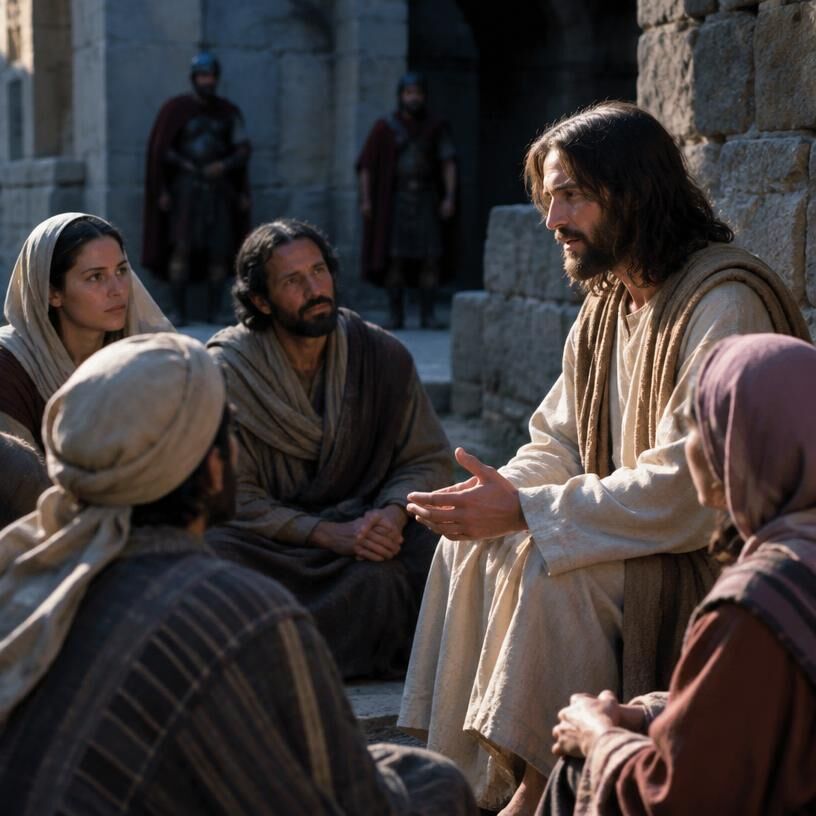
Watch a scene from the Olivet Discourse
Persecution and Perseverance in Jesus’ Olivet Discourse
Jesus' words about persecution come in a teaching prompted by a startling prediction: the Temple would be destroyed. The disciples ask when this will happen and what signs will accompany it. Their questions open a discussion about coming trials, faithful witness, and the end, but the three Gospel accounts do not present every detail in the same order.
The warning begins with the Temple and the end
The Olivet Discourse is the teaching found in Matthew 24–25, Mark 13, and Luke 21. In Matthew, Jesus leaves the Temple, and His disciples point out its buildings. He answers that not one stone will be left upon another. That prediction sets the scene for the questions that follow (Matthew 24).

The focus then turns to what Jesus' followers will face. Matthew describes hatred, betrayal, deception, lawlessness, love growing cold, endurance, and the proclamation of the Kingdom gospel to all nations (Matthew 24:9–14). We should keep that setting in view. Jesus is answering questions raised by His Temple prediction, even as His words reach beyond one detail or moment.
Three Gospel accounts, with different details
Each Gospel gives us a distinct emphasis. Matthew connects persecution with betrayal, false prophets, lawlessness, cooling love, and endurance. He also links the proclamation of the Kingdom gospel to all nations with the end. Those details keep the spiritual and communal cost of persecution in view: pressure can come from outside the community, but deception and betrayal can wound it from within.
Mark gets concrete about the settings where followers may face opposition. He names councils, synagogues, governors, and kings, and says that testimony will be given before them. Mark also says the gospel must first be preached to all nations (Mark 13:9–13). The warning is not abstract. Jesus speaks of legal authorities, public accusations, and even betrayal within families.
Luke highlights what persecution can become: an opportunity to testify. He names arrests, prisons, kings, and governors, then records Jesus' promise to give His followers words and wisdom their opponents cannot refute (Luke 21:12–19). As Pentecostals, we recognize how this promise fits Luke–Acts' larger emphasis on God's empowerment for witness. Still, Luke 21:15 names Jesus as the One who gives that wisdom; we should not claim the verse explicitly says more than it does.
What the passages do and do not settle
Christians differ over how these sayings relate to Jerusalem's fall in AD 70 and to future events. The text itself gives us details to notice before we settle on a timeline. For example, Matthew and Mark place the persecution warning within their sequence of events, while Luke says it happens "before all this." That difference deserves attention rather than a quick attempt to make the accounts sound identical.
Some readers see the passages as describing events tied closely to Jerusalem's destruction; others understand them to include a wider period of tribulation and future fulfillment. Interpretations of Daniel's final week and Jesus' prophecy show how Christians connect these passages with broader prophetic timelines, but no single timetable is universally accepted.
So let's keep direct observation and interpretation distinct. Jesus clearly warns of persecution, calls His followers to endure, and speaks of testimony under pressure. The precise relationship among those events, Jerusalem's fall, and the end remains a matter Christians interpret differently.
How Hatred and Betrayal Test a Disciple’s Faith
Jesus prepared His followers for opposition, but He didn't tell them to live in fear. He named the pressures they could face so they could remain faithful and bear witness when the moment came. The passages describe both public hostility and painful betrayal by people close to them.

Hatred comes because of Jesus’ name
In Matthew 24:9–14, Jesus says His followers will be handed over to tribulation, hated by all nations because of His name, and, in some cases, killed. Mark and Luke add details about arrest and public authority. Disciples may be brought before councils, beaten in synagogues, and taken before governors and kings. Luke also names prisons as places where followers may be held (Mark 13:9–13; Luke 21:12–19).
The stated reason matters: hostility comes because of allegiance to Jesus and His name. That doesn't mean every disagreement, criticism, or consequence a Christian faces is persecution. We should look carefully at what Jesus says, rather than use the word for every conflict. In Luke's account, these public trials become occasions to testify, and Jesus promises to give His followers words and wisdom.
Betrayal can reach into the closest relationships
The warning becomes even more painful when Jesus speaks of betrayal within families. Mark names brothers, fathers, children, and parents. Luke adds parents, siblings, relatives, and friends. Matthew describes people betraying and hating one another, alongside deception and love growing cold (Matthew 24:9–13).
That kind of harm can bring grief, confusion, and a sense of isolation. Jesus doesn't minimize it or pretend that faith makes betrayal painless. And His call to endure does not mean you must remain in danger or accept abuse. Seeking safety, wise counsel, and practical help is compatible with faithfulness. We can take Jesus' warning seriously while caring for those who have been wounded.
Faithfulness may carry a real cost
Jesus says plainly that some of His followers will be put to death. He promises that those who endure to the end will be saved, but He does not promise every faithful witness will avoid prison, violence, or death. Luke's closing words about gaining life through endurance point us toward hope in God, not a guarantee of physical safety in every circumstance.
Stephen offers a sobering Biblical example. In Acts 7:54–55, his hearers respond with rage, while Stephen remains fixed on Jesus. The chapter goes on to recount his death. His witness did not spare him from violence, but his faithfulness remained clear to the end.
Jesus warns us so we can be prepared, not so fear can rule us. We can pray for courage, seek help when needed, and keep our attention on the One who calls us to endure. For more on standing firm when faith is tested, we can keep looking to Jesus, the faithful and righteous King.
Why Lawlessness Can Make Love Grow Cold
In Matthew's account of the Olivet Discourse, lawlessness does not appear in isolation. Jesus places it beside deception, betrayal, hatred, and love growing cold, a sequence that shows how sin damages trust and relationships within a community. We should hear this as a warning about moral and spiritual harm, not as a label to pin on a modern political group or a single current event.

Deception and betrayal weaken the community
Jesus warns that false prophets will deceive many. He also describes people turning away, betraying one another, and responding with hatred. These harms feed one another: deception twists what people trust, while betrayal makes it harder to trust those around them. When lawlessness spreads, love can cool because selfishness and wrongdoing start to feel normal.
That warning calls for discernment, not suspicion toward everyone. We don't need to treat every disagreement as proof of deception, or assume that every person who gets something wrong is a false prophet. We can test teaching against Scripture and look at its fruit. Does it point people toward Jesus, truth, humility, and love of neighbor? Or does it excuse harm and produce control, fear, and contempt?
Matthew's warning is sobering, but Jesus doesn't tell His disciples to become suspicious of one another. He calls them to stay faithful, hold fast to truth, and keep watch over the health of their community. Discernment rooted in Scripture and Christlike character helps us guard against deception without letting fear govern our relationships.
Cold love is a danger, not a command to withdraw
Jesus connects increasing lawlessness with love growing cold. Fear, anger, and repeated harm can make withdrawal feel like the only safe response. We may find ourselves expecting the worst from everyone, or deciding that compassion is foolish. But Jesus names cold love as a danger. He does not command His followers to abandon love when others fail them.
Faithful love does not mean excusing wrongdoing, staying silent about abuse, or giving someone unlimited access to hurt us again. Wise boundaries can protect those at risk and make room for truth and accountability. If you face danger, seek safety and help from trustworthy people. We can refuse revenge and still name harm honestly.
Love can remain faithful without pretending trust has been repaired. Forgiveness, reconciliation, and restored trust are not the same thing, and they don't always happen at the same pace. Jesus calls us to love our neighbor, but He never asks us to call evil good.
Endurance means resisting the pressure to turn away
In Matthew 24:9–14, endurance belongs in the same passage as hatred, betrayal, deception, and persecution. It means continuing in faithfulness to Jesus under pressure, even when fear or pain tempts us to abandon Him or turn against others.
Endurance isn't a measure of personal toughness, and it isn't a reason to ignore danger. We may need help, protection, wise counsel, and the support of a faithful community. As independent, Spirit-filled Pentecostals, we believe God strengthens His people to bear witness to Jesus. We keep following Him, seek help when we need it, and refuse to let lawlessness teach us to stop loving.
How Persecution Becomes an Opportunity to Bear Witness
Jesus speaks about persecution as something His followers may face, but He also shows what can happen in the middle of it. Trials before authorities become occasions to testify about Him. The pressure is real, and so is the witness.
Jesus promises words and wisdom under pressure
In Luke 21:12–19, Jesus tells His followers they may be arrested and brought before authorities. Then He says these moments will give them an opportunity to bear witness. His promise in verses 14–15 is specific: He will give them words and wisdom their opponents cannot withstand or contradict.
Jesus doesn't name the Holy Spirit in these verses, so we shouldn't claim that He does. He promises His own help for the testimony His followers must give. That promise isn't a reason to avoid studying Scripture or preparing to speak about our faith. It assures us that when opposition comes, we aren't left to depend on our own strength alone.
The Spirit empowers witness in the wider Biblical picture
As independent, Spirit-filled Pentecostals, we connect Jesus' promise with the wider pattern in Luke and Acts: God empowers His people to bear witness. That's a Biblical and theological connection, not a direct quotation from Luke 21:15. We see it clearly in Stephen's testimony. In Acts 7:54–55, Stephen faces an enraged council and remains focused on Jesus.

Stephen's testimony does not spare him from violence. Acts goes on to recount his death, yet his witness remains clear under pressure. We shouldn't turn Jesus' promise into a guarantee of safety or treat Spirit-empowered witness as a substitute for preparation. The wider picture gives us confidence that the Holy Spirit helps believers speak faithfully, even when the cost is high. We see that same connection between Pentecost and public witness in the apostles' proclamation of Jesus.
The Gospel still goes to every nation
Mark and Matthew also connect witness with the end. In Mark 13:10, Jesus says the Gospel must first be preached to all nations. In Matthew 24:14, He says the Gospel of the Kingdom will be preached in all the world as a testimony to all nations, and then the end will come.
The wording and sequence differ. Mark says the Gospel must be preached first; Matthew links worldwide testimony with what happens then. Christians also differ on how these statements relate to Jerusalem's fall and future events. We shouldn't use them to calculate a date, or claim persecution guarantees one specific outcome. Jesus' point is that the Gospel is to be proclaimed, even amid opposition.
What It Means to Endure to the End and Be Saved
What does Jesus mean when He says the one who endures to the end will be saved? We need to read that promise alongside His warnings about hatred, betrayal, deception, and even death. Jesus calls His followers to remain faithful through hardship. He is not saying that suffering earns salvation, or that good behavior buys God's favor.
Matthew and Mark connect endurance with salvation
In Matthew 24:9–14 and Mark 13:9–13, Jesus speaks of disciples being hated because of His name, with some facing betrayal, persecution, and death. Matthew also warns about deception, lawlessness, and love growing cold. Mark names councils, synagogues, governors, and kings, where followers will testify about Jesus.
Then both accounts close with the promise that the one who endures to the end will be saved. In context, endurance means continuing in allegiance to Jesus when pressure tempts us to turn away. The promise is not a formula where pain earns eternal life. Salvation comes through God's saving work in Jesus, and endurance describes the faith that holds fast to Him. We can read more about Jesus' suffering and resurrection in God's saving plan.
Luke speaks of gaining life through endurance
Luke's wording is related, but not identical. In Luke 21:18–19, Jesus says, "By your patience possess your souls." The surrounding passage, Luke 21:12–19, makes the difficulty plain: Jesus warns that some disciples will be put to death, while also promising that not a hair of their head shall be lost.
That can sound contradictory if we read "not a hair" as a promise of physical protection. But Luke has already said that some will die. Jesus is pointing to their ultimate life and security in God, not guaranteeing that every believer will escape bodily harm. Faithful endurance may include suffering and death. It still rests in the hope that death does not have the final word.
Endurance is a daily reliance on Jesus
Endurance is more than gritting our teeth and trying harder. It is continued trust, obedience, prayer, and hope when hardship presses in. We keep following Jesus one day at a time, even when we cannot see how the trial will end.

As independent, Spirit-filled Pentecostals, we believe God sustains His people, and the Holy Spirit strengthens believers to remain faithful and bear witness. These passages do not promise that we will avoid every danger. They do show that Jesus does not leave His followers without hope or help. So when fear, betrayal, or suffering makes faith feel costly, we can ask God for strength and continue to trust Him.
How Believers Can Stand Firm Without Giving In to Fear
Jesus prepares His followers for opposition, but He doesn't call them to live in dread. We stand firm by keeping His words close, seeking help from God and trusted people, and choosing faithful witness over fear or retaliation. Persecution for following Jesus is serious, but ordinary disagreement is not automatically persecution. We need wisdom to tell the difference.
Stay rooted in Scripture and the hope of the Kingdom
When pressure rises, return to what Jesus actually said. In Matthew 24:9–14, He warns of hatred, betrayal, deception, and love growing cold. He also speaks of endurance and the proclamation of the Gospel of the Kingdom. His words prepare us to remain faithful, not to treat every hardship as proof that the end has arrived.
The hope of the Kingdom keeps suffering in perspective. Opposition may be real, and its effects may be painful, but it does not cancel God's promises or take Jesus off the throne. We can keep reading Scripture, remember His teaching, and learn from sound Biblical instruction rather than letting alarming claims or online speculation shape our response. Tracing Scripture's path to Jesus can help keep our attention on Him and the hope He gives.

Seek prayer, wise support, and practical safety
Fear can make us feel alone, but we don't have to carry it by ourselves. Pray for courage and wisdom, and reach out to trusted believers or church leaders who will listen carefully and respond with care. A faithful community can help us think clearly, find support, and avoid making a hard situation harder through panic or isolation.
Spiritual endurance does not mean staying in immediate danger, tolerating abuse, or refusing lawful protection. If you face a credible threat, take practical steps to get to safety and seek help from people you trust. The right response depends on the circumstances, and not every believer faces the same risks. Luke describes persecution that became an occasion for testimony, while also naming the real dangers Jesus' followers faced (Luke 21:12–19). A commentary on Luke 21:5–19 also considers how witness and warning sit together in the passage.
Bear witness with courage, wisdom, and love
When someone challenges our faith, we can speak truthfully and graciously without returning insults or threats. Jesus promised His followers words and wisdom when they faced opposition. We can ask God for help, prepare to explain what we believe, and remember that a faithful answer doesn't need to be loud to be clear.
Public boldness is only one kind of witness. Some believers testify before authorities; others keep faith through prayer, compassion, and daily obedience when no crowd is watching. We shouldn't measure faithfulness by who speaks most forcefully. We bear witness to Jesus when our words are honest, our conduct reflects His love, and we refuse to repay harm with harm.
Conclusion
Jesus prepares His disciples honestly: hatred, betrayal, and lawlessness can test their faith and make love grow cold. Still, He calls them to endure, bear witness, and hold fast to the promise of salvation. Christian hope does not depend on avoiding every hardship. It rests in Jesus, who sustains His people even when following Him carries a real cost.
So let's keep trusting Jesus, seek the Holy Spirit's help, and remain faithful in love. We can persevere faithfully while waiting for Jesus, refusing to let fear or wrongdoing turn our hearts away from Him.
The Hope That Sustains Us
Jesus did not hide the cost of following him. He told his disciples they could face rejection, hatred, and persecution because of his name. Yet he also called them to stand firm, trusting that God sees their suffering and will remain faithful to his promises. In “Persecution and Perseverance: Jesus’ Call to Endure,” we explore these teachings in their prophetic context and consider how the hope of Christ’s return strengthens believers to endure.
Persecution and the Call to Endure
Jesus did not promise His followers a life free from opposition. He warned that they would face hatred and hardship for His name’s sake (Matthew 24:9). Yet His words were not meant to stir fear; they prepared believers to remain faithful when trials came. The apostles continued preaching after threats and imprisonment, and Stephen bore witness to Christ even as he faced death. Their examples show that persecution is not a sign that God has abandoned His people.
In Jesus’ teaching about the days ahead, warnings of persecution stand alongside His call to endure. Scripture directs our attention beyond the hardship itself to the Savior who sustains His people. Whether believers face rejection, pressure, or suffering, they can hold fast to His promises and bear witness with steadfast hope.
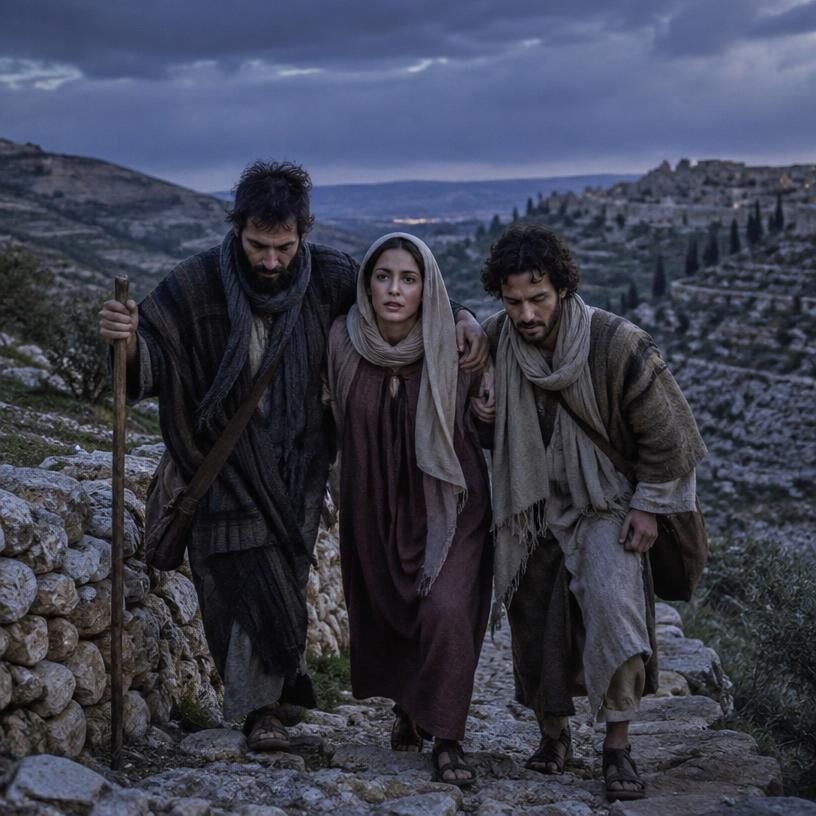
“But he that shall endure unto the end, the same shall be saved.” — Matthew 24:13 (KJV)
How Believers Persevere
Remain Faithful to Jesus
Hold fast to Christ and His Word when opposition makes compromise seem easier. Endurance begins with trusting the One who has called us to follow Him.
Stand Courageous in Prayer
Ask God for strength and wisdom, as the early believers did when they faced threats. Prayer steadies the heart and helps us speak the truth with courage and grace.
Keep Hope Fixed on Christ
Remember that suffering does not have the final word. Jesus promises to return, and His victory gives believers reason to persevere through every trial.
From Jesus’ Warning to His Promise
Scripture traces a path from Jesus’ call to endure, through the trials of the early church, to the promised hope of His return.
AD 30
Jesus Calls His Followers to Endure
Jesus warns that His disciples will face hatred for His name and calls them to remain faithful (Matthew 10:22).
AD 33
The Church Faces Its First Opposition
After Pentecost, the apostles are threatened and imprisoned, yet continue proclaiming Jesus (Acts 4–5).
AD 34
Stephen Bears Witness
Stephen’s death marks a turning point as persecution scatters believers, who carry the Gospel beyond Jerusalem (Acts 7–8).
AD 95
John Records a Promise for the Faithful
Exiled on Patmos, John receives Revelation’s vision of believers who endure and of Christ’s final victory (Revelation 1:9; 21:1–4).
Frequently Asked Questions About Persecution
Explore what Scripture says about opposition, steadfast faith, and the hope Jesus gives His people.
Did Jesus say His followers would face persecution?
Yes. Jesus told His disciples that the world would oppose them because it opposed Him first (John 15:18–20).
What does it mean to endure in faith?
Endurance means continuing to trust and follow Jesus through hardship, relying on His strength rather than our own (Hebrews 12:1–3).
Does persecution mean God has abandoned someone?
No. Scripture assures believers that suffering cannot separate them from the love of God in Christ (Romans 8:35–39).
How did the early church respond to opposition?
The apostles prayed for boldness and kept speaking about Jesus despite threats (Acts 4:29–31).
How does Biblical prophecy offer hope during suffering?
Revelation points beyond present suffering to Christ’s victory and God’s promise to wipe away every tear (Revelation 21:3–4).
Does endurance mean facing hardship alone?
No. Believers are called to encourage one another, pray together, and hold fast to their shared hope in Christ (Hebrews 10:23–25).
Hold Fast to the Hope Jesus Gives
Study Jesus’ words and the prophetic promises of Scripture. Let His faithfulness strengthen you to persevere and remain steadfast in Him.