
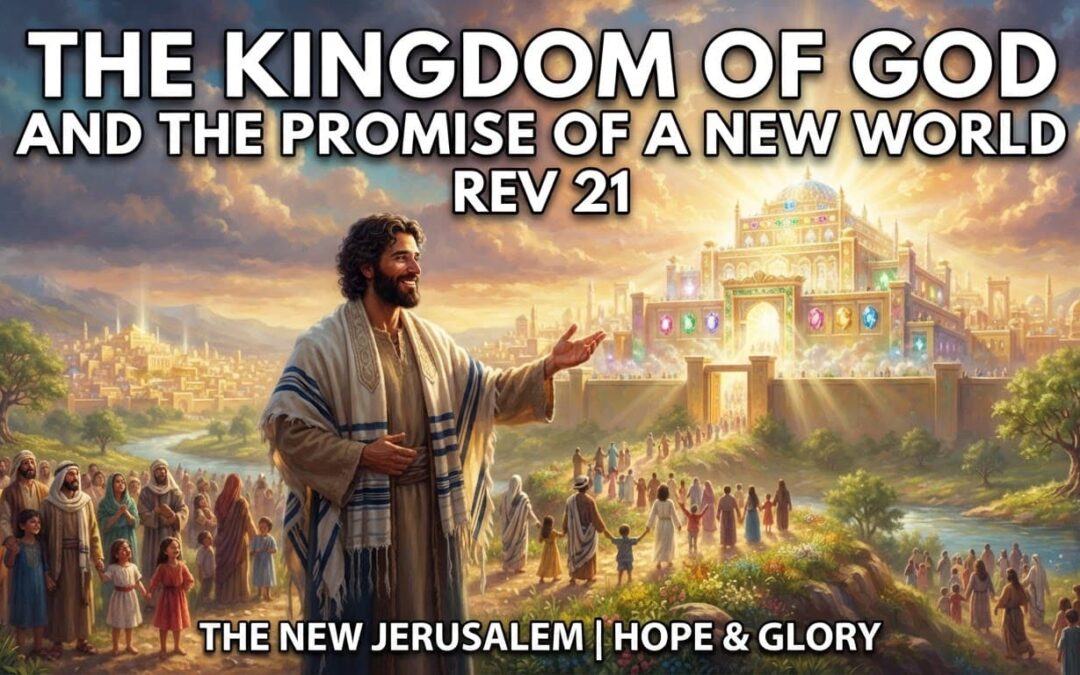
The Kingdom of God: From Promise to Jesus’ Return
God is bringing His reign to fullness through Jesus Christ, the promised King whose Kingdom will one day make all things new. The Kingdom is God's rule over His creation and people, not merely a place or another name for the church.
The Biblical witness begins with creation and covenant promises, leads to Jesus' ministry, and continues through the Spirit-empowered witness of believers as we await His return. Let's follow that hope through Scripture, beginning with the first promises of the King's Kingdom.
The King’s Kingdom Revealed in the Bible’s First Promises
The Bible opens with God creating the heavens and the earth, then placing humanity within His good creation. The Kingdom theme begins here: God is King, and He gives people a calling under His rule. Even after sin enters the world, His purpose does not collapse. The first promises point toward a Deliverer and a blessing that will reach every nation.

Creation, human rebellion, and the promised Deliverer
In Genesis 1, God creates humanity in His image and gives men and women responsibility to fill the earth and rule over its creatures (Genesis 1:26–28). People are called to represent His good rule throughout creation. That calling does not make humanity equal to God; it places us under the Creator's authority, with real work to do in His world.
Then Adam and Eve disobey God, and sin brings shame, conflict, and death into human life. Yet in Genesis 3:15, God speaks of enmity between the serpent and the woman, and between their offspring. The woman's offspring will strike the serpent's head, while the serpent will strike His heel. Christians have long recognized this as the first promise of a coming Deliverer, one who will suffer but ultimately defeat evil.
That promise sets a direction for the Biblical history that follows. Evil will not have the final word, and God's Kingdom purpose for creation will not be abandoned. As the Bible unfolds, we learn more about the One who will bring that victory. The promise is an early glimpse, not the whole picture.
Abraham’s covenant points toward blessing for every nation
God's promise to Abraham gives that hope a family and a future. In Genesis 12:1–3, God calls Abraham to leave his country and promises to make him a great nation. He also promises to bless him and, through him, bless all the families of the earth. In Genesis 15:1–21, God speaks to Abraham about descendants and land, then confirms His covenant with him.
These promises matter together. Abraham's descendants will become a people, and the land will be part of their life under God's rule. But the promise does not stop with Abraham's family. God intends blessing for all nations, and Israel's calling belongs to that wider purpose.
So how does this connect with the promised Deliverer? The New Testament identifies Jesus as the One through whom Abraham's blessing reaches the nations. Paul connects the promise to the good news proclaimed among the Gentiles, and identifies Christ as Abraham's promised Seed. We can explore how Abraham and David's promises point to Jesus as the Biblical account continues.
The Kingdom theme is already taking shape: God creates people to live under His reign, promises victory over evil, and calls Abraham's family to carry blessing outward. The first promises keep our attention on God's purpose for the whole earth, and on the King through whom He will fulfill it.
How Israel’s Covenant and David’s Throne Shaped the Kingdom Hope
Abraham's family became a people with a particular calling. Through Israel, God showed what life under His rule could look like, then promised a King whose reign would reach beyond Israel's earthly monarchy.

Israel is formed as a people under God’s rule
The Exodus brought Israel out of slavery in Egypt, but freedom was only the beginning. At Sinai, God made a covenant with the people He had rescued. He called them His special possession, "a kingdom of priests and a holy nation" (Exodus 19:4–6). Israel belonged to Him and was called to live by His ways.
That calling touched everyday life. God gave Israel commandments for worship, justice, and care for others. Their life together was meant to show the nations what it meant to live under the Lord's rule. We can see more about Israel's covenant role and mission to the nations in the larger Kingdom picture.
Israel's history also makes clear that the people and their kings did not always remain faithful. The covenant exposed the gap between God's good rule and human rebellion. So the hope of a restored people came to include the hope of a faithful king, one who would lead them in righteousness.
God promises David a kingdom that will endure
Israel's monarchy gave that hope a royal line. In 2 Samuel 7:12–16, God promises David a house, a throne, and a kingdom established forever. David's son would build a house for God's name, and God would establish his throne. The promise reaches beyond David's immediate successor: the royal line would endure.
Israel's historical kingdom mattered. It gave God's people a real king and a real place in their history. Yet no earthly king fully matched the promise. The prophets kept looking ahead to a righteous ruler from David's line, one who would govern with justice and whose reign would bring peace. Isaiah describes a child who will reign on David's throne and establish his Kingdom with justice (Isaiah 9:6–7).
Then Matthew opens his Gospel by identifying Jesus as "the Son of David, the Son of Abraham" (Matthew 1). That opening connects the promises directly: Jesus is heir to David's throne, and through Him Abraham's blessing reaches the nations. The hope is bigger than the restoration of an earthly monarchy. It points to the Messiah's reign, in which God gathers a restored people and fulfills His Kingdom purpose.
The Prophets Picture a Righteous King and a Renewed People
The prophets spoke to people facing judgment, exile, and the loss of their land and king. Their words did not deny the pain of that moment. They pointed beyond it, toward God's promise of a righteous ruler, a renewed people, and a Kingdom that would bring healing to the whole creation.
A promised ruler will bring justice and peace
Isaiah pictures a child who will reign on David's throne with justice and righteousness, and whose rule will bring peace without end (Isaiah 9:1–7). Later, he describes a shoot growing from Jesse's family line, a King empowered by the Spirit of the Lord. He will judge with righteousness, defend the poor, and bring a peace so complete that even the natural world is pictured as healed (Isaiah 11:1–10).
That vision speaks to more than political stability. Israel's kings had failed to rule as God required, but the promised Davidic King would lead faithfully. The prophets give us reason to connect this hope with Jesus, whom Matthew names as the Son of David. We can follow how Acts connects Jesus to God's promises, including the hope of the promised King.
The new covenant promises forgiveness and the Spirit
A righteous King would gather a people who could live under God's rule. Jeremiah announced a new covenant in which God would write His law on His people's hearts, forgive their sin, and make Himself known to them (Jeremiah 31:31–34). Ezekiel adds the promise of cleansing, a new heart, and God's Spirit within His people, enabling them to walk in His ways (Ezekiel 36:24–28).
These promises are more than a return from exile. God promises forgiveness and inner renewal, not merely a change in circumstances. In the New Testament, Jesus identifies His blood with the new covenant. The Holy Spirit is given to God's people now, but we still await the fullness of this renewal. Suffering and sin remain, and the prophets' hope reaches its completion when Christ returns.
The nations and renewed creation belong in the prophetic hope
The Kingdom's promise was never limited to Israel's borders. Isaiah saw the nations coming to worship the Lord and learn His ways. They would turn weapons of war into tools for cultivation, as God brought peace among peoples (Isaiah's vision in chapter 2).
Isaiah's hope also includes a renewed creation: new heavens and a new earth, where people enjoy the work of their hands and life is no longer cut short as before (Isaiah 65:17–25). This is the same Kingdom hope as the coming King's just rule and the Spirit's work in God's people. The prophets look toward a world healed under God's reign, a promise we taste now but do not yet see in full.

Jesus Brings the Promised Kingdom Near
The promises to Abraham and David come together in Jesus. He is the promised King through whom blessing reaches the nations, and His ministry shows that God's reign is drawing near. But how does His Kingdom arrive, and what are we still waiting to see?
Jesus announces God’s reign and demonstrates its power
Jesus begins His public ministry with a clear announcement: "The time is fulfilled, and the kingdom of God is at hand" (Mark 1:15). The Kingdom is near because the King is present. Jesus calls people to repent and believe, while His actions show what God's rule means for people bound by sickness and evil.
In Mark, Jesus heals the sick and casts out demons (Mark 1:32–34). These signs and miracles are witnesses to the Kingdom, not performances or promises that every believer will be healed in this age. From our Pentecostal perspective, we pray for healing and expect the Holy Spirit to work, while trusting God when suffering remains. A helpful commentary on the opening of Mark also follows how Jesus' ministry announces God's reign.
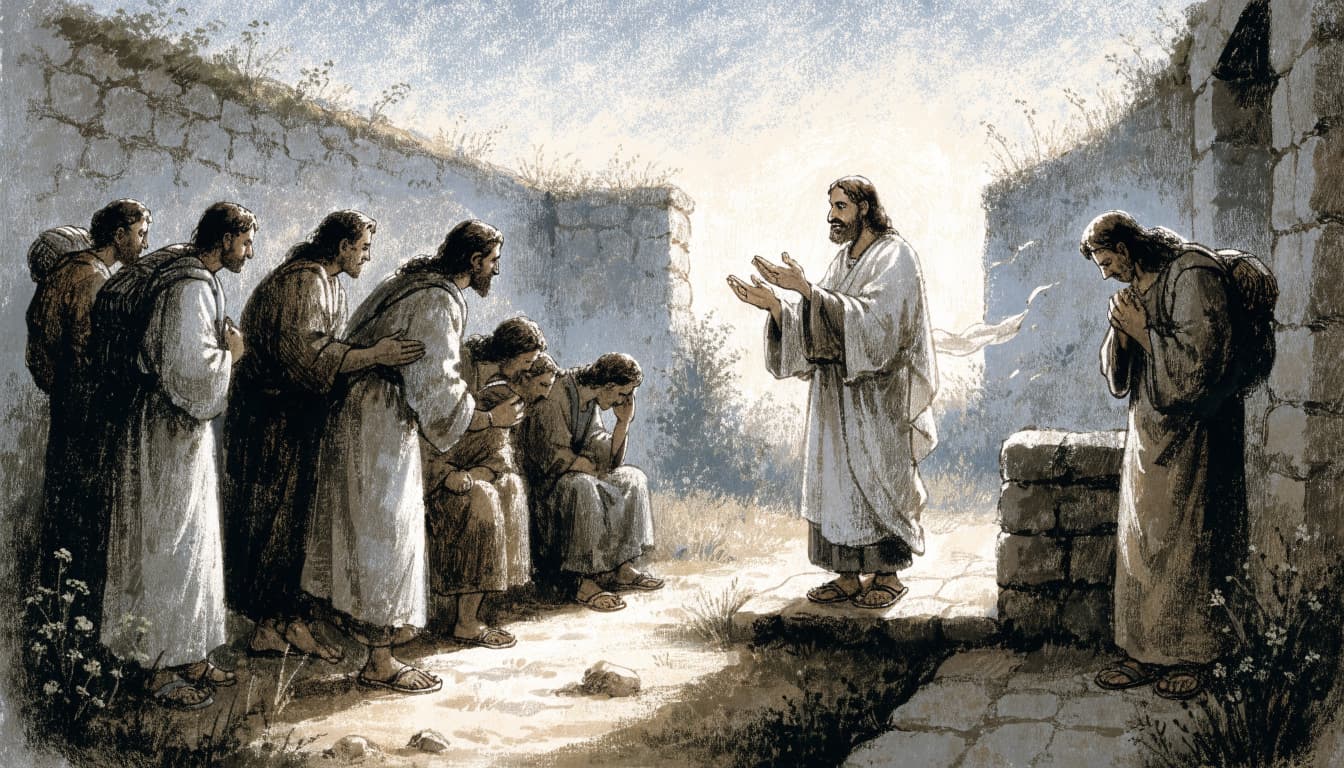
Jesus' healing and deliverance ministry shows God's compassion and authority breaking into human life. The miracles point beyond themselves to the promised King's rule, which will one day bring an end to sickness, evil, and death.
The cross and resurrection secure the Kingdom’s hope
Jesus' kingship does not bypass the cross. His death brings forgiveness and establishes the new covenant: at the Last Supper, He speaks of His blood "shed for many" (Mark 14:24). The cross is central to His victory. Jesus gives Himself for sinners, fulfilling the promise of a restored relationship with God. We can read more about Jesus and the new covenant promise in the light of Biblical prophecy.
Then God raises Jesus from the dead. Paul calls Him "the firstfruits of those who have fallen asleep" (1 Corinthians 15:20–26). Firstfruits are the beginning of a greater harvest. Jesus' resurrection is the first sign of the new creation God will bring, when death itself is defeated.
The Kingdom is present now, but its fullness is still coming
The Kingdom is present because Jesus has come, risen, and poured out the Holy Spirit. We see its work as people receive forgiveness, follow Christ, and bear witness to His reign. Yet the New Testament still points ahead to resurrection and the final defeat of death. We live between what Jesus has already begun and what He will complete when He returns.
The church belongs to this Kingdom and bears witness to it, but the church is not the Kingdom in its complete fullness. We still face suffering, sin, and death. So we pray and work for signs of God's rule now, without claiming that the promise has reached its full expression. The King's resurrection assures us that it will.
The Holy Spirit Empowers the Church to Witness to the King
Jesus rose from the dead and ascended to the Father, but His mission did not stop there. He gave His followers a calling, and the Holy Spirit empowers the church to carry it out while we wait for the King to return.
Pentecost equips believers to bear witness across the world
Before His ascension, Jesus told His disciples they would receive power when the Holy Spirit came upon them. They would be His witnesses in Jerusalem, Judea, Samaria, and "to the end of the earth" (Acts 1:8). The Spirit's power had a purpose: to equip ordinary believers to testify about the risen King.
At Pentecost, the Spirit came upon the gathered disciples. They began speaking in other languages, and visitors from many regions heard them proclaim God's works in words they understood (Acts 2:1–21). Peter explained that this outpouring fulfilled Joel's prophecy: God would pour out His Spirit on all flesh. The Gospel would cross boundaries of language, culture, and nation.
This mission carries forward God's promise to Abraham. God said that all the families of the earth would be blessed through him (Genesis 12:3). At Pentecost, the promise moves into public view: the Spirit empowers believers to proclaim Jesus among the nations. We can follow more of the Gospel's mission to all nations as the church bears witness to the King.
Kingdom signs offer a foretaste, not the final fullness
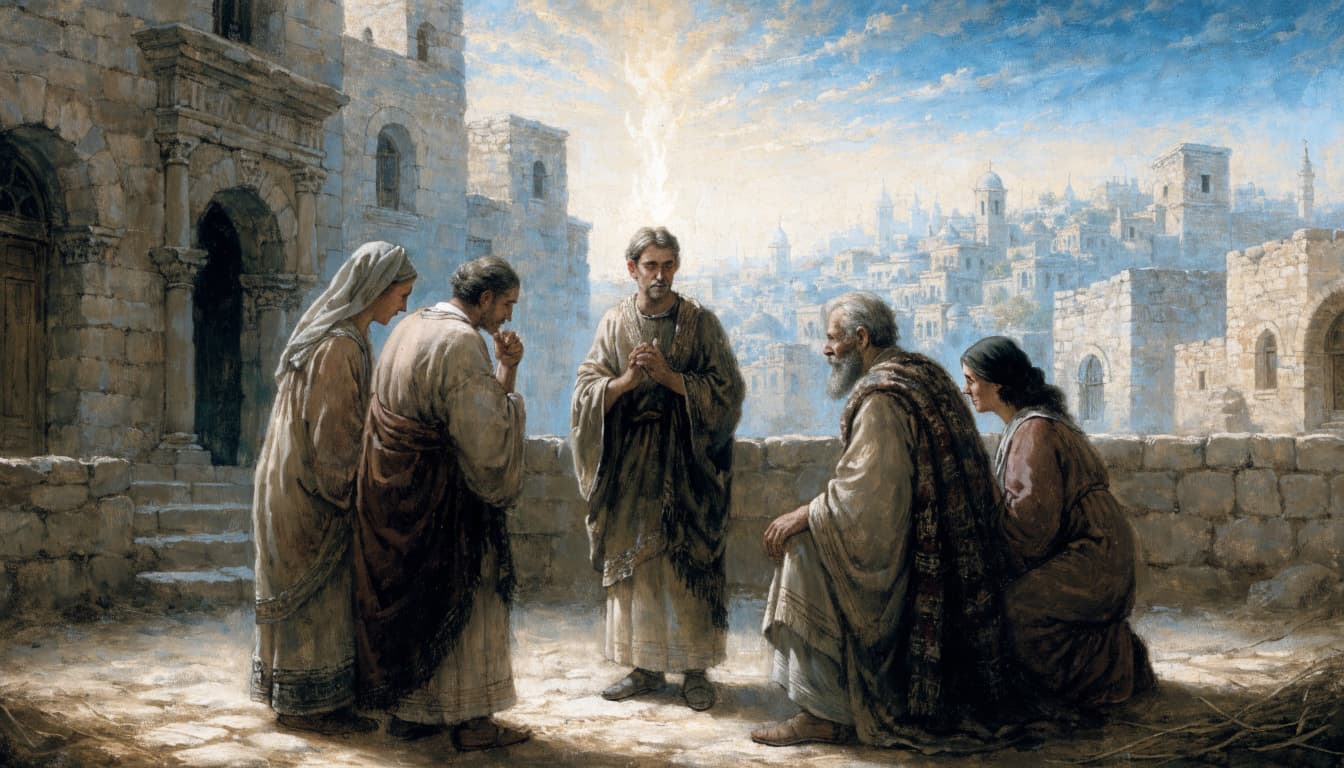
The Spirit's work is not limited to preaching. We pray for the sick, ask God for deliverance, and serve people with compassion because these acts point to the reign of Jesus. When healing or freedom comes, we give thanks. Such signs offer a foretaste of the coming age, when suffering and death will no longer remain.
We also need honesty. Faith in the Spirit's power does not mean every prayer receives the answer we hope for now. Some people continue to suffer, and grief is real. We keep praying and serving, trusting God without claiming that the Kingdom has already reached its full expression.
The church reflects the King while awaiting His return
The church proclaims the Gospel and embodies Kingdom values through mercy, justice, holiness, and care for one another. The Spirit gives believers courage to testify and strength to serve, even when the work is difficult. Our unity also matters: people from different backgrounds belong together under the same King.
Still, the church is a witness to God's reign, not its final form. We do not bring the Kingdom to completion through our efforts. Jesus will return, defeat every enemy, and finish the renewal He began. Until then, we remain faithful in the mission He gave us, holding together hope for the Spirit's work now and confidence in the fullness still to come.
When the King Returns, His Kingdom Will Make All Things New
Jesus has begun His Kingdom through His life, death, and resurrection. When He returns, He will bring that Kingdom to completion: the dead will rise, evil will be defeated, and God will dwell with His people in a renewed creation. Christian hope is not an escape from the world God made. It is the promise that He will restore it under the rule of the King.
Jesus will return and death will be defeated
Paul calls Jesus "the firstfruits" of those who have died. His resurrection is the beginning of the harvest, and those who belong to Christ will be raised when He comes. Paul describes the order plainly: Christ first, then His people at His coming, and finally the defeat of every enemy. Death, the last enemy, will be destroyed (1 Corinthians 15:23–26).
That promise speaks to real grief. Paul tells believers not to mourn as though death has the final word. When the Lord descends, the dead in Christ will rise, and believers who are alive will be gathered with them to meet Him. "And thus we shall always be with the Lord," he writes (1 Thessalonians 4:13–18). This is our confidence, not a timetable to decode. We can read more about Jesus' return and the resurrection of believers, while keeping our attention on the promise Scripture actually gives.
God will renew creation and dwell with His people
John sees "a new heaven and a new earth," and hears the promise that God's dwelling will be with humanity. Death, sorrow, crying, and pain will be gone. God declares, "Behold, I make all things new" (Revelation 21:1–5).
The vision continues with the river of life flowing from God's throne and the tree of life bearing fruit. There is no more curse, and God's servants see His face and reign with Him (Revelation 22:1–5). The hope is not that God abandons creation, but that He heals what sin and death have broken. The King's return brings His people into lasting life with Him.

Future hope shapes faithful living today
Because Jesus will return, we can persevere without pretending suffering is small. We grieve, pray for healing, and trust the Holy Spirit to work among us, while looking toward the day when death itself is gone. The hope of Christ's return also calls us to holiness, compassion, and faithful witness. We live as people who belong to the coming Kingdom.
So we don't need fear-driven predictions to stay ready. We keep following Jesus, serve our neighbors, and speak about the risen King. As Crossway's overview of key Second Coming passages notes, Paul's words to the Thessalonians offer reassurance about believers who have died. The promise is clear: Christ will come, His people will be raised, and we will always be with Him.
Conclusion
The Biblical witness begins with God's promise to defeat evil and bless the nations, then leads through Abraham, David, the prophets, and the King they awaited. Jesus fulfills that hope through His ministry, death, and resurrection. The Holy Spirit now empowers us to bear witness while we wait for Jesus to fulfill the promises of Scripture in all their fullness.
That future is our hope: Christ will return, death will be defeated, and God will make all things new. So let's trust Jesus, live faithfully by the Spirit today, and look forward to the day His Kingdom is fully revealed.
A Kingdom Foretold
From Ancient Promise to Jesus’ Return
Trace God’s promised reign through Scripture, from the prophets’ hope to its fulfillment in Jesus and its future fullness when He returns.

The Story Scripture Tells
The Kingdom of God: From Promise to Jesus’ Return
God’s Kingdom is a promise woven through the Bible, not a distant idea. The prophets anticipated a righteous King whose reign would endure; Jesus announced that the Kingdom had drawn near and revealed its power through His life, death, and resurrection. Biblical prophecy also points ahead to His return, when His rule will be fully revealed and all things made new.
The Kingdom Promised by the Prophets
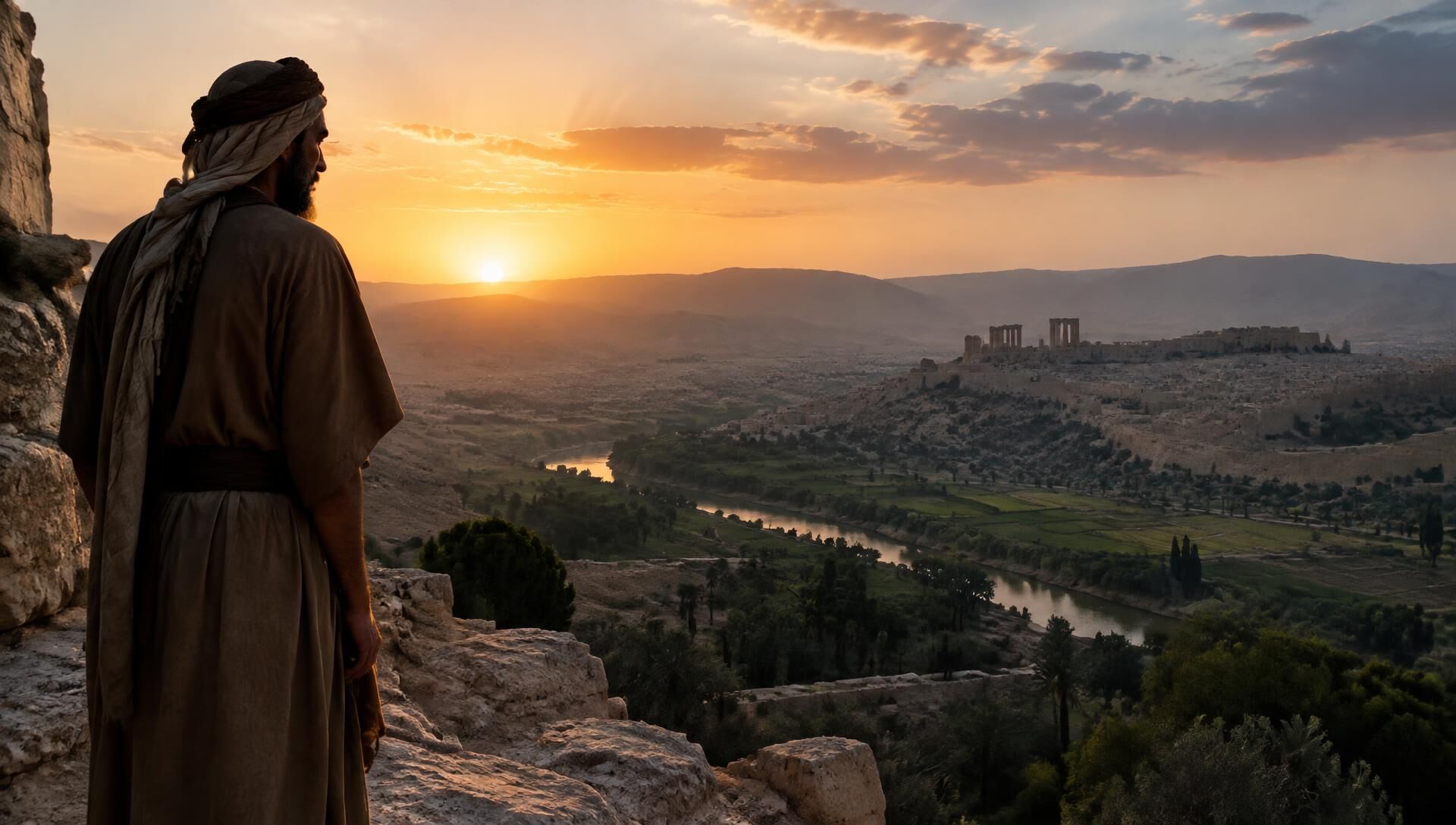
The Old Testament looks forward to a Kingdom established by God and marked by justice, peace, and faithfulness. God promised David a lasting throne, while Isaiah foretold a child whose government and peace would have no end. Daniel saw an everlasting dominion that would outlast every earthly empire. Together, these promises shaped Israel’s expectation of the Messiah: a King appointed by God to bring His enduring reign to His people and, ultimately, to the nations.
The Kingdom Jesus Announced and Secured
Bible Prophecy Ministries began as a Scripture-focused effort to help readers see how fulfilled and future prophecy centers on Jesus. Its mission is to trace God’s promises through the whole Bible, distinguish what Scripture says from speculation, and show why prophecy matters for faithful living today. The Kingdom of God is central to that work.
Israel’s prophets anticipated a righteous ruler from David’s line and a people restored under God’s reign. Jesus announced that the Kingdom had drawn near, taught its ways, and made its presence visible as he healed the sick, welcomed the outcast, and confronted evil. His ministry fulfilled the promises of Scripture, while his death dealt with sin and his resurrection confirmed his victory and royal authority. The Kingdom has begun in Christ; its promised fullness awaits his return.
“The time is fulfilled, and the kingdom of God is at hand: repent ye, and believe the Gospel.” — Mark 1:15 (KJV)

Jesus Christ
Jesus’ announcement joins fulfilled promise to a present call for faith, setting the stage for the Kingdom’s future completion.
From Prophetic Promise to the King’s Return
Bible Prophecy Ministries traces this hope across Scripture: the promised ruler has come, and the risen Jesus will return to bring his reign to completion.
c. 1000 BC
A Kingdom Promised to David
God promised David a lasting royal house, giving Israel hope for a future king whose throne would endure (2 Samuel 7:12–16).
c. 700 BC
The Prophets Envision Peace
Isaiah foretold a righteous ruler from David’s line whose government and peace would have no end (Isaiah 9:6–7).
c. AD 30
Jesus Proclaims the Kingdom
Jesus announced that God’s Kingdom was near and displayed its power through teaching, healing, and deliverance (Mark 1:14–15).
c. AD 30
The Crucified King Rises
Jesus’ death and resurrection addressed sin and vindicated his claim as Messiah, grounding the Kingdom’s present hope (1 Corinthians 15:3–4).
c. AD 30
The Ascension and the Promise
As Jesus ascended, his disciples were told that he would return, turning their gaze toward the Kingdom’s promised fulfillment (Acts 1:9–11).
Awaiting fulfillment
The King Returns to Reign
Scripture looks ahead to Christ’s return, when he will judge evil, make all things new, and bring God’s reign to its fullness (Revelation 11:15; 21:1–5).
Questions About the Kingdom of God
Explore what Scripture says about God’s Kingdom, its prophetic promises, and the hope of Jesus’ return.
What is the Kingdom of God?
The Kingdom of God is God’s reign. Jesus announced its arrival through His ministry and taught His followers to pray for its fullness to come.
Is the Kingdom of God present now or still future?
Jesus’ followers experience His reign now, while Scripture also points to a future fulfillment when He returns and makes all things new.
How do Old Testament promises relate to God’s Kingdom?
God promised a lasting kingdom through the line of David. The New Testament identifies Jesus as the promised King and looks ahead to the complete fulfillment of His reign.
What does Bible prophecy say about Jesus’ return?
Bible prophecy points to Jesus returning as King. Christians await His return with hope, trusting Him to judge justly and bring God’s purposes to completion.
How should Christians live while awaiting the Kingdom?
Jesus calls His followers to remain faithful, love their neighbors, and share the good news as they wait for His return.
Keep Exploring the Kingdom Promise
Trace the Promises That Point to Jesus
Continue studying Scripture to see how its promises and prophecies point to Jesus and the fulfillment of God’s Kingdom.