Faithful and True: Jesus, the Righteous Rider of Revelation 19
When heaven opens in Revelation 19, the Rider on the white horse is called "Faithful and True." His name carries a clear promise: Jesus is completely trustworthy, and He will judge and make war in righteousness. (Read Revelation 19 in the NKJV)
This vision warns of coming judgment, but it also gives hope to everyone who trusts Christ. We see how its prophetic roots point to God's faithfulness, and why the promise of Jesus' return calls us to live faithfully now.
Let's look closely at the Rider and what His title means for us. For more on Jesus as the returning King in Revelation 19, we can keep the focus where the vision places it: on Christ.
Faithful and True: The Rider on the White Horse Judges in Righteousness
In Revelation 19:11-16, heaven opens, and the returning King appears. The vision gives us vivid images, but its central message is clear: Jesus is Faithful and True, and His judgment is righteous.
What Revelation 19 Shows About the Returning King
John sees heaven opened and a white horse. Its Rider is called "Faithful and True," and He judges and makes war in righteousness. His eyes are like a flame of fire, and He wears many crowns. A name known only to Himself is written on Him, so we should leave that name undisclosed rather than guess at it.
His robe is dipped in blood, and He is called "The Word of God." The image recalls prophetic language about divine judgment, not an ordinary battlefield report. A sharp sword comes from His mouth, and He rules the nations with a rod of iron. The vision points to the authority of His word and His power to defeat evil.
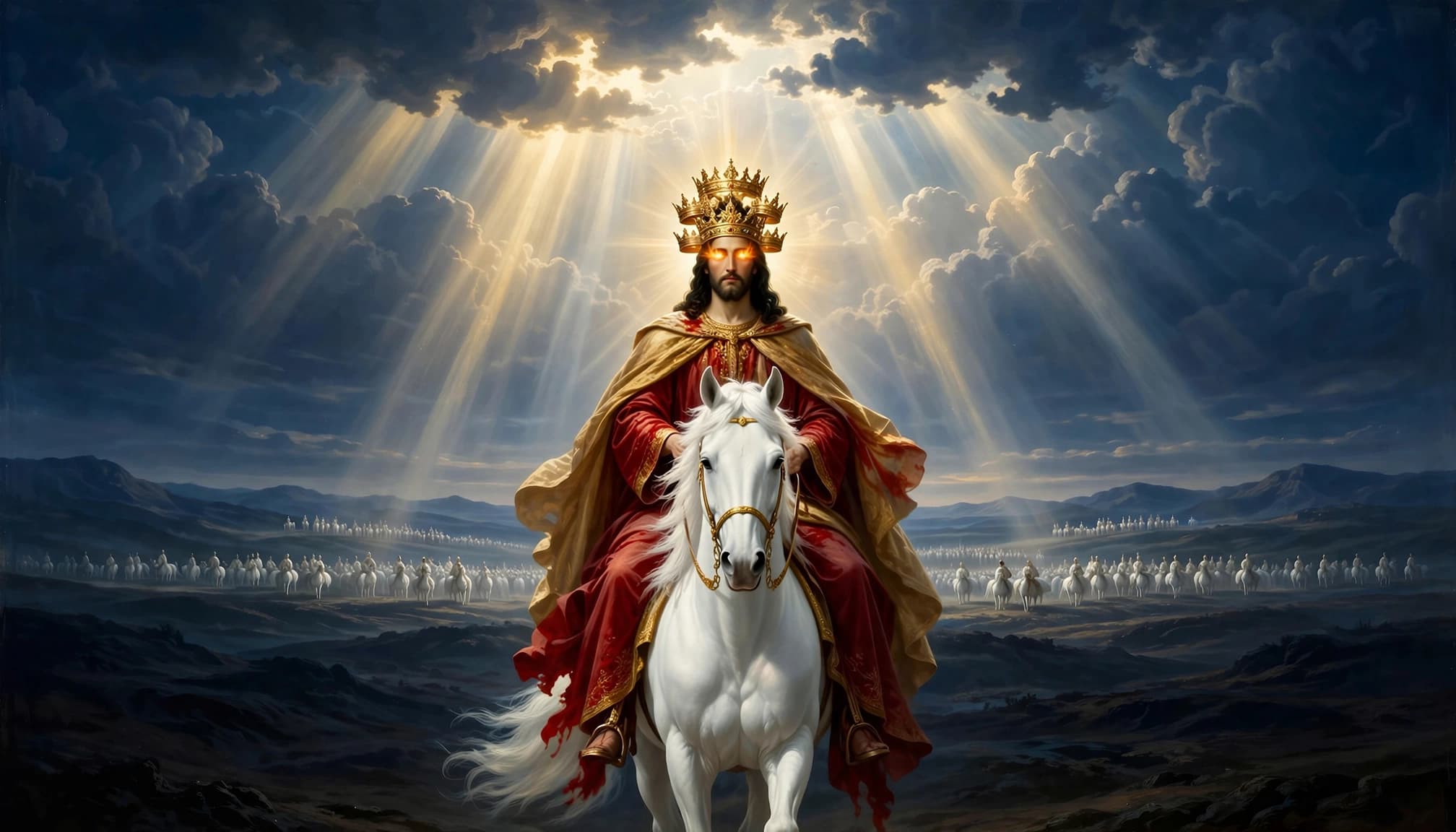
Behind Him, the armies of heaven follow on white horses, clothed in clean, white linen. The passage tells us they are there, but it does not name every member or explain exactly who is included. We can hold to what Scripture says without filling in what it leaves unstated.
The Rider's title, "KING OF KINGS AND LORD OF LORDS," makes His supreme authority plain. Taken together, these titles identify Him as Jesus Christ, the victorious King. For another look at Jesus returning as the righteous King, we can keep our attention on what Revelation actually emphasizes: His faithfulness, authority, and victory.
Why His Judgment and Warfare Are Perfectly Righteous
The verse says He judges and makes war "in righteousness." That matters. Human judgment can be distorted by anger, fear, pride, or incomplete knowledge. Even when people mean well, our decisions can be partial and our attempts at justice can cause more harm.
Jesus does not judge that way. He is "Faithful and True," and His judgment is grounded in truth. The vision presents His warfare as holy and purposeful, directed against evil and opposition to God. It does not portray Him as acting from cruelty or personal revenge.
That can be difficult to sit with. Revelation's images are severe, and the judgment is real. But the passage does not invite us to celebrate violence or imitate it. It shows that the final word belongs to Christ, not to human power or injustice. We can trust His judgment precisely because He is faithful and true.
His victory also gives hope to those who trust Him. Evil will not have the last word, and the King who judges rightly is the same Jesus who is called Faithful and True. We look to Him with confidence, while leaving the hidden details of the vision in God's hands.
How the Rider’s Titles Reveal Jesus’ Unchanging Faithfulness
Revelation gives Jesus titles that tell us who He is and why we can trust Him. His faithfulness is not separate from His authority: the King who judges rightly is the same Christ whose words and promises never fail.
Faithful and True Means His Word Can Be Trusted
The title "Faithful and True" echoes the way Revelation already describes Jesus. In Revelation 1:5, He is "the faithful witness," and in Revelation 3:14, He is "the Faithful and True Witness." He speaks truthfully because truth is part of His character. His promises, warnings, and judgments agree with who He is.
That matters when we read Revelation's words about judgment. Jesus does not change His standards to suit the powerful, excuse evil, or forget those who trust Him. We can take His warnings seriously and still hold on to hope, because the One who warns is faithful to fulfill His promises, too.
John's opening words help us see why. John 1:1 calls Jesus the Word, and John 1:1-14 in the NKJV tells us that the Word became flesh and lived among us. God's truth is not an abstract message; Jesus reveals it in His life and speaks it with authority. The Rider is called "The Word of God" in Revelation 19:11-16, tying the vision to the same Jesus John proclaimed.
So when we read what Christ says about His return, we aren't holding on to wishful thinking. We are trusting the faithful witness. His word gives believers hope now, and His promised return will bring that hope to completion.
The King of Kings Has Authority Over Every Power
The many crowns in the vision make the Rider's kingship unmistakable. Then the inscription on His robe and thigh declares Him "KING OF KINGS AND LORD OF LORDS." Earthly rulers may claim sweeping power, and hostile spiritual powers may appear to dominate for a time, but none can outrank Jesus. No kingdom or authority stands above Him.
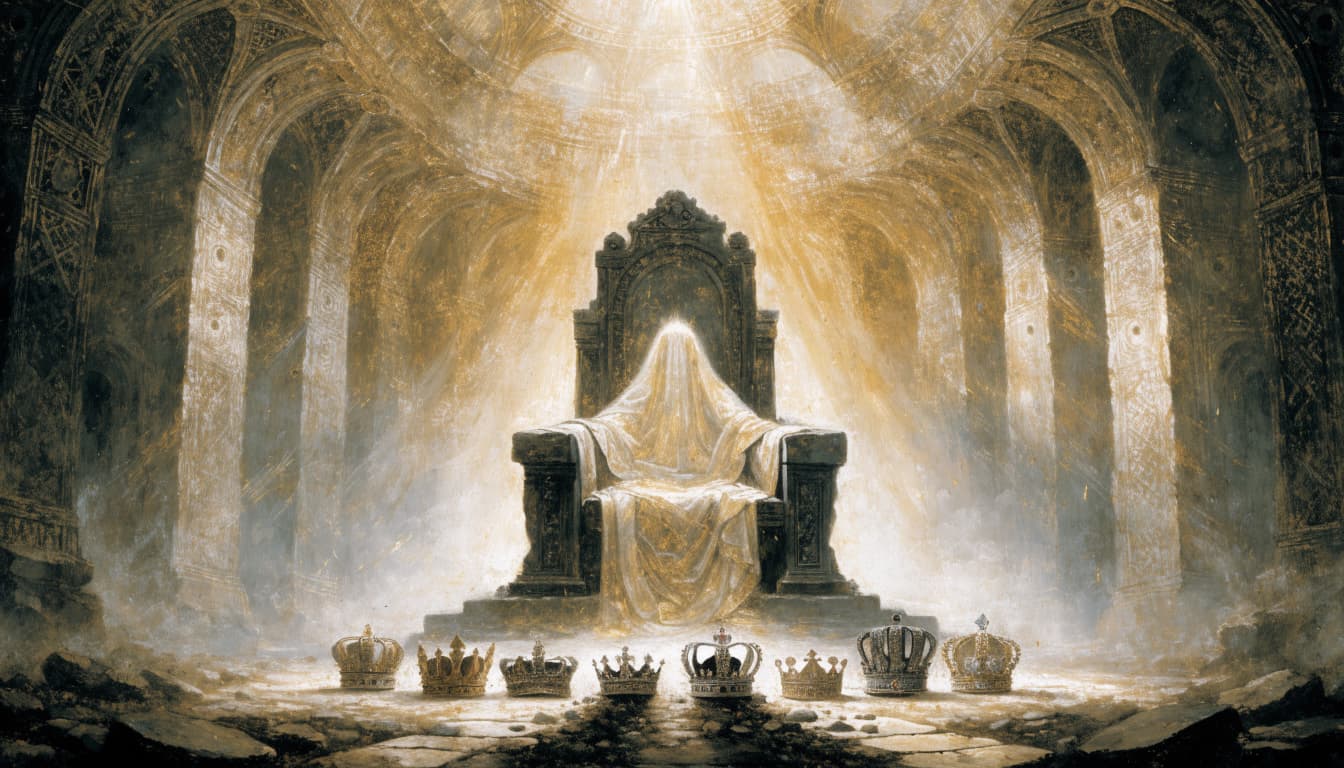
This title also keeps us from mistaking human influence for ultimate authority. Political power rises and falls. Opposition to God can look overwhelming. Yet Revelation's vision places every ruler and power beneath Christ's rule. His victory is not earned through human approval; His authority belongs to Him.
That is why we can live faithfully while we wait. We don't have to treat any ruler, system, or spiritual force as if it has the final word. Jesus does. His kingship gives us courage to obey Him, remain faithful under pressure, and look toward His return with confidence. We can also consider what the name of Jesus says about His authority, while keeping our hope fixed on the King Revelation reveals.
The Prophetic Warnings Behind Revelation’s Vision of Judgment
Revelation 19 does not introduce the Rider's judgment as an isolated scene. Its images draw on earlier prophetic warnings about God confronting evil, judging rebellious nations, and establishing His righteous rule. We can read those connections without insisting that every symbol has only one possible detail-level interpretation.
Isaiah and Joel Explain the Winepress of Judgment
In Isaiah's vision of the Lord in judgment, the prophet sees a figure coming from Edom, with garments stained red. The passage describes the Lord treading the winepress in anger against the nations. That imagery helps explain the blood-dipped robe and winepress in Revelation 19. The visions share a prophetic warning: God will act against evil, and His judgment will not be unjust.
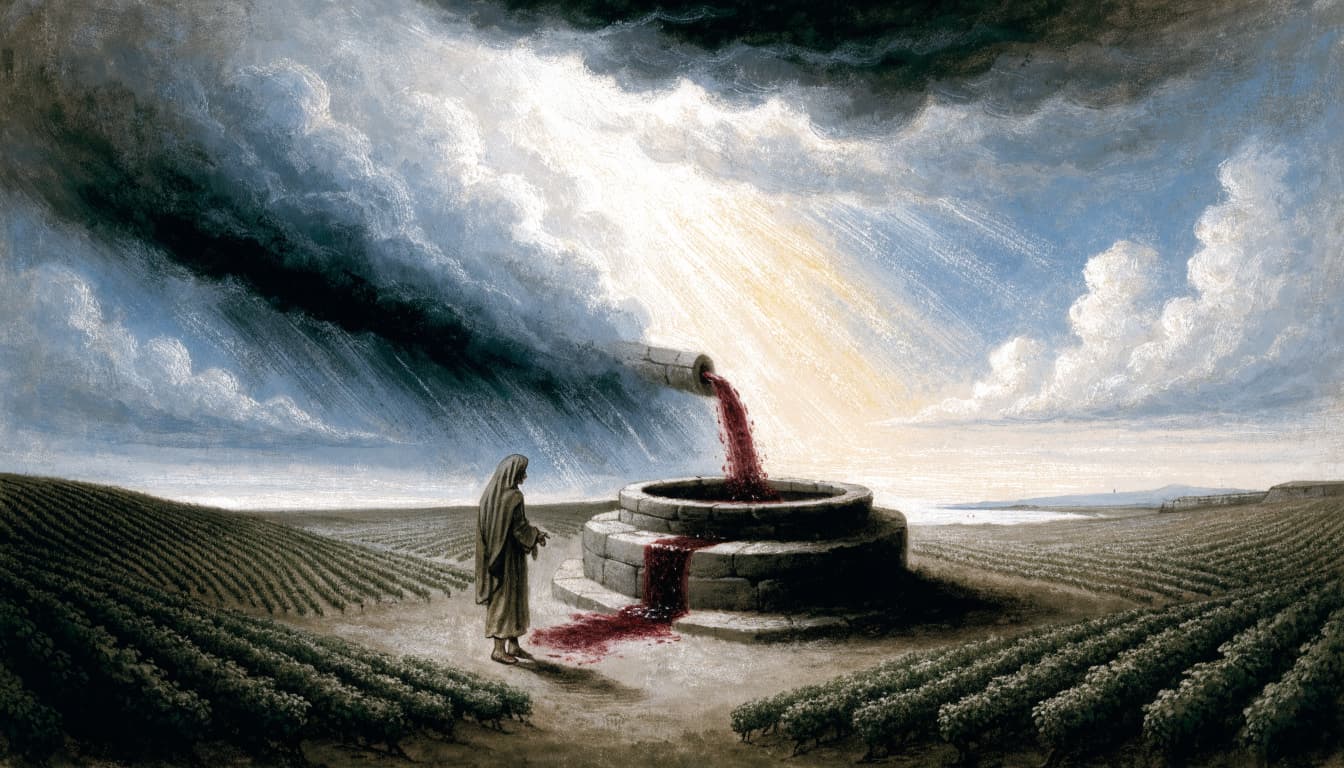
Joel also pictures the nations gathered for judgment. In Joel's warning about the nations, the harvest is ripe and the winepress is full. The language is vivid because the warning is serious: the nations will answer to God for their rebellion.
Revelation draws these prophetic images together when it describes the Rider treading "the winepress of the fierceness and wrath of Almighty God." The connection does not require us to assign a separate meaning to every detail. It shows that Christ's judgment belongs to the same Biblical witness found in Isaiah and Joel. God sees evil, and He will bring it to account.
Psalm 2 and Isaiah 11 Foretell the Righteous Ruler
The iron rod in Revelation 19 also reaches back to Psalm 2's vision of God's Anointed King. The psalm describes nations resisting the Lord and His Anointed, then declares that the King will rule them with a rod of iron. Revelation applies that royal image to Jesus, showing His authority over every power that opposes God.
Isaiah 11 fills out the character of this promised ruler. In Isaiah's prophecy of the righteous Branch, the ruler judges the poor with righteousness and strikes the wicked with the rod of His mouth. His rule is not shaped by appearances or rumor. He judges with justice and faithfulness.
That image helps us understand the sword from the Rider's mouth. His victory comes by the authority of His word, not by human power. We see the same hope in Jesus Christ, the promised Davidic King: the Messiah reigns with justice and defeats wickedness. Revelation 19 brings these prophetic threads together, presenting Jesus as the righteous King who judges evil and fulfills God's promise to rule.
What Revelation 19 Says About Christ’s Return and Final Victory
Revelation 19 places Christ's return in a clear sequence. Heaven praises God after Babylon's fall, then John sees the Rider appear, and the beast and false prophet are defeated.
The Rider’s Appearance Follows the Fall of Babylon
The chapter first turns our attention to heaven's response to Babylon's judgment. In Revelation 19:1–10, the multitude praises God, and the Lamb's marriage supper is announced. Then the scene changes: heaven opens, and the Rider appears. The praise after Babylon's fall comes before Christ's victory over the beast and false prophet.
John identifies the Rider through His titles and authority. In Revelation 19:11–16, He is called "Faithful and True," "The Word of God," and "KING OF KINGS AND LORD OF LORDS." He judges and makes war in righteousness. The next scene, in verses 17–21, shows the beast and false prophet captured and thrown into the lake of fire. The order matters: Babylon has fallen, Christ appears as King, and the powers opposing Him face judgment.
This isn't a picture of evil slowly fading away through human effort. Revelation presents Jesus returning with authority to judge evil and bring His enemies to account. The vision's images are dramatic, but its central claim is plain: no beast, ruler, or false prophet can stand against Christ.
The New Testament Confirms the Promise of His Return
Revelation's vision belongs with the wider Biblical promise that Jesus will return openly. In Matthew 24, Jesus compares His coming to lightning and speaks of the Son of Man appearing with power and great glory. He also describes His angels gathering His elect. The passage gives believers a promise to hold on to, not a date to calculate.
The disciples receive a similar assurance in Acts 1:9–11. After Jesus ascends, two messengers tell them He will return in the manner they saw Him go. Paul offers comfort to believers in 1 Thessalonians 4:13–18: the Lord will descend from heaven, the dead in Christ will rise, and believers will be gathered to Him. The point is hope in Christ, especially in the face of grief.
Paul also connects Jesus' revelation from heaven with justice. In 2 Thessalonians 1:7–10, Christ's coming brings relief to His afflicted people and judgment on those who reject God. We see the same pattern in Revelation 19: Jesus returns as King, gathers and vindicates His people, and judges evil.
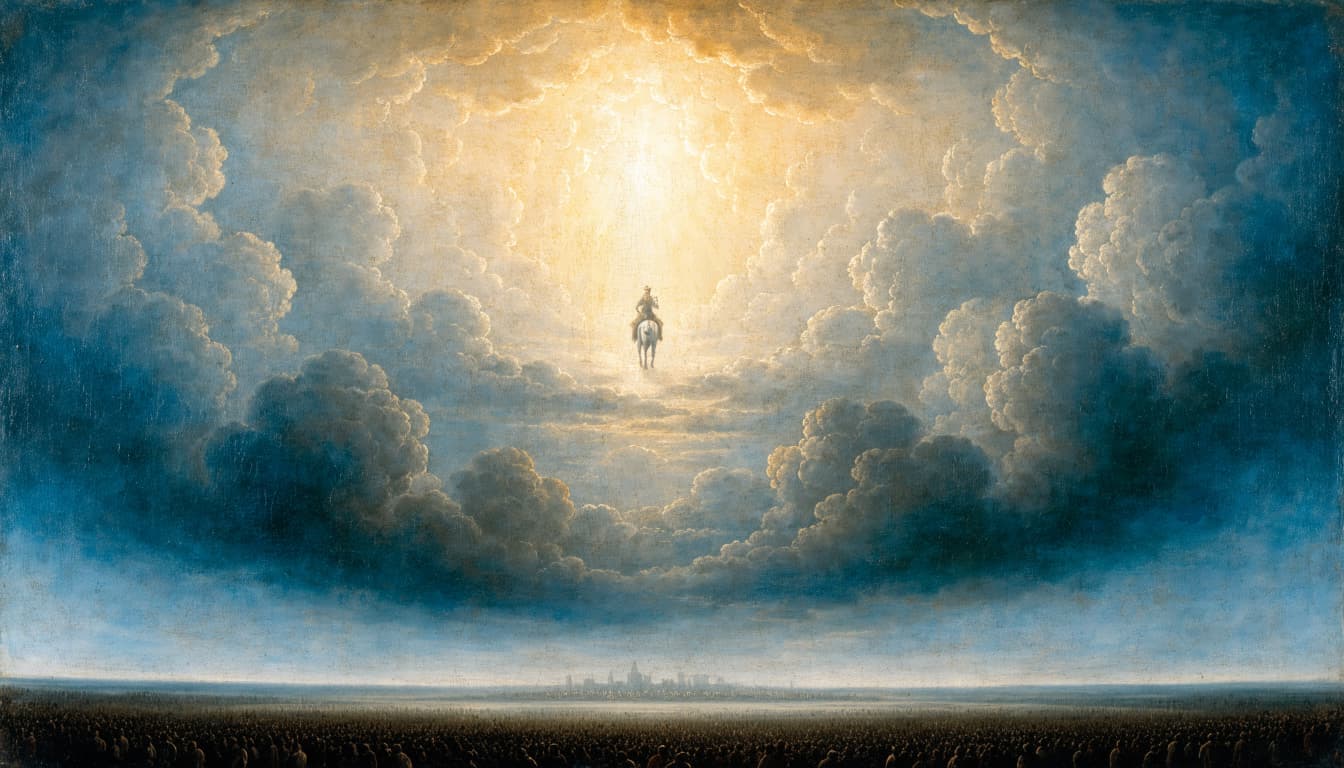
These passages do not give us permission to set dates or claim details they do not state. They give us a sure hope: Jesus will return, His people will be gathered to Him, and His righteous rule will prevail. We can read more about Christ's second coming to earth while keeping our confidence anchored in Scripture, not speculation.
How Prophetic Warnings Call Us to Live Ready and Faithful
Prophetic warnings are meant to turn us from sin, deception, and false worship toward truth, holy living, and hope in Christ. Revelation's vision of Jesus as the righteous King calls us to pay attention, not panic.

Reject Deception and Hold Fast to the Truth
Paul's warning in 2 Thessalonians 2:8-12 shows the danger of resisting truth. He describes deception surrounding the lawless one, then says people perish because they refused to love the truth. The warning reaches beyond identifying a future enemy. It asks what we do when God's truth confronts our desires, assumptions, or loyalties.
So how do we tell truth from deception? We test teaching against Scripture, read passages in context, and refuse claims that contradict what God has revealed. We also depend on the Holy Spirit for wisdom and conviction. As Spirit-filled believers, we welcome His work, including spiritual gifts, while remembering that personal impressions must be tested. The Spirit guides us toward Jesus and never makes our impressions equal to Scripture.
This kind of discernment takes humility. A confident speaker, dramatic testimony, or claimed sign doesn't prove a message is true. We can pray, seek Godly counsel, and compare the teaching with Scripture before accepting it. For more on testing spiritual claims against Scripture, we can keep Christ's words at the center.
Let the Hope of His Coming Shape Daily Choices
The promise of Christ's return isn't an invitation to fear-driven speculation. Jesus warns against deception, but He also calls His people to remain faithful. We don't need to guess at dates or turn every headline into a prophetic chart. We need to follow Him today.
That can look ordinary, and it still matters. We pray when anxiety rises, repent when the Holy Spirit exposes sin, and stand firm when pressure tempts us to compromise. We speak about the Gospel with compassion, not as a weapon or a threat. We care for people who are hurting, forgive where we can, and keep serving when faithfulness brings no applause.
The Spirit-filled life is not measured by how many alarming predictions we can repeat. We see the Spirit's work in a life that bears Godly character and obeys Jesus. As we wait for the King, we can ask the Holy Spirit to make us bold without being harsh, watchful without being fearful, and ready without becoming distracted.
Jesus is Faithful and True. His return gives us hope, and His warnings help us stay close to Him. We can live ready by loving the truth, walking in repentance, and serving others with steady faith. For another look at staying faithful as we await Jesus' return, readiness begins with the choices we make now.
Why God’s Warnings and Promises Prove He Remains Faithful
God does not change. The One who promises salvation in Christ is the same God who warns that evil and rebellion will face judgment. Revelation 19 brings both truths into view: the Rider judges in righteousness, and His name is "Faithful and True." We can take comfort in His promises without treating His warnings as empty words.
God Keeps His Word About Justice and Salvation
When injustice seems to go unanswered, it can feel as though evil has the advantage. Revelation offers a different view. Jesus sees what people suffer, and He will judge with perfect knowledge and righteousness. His return means the oppressed are not forgotten, and cruelty does not get the final word.
That same faithfulness makes the warning serious. God does not call evil good or promise that rebellion has no consequences. The judgment in Revelation is real. We should not soften it until it loses its force, or use it to threaten people as though we were the Judge. Christ alone judges rightly.
Yet judgment is not the only word God has spoken. He offers salvation through Jesus, who died and rose again. In 2 Peter 3, Peter holds together the Lord's patience, His desire that people come to repentance, and the certainty of the Day of the Lord. God's patience gives people time to turn to Him; it does not mean His promise has failed.
This is why the Rider's title brings both comfort and warning. Jesus is faithful to save those who trust Him, and faithful to judge evil. We can grieve over what is wrong without giving in to despair, because Christ will not abandon the people who belong to Him or leave evil in charge forever.
Respond to the Warning With Repentance and Hope
So how should we respond? We turn to Jesus, trust Him for forgiveness, and turn away from sin. Repentance is not a way to earn salvation or make ourselves worthy. We come because Christ saves, and our changed direction follows the mercy He gives. For a fuller explanation of salvation by grace through faith in Jesus, we can keep the focus on what He has done.
The warning also calls us to stop making peace with what God calls sin. We ask the Holy Spirit to search our hearts, receive His conviction, and obey Jesus in the choices before us. That response does not buy God's favor. It grows from faith in the Savior who has already shown His love.
If you have resisted Jesus, His invitation is still open: trust Him, confess your sin, and receive the life He gives. And if you already belong to Him, keep holding fast as you wait. We do not know when He will return, but we know who is coming. The King is faithful, His promise is sure, and His righteous rule will prevail.
Conclusion
"Faithful and True" is more than a title. It tells us who Jesus is as He returns to judge in righteousness and defeat the powers opposed to Him. Revelation's vision gives us confidence that His authority is sure and His word can be trusted.
The Rider will keep every promise made in Scripture. So we can trust Him, live faithfully, and hold fast to the hope of His return. For more on Revelation 19's judgment of the beast, we can look to the same assurance: Jesus is Faithful and True.
When Heaven Opens
The Rider Who Fulfills God’s Promises
In Revelation 19:11–16, John sees heaven opened and a rider on a white horse. His name is Faithful and True, and he judges and makes war in righteousness. His eyes blaze like fire, he wears many crowns, and his robe bears the name King of Kings and Lord of Lords. This is Jesus revealed in the fullness of his authority.
The vision carries forward the Bible’s prophetic story: the promised Messiah who came to save will also bring God’s righteous judgment and establish his reign. Revelation 19 does not introduce a different Jesus; it unveils the faithful Savior as the victorious King, bringing God’s word to completion.
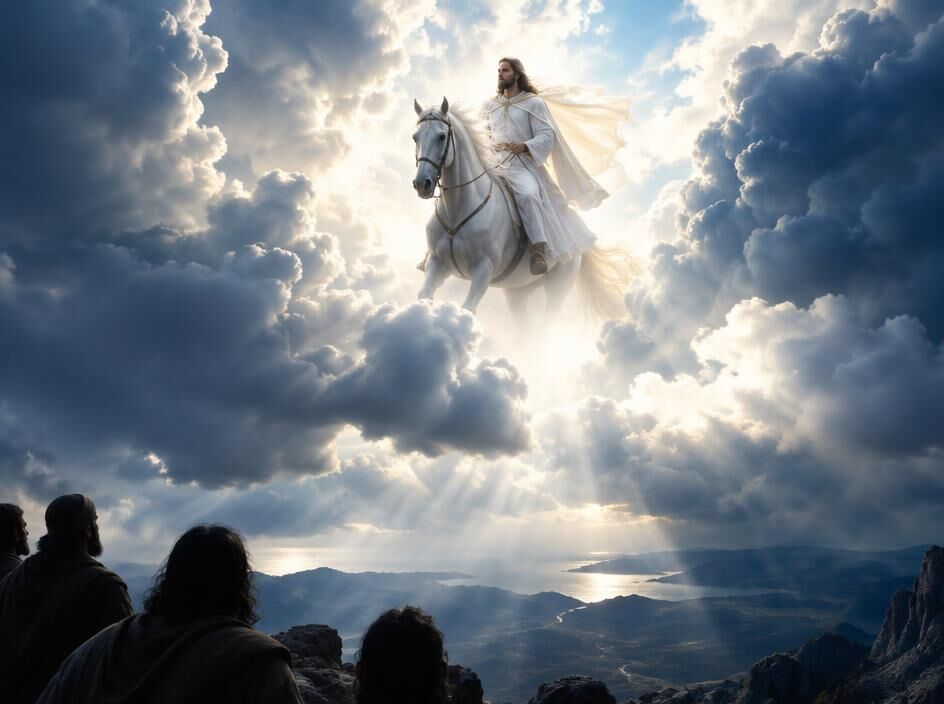
“And he that sat upon him was called Faithful and True, and in righteousness he doth judge and make war.”

Revelation 19:11
John’s vision names Jesus as the one who keeps God’s promises and brings perfectly just judgment.
The Rider Revealed in Revelation 19
Faithful and True
His name declares that Jesus is trustworthy in every promise and true in every judgment (Revelation 19:11).
Righteous Judge
He judges and makes war in righteousness, confronting evil without injustice (Revelation 19:11).
King of Kings and Lord of Lords
Written on his robe and thigh, this title proclaims his authority over every earthly ruler (Revelation 19:16).
From Ancient Promise to the Rider on the White Horse
1
Read John’s Vision
2
Trace the Earlier Prophecies
3
See God’s Promises Fulfilled
Faithful and True: Questions About the Rider
Explore what Revelation 19 reveals about Jesus, His return, and the justice of His reign.
Who is the rider on the white horse in Revelation 19?
The rider is Jesus Christ. The passage calls Him Faithful and True, the Word of God, and King of kings and Lord of lords.
Why is Jesus called Faithful and True?
These names show that Jesus keeps His promises and judges according to truth. His return confirms that God's word can be trusted.
What does the white horse represent?
The white horse presents Jesus as a victorious ruler. The focus is on His authority and the certainty of His triumph over evil.
What does it mean that Jesus judges in righteousness?
His judgment is perfectly just, never distorted by sin, ignorance, or favoritism. He confronts evil and sets right what human rulers cannot.
Why are His eyes described as a flame of fire?
The image points to His penetrating sight: nothing is hidden from Him. He sees every deed clearly as He comes to judge.
What is the significance of His many crowns?
His many crowns portray authority above every earthly power. No ruler or kingdom stands beyond His reign.
Who are the armies following Jesus?
Revelation 19 describes the armies of heaven following Him on white horses. The passage places victory in Jesus' hands, not in their strength.
What does the sword from His mouth mean?
The sword symbolizes the power of His word to judge the nations. He defeats opposition by His own sovereign authority.
How does Revelation 19 help us understand Jesus?
It reveals the same Jesus who is faithful to His people as the righteous King who will confront evil and fulfill God's promises.