Daniel’s Seventy Weeks Point to Jesus and God’s Plan of Redemption
Daniel 9:24–27 speaks to real events in Jerusalem's history, and Christians read its promise of an Anointed One in light of Jesus. The passage connects atonement for sin with God's purposes for His people, even as believers disagree about the timeline, especially the final week.
We'll look at what the passage says about Jesus as the Anointed One in Daniel's prophecy, Jerusalem, and God's redemptive purposes, while keeping debated dates in perspective. Read Daniel 9:24–27, then let's begin with the passage's central hope. Watch a discussion of whether Jesus fulfills Daniel's 70 weeks.
Daniel’s Seventy Weeks Point to Jesus and God’s Plan of Redemption
Daniel 9 begins with a prayer, not a timeline chart. Daniel is reading Jeremiah, confessing Israel's sin, and asking God to restore Jerusalem. Gabriel's answer widens the horizon: the seventy years of exile lead into a prophecy about seventy "sevens," and Christians see its deepest hope in Jesus.
The prayer that leads from exile to hope
Daniel reads Jeremiah's prophecy that Jerusalem's desolation would last seventy years. His response is confession. He acknowledges Israel's rebellion and disobedience, then appeals to God's mercy and asks Him to restore the city and sanctuary. We can read the prayer in Daniel 9:1–23.
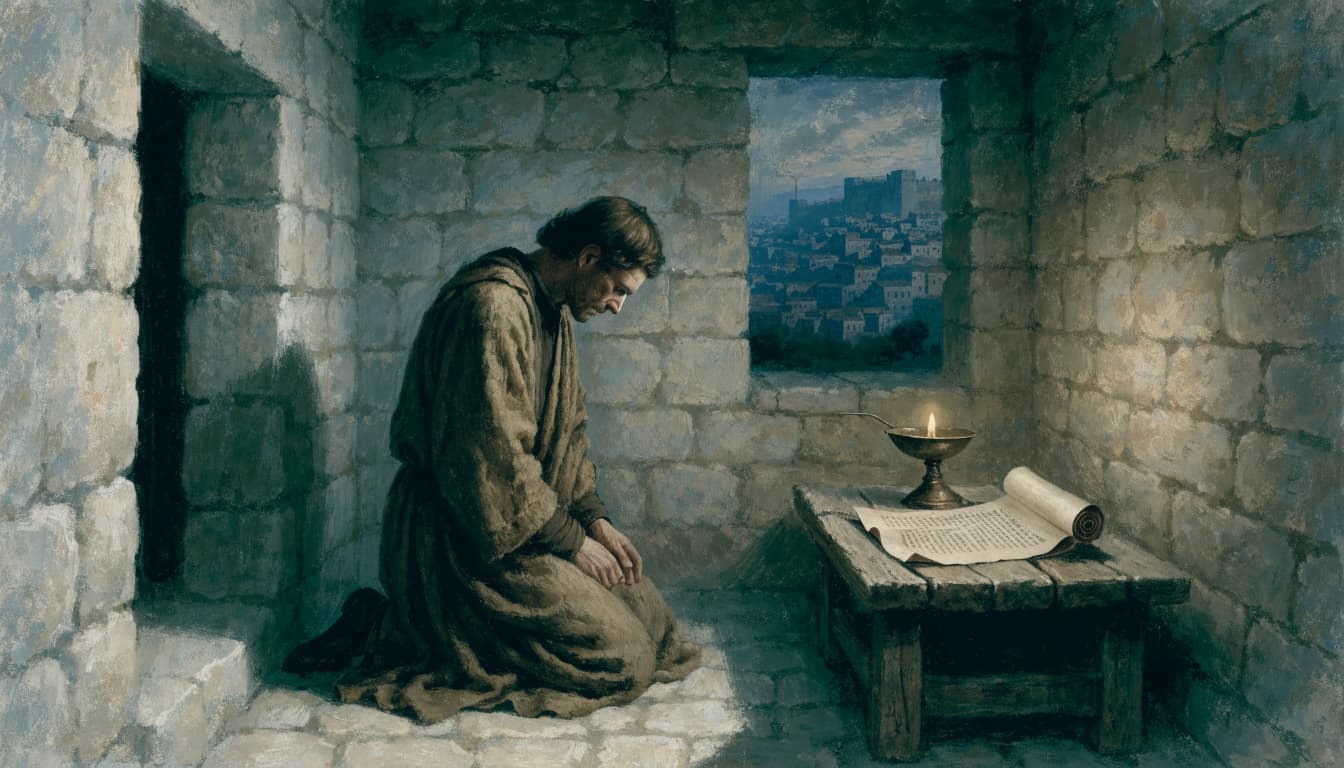
Daniel's prayer is honest about sin, but it doesn't end in despair. He asks God to act for His own name and show mercy to His people. That matters because Gabriel's reply doesn't simply confirm a return from exile. It points to a larger period and a wider purpose for God's people and Jerusalem.
Gabriel speaks of seventy "sevens," a phrase often translated as "seventy weeks." The message moves beyond Daniel's immediate concern about the seventy years. God's answer addresses sin, atonement, righteousness, and the future of the holy city. The precise chronology is debated, but the prayer's movement is clear: Daniel seeks restoration, and God's answer reaches toward redemption.
What “seventy sevens” means, and what remains debated
In Daniel 9:24, Gabriel announces that seventy "weeks" are appointed for Daniel's people and holy city. The Hebrew expression can mean groups of seven. Many interpreters understand these as seventy groups of seven years, or 490 years. That reading fits the passage's larger prophetic framework, but it doesn't settle every question.
Even if we read the sevens as year-based, we still have to ask: When does the count begin? Which calendar method applies? Where does the period end? And does the final seven follow directly after the first sixty-nine, or is there a gap? Christians answer these questions in different ways, so we shouldn't treat one proposed calculation as undisputed.
The passage itself gives us more than arithmetic. Daniel 9:24 names six aims for the appointed period, including dealing with transgression and sin, making atonement for iniquity, and bringing everlasting righteousness. Christians connect these hopes to Jesus' death and saving work. They also see His anointing in light of His Spirit-empowered ministry, though interpreters differ about how and when each aim is fulfilled. We can explore Jesus' baptism and anointing by the Holy Spirit while keeping the focus on the passage's central claim: God's answer to sin and exile points toward His redemptive purpose.
How the seventy weeks are divided and why the timeline is disputed
Daniel 9:25-27 breaks the seventy weeks into three parts: seven sevens, sixty-two sevens, and one final seven. On the common year-based reading, that means 49 years, 434 years, and 7 years. The structure is clear; where interpreters differ is how those periods fit the events named in the passage.

The decree, the Anointed One, and competing date calculations
Daniel says the count begins with a command to restore and rebuild Jerusalem. But which authorization fits that wording? Some interpreters begin with Artaxerxes' authorization associated with Ezra 7, often dated to 457 BC. Others point to the authorization associated with Nehemiah 2, often dated to 445 or 444 BC. Both proposals connect the prophecy to Jerusalem's restoration, but they start the calendar at different points.
The difference matters. A calculation beginning with Ezra's mission has been used to place the end of the sixty-nine weeks near AD 27, a date some connect with the start of Jesus' public ministry and Jesus as the Anointed One. A Nehemiah-based calculation uses a later starting date, and some interpreters apply a different calendar or year-counting method. Those choices can shift the proposed endpoint. For one discussion of the Ezra decree as a starting point, see this analysis of Daniel's seventy weeks.
Daniel's sequence first gives seven sevens, then sixty-two sevens, after which an Anointed One is cut off and Jerusalem and the sanctuary face destruction (Daniel 9:25-26). Christians who connect the Anointed One with Jesus read His death in light of the passage's redemptive purpose. Still, the proposed dates do not settle the identification or establish one agreed chronology. We should treat them as interpretations, not as dates Scripture states outright.
Why the final week separates Christian interpretations
The central question is whether the seventieth week follows the first sixty-nine without a long gap, or whether an interval comes before a future final week. Daniel 9:27 describes a ruler, a covenant, the stopping of sacrifice, and an act of desolation. How we place that week shapes how we understand each detail.
If the final week follows directly, interpreters often read its events in connection with the first-century setting and Jesus' ministry, death, or the destruction of Jerusalem. If a gap separates it from the sixty-nine weeks, the final seven years are generally understood as future, and the ruler and covenant are read in that future setting. Both readings take the verse seriously, but they arrange its events differently.
The passage gives us the sequence and the stated events; it does not name the ruler in modern terms or explain a gap in so many words. So the debate turns on how readers connect verse 27 with what comes before it (Daniel 9:27). We can hold our view with conviction while recognizing that the timeline itself remains disputed.
The Anointed One is cut off, and Christians see Jesus’ atoning death
Daniel 9:26 says that after the sixty-two weeks, an Anointed One will be "cut off." The phrase is stark. Christians read it alongside Daniel's promises about sin and atonement, and see Jesus' death as the answer to the need Gabriel describes.
How atonement and everlasting righteousness connect to Jesus
The words "cut off" point to a violent loss, but Daniel does not name the Anointed One in this verse. The passage says He is cut off and has nothing, then turns to Jerusalem's destruction. Christians identify this figure as Jesus, whose death was not a defeat outside God's plan. We understand it as His willing sacrifice for sinners.
That reading connects verse 26 with the purpose named earlier in Daniel 9:24: to make atonement for iniquity and bring in everlasting righteousness. For Christians, Jesus' death provides forgiveness, while His resurrection declares that sin and death do not have the final word. Paul summarizes this central belief in 1 Corinthians 15:3-4.
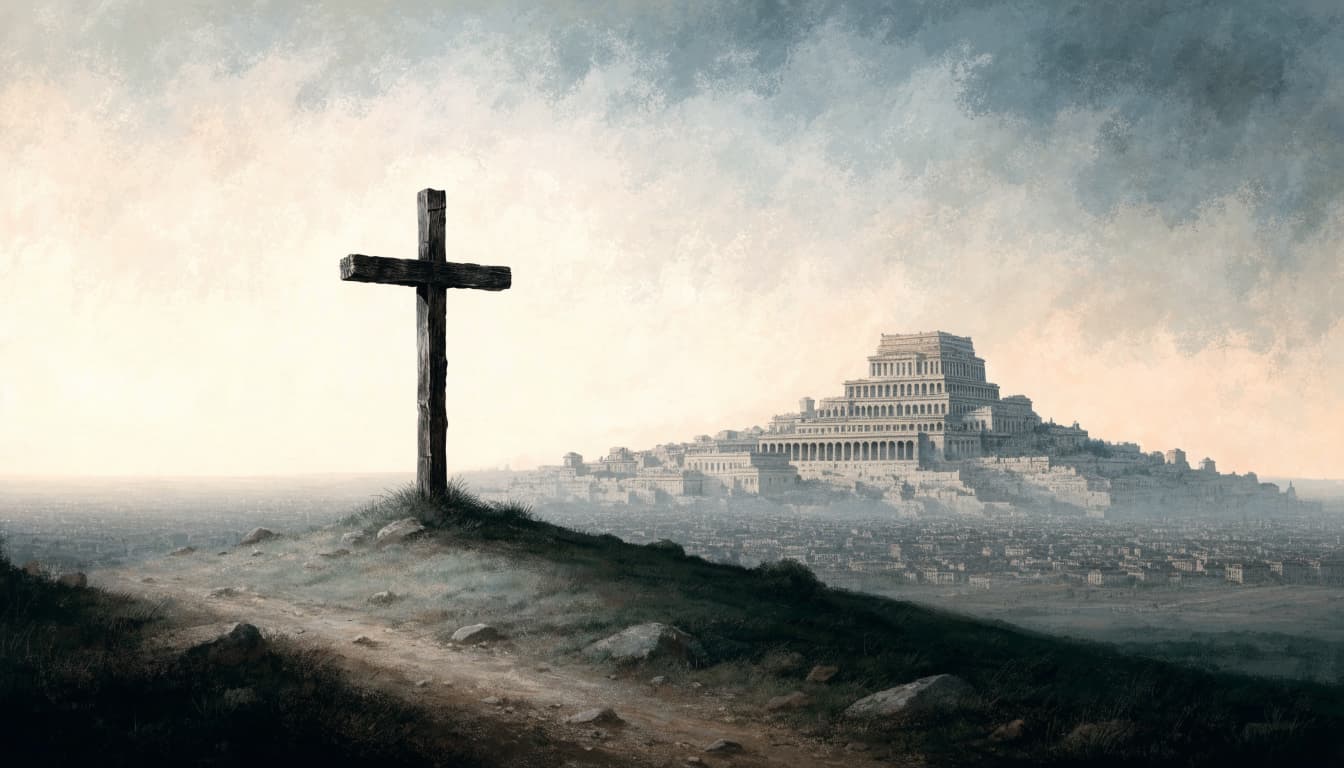
We see the connection in the movement from Daniel's concern with sin to the Christian proclamation of Jesus' saving work. His death and resurrection make redemption possible, not through human effort, but through God's mercy. We can read more about salvation through Jesus' death and resurrection.
This is the theological significance Christians find in Daniel's prophecy, not an interpretation accepted by every reader. Some interpreters identify the "anointed one" with the high priest Onias III, who was killed in the second century BC. Others connect the passage with different historical figures or events. The wording invites interpretation, so we should say clearly when we are presenting the Christian messianic reading.
Why the passage’s messianic hope mattered in its Jewish setting
Christians did not invent the expectation of a coming Anointed One in a vacuum. Daniel's seventy-weeks prophecy contributed to messianic expectation among some first-century Jewish groups. David J. Hamstra's study in the Andrews University Seminary Student Journal discusses evidence for that influence, while also giving us no reason to claim that every Jewish community shared one timetable or one picture of the Messiah.
That distinction matters. Jewish hopes included different expectations about restoration, deliverance, leadership, and God's future for His people. Daniel's prophecy could shape those hopes without producing one uniform interpretation. Some readers may have expected a royal deliverer; others could understand the prophecy through the upheavals of their own history.
So when Christians identify Jesus as the Anointed One who is cut off, we are placing our belief within a wider history of Jewish hope. We also recognize that the identification is a Christian confession about what Daniel means, not proof that all first-century Jews would have read the passage the same way. The sequence and disputed figure appear in Daniel 9:25-27, while its meaning remains part of the larger conversation about prophecy, history, and redemption.
Jerusalem’s destruction shows prophecy meets real history
Daniel 9 does not leave Jerusalem's future in the abstract. The passage speaks of the city and sanctuary being destroyed, and history records the Temple's destruction by Roman forces under Titus in 70 AD. Christians have connected these events, though the historical fact and the interpretation of what Daniel predicts are two different claims.
The first-century destruction of Jerusalem and the Temple
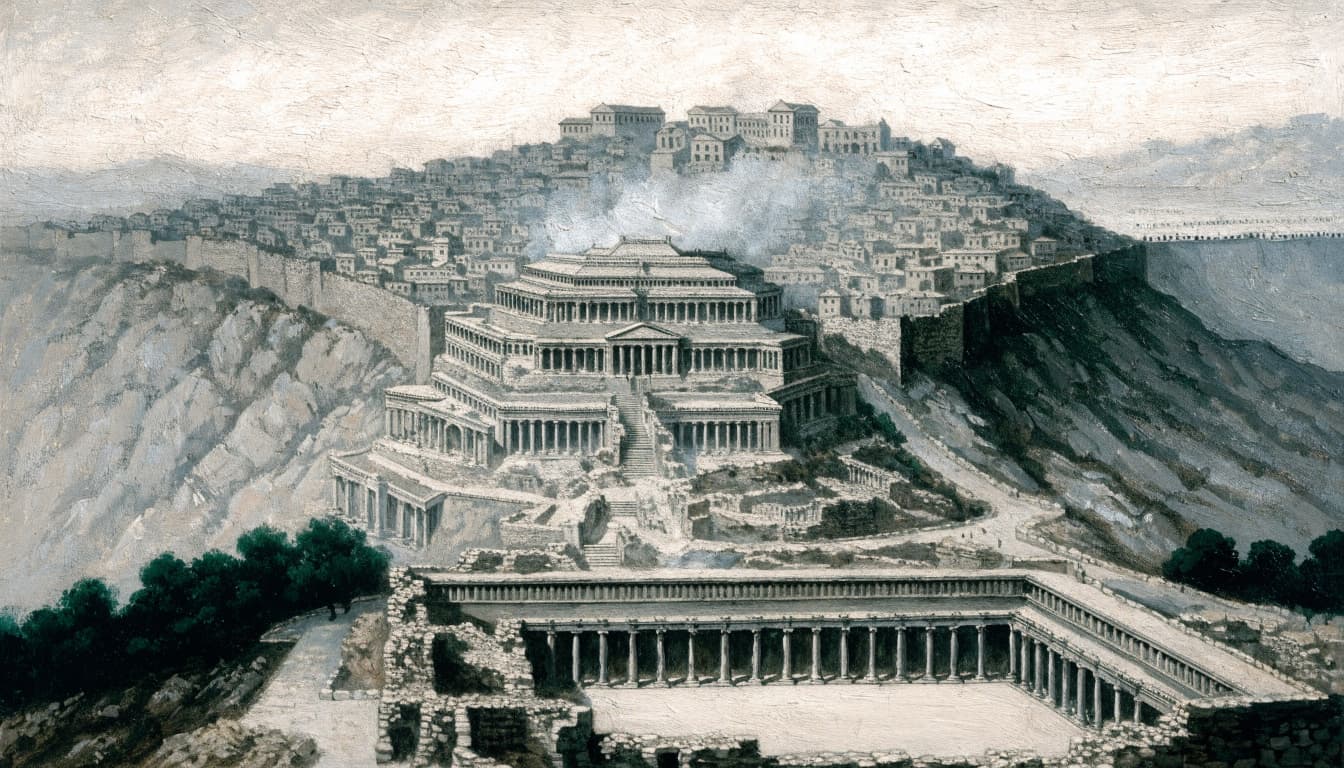
Daniel 9:26 says that the city and sanctuary will be destroyed after the Anointed One is cut off. Read alongside the next verse, its language about destruction and desolation has led many Christian interpreters to connect the prophecy with Rome's attack on Jerusalem. Roman forces under Titus destroyed Jerusalem and the Temple in 70 AD, a major event in the city's history. The Jewish historian Josephus recounts the fall of Jerusalem in Book VI of The Jewish War. Tap below to read or listen to all 7 Books .

For Christians who identify the Anointed One with Jesus, the sequence carries particular weight: the Messiah is cut off, then Jerusalem and its sanctuary face destruction. Some connect the desolation in verses 26–27 with the Roman destruction. Jesus' own lament over Jerusalem and His warning of coming judgment are also part of this reading; we can consider Jesus' compassion for Jerusalem in that context.
Still, we should be precise. Daniel 9:26 names the destruction of the city and sanctuary, but it does not name Titus or Rome. Connecting the prophecy to 70 AD is an interpretation of the text, not the only possible reading. The event is historical; the claim that Daniel specifically predicts it belongs to the debate over how the passage's figures and timeline should be understood. We can read Daniel 9:26–27 and see why the language invites more than one interpretation.
The Antiochus IV reading and the earlier crisis in Jerusalem
A major historical-critical reading places Daniel's final events in the second century BC, during the rule of Antiochus IV Epiphanes. In this view, the prophecy's references to halted sacrifice and desolation point to Antiochus' suppression of Jewish worship and the crisis that led to the Maccabean revolt.
This approach often identifies the "anointed one" who is cut off with Onias III, the high priest killed in 171 BC. The details of this reading differ from the Christian messianic interpretation: its central setting is the conflict under Antiochus, rather than Jesus' death and the Roman destruction of Jerusalem.
We don't have to blur these views to take the passage seriously. The Roman destruction in 70 AD is a real historical event, and Christians may see Daniel's words fulfilled in it. At the same time, the Antiochene reading is a substantial alternative that places the prophecy's final events in an earlier crisis. Recognizing that difference helps us explain our Christian reading with conviction, without presenting it as the only interpretation.
How Christians understand the final week without losing sight of Christ
Christians agree that Daniel's seventy weeks concern God's purposes for His people and Jerusalem, but we don't all place the final seven years on the same timeline. The main difference is whether the last week follows the first sixty-nine directly or comes after a long interval. That debate matters, but it need not pull our attention away from Jesus, atonement, and Jerusalem's fate.

The continuous reading places Jesus within the final week
In a continuous reading, the seventieth week follows the sixty-ninth without a long gap. Interpreters who take this approach often connect the Anointed One's ministry and death with the final week. They also read the passage's language about sacrifice and atonement in light of Jesus' death, seeing His work as central to the purposes named in Daniel 9:24–27.
Some Christians call this a historicist or continuous messianic reading. Here, "continuous" means the weeks proceed as one sequence; "messianic" describes the focus on Jesus as the Anointed One. The labels can vary, and interpreters don't all explain the ruler, covenant, or stopping of sacrifice in the same way. A Christ-centered reading of Daniel's final week argues against inserting a long gap and places Jesus at the prophecy's center.
The futurist reading expects a gap before a future final week
Many futurist interpreters, especially those in dispensational traditions, place an interval between the sixty-ninth and seventieth weeks. In this view, the final week is still future and involves a period of crisis. They commonly associate its events with a ruler, a covenant, sacrifice being stopped, and desolation, as described in Daniel 9:27.
These are features of the futurist interpretation, not established facts about a future timeline. Futurists differ over how they identify the ruler and covenant, and how the events relate to Israel, Jerusalem, and the temple. We can describe the view fairly without treating every detail as settled. Its key distinction is the gap: the first sixty-nine weeks are connected to the past, while the final week is placed ahead.
A first-century reading connects the climax with Jerusalem’s fall
Some interpreters place the prophecy's main fulfillment in the first century. They connect the Anointed One with Jesus' ministry and death, then read the destruction of Jerusalem and the sanctuary in relation to Rome's destruction of the city in 70 CE. The event is historical; identifying it as the fulfillment of Daniel's words is an interpretation. Readers interested in another biblical discussion of Jerusalem's judgment can explore Psalm 107 and the gathering of Israel.
The label preterist is often used for readings that place prophetic events in the past, but it covers more than one position. Some preterists emphasize first-century fulfillment while still affirming future Christian hope. We shouldn't assume that all preterists read Daniel 9 alike, or that they all deny a future return of Christ.
So where does that leave us? Christians disagree about chronology, but the disagreement need not erase the passage's focus on God's purposes, Jesus, and the fate of Jerusalem. We can weigh the interpretations carefully and keep the central hope in view: God's plan of redemption centers on Christ.
What a Spirit-filled Christian response can hold with confidence
Daniel's seventy weeks invite careful study, but a faithful response doesn't depend on solving every date. We can hold firmly to the Christian confession that Jesus is the promised Messiah, His death secures atonement, and God will bring His purposes to their appointed end.
Keep the clear promises central while timelines remain debated
Christians differ on where the final week belongs and how its events unfold. That disagreement deserves honest attention, but it shouldn't turn a proposed chronology into a test of faith. We can compare interpretations in context, read the words of Daniel 9:24–27, and ask what each view explains, and where it relies on assumptions.
We also need to distinguish what Scripture says plainly from what interpreters infer. Daniel speaks of atonement, an Anointed One who is cut off, and Jerusalem's future. Christians confess that Jesus fulfills the hope of atonement and Messiah. The precise sequence and timing remain disputed, so we should hold those details with humility.
Fear-driven predictions and date-setting can make prophecy feel like a countdown designed to keep people anxious. Daniel's vision gives us reason to trust God's rule, not to claim certainty about dates the text doesn't state. We can study the passage seriously without treating every headline or speculative timeline as a new prophetic key.
Read prophecy as a call to faithfulness, hope, and worship
Daniel's prayer helps keep the passage grounded. He confesses the people's sin and appeals to God's mercy; Gabriel's answer points beyond the immediate crisis toward God's larger purposes. You can read Daniel's prayer and Gabriel's response alongside the vision. The movement is from confession to mercy, and from distress toward hope.

As Spirit-filled Christians, we believe the Holy Spirit guides believers toward Jesus and Godly living. Jesus promised that the Spirit of truth would guide His disciples (John 16:13), and Paul describes those led by God's Spirit as His children (Romans 8:14). The Spirit's guidance doesn't make careful study unnecessary. Prayer, Scripture, and obedience belong together. We can explore how believers walk in the Spirit while keeping Christ at the center.
That keeps prophecy from becoming an exercise in speculation alone. It calls us to confess sin, trust God's mercy, worship Jesus, and live faithfully as we wait. The timeline may be debated; our hope rests in God's faithfulness and the redemption He has accomplished through Christ.
Conclusion
Daniel 9:24–27 brings together redemption, the Anointed One, and Jerusalem's history. Christians see Jesus in the One who is cut off, and connect His death with the passage's promise of atonement. We can read more about Jesus as the Lamb of God and His saving sacrifice.
Believers still differ on the timing of the final week and how its details unfold. Yet Jesus remains central to the Christian reading of Daniel, and God's purposes will reach their appointed end. Read the passage carefully, hold disputed timelines with humility, and trust God's faithfulness.
A Prophecy Centered on Christ
Daniel’s Seventy Weeks Point to Jesus and God’s Plan of Redemption
Discover how Daniel’s prophetic timeline directs our attention to the promised Messiah and the redemption he came to accomplish.

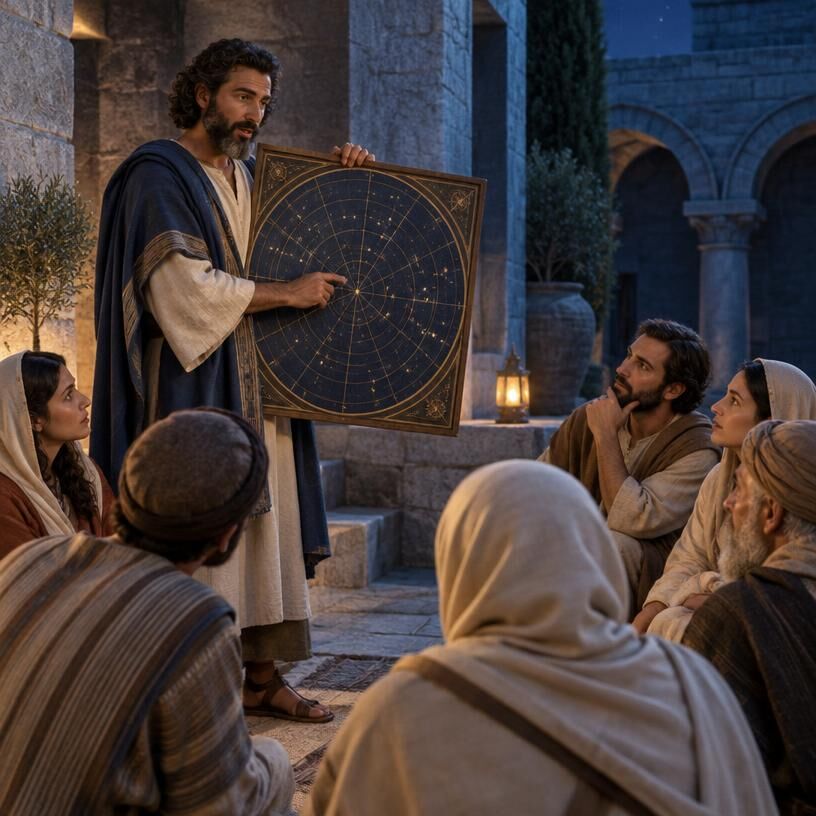
The Messiah in Daniel 9
Seventy Weeks and the Promise of Redemption
In Daniel 9:24–27, the angel Gabriel reveals a period of seventy “weeks” appointed for Daniel’s people and Jerusalem. The prophecy speaks of putting an end to sin, making atonement for iniquity, and bringing in everlasting righteousness. These promises reach their fulfillment in Jesus Christ, whose death and resurrection stand at the heart of God’s plan to redeem sinners.
Daniel also says that an anointed one will be “cut off.” Christians understand this as pointing to Jesus, the Messiah who gave his life for others. Rather than presenting history as a series of disconnected events, the seventy weeks direct our eyes to God’s faithfulness: he promised a Savior, and in Jesus he provided the atonement and hope his people needed.
Daniel’s Seventy Weeks and the Messiah
Daniel 9 traces God’s promise from the rebuilding of Jerusalem to the Messiah’s arrival and death. The milestones below follow the prophecy’s sequence and its fulfillment in Jesus.
c. 457 BC
The Decree to Restore Jerusalem
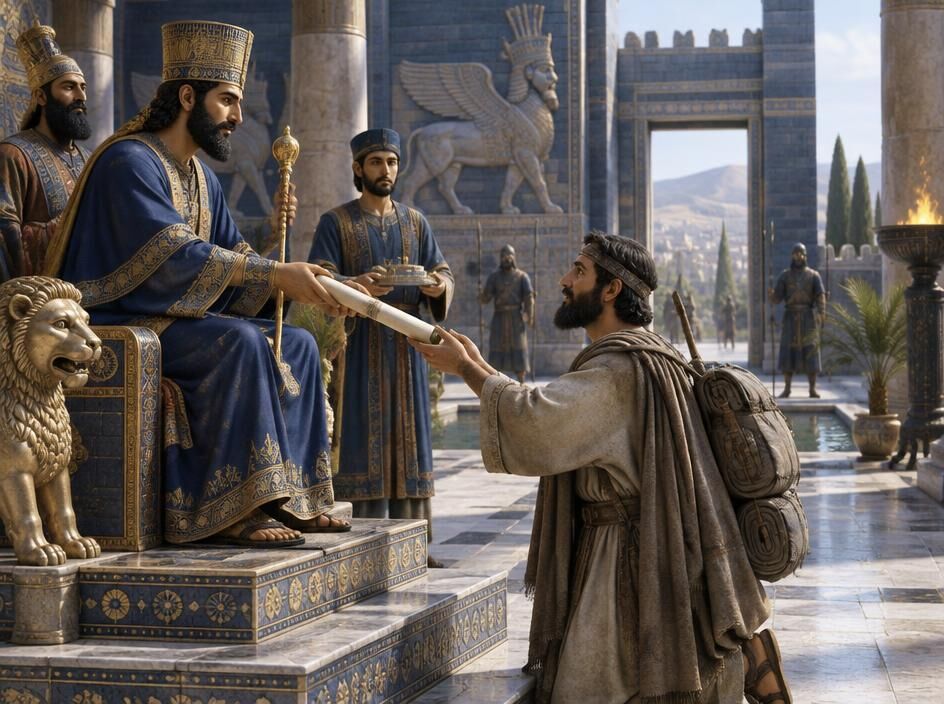
Artaxerxes authorizes the return and restoration of Jerusalem, a decree many interpreters identify as the starting point for Daniel’s seventy weeks (Ezra 7; Daniel 9:25).
c. 408 BC
Jerusalem Rebuilt in Troubled Times
Daniel distinguishes an initial seven weeks for the city’s restoration. Jerusalem is rebuilt amid opposition, just as the prophecy anticipates (Daniel 9:25).
c. AD 27
The Messiah Appears
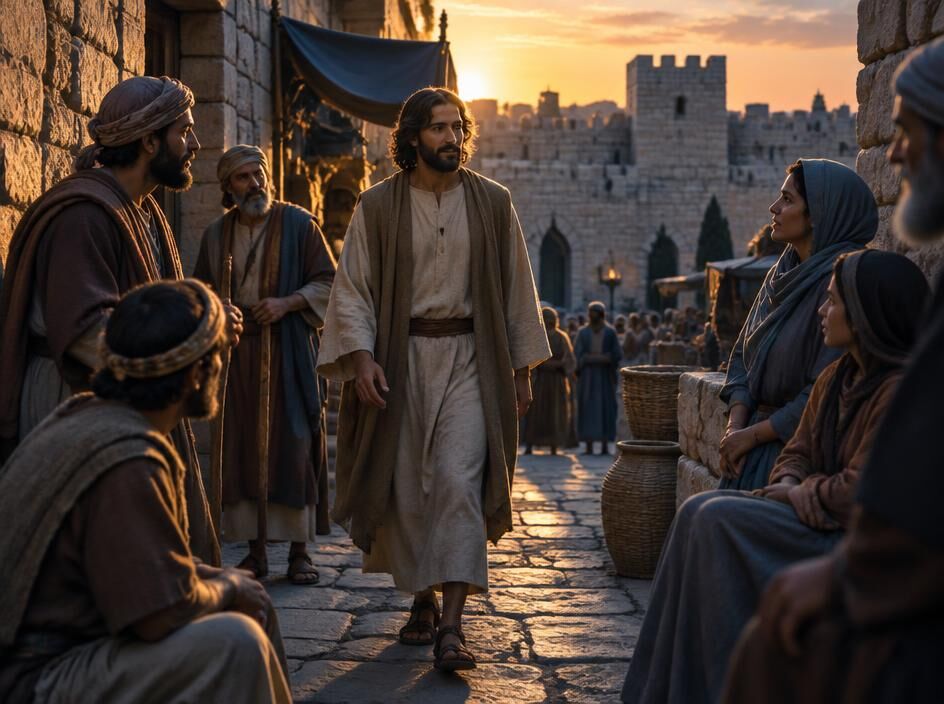
After the following sixty-two weeks, Jesus begins His public ministry. His coming places Israel’s long-awaited hope in view (Daniel 9:25).
c. AD 30–33
The Messiah Is Cut Off
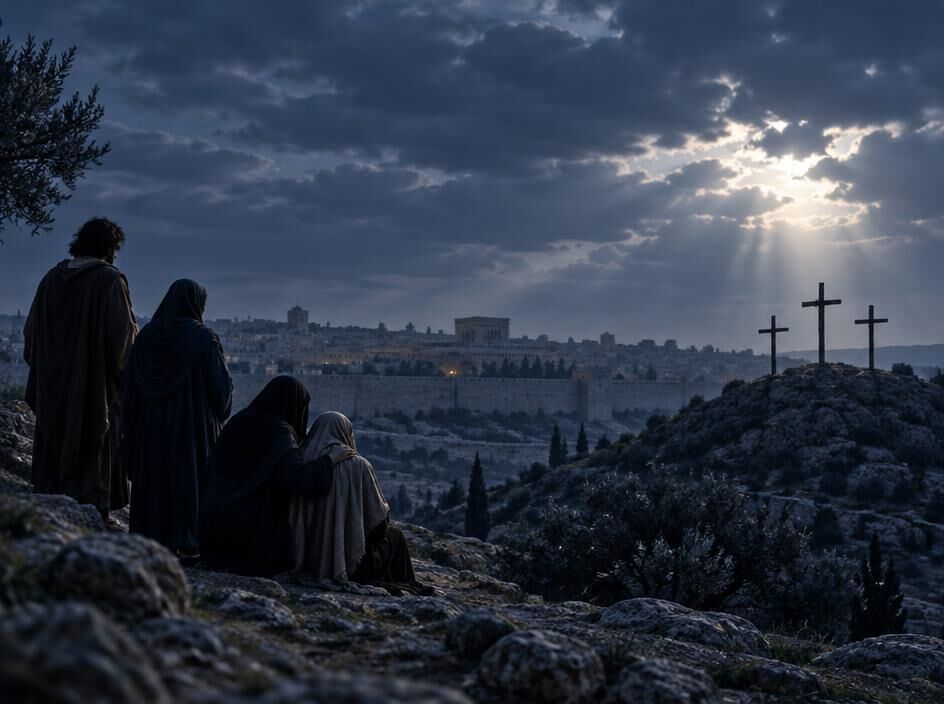
Daniel says the Anointed One will be cut off. Jesus’ crucifixion brings the promise of atonement into focus, and His resurrection proclaims God’s victory over sin and death (Daniel 9:24–26).


“And after the sixty-two weeks Messiah shall be cut off, but not for Himself.” — Daniel 9:26 (NKJV)
Daniel 9:26, New King James Version
A Prophecy Centered on Redemption
Daniel’s seventy weeks belong to a larger Biblical history: God does not abandon His people to sin and exile. In Daniel 9, the angel speaks of ending transgression, making reconciliation for iniquity, and bringing in everlasting righteousness. The prophecy looks beyond the rebuilding of Jerusalem toward the deeper restoration only God can provide.
Bible Prophecy Ministries explores how Scripture’s promises converge on Jesus. His arrival and sacrificial death give Daniel’s words their redemptive significance: the Messiah is cut off, yet His death opens the way to forgiveness. By reading prophecy alongside the Gospels and the rest of Scripture, this ministry seeks to help readers see God’s faithfulness in what has happened, trust His promises for what is to come, and recognize Jesus at the center of it all.
Daniel’s Seventy Weeks: Common Questions
Explore what Daniel 9 says about the Messiah, God’s redemptive plan, and the hope found in Jesus.
What are Daniel’s Seventy Weeks?
Daniel 9:24–27 describes seventy “weeks,” commonly understood as groups of seven years, appointed for Daniel’s people and Jerusalem. The prophecy looks toward the Messiah and God’s work to address sin and establish righteousness.
Why are the weeks understood as years?
Many interpreters read each “week” as a period of seven years because the passage concerns long-term events in Israel’s history. Christians differ on some details, so it is important to follow the text and consider its historical setting.
How does this prophecy point to Jesus?
Daniel speaks of an anointed one who would come and be “cut off.” Christians see Jesus’ arrival, death, and saving work as central to the prophecy’s promise that God would deal with sin.
What does it mean that the Messiah is “cut off”?
Daniel 9:26 says the anointed one will be “cut off.” Many Christians connect this language with Jesus’ crucifixion, through which He gave His life for sinners.
Is the seventieth week still future?
Christians interpret the final week in different ways. Some see a future fulfillment involving tribulation; others understand it in relation to Jesus’ first coming and its aftermath. Both views should be examined in light of Daniel’s words and the wider witness of Scripture.
Why does Daniel’s prophecy matter today?
It reminds us that history is not outside God’s care. Daniel’s vision directs our attention to His promises, the seriousness of sin, and the redemption Christians find in Jesus Christ.
Keep Exploring the Story That Leads to Jesus
Daniel’s vision is one part of Scripture’s unfolding story. Continue exploring Bible prophecy to see how God’s promises point to Jesus and His plan of redemption.