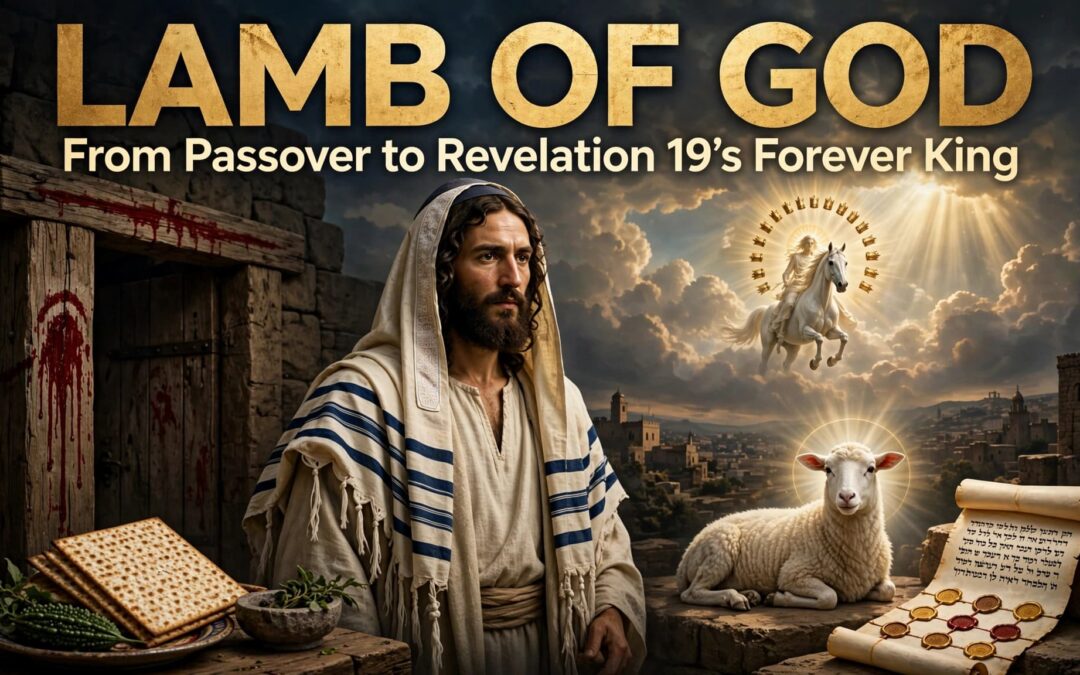
PROMISED: Prophecy Reveals Our Messiah In Scripture, Every Detail
Biblical prophecy speaks to events already fulfilled and promises still ahead, but its central focus is Jesus Christ. From the words of Israel’s prophets to Jesus’ own teaching about the future, Scripture invites us to read each passage in context and see how God’s purposes unfold through Him. This article begins with that foundation, helping you approach prophetic texts with care, recognize what they reveal about Christ, and understand why their message matters for faith today.
Daniel’s Seventy Weeks Point to Jesus
Daniel 9:24–27 describes seventy “weeks” appointed for Daniel’s people and Jerusalem, culminating in the arrival of the Anointed One and the fulfillment of God’s redemptive purposes. Christians have long understood the Messiah who is “cut off” in verse 26 as a striking pointer to Jesus, whose death secured atonement for sin. The passage also speaks of Jerusalem’s destruction, a reminder that Biblical prophecy addresses real events in history. While believers differ on the precise timing of the final week, the passage calls us to read history and the future in light of Christ: He is the promised Messiah, and God’s purposes will reach their appointed end.

What Has Already Happened?
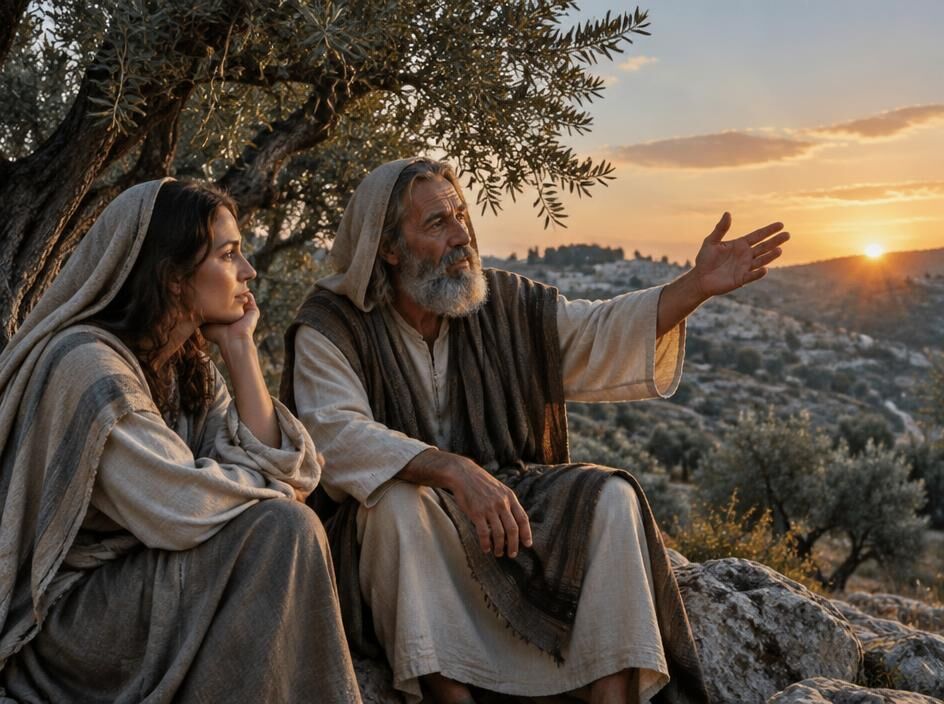
Daniel’s prayer arose during Israel’s exile, when Jerusalem lay desolate and God’s people longed for restoration. The prophecy answered that longing with a larger horizon than the return from captivity. Jesus came as the promised Messiah and was crucified; later, Jerusalem and its temple were destroyed. These events give the passage historical weight without requiring every prophetic detail to be treated as already fulfilled.
What Does the Prophecy Anticipate?
The vision looks beyond judgment toward God’s goal of dealing decisively with sin and establishing everlasting righteousness. Interpretations of Daniel’s final week vary, so humility matters when discussing its sequence. What remains clear is that evil does not have the last word: God governs the times, keeps His promises, and will bring His work to completion through Jesus Christ.
Why Keep Jesus at the Center?
Prophecy is not given merely to fuel speculation about dates or headlines. Daniel’s vision directs attention to the Anointed One who was cut off, and the New Testament proclaims that the crucified Jesus rose again and will return. Reading prophecy through His life, death, and promised coming helps us respond with repentance, steadfast hope, and faithful witness today.
“And after the sixty-two weeks Messiah shall be cut off, but not for Himself.”

Daniel 9:26
New King James Version
Daniel 9: What Has Happened and What Lies Ahead
A Prayer for Restoration
Daniel sought God’s mercy while Jerusalem lay desolate and his people lived in exile.
An Appointed Timeline
The seventy weeks reveal that Israel’s future unfolds according to God’s purposes, not by chance.
The Promised Messiah
The prophecy announces an Anointed One; Christians identify Jesus as the Messiah at its heart.
The Messiah Cut Off
Jesus’ crucifixion gives profound meaning to Daniel’s words about the Anointed One being cut off.
Jerusalem’s Destruction
The destruction of Jerusalem and the temple shows how the passage reaches into historical events.
Questions About the Final Week
Christians differ on its timing and fulfillment, making careful study and humility essential.
Righteousness Still in View
Daniel’s vision looks toward God’s lasting victory over sin and the fulfillment of His promises.
Hope Centered on Christ
Because Jesus died, rose, and promised to return, believers can face the future with faithful hope.
Frequently Asked Questions About Bible Prophecy
Why is Jesus central to understanding Bible prophecy?
Jesus taught that the Scriptures point to Him (Luke 24:27, 44). Prophecy reveals God’s promises, Christ’s first coming, and the hope of His return.
How can I tell whether a prophetic passage is literal or symbolic?
Start with the passage’s context and genre. Look for explanations within the text, such as those in Daniel 7:17 and Revelation 1:20, and compare related Scriptures before settling on an interpretation.
Did Old Testament prophecies foretell Jesus’ first coming?
Yes. The New Testament connects events in Jesus’ life with earlier Scripture, including His birth in Bethlehem (Micah 5:2; Matthew 2:1–6) and His suffering (Isaiah 53; Acts 8:32–35).
How should I approach prophecies that may concern future events?
Read each passage in its historical and Biblical context, then compare it with Jesus’ teaching and other relevant texts. Where the details are not explicit, hold conclusions with humility.
Does the Bible give a date for Jesus’ return?
No. Jesus said that no one knows the day or hour (Matthew 24:36). Rather than setting dates, He calls His followers to stay watchful and faithful (Matthew 24:42–44).
What is the relationship between Daniel and Revelation?
Both books use prophetic visions and imagery to speak about earthly kingdoms and God’s ultimate reign. Reading them together can illuminate shared themes, while each passage should still be understood in its own context.
Are current events the key to interpreting prophecy?
Current events may prompt questions, but Scripture should guide interpretation. Avoid forcing a headline into a Biblical text; first ask what the passage says, who received it, and how it fits the Bible’s wider message.
What hope does Bible prophecy offer believers?
Prophecy points to God’s faithfulness and the promised completion of His purposes in Christ. Revelation 21:1–5 presents the hope of a renewed creation where God dwells with His people.
Where should I begin if I am new to studying prophecy?
Begin with Jesus’ words in Matthew 24–25, then read Daniel and Revelation alongside the passages they echo. Pray for wisdom, note the context, and let clear Scriptures help you examine more difficult ones.