Genesis 3:15 and Deuteronomy 18: The Biblical Blueprint for the Coming King
How do Genesis 3:15 and Deuteronomy 18:15–19 contribute to the Bible's picture of a coming deliverer and King? Christians read them together as part of a larger Biblical pattern fulfilled in Jesus: Genesis 3:15 gives hope of victory over evil, while Deuteronomy 18:15–19 promises a prophet who speaks God's words. Each passage also speaks within its own setting, so reading them together doesn't mean they say exactly the same thing.
Genesis comes before Moses. When we call this the "Mosaic seed" of redemption, we mean the promise is carried forward through the Torah, not that it began with Moses. Let's trace that hope through Eden, Moses, and the Prophets, then see how the New Testament points us to Jesus. We'll also consider the promised deliverer in Genesis 3:15 as part of that unfolding Biblical pattern.
The Mosaic Seed of Redemption Starts Before Moses
When we call this the "Mosaic seed" of redemption, we mean an interpretive label for a promise first voiced in Eden and carried forward through the Law and the Prophets. The promise does not begin with Moses, and Genesis 3:15 does not name the Messiah directly in its immediate setting. So, let's start where the history does: with the fall, the serpent, and God's words of judgment and hope.
What the promise says in its Eden setting
After Adam and Eve disobey God, He addresses the serpent and declares an ongoing conflict between it and the woman, and between their offspring. In Genesis 3:15, the serpent wounds the woman's offspring, and the offspring strikes the serpent. The scene holds both judgment and hope: the conflict will continue, but the serpent will face a decisive blow.

The Hebrew word translated "offspring" is zera. It can refer to descendants as a group, or to an individual descendant. The word itself doesn't settle which meaning is intended here. Likewise, the Hebrew verb rendered "strike" or "bruise," shuph, is used for both blows. The wording alone doesn't tell us that one blow is fatal and the other minor, even though Christian readers often understand the serpent's head wound as the decisive defeat.
That distinction matters. In its Eden setting, the passage describes enmity between the serpent and the woman's offspring. We can read it with care without pretending that Hebrew grammar answers every interpretive question. The promise opens a line of expectation; later Scripture develops that hope.
Why Christians call Genesis 3:15 the first Gospel
Protoevangelium is a traditional Christian name for Genesis 3:15. It means "first gospel," or an early announcement of good news. Christians use the term because the verse speaks of conflict with the serpent and a coming victory, themes that the rest of the Bible carries forward.
We read the verse in light of the whole Biblical history, especially the New Testament's witness to Jesus' victory over evil through His death and resurrection. In that canonical reading, Jesus is the promised offspring who defeats the serpent, though He suffers in the process. We see that as a preview of Christ, not as a claim that the verse's original grammar explicitly identifies Him as the Messiah.
The distinction keeps both parts of the reading honest: Genesis speaks first in its own setting, and Christians recognize its fuller significance through the whole of Scripture. That is why we can call the promise the seed of redemption before Moses, then trace how the Torah and Prophets carry its hope forward. For another look at Jesus as the promised Seed, we can follow that thread into the later Biblical history.
How the Law Carries the Hope of a Deliverer and King
The Torah develops hope for God's people through more than one kind of leadership. Jacob's blessing points toward royal rule from Judah, while Moses speaks of a prophet authorized to deliver God's words. These themes belong together in the larger Biblical history, but they aren't the same promise.
The promise of rule from Judah
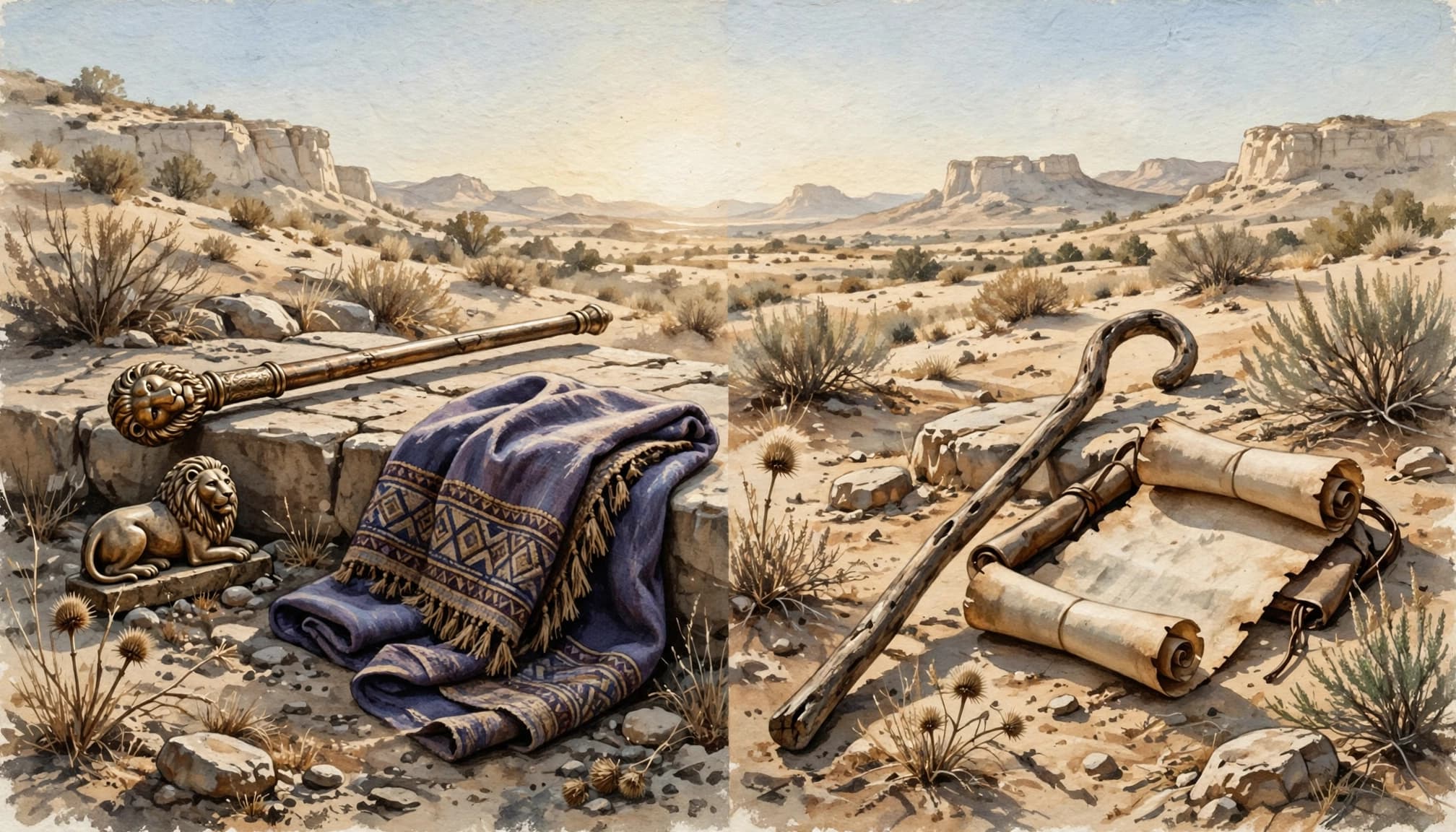
As Jacob blesses his sons, he describes Judah with images of strength and authority. In Genesis 49:10, the scepter and ruler's staff point to leadership associated with Judah. The verse also speaks of a figure called Shiloh and the obedience of the peoples, though interpreters differ on how to understand that wording.
The royal language adds a new strand to the hope of redemption. Genesis 3:15 points to conflict with the serpent and the prospect of victory; Jacob's words direct our attention to a family line and the possibility of lasting rule. Later, the promise of a king from David's line gives this royal expectation a clearer place in Israel's history. We can read these passages together without asking Genesis 49:10 to give a complete portrait of Jesus by itself. For more on the wider hope of God's Kingdom and Israel, we can follow that royal thread into the later Biblical history.
Why the prophet like Moses is a different strand
Deuteronomy 18 turns to another question: Who may speak for God, and what should His people do with that word? In Deuteronomy 18:15–19, Moses tells Israel that God will raise up a prophet like him from among their own people. God will put His words in that prophet's mouth, and Israel must listen.
The setting matters. Moses contrasts this authorized voice with divination and other forbidden ways of seeking knowledge. The promise is about prophetic authority: God chooses the speaker, gives the message, and holds the people accountable for hearing it. The passage doesn't describe a king ruling Judah. Royal rule and prophetic authority can meet in the Bible's picture of God's appointed deliverer, but they remain distinct roles.
Christians read the Torah canonically, tracing how its different promises and patterns gather meaning across Scripture. That doesn't mean one passage directly explains every other one. Genesis 49:10 carries the royal hope; Deuteronomy 18 carries the hope of a faithful prophet whose words come from God. Together, they prepare us to recognize more than one dimension of the coming King.
What Deuteronomy 18 Means by a Prophet Like Moses
Deuteronomy 18 answers a practical question: when Israel needs guidance, whose voice should the people trust? Moses points them away from forbidden spiritual practices and toward the prophet God will raise from among them. The promise centers on God's message and the people's responsibility to hear it.
Moses sets the standard for faithful prophetic speech
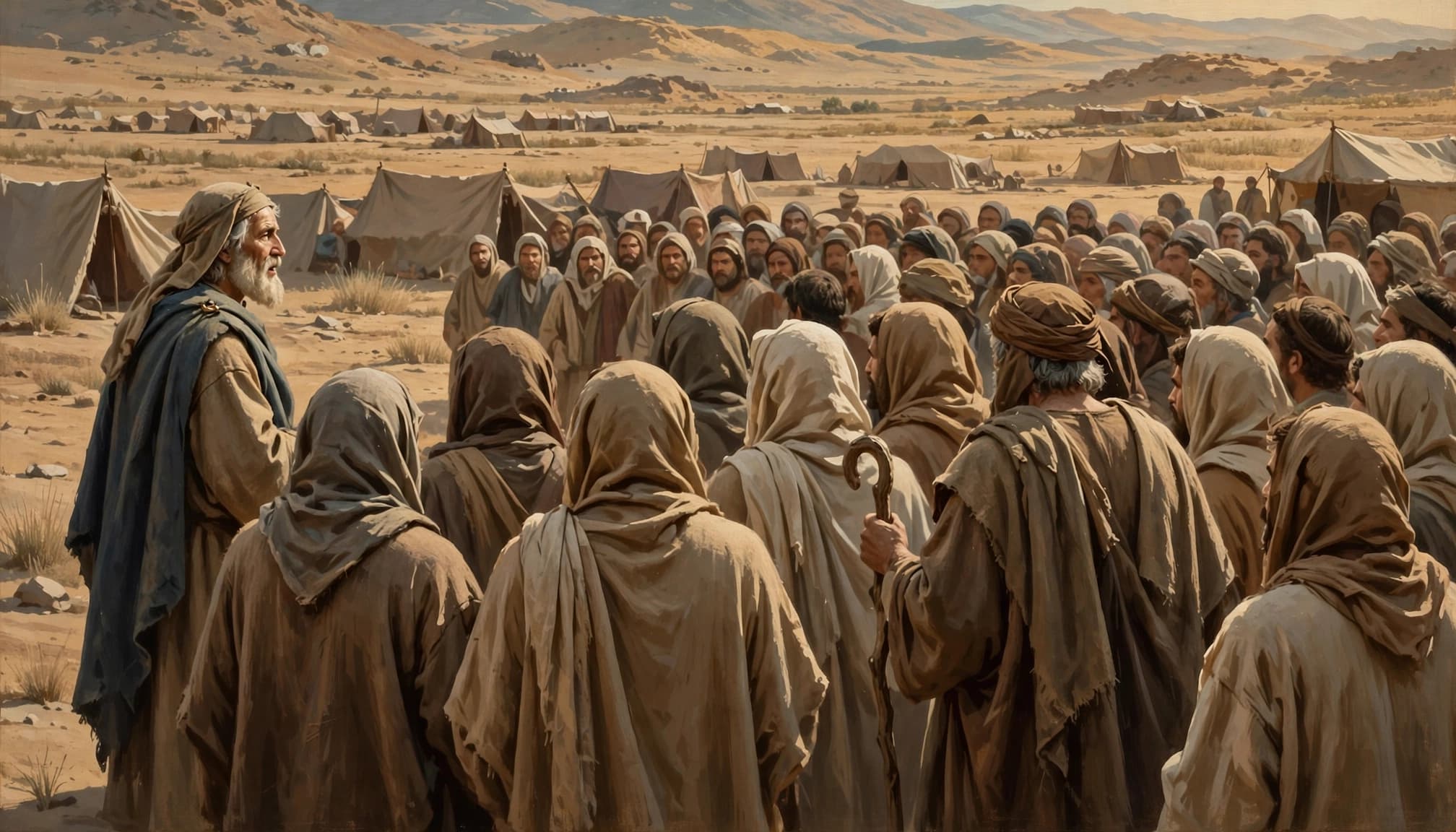
Moses speaks as Israel's mediator. At Horeb, the people were afraid to hear God's voice directly, so they asked Moses to hear and speak on their behalf. In Deuteronomy 18:15-19, Moses says God will raise up a prophet like him from among Israel's own people. God will put His words in that prophet's mouth, and the prophet will speak what God commands.
That's where the prophet's authority comes from. He doesn't get to invent a message, dress up private opinion as divine revelation, or use spiritual power to draw attention to himself. He speaks because God gives him the words. And Israel must listen, because refusing God's message carries real accountability.
The surrounding passage makes the contrast clear. Moses warns against divination and other forbidden ways of seeking guidance, then explains how the people can recognize a false prophetic claim. Deuteronomy 18:20-22 names two warning signs: speaking in the name of other gods, or claiming a word from God that does not come to pass. These tests don't turn prophecy into a guessing game. They protect Israel from voices that claim God's authority without speaking His truth.
Moses remains the standard even after his death. Deuteronomy 34:10 says that no prophet like Moses had yet arisen in Israel, one whom the Lord knew face to face. The promise in chapter 18, then, carries weight. It points to prophetic leadership modeled on Moses, while leaving room for readers to ask whether it also looks beyond an ongoing line.
The promise can point to a prophetic line and a future figure
In its original setting, the promise can be read as God's provision of prophets for Israel across generations. The people need faithful messengers who speak God's words, and the passage gives them a way to distinguish that calling from false claims. The wording doesn't force us to choose only this reading, though. Later Jewish and Christian readers also considered whether the promise pointed toward one ultimate prophet.
We should be careful here. Jewish interpreters did not all hold a single view, and the passage itself doesn't spell out every detail of a future individual. A scholarly discussion of trajectories in Deuteronomy's prophet promise traces how the text has been read in more than one way.
Christians read the passage alongside the New Testament's explicit interpretation. In Acts 3:22-23, Peter applies Moses' words to Jesus and calls the people to hear Him. That doesn't erase the passage's setting or its concern with faithful prophetic speech. It shows how the early church recognized Jesus as the promised Prophet, whose words come from God. We can hold both ideas together: Deuteronomy provides for prophetic voices among God's people, and its promise also directs Christian hope toward Jesus. For a related look at the prophet like Moses and Jesus, we can follow that connection further.
How the Prophets Keep the Hope of Redemption Alive
The hope of redemption grows as Scripture unfolds. Genesis 3:15 introduces conflict with the serpent and the promise of victory; Moses speaks of a prophet who carries God's words; and later Scripture adds the hope of a king from David's line. These passages belong to one larger Biblical history, but each keeps its own voice.
The Davidic covenant adds a royal line to the picture
God's covenant with David makes the kingly hope clearer. In 2 Samuel 7:12–16, God promises to raise up David's descendant, establish his kingdom, and secure his throne. The passage speaks of a lasting royal house, not simply another leader who will rule for a few years.

That promise helps us see the kingly part of the Biblical hope. Deuteronomy 18 contributes a different strand: God will raise up a prophet like Moses, and His people must listen to him (Deuteronomy 18:15–19). Prophetic authority and royal rule are related hopes, but they're not interchangeable. A prophet speaks God's message; a king rules God's people. The Bible's picture of the coming deliverer grows as these roles develop alongside each other.
Christians connect David's promised throne with Jesus as the coming King. That reading follows the New Testament's witness, while still letting 2 Samuel speak first about God's covenant with David and his house. For another look at David's royal line and the coming King, we can trace how later readers connect the promise to the Messiah.
A careful reading respects each passage’s own voice
How do we bring these passages together without forcing them to say the same thing? We can ask three simple questions:
- What did the passage mean in its setting? Genesis 3:15 describes enmity between the serpent and the woman's offspring. Deuteronomy addresses God's provision of a prophet who speaks His words. Neither passage, on its own, lays out the full portrait of a coming King.
- How does later Scripture use it? The Prophets carry forward hope for God's intervention, faithful leadership, and the restoration of His people. They don't simply repeat Genesis 3:15 or Deuteronomy 18 word for word. The expectation develops through different promises and prophetic messages.
- How do Christians understand its fulfillment? The New Testament applies the prophet-like-Moses promise to Jesus and identifies Him with the royal hope tied to David's line. We read those connections as part of Scripture's unfolding witness to Him.
We should also speak fairly about Jewish interpretation. Readings of Genesis 3:15 vary: some traditions connect the verse with the Messiah, while others understand it in its immediate setting or more broadly as conflict between humanity and evil. We don't need to claim that all Jewish readers agree. The careful point is this: Christians see a growing pattern of hope across Scripture, with prophetic authority, deliverance, and kingship each adding something distinct to the picture of Jesus.
How the New Testament Applies Moses’ Promise to Jesus
Deuteronomy's promise of a prophet like Moses finds its clearest New Testament application in Peter's words about Jesus. The connection is explicit in Acts, while John's Gospel shows that "the Prophet" was a distinct expectation people associated with Jesus.
Peter names Jesus as the prophet Israel must hear
After Peter heals a man who could not walk, a crowd gathers, and Peter points them to Jesus. He quotes Moses' promise that God would raise up a prophet like him, then identifies Jesus as the one Israel must hear. In Acts 3:22–23, Peter also repeats the warning attached to the promise: those who refuse to hear that prophet will be cut off from the people.
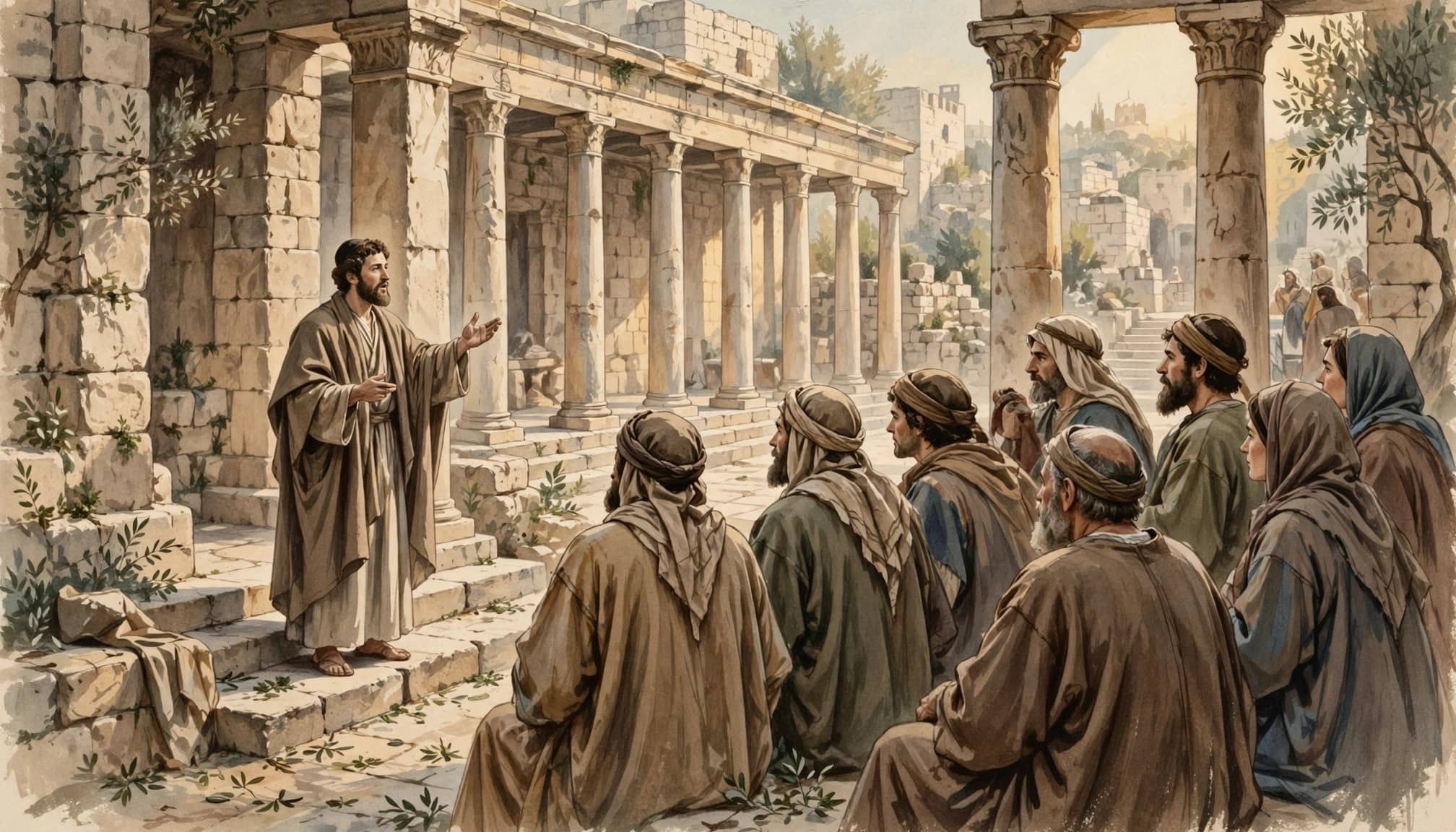
That warning gives Peter's appeal its weight. Listening to Jesus is not an optional response to an interesting teacher. In Peter's message, Jesus is God's appointed Prophet, and rejecting His words means rejecting the One who sent Him. Peter calls his listeners to turn back to God, so they may receive forgiveness and times of refreshing.
We should keep the setting in view. Moses spoke to Israel about God raising up a prophet from among their own people, in a passage about whom to trust for divine guidance. Acts tells us how Peter and the early church applied that promise to Jesus. That explicit New Testament reading doesn't require us to claim that Deuteronomy's first audience understood every detail in exactly the same way.
John’s Gospel distinguishes the Prophet from other titles
John's Gospel helps us see that "the Prophet" was not simply another name for the Messiah or Elijah. When religious leaders ask John the Baptist who he is, they ask whether he is the Messiah, Elijah, or "the Prophet." John denies being each one, including "the Prophet," in John 1:21. The questions keep these expectations distinct. John 1:21 does not identify Jesus as the Prophet; it records John the Baptist's denial that the title belongs to him.
Later in the Gospel, people use the title for Jesus. After seeing His sign, the crowd says He is "the Prophet who is to come into the world" (John 6:14). After hearing Him teach, others say, "This is the Prophet" (John 7:40). Philip makes the link to Moses even clearer when he tells Nathanael they have found the one Moses wrote about (John 1:45).
Together, these passages show how the New Testament connects Jesus with the prophet-like-Moses expectation while keeping the titles distinct. Christians read that connection alongside the other promises in Scripture, including the royal hope tied to David's line. We can see Jesus as Prophet and King without making Deuteronomy say more than it says in its original setting. For another look at Jesus as the Prophet promised by Moses, we can follow how the New Testament speaks about His authority.
What This Biblical Pattern Shows About Jesus and Redemption
These passages add distinct strands to the Bible's picture of redemption. Genesis gives us hope of victory over evil, Deuteronomy points to a prophet who speaks God's words, and the royal promises look toward a King. Christians confess that these hopes converge in Jesus, while still reading each text in its own setting.
The promise of victory, prophetic authority, and kingship converge
In Genesis 3:15, God declares enmity between the serpent and the woman's offspring. The verse doesn't name Jesus in its immediate context or spell out the whole history of redemption. Yet Christians read it alongside later Scripture and see an early promise that evil will not have the final word.
Deuteronomy adds another strand. Moses tells Israel that God will raise up a prophet like him, put His words in that prophet's mouth, and call the people to listen (Deuteronomy 18:15–19). The passage centers on God's authority and the responsibility to hear His messenger. It does not, by itself, describe every feature of the Messiah.
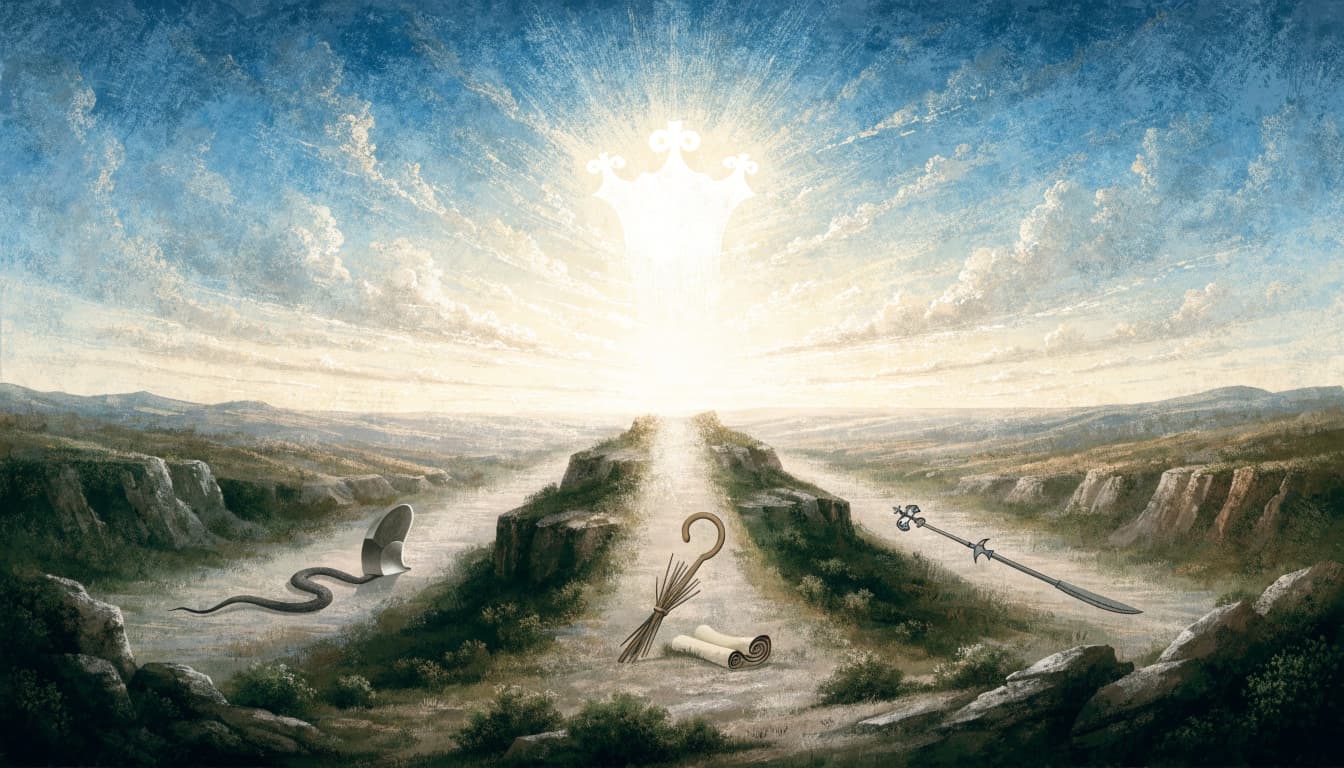
The royal promises contribute the hope of a King. Jacob's words about Judah point toward rule (Genesis 49:10), and God's covenant with David promises an enduring royal house (2 Samuel 7:12–16). These texts aren't interchangeable. Together, though, they give us a wider Biblical pattern: victory over evil, a voice carrying God's authority, and a King from the royal line.
The New Testament makes the Christian confession clear. Peter applies Moses' promise to Jesus in Acts 3:22–23, and the Gospel writers connect Him with David's royal hope. We confess Jesus as the fulfillment of this larger pattern because of those New Testament claims, not because Genesis 3:15 or Deuteronomy 18 alone lays out the entire portrait. For another look at Jesus' kingly and prophetic mission, we can consider how these roles belong together without collapsing their distinct meanings.
Read with faith while keeping every claim grounded in Scripture
So how do we read these promises faithfully? Start with the immediate context. Ask what each passage says, who first heard it, and what question it addresses. Then compare Scripture with Scripture, paying attention to how later Biblical writers use earlier passages. A clear statement in one verse and a theological conclusion drawn from several passages are not the same thing, and we should be honest about that difference.
The Holy Spirit helps believers understand and live out Scripture. As Spirit-filled Christians, we welcome His guidance, but personal conviction should remain accountable to the written Word. We don't use an impression or experience to make a passage say what its words and context do not support.
Deuteronomy itself notes that no prophet like Moses had yet arisen in Israel (Deuteronomy 34:10). That observation helps explain why the promise remained significant, while Acts shows how the early church applied it to Jesus. We can hold both points in view: Scripture's original setting matters, and the New Testament teaches us to see Jesus as the promised Prophet and King.
Conclusion
The hope of redemption begins in Eden, where God declares conflict with the serpent and the woman's offspring (Genesis 3:15). Through Moses, that hope takes prophetic shape: God promises a prophet who speaks His words and calls His people to listen (Deuteronomy 18:15–19). These passages add distinct strands to the Bible's picture of the coming King.
The New Testament brings those strands into focus in Jesus. Peter applies Moses' promise to Him, and we read the earlier promise of victory in Eden within Scripture's unfolding witness to redemption. To see that witness clearly, read each passage in context and follow where the Biblical history leads: to Jesus as the promised King and Savior.
The Biblical Context
Seeing Prophecy Through Christ
Biblical prophecy speaks to events already fulfilled and promises still ahead, but its central focus is Jesus Christ. From the words of Israel’s prophets to Jesus’ own teaching about the future, Scripture invites us to read each passage in context and see how God’s purposes unfold through Him. This article begins with that foundation, helping you approach prophetic texts with care, recognize what they reveal about Christ, and understand why their message matters for faith today.
Daniel’s 70 Weeks Point to Jesus
Daniel 9:24–27 describes seventy “weeks” appointed for Daniel’s people and Jerusalem, culminating in the arrival of the Anointed One and the fulfillment of God’s redemptive purposes. Christians have long understood the Messiah who is “cut off” in verse 26 as a striking pointer to Jesus, whose death secured atonement for sin. The passage also speaks of Jerusalem’s destruction, a reminder that Biblical prophecy addresses real events in history. While believers differ on the precise timing of the final week, the passage calls us to read history and the future in light of Christ: He is the promised Messiah, and God’s purposes will reach their appointed end.
What Has Already Happened?
Daniel’s prayer arose during Israel’s exile, when Jerusalem lay desolate and God’s people longed for restoration. The prophecy answered that longing with a larger horizon than the return from captivity. Jesus came as the promised Messiah and was crucified; later, Jerusalem and its temple were destroyed. These events give the passage historical weight without requiring every prophetic detail to be treated as already fulfilled.
What Does the Prophecy Anticipate?
The vision looks beyond judgment toward God’s goal of dealing decisively with sin and establishing everlasting righteousness. Interpretations of Daniel’s final week vary, so humility matters when discussing its sequence. What remains clear is that evil does not have the last word: God governs the times, keeps His promises, and will bring His work to completion through Jesus Christ.
Why Keep Jesus at the Center?
Prophecy is not given merely to fuel speculation about dates or headlines. Daniel’s vision directs attention to the Anointed One who was cut off, and the New Testament proclaims that the crucified Jesus rose again and will return. Reading prophecy through His life, death, and promised coming helps us respond with repentance, steadfast hope, and faithful witness today.
“And after the sixty-two weeks Messiah shall be cut off, but not for Himself.”

Daniel 9:26
New King James Version
Daniel 9: What Has Happened and What Lies Ahead
A Prayer for Restoration
Daniel sought God’s mercy while Jerusalem lay desolate and his people lived in exile.
An Appointed Timeline
The seventy weeks reveal that Israel’s future unfolds according to God’s purposes, not by chance.
The Promised Messiah
The prophecy announces an Anointed One; Christians identify Jesus as the Messiah at its heart.
The Messiah Cut Off
Jesus’ crucifixion gives profound meaning to Daniel’s words about the Anointed One being cut off.
Jerusalem’s Destruction
The destruction of Jerusalem and the temple shows how the passage reaches into historical events.
Questions About the Final Week
Christians differ on its timing and fulfillment, making careful study and humility essential.
Righteousness Still in View
Daniel’s vision looks toward God’s lasting victory over sin and the fulfillment of His promises.
Hope Centered on Christ
Because Jesus died, rose, and promised to return, believers can face the future with faithful hope.
Frequently Asked Questions About Bible Prophecy
Why is Jesus central to understanding Bible prophecy?
Jesus taught that the Scriptures point to Him (Luke 24:27, 44). Prophecy reveals God’s promises, Christ’s first coming, and the hope of His return.
How can I tell whether a prophetic passage is literal or symbolic?
Start with the passage’s context and genre. Look for explanations within the text, such as those in Daniel 7:17 and Revelation 1:20, and compare related Scriptures before settling on an interpretation.
Did Old Testament prophecies foretell Jesus’ first coming?
Yes. The New Testament connects events in Jesus’ life with earlier Scripture, including His birth in Bethlehem (Micah 5:2; Matthew 2:1–6) and His suffering (Isaiah 53; Acts 8:32–35).
How should I approach prophecies that may concern future events?
Read each passage in its historical and Biblical context, then compare it with Jesus’ teaching and other relevant texts. Where the details are not explicit, hold conclusions with humility.
Does the Bible give a date for Jesus’ return?
No. Jesus said that no one knows the day or hour (Matthew 24:36). Rather than setting dates, He calls His followers to stay watchful and faithful (Matthew 24:42–44).
What is the relationship between Daniel and Revelation?
Both books use prophetic visions and imagery to speak about earthly kingdoms and God’s ultimate reign. Reading them together can illuminate shared themes, while each passage should still be understood in its own context.
Are current events the key to interpreting prophecy?
Current events may prompt questions, but Scripture should guide interpretation. Avoid forcing a headline into a Biblical text; first ask what the passage says, who received it, and how it fits the Bible’s wider message.
What hope does Bible prophecy offer believers?
Prophecy points to God’s faithfulness and the promised completion of His purposes in Christ. Revelation 21:1–5 presents the hope of a renewed creation where God dwells with His people.
Where should I begin if I am new to studying prophecy?
Begin with Jesus’ words in Matthew 24–25, then read Daniel and Revelation alongside the passages they echo. Pray for wisdom, note the context, and let clear Scriptures help you examine more difficult ones.