
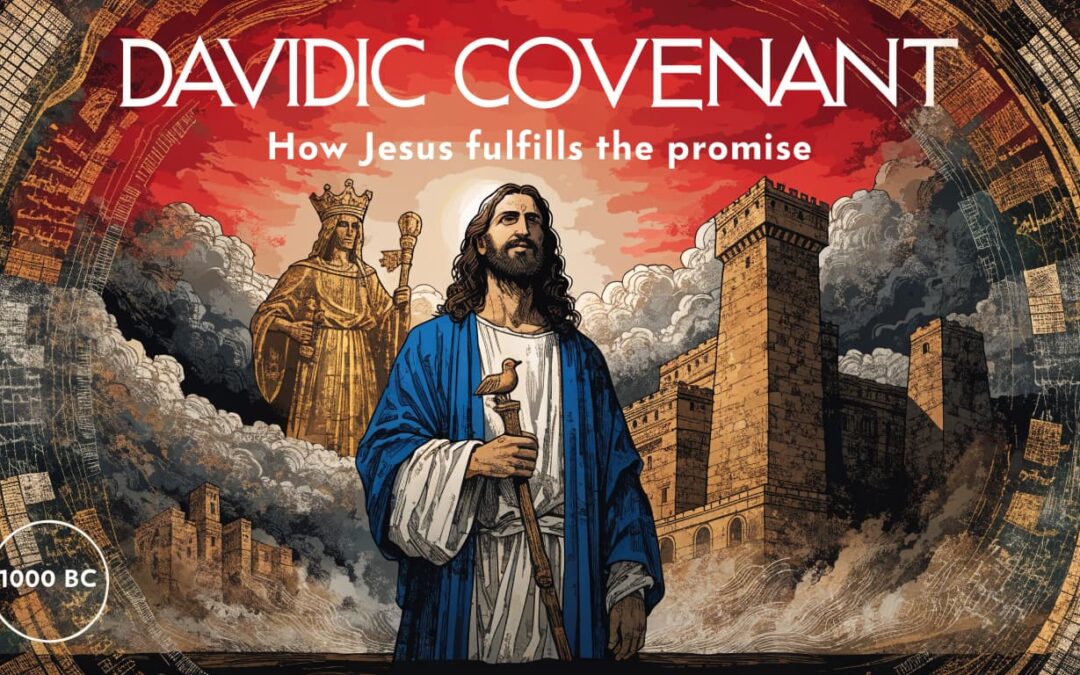
God’s Promise to David: The Throne Jesus Reigns From
Around 1000 BC, during David's reign, God promised him an enduring royal house. That promise belongs to the Bible's larger movement toward Jesus and His Kingdom, but it raises a hard question: how can an everlasting throne be promised when David's kingdom later falls?
The promise's meaning unfolds through Israel's history, the Prophets, Jesus' life and resurrection, and the hope of His return. From our independent, Spirit-filled Pentecostal perspective, we'll follow that Biblical witness and see why the risen Jesus is at the heart of God's promise.
Let's begin with the promise God gave David, and the question of who would build whose house.
A Throne Promised to David Begins With God’s Initiative
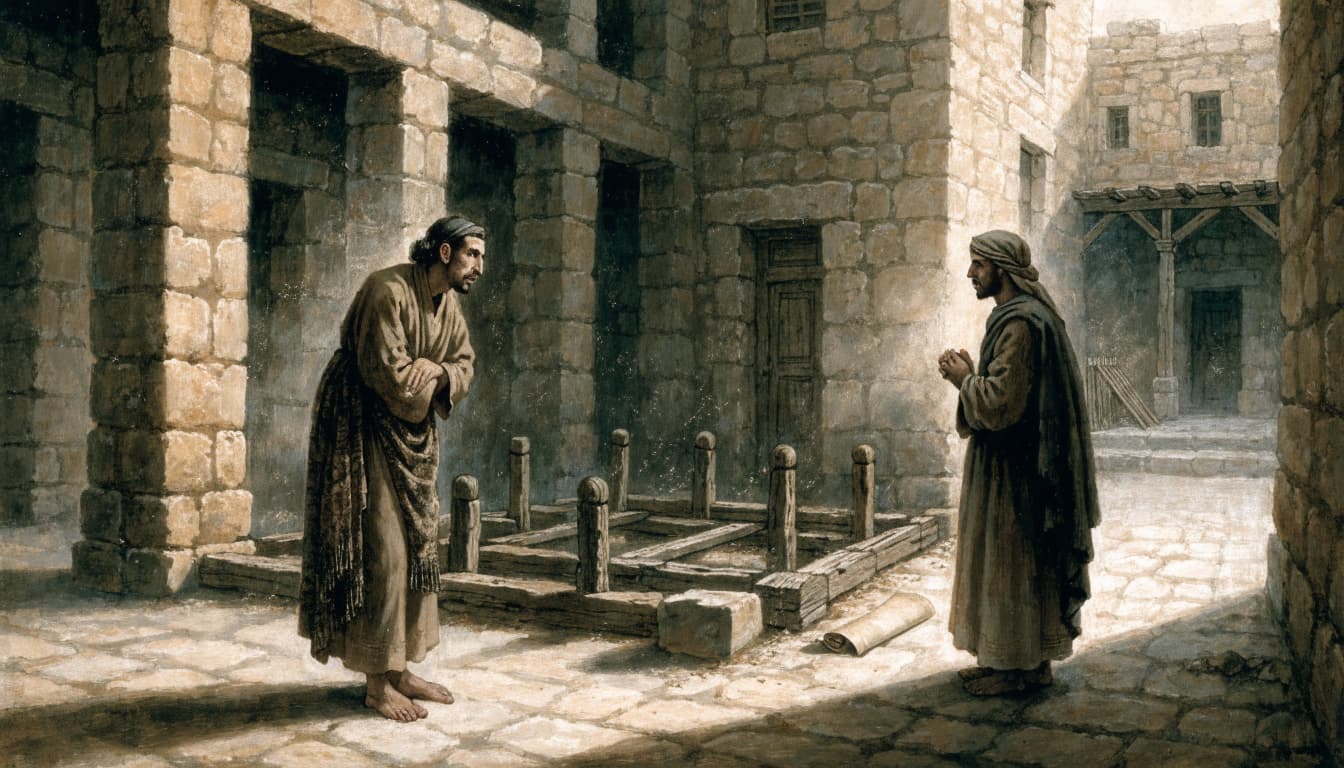
The promise begins with a surprising reversal. David wants to build a house for God, but God tells him He will build a house for David. To see why that matters, we need to keep both meanings of "house" in view. Read the full chapter of 2 Samuel 7 in the NKJV.
The meaning of God’s promise to build David a house
David is settled in his palace, and the Lord has given him rest from his enemies. Seeing that he lives in a house of cedar while the ark of God remains in a tent, David tells Nathan the prophet that he wants to build a temple. Nathan initially approves, but God gives him a different message for the king.
The Hebrew word bayit can mean a physical house, a household, or a family line. That range of meaning drives the wordplay in the passage. David plans to build God a bayit, a temple. God promises to build David a bayit, a royal dynasty. The Hebrew meaning of bayit helps make the shift clear: the same word can describe a building or a family and its descendants.
God is not dismissing the temple. David's son will build it. But the temple and the dynasty are distinct parts of the promise. David may have the plan, yet God is the One who starts the covenant and secures its future. He reminds David that He took him from tending sheep and made him ruler over Israel. The king's throne rests on God's initiative, not David's ability to build something impressive.
That matters when we read the promise of an enduring throne. David does not earn it by offering God a house. God freely commits Himself to David's line. For another look at the Davidic covenant and its place in Scripture, we can trace how this royal promise contributes to the Bible's wider hope for a coming King.
Solomon fulfills the first part, but not the whole promise
Solomon is the immediate heir named in the promise. He succeeds David and builds the temple, fulfilling that part of what God declared. Yet the promise also speaks of a kingdom and throne established beyond the life of one king. Solomon's reign cannot exhaust a commitment that reaches across generations.
God also warns that a descendant who does wrong will face discipline. That warning does not cancel the covenant. The passage distinguishes between a king's consequences and God's commitment to David's house. God says He will discipline the sinful ruler, but He will not withdraw His covenant love as He did from Saul.
We shouldn't read this as a claim that every Davidic king was faithful, or that the throne passed smoothly from one generation to the next. Israel's monarchy later fractured, and David's descendants did not rule without interruption. Still, the promise's language stretches beyond Solomon.
The tension is right there: how can a throne be established forever when the historical kingdom falls? That question leads us to the later Biblical hope for a King whose reign does not end.
The Davidic Covenant Holds On Through Crisis and Exile
When Israel's monarchy came under pressure, the promise to David did not disappear from worship. The Psalms kept bringing it before God, even when the throne looked lost. That kind of hope doesn't pretend the crisis is small. It remembers God's oath while asking how His promise can stand amid painful history.
Psalms remember both the oath and the apparent collapse
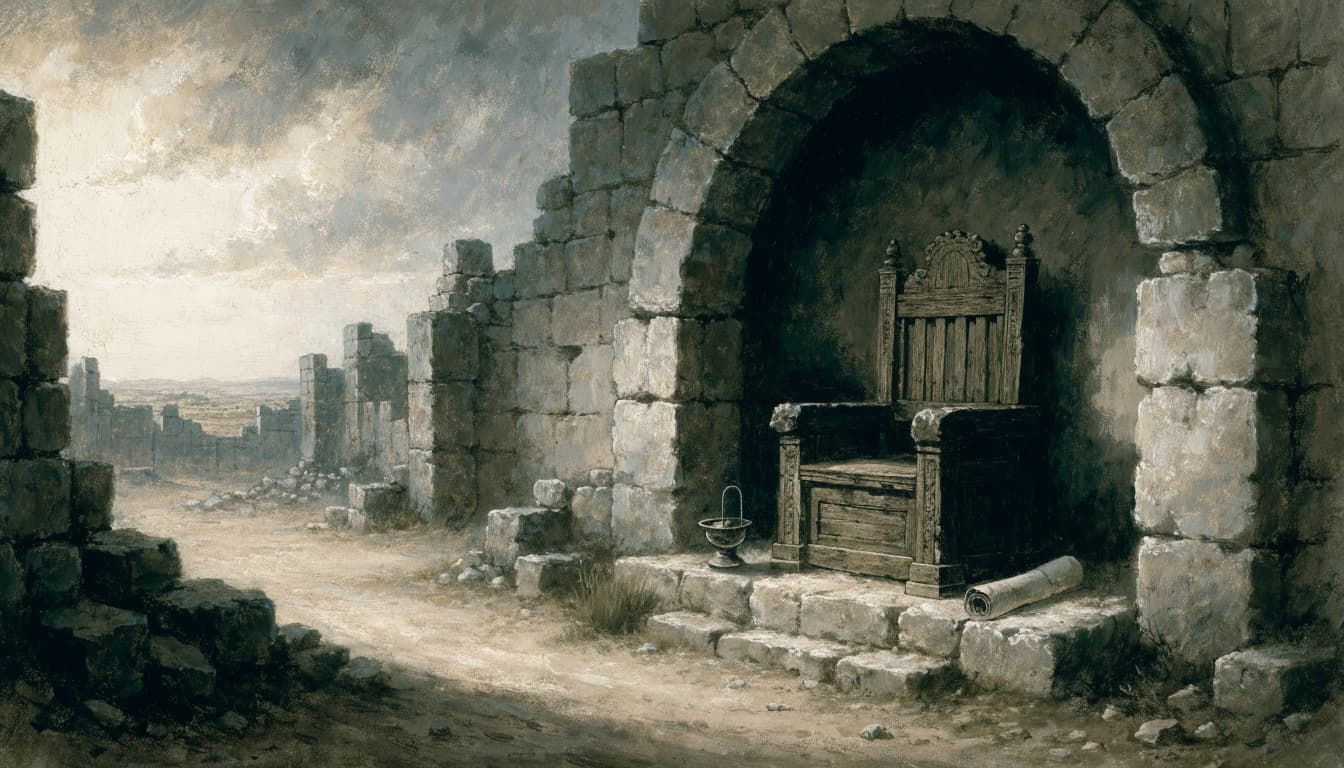
Psalm 89 begins by praising God's mercy and faithfulness. It recalls His oath to David: his descendants and throne would endure. Then the psalm turns. The king has been rejected, his crown lies in the dust, and the nation's defenses have been broken. The worshiper asks God how long this distress will last.
That tension matters. The psalm doesn't tidy up the contradiction between God's promise and what Israel sees. It gives the grief a place in prayer. Faithful worship can include both praise for God's covenant and an honest cry when events seem to say otherwise.
Psalm 132 also calls on God's oath, declaring that a descendant of David will sit on the throne. Its words keep the promise alive in Israel's worship, even when the monarchy faces danger. We can read more about Psalm 89's lament over David's throne alongside the wider promise God made to David.
The Psalms preserve hope without denying the evidence of loss. They let Israel remember God's oath and ask Him to act.
Exile turns the promise toward a future righteous king
When the historical monarchy ended and the people went into exile, the absence of a Davidic king raised a real question: had God's promise failed? Jeremiah answers by looking ahead. He speaks of a righteous Branch from David's line who will reign wisely and do what is just (Jeremiah 23:5–6).
In plain language, the hope is for a ruler unlike the kings whose injustice helped bring judgment. This future king would govern with righteousness and care for the people. Jeremiah's words point beyond the failed rulers of Israel, but we should not claim that every prophetic detail had already come to pass.
The promise now carries the weight of both memory and expectation. Israel remembers the throne God pledged to David, mourns its absence, and looks for a faithful king. The New Testament later identifies Jesus as the promised heir, but the question raised by exile is not small: how does an enduring throne remain when no visible Davidic king sits upon it?
The Prophets Expand the Hope of David’s Everlasting Kingdom
The Psalms kept David's promise alive through the monarchy's collapse. The Prophets widen that hope. They describe a ruler whose justice, wisdom, and reign reach beyond what any ordinary succession of kings could secure.

Isaiah pictures a Davidic ruler whose reign brings justice and peace
Isaiah spoke amid a real crisis. Assyria threatened Israel and Judah, and the people faced fear, loss, and political upheaval. In that setting, Isaiah's promise of a ruler from David's line offered hope grounded in God's faithfulness. Isaiah 9 in the NKJV speaks of a child who will reign on David's throne, with a government marked by justice and righteousness. His reign and peace will have no end.
Isaiah 11 develops the picture. The prophet sees a shoot growing from Jesse's stump, an image of new life rising from David's family line. A tree cut down looks finished, but a fresh shoot says the line is not beyond renewal. The ruler who comes from it receives the Spirit of the LORD, with wisdom, understanding, counsel, and might. He judges with righteousness and gives particular care to the poor and meek.
That detail matters. The promised King's authority is not measured by force or royal display. He sees beyond appearances and judges faithfully. Isaiah's vision of peace, including the striking image of former enemies living without harm, stretches beyond the record of Israel's kings.
We can read these prophecies in their historical setting and still see why they nourished later messianic hope. No ordinary king in David's line brought an endless reign of justice and peace. Isaiah's words point toward a ruler whose Spirit-given wisdom and lasting kingdom exceed the failures of the monarchy. For another look at Isaiah 11's prophecy of the righteous ruler, we can follow how this hope appears in the Bible's witness to Christ.
The coming King is a hope for more than Israel alone
Isaiah's vision doesn't stop with Israel. In Isaiah 11, the root of Jesse becomes a signal for the peoples, and the nations seek Him. The prophet also speaks of God's scattered people being gathered. The promise to David still concerns God's people, but its horizon now includes people beyond Israel's borders.
Paul makes that connection plain. In Romans 15:11-12 in the NKJV, he quotes Isaiah's promise of the root of Jesse and applies it to the nations' hope in Christ. The New Testament welcomes Gentiles into the hope of God's Kingdom through Jesus, the promised heir of David.
That doesn't mean Isaiah is offering a prediction about modern political dominance. The emphasis is on God's purpose: the nations come to hope in the King He appoints. His reign brings people under God's righteous rule, not under a project of human conquest.
So the prophetic promise grows wider without losing its roots. The King comes from Jesse's family, cares for God's people, and draws the nations to hope in Him. Isaiah gives us a vision that reaches beyond the throne's earthly history, toward Jesus and the Kingdom He reigns over.
Jesus Fulfills the Promise of David’s Throne
The Prophets kept Israel's hope pointed toward a righteous King from David's line. The New Testament names Jesus as that promised heir, then shows why His reign can endure: He has risen from the dead. His Kingdom is already present, yet its full completion is still ahead.
The Gospels identify Jesus as the promised Son of David
Matthew opens by identifying Jesus as the Son of David and the Son of Abraham (Matthew 1:1). The genealogy that follows is brief evidence of His place in Israel's history and David's royal line. Matthew's opening title does more than introduce His ancestry. It tells us to read Jesus' life in light of God's promise to David.
"Son of David" was a royal and messianic title. It connected Jesus with Israel's hope for a King who would reign under God's authority. The Gospels use that title as people recognize Jesus' authority and appeal to Him for mercy. Luke makes the connection especially direct. Gabriel tells Mary that Jesus will receive "the throne of His father David," reign over Jacob's house forever, and have a Kingdom without end (Luke 1:32–33 in the NKJV).
That announcement ties together David's throne, Jesus' kingship, and an everlasting reign. The promise is no longer only a hope for another generation of earthly rulers. Luke identifies Jesus Himself as the King whose Kingdom will not end. We can read more about Jesus as the promised Son of David in the Bible's wider account of the Kingdom.
The resurrection shows that death cannot end His reign
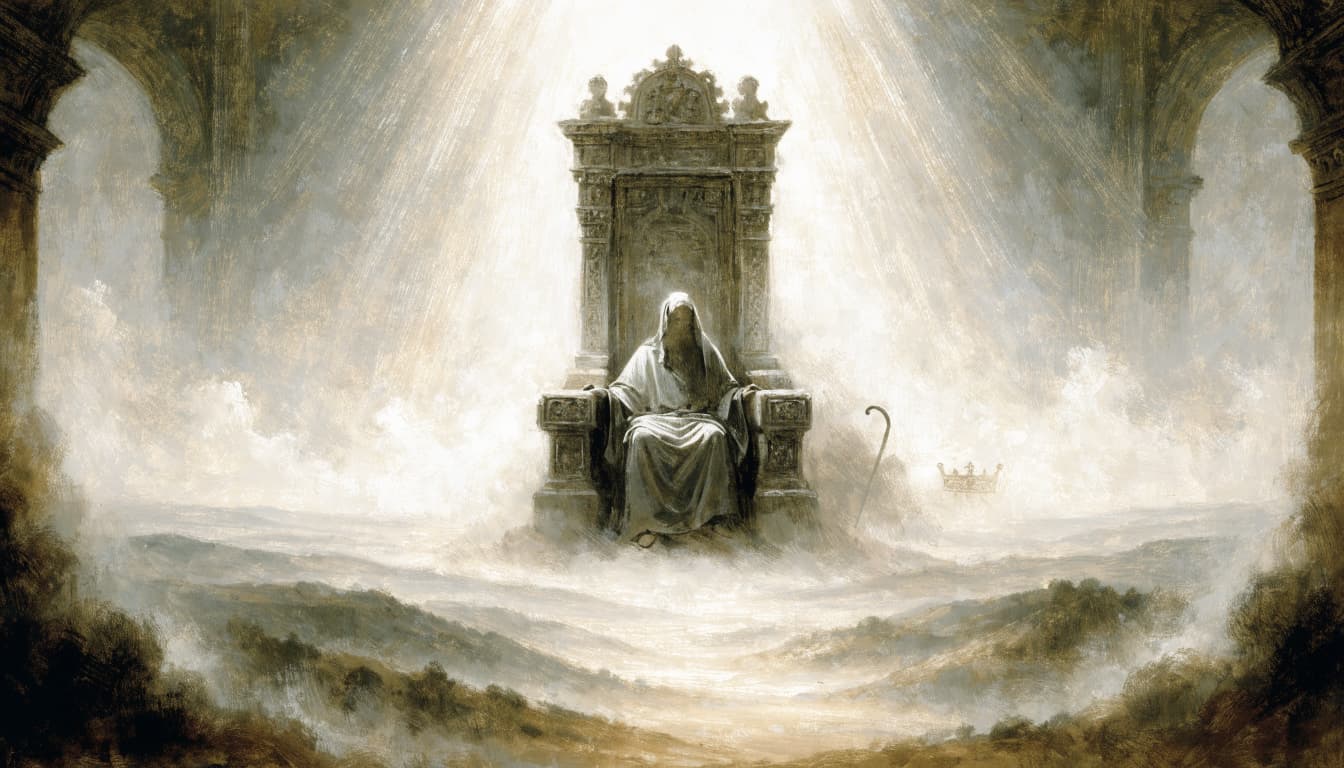
Peter makes the connection between David's oath and Jesus' kingship in Acts 2:29–36 in the NKJV. David died and was buried, Peter says, so David's words about a descendant whose body would not see corruption pointed beyond David himself. God raised Jesus, and Peter proclaims Him as both Lord and Christ.
Peter also recalls God's oath that one of David's descendants would sit on his throne. He connects that promise with Jesus' resurrection and exaltation at God's right hand. The promised King is alive, and death has not ended His reign. That is the center of Peter's message: David's throne promise finds its fulfillment in the risen Jesus, not in an unbroken chain of earthly kings.
Paul gives the same hope in a compact statement. Jesus was descended from David according to the flesh and declared to be the Son of God in power by His resurrection from the dead (Romans 1:3–4 in the NKJV). His human descent places Him within David's line; His resurrection reveals His authority as the powerful Son of God. The promise rests on the living King, not on a dynasty that history had already interrupted.
Jesus’ Kingdom is present now and awaits its completion
Jesus' ministry announced the Kingdom of God. Through His death, resurrection, and exaltation, that Kingdom has begun to take effect under His rule. We can say Jesus reigns now because He is risen and exalted. His authority is real, even when the world does not yet display the justice and peace pictured in the Prophets.
This is the already-and-not-yet hope of the New Testament. The Kingdom is already present through Jesus, but it has not yet reached its full completion. We still see suffering, injustice, and death. Those realities do not mean God has abandoned His promise; they remind us that the King's reign awaits its final public fulfillment.
So we pray for God's Kingdom to come, and we look for Jesus' return. The Spirit empowers believers to bear witness to the risen King as we wait. We do not have to claim that every prophetic image has reached its final form. We can trust that God has fulfilled His promise in Jesus and still long for the day when His reign is fully seen.
The Holy Spirit Empowers Witness While We Await the King’s Return
Jesus' resurrection confirms that God's promise to David rests on a living King. But what does His reign mean for believers now, while we wait for the day everyone sees it? Acts gives us a clear answer: the risen Jesus sends His people to witness, and the Holy Spirit empowers them for that work.
The Spirit sends believers to witness to Jesus’ Kingdom
After Jesus rose from the dead, His disciples asked whether He would restore the Kingdom to Israel at that time. Jesus did not give them a date. He told them the timing belonged to the Father, then turned their attention to their calling: they would receive power when the Holy Spirit came upon them and become His witnesses in Jerusalem, Judea, Samaria, and to the ends of the earth (Acts 1:6-8 in the NKJV).
That response matters. Jesus didn't tell them to stop caring about the Kingdom. He showed them what faithfulness looked like while they waited. Their task was to testify that Jesus is risen and reigns, carrying that message beyond the places they knew.

In Acts 2, the promised Spirit comes upon the gathered believers, and their witness becomes public. Peter speaks to the crowd about Jesus' death, resurrection, and exaltation. The Spirit's outpouring is a personal encounter with God, but the account doesn't stop with private experience.
The Spirit gives power to proclaim Jesus and serve His purposes among people. From our Pentecostal perspective, that public witness remains central to the Spirit's power for witness.
This is why we understand the baptism in the Holy Spirit as empowerment for witness and service, not as a badge of spiritual status. The Spirit equips believers to speak about Jesus with courage, serve others, and carry the good news where it hasn't yet been heard. The risen King still sends His people, and the Spirit still equips them.
The promised return gives the Church a living hope
After Jesus ascended, two angels told His disciples that He would return (Acts 1:9-11 in the NKJV). They were not given a timetable to calculate. They were given a promise to trust. Paul calls this expectation our "blessed hope," the appearing of Jesus Christ (Titus 2:13).
Revelation pictures Christ returning as the victorious King, then describes His reign and the faithful sharing in it (Revelation 19:11-20:6 in the NKJV). Christians agree that Jesus will return and His reign will be fully seen, but Pentecostals don't all interpret the details or timing of end-time events the same way. We should hold firmly to what Scripture says while recognizing where faithful Christians differ.
The Assemblies of God, for example, states a premillennial view in its Statement of Fundamental Truths. That is the denomination's stated teaching, not a position we should assign to every Pentecostal church.
Our hope in the King's return doesn't pull us away from the work Jesus gave us. It gives that work its direction. We bear witness to the risen Jesus, serve our neighbors, and trust that the Davidic promise will be fully visible when the King returns. For another look at how Acts 1 connects Jesus' return with the call to witness, we can keep both parts of Jesus' instruction in view: wait for His return, and tell the world who He is.
Conclusion
God promised David an enduring house and throne, and Israel's worship and prophets kept that hope alive through crisis. The New Testament proclaims Jesus as the risen King whose Kingdom has no end. We can trace how Jesus fulfills God's promise to David without losing sight of the hope still ahead.
Jesus reigns now, and we serve as Spirit-empowered witnesses while we await His return. The promise to David points us to the Kingdom that will be fully revealed when He comes.
A Promise That Reaches Beyond David
When God spoke to David through the prophet Nathan, He promised to establish David’s house and kingdom forever (2 Samuel 7:12–16). David’s son Solomon would inherit the throne and build the temple, but the promise reached beyond any one successor. An enduring dynasty pointed toward a King whose reign would never end.
The New Testament identifies Jesus as that promised descendant. The angel Gabriel told Mary that God would give her son the throne of David and that His kingdom would have no end (Luke 1:32–33). Bible Prophecy Ministries examines these connections across Scripture to show how God’s promise to David finds its fulfillment in Jesus the Messiah, the risen King whose reign endures forever.
God’s Covenant With David
A Throne Promised Forever
When David desired to build a house for the Lord, God answered with a greater promise: the Lord would establish David’s house. Through the prophet Nathan, God declared that David’s offspring would succeed him, that his kingdom would be established, and that his throne would endure forever (2 Samuel 7:12–16; 1 Chronicles 17:11–14).
Solomon inherited the kingdom and built the temple, but his reign did not exhaust the promise. Psalm 89:3–4 recalls God’s sworn covenant to David, while Psalm 132:11 affirms that a descendant would sit on his throne.
The prophets looked beyond any temporary reign to a righteous king whose rule would bring lasting justice and peace (Isaiah 9:6–7; Jeremiah 23:5–6). Together, these passages point to the Messiah: David’s promised heir and the eternal king.
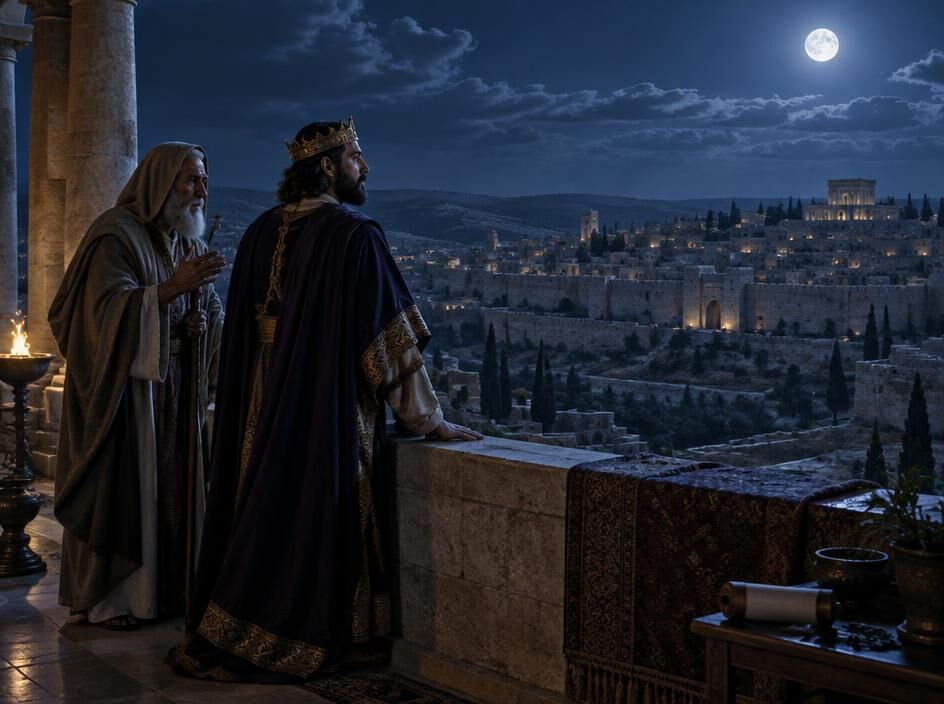

“Your house and your kingdom shall be made sure forever before me. Your throne shall be established forever.” — 2 Samuel 7:16 (ESV)
God’s promise to David, delivered through Nathan, looks ahead to the Messiah whose reign will never end; the angel Gabriel identifies Jesus as the heir to that throne in Luke 1:32–33.
How Jesus Fulfills the Davidic Promise

David’s Promised Son
Jesus is identified as the son of David in Matthew 1:1, placing Him within the royal line named in God’s covenant.
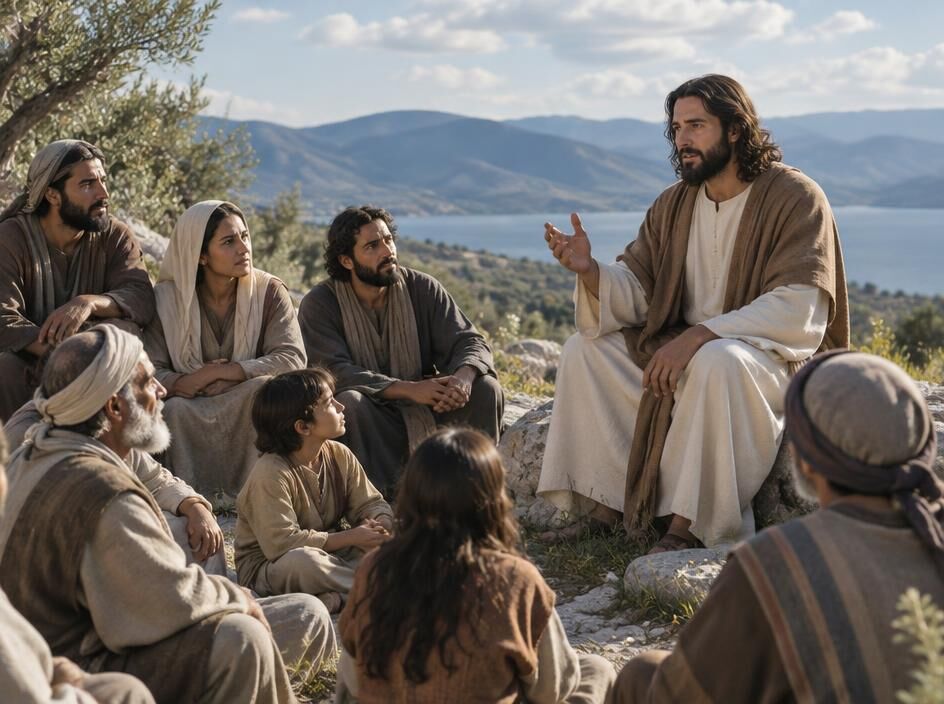
The King Announced
Gabriel declares that God will give Jesus the throne of His father David, and that His kingdom will have no end (Luke 1:32–33).

Risen and Exalted
Peter connects God’s oath to David with the resurrection of Christ, proclaiming the risen Jesus as Lord and Messiah (Acts 2:29–36).

An Everlasting Kingdom
Jesus identifies Himself as the root and descendant of David (Revelation 22:16); His reign fulfills the prophetic hope of a kingdom upheld forever (Isaiah 9:7).
From David’s Promise to Christ’s Reign
Follow the royal promise through Scripture, from God’s covenant with David to the hope centered on Jesus.
c. 1000 BC
God Makes a Covenant With David
God promises David an enduring royal line and declares that his throne will be established forever (2 Samuel 7:12–16).
c. 700 BC
The Prophets Foretell a Righteous King
Isaiah announces a son who will reign on David’s throne with justice and peace, giving Israel hope beyond its troubled kings (Isaiah 9:6–7).
c. AD 1
Jesus Is Announced as David’s Heir
Gabriel tells Mary that her son Jesus will receive the throne of his father David and reign over a kingdom without end (Luke 1:32–33).
The Coming Kingdom
The Reign of Jesus Is Our Hope
Jesus, risen and exalted, is proclaimed as the promised descendant of David. His return brings the hope of his righteous reign to its fullness (Acts 2:29–36; Revelation 11:15).
Questions About David’s Throne
Explore what Scripture says about God’s promise to David and how it points to Jesus.
What is the Davidic covenant?
It is God’s promise to establish David’s royal line and kingdom forever, recorded in 2 Samuel 7:12–16. Christians understand Jesus, a descendant of David, as the promised everlasting King.
Why is Jesus called the Son of David?
The title identifies Jesus as the heir to the royal promise. The Gospels trace his connection to David, and Luke 1:32–33 explicitly links him to David’s throne.
What throne does Jesus reign from?
The Bible presents Jesus as exalted at God’s right hand and as the promised heir to David’s throne (Acts 2:29–36). Christians differ on how the throne’s future fulfillment should be understood, but agree that Jesus is the promised King.
Did the prophets expect a future king from David’s line?
Yes. Passages such as Isaiah 9:6–7 and Jeremiah 23:5–6 describe a righteous ruler from David’s line whose reign brings justice and peace.
How does Jesus’ resurrection relate to God’s promise to David?
Peter connects the resurrection and exaltation of Jesus to God’s oath to David, proclaiming that death could not end the reign of the promised Messiah (Acts 2:29–36).
Do Christians agree on when David’s throne promise is fulfilled?
Christians interpret the timing and manner differently. Some emphasize Jesus’ present heavenly reign; others also anticipate a distinct future earthly reign. Both look to Jesus as the fulfillment of God’s promise.