
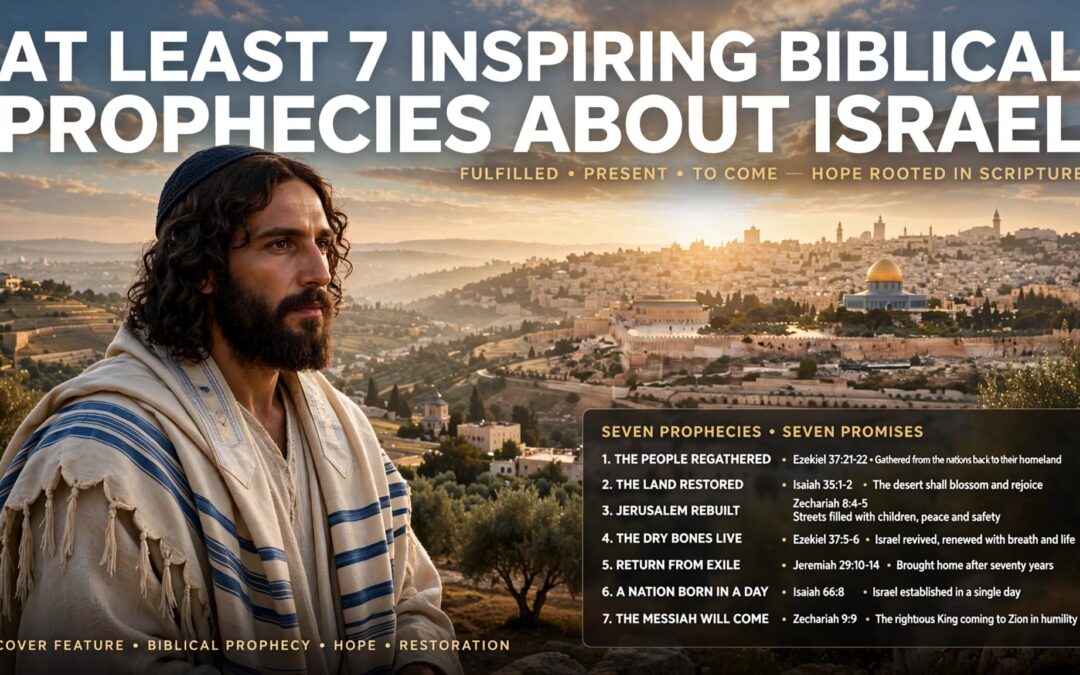
Israel in Biblical Prophecy: Fulfillment, Return, and Hope
Scripture repeatedly promises that God will gather Israel and restore the land, and many Christians see the Jewish return as part of His faithfulness. Christians differ, though, on how those promises apply to modern events, so we need to keep Biblical text, documented history, and interpretation clear.
We'll look at how these promises were fulfilled throughout Scripture, what happened in the Jewish return to the land over the last 200 years, and how Israeli agriculture connects with Biblical images of fruitfulness. We'll also consider future hopes and what Revelation says about Israel, the beast, and food scarcity, including what the text does not say. First, let's read the restoration passages in their original setting and covenant context.
Biblical Prophecies About Israel, Read in Their Original Setting
Before we connect a prophecy to modern events, we need to ask who first heard it, what was happening around them, and how the passage fits its covenant setting. Prophetic language can carry more than one layer of meaning, but later applications should grow from the text rather than replace its original message. That gives us a steadier way to consider Israel's promises and the different Jewish and Christian readings of them.
The covenant promises to Abraham, Isaac, and Jacob
God's promises to Abraham include descendants, land, blessing, and an enduring relationship. In Genesis 12:1–3, God calls Abram and promises to make him a great nation, bless him, and bless all the families of the earth through him. Genesis 15:18 places the land promise within a covenant, while Genesis 17:7–8 speaks of an enduring covenant with Abraham's descendants and gives them the land.
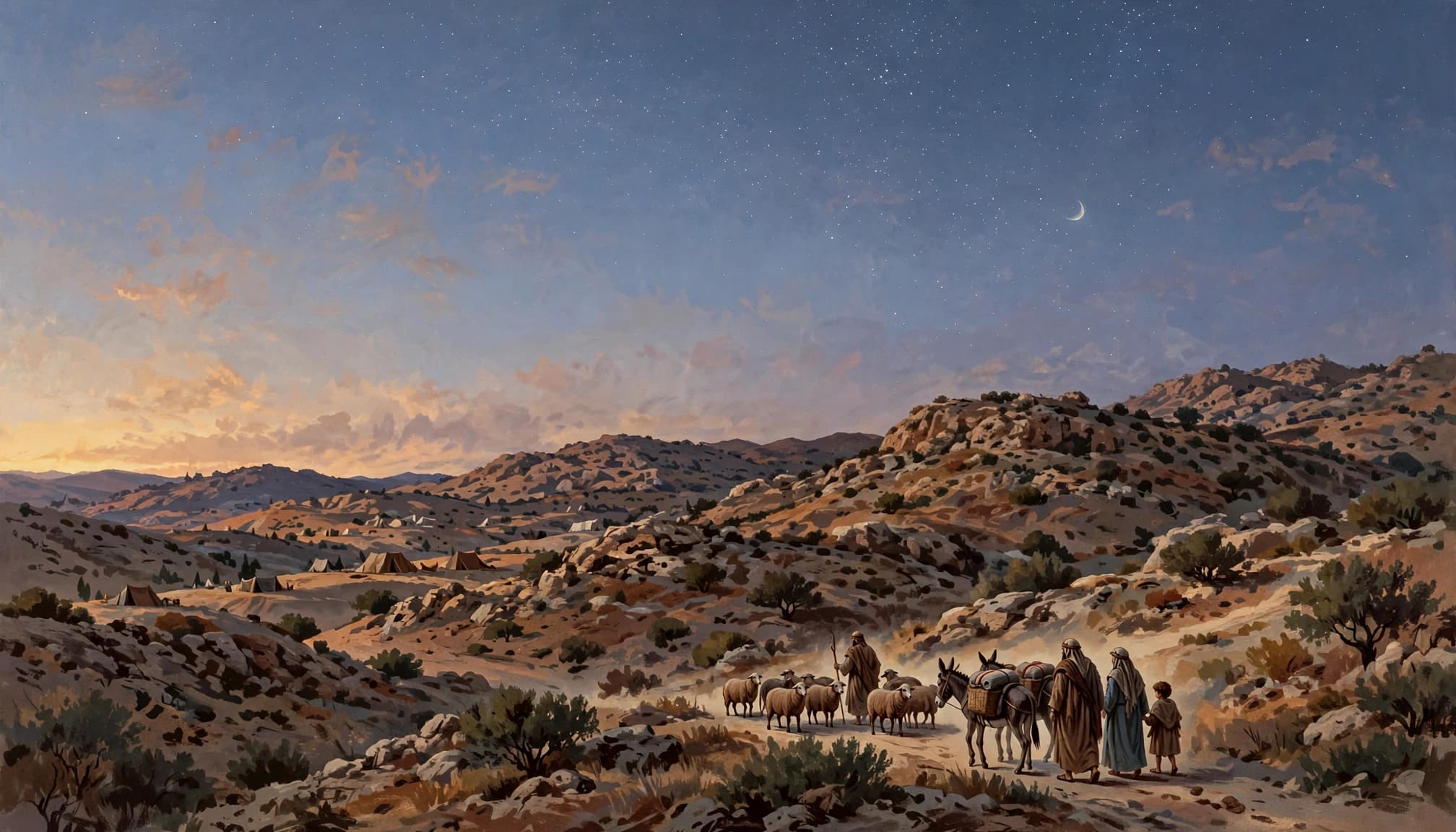
The promise continues through Isaac and Jacob. God repeats the land and descendant promises to Isaac in Genesis 26:3–4, then to Jacob in Genesis 28:13–14. These aren't detached predictions. They belong to the patriarchs' family history and to God's stated purpose to bless the nations through that family.
Later Biblical writers recall this covenant when they describe God's faithfulness to Israel. Psalm 105:8–11 recalls the covenant with Abraham, Isaac, and Jacob, including the promise of Canaan. Christians and Jewish interpreters may agree on what these passages say while differing over how the promises apply today. For another Christian reading, see the promise to bless all nations through Abraham.
Promises of the land, exile, and return
The covenant framework includes consequences for Israel's choices in the land. Deuteronomy 28 warns of judgment, defeat, and scattering for covenant unfaithfulness. Then Deuteronomy 30:1–5 promises that after exile, God will gather His people and bring them back. Read together, the chapters place return within a covenant sequence of warning, judgment, repentance, and restoration.
Jeremiah's promise of a future and hope also had a specific audience. Jeremiah 29:1–14 addresses Judeans already deported to Babylon; it includes a promise of return after seventy years. That context matters. We shouldn't turn a word given to exiles in Babylon into a simple timetable for every later event.
Ancient deportations, returns from exile, and Jewish understandings of dispersion across later centuries are related, but they aren't one identical historical event. Biblical restoration passages speak in different settings and forms, and readers don't agree on how each applies beyond its original audience. Some Christians interpret modern Jewish return as part of prophetic fulfillment. Historical records can document migrations and political events, but identifying them as fulfillment remains a theological interpretation. We can take the promise seriously while keeping that distinction clear.
How Israel’s Biblical Promises Were Fulfilled Throughout Scripture
The Bible links God's promises to Israel with events across generations. Some passages describe a promise as fulfilled, while others show that fulfillment was partial, followed by renewed hope and covenant responsibility.
From the Exodus to settlement in the land
At the burning bush, God tells Moses that He has seen Israel's oppression and will bring His people out of Egypt into a good land (Exodus 3:8). The Exodus begins the fulfillment of that promise, but the journey takes time. Israel passes through the wilderness, where the people face hardship and are also held accountable for their choices.
Joshua describes the settlement in Canaan in strong terms: God gave Israel the land He had sworn to their ancestors, and "not a word failed of any good thing" He had promised (Joshua 21:43–45). The passage presents a real fulfillment, though not the end of every Biblical promise about Israel. The land narrative also includes conflict, and the covenant includes responsibilities and warnings about unfaithfulness (Deuteronomy 28:1–68). Joshua's summary is often read as a clear statement of God's faithfulness to His promise of land.
Kingdom, exile, and return from Babylon
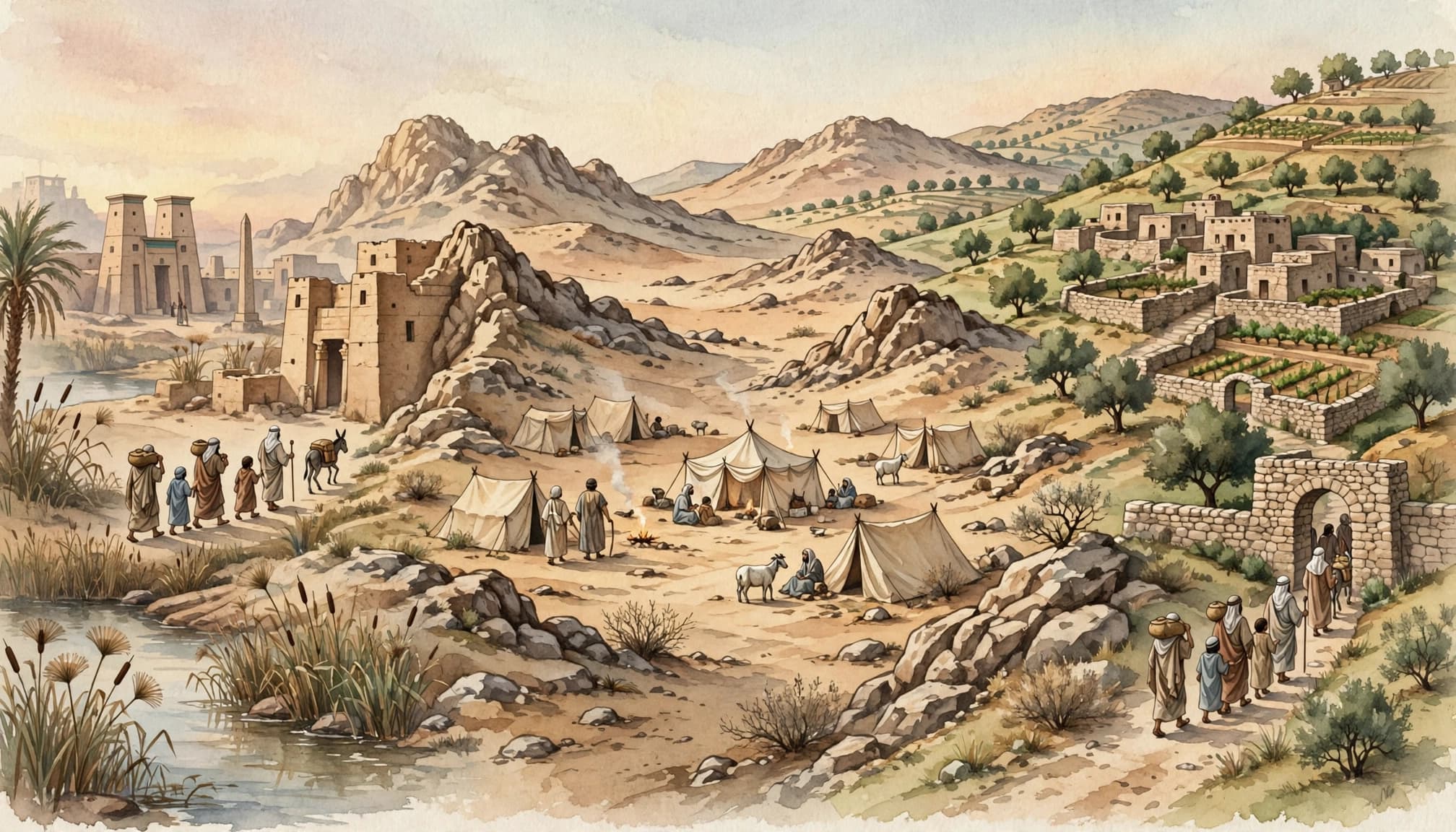
Israel's monarchy brought a new chapter. David established Jerusalem as his capital, and Solomon built the Temple there (2 Samuel 5:6–10; 1 Kings 8:1–21). But the kingdom divided. Assyria conquered the northern kingdom, and Babylon later destroyed Jerusalem and carried many Judeans into exile (2 Kings 17:6–23; 2 Kings 25:1–21).
The Biblical writers explain exile through Israel's covenant history, while also recording the political events themselves. Jeremiah promises that the exiles will return after seventy years (Jeremiah 29:10–14). Chronicles and Ezra connect that hope with Persia's rise and Cyrus's decree, which allowed the people to return and rebuild the Temple (2 Chronicles 36:22–23; Ezra 1:1–4). Isaiah had also named Cyrus in a promise concerning Jerusalem and the Temple (Isaiah 44:24–28). Nehemiah later describes the work of rebuilding Jerusalem's walls (Nehemiah 1:1–11). For a closer look at the return from Babylon and the rebuilding of the Temple, we can follow how these texts connect promise with historical events.
Messianic hope and promises that reach beyond return
The return from Babylon did not erase every expectation of restoration. Israel's Scriptures continued to speak of a future ruler from David's line and of God's lasting faithfulness to His people. The New Testament presents Jesus as that promised Messiah, connecting Him with David's throne and the hope of Israel (Luke 1:32–33). Matthew also shows Jesus retracing Israel's journey from Egypt, while preserving Hosea's original reference to Israel's Exodus (Matthew 2:14–15; Hosea 11:1).
Christians don't all interpret the relationship between Israel, the Church, and future restoration in the same way. Some see the Church as sharing in promises fulfilled in Christ; others expect a distinct future restoration for Israel, and many hold views that include elements of both. Paul's words in Romans 11 warn Gentile believers against boasting and affirm that God's gifts and calling remain sure (Romans 11:17–29). We should keep Israel's Jewish identity and the Old Testament's original audience in view, even as we consider how the New Testament applies these promises to Jesus and the Kingdom of God.
The Jewish Return to the Land in the Last 200 Years
The prophets pictured restoration after judgment, but they spoke first to people living through the consequences of Israel's covenant unfaithfulness. Their images include scattered people gathered home, renewed hearts, restored cities, and land that bears fruit again. How do those promises relate to modern Jewish history? We need to keep the Biblical text, the historical record, and faith-based interpretation distinct.
What the restoration passages say about gathering and renewal
In Deuteronomy 30:1–5, Moses speaks to Israel about the blessings and curses of the covenant. After judgment and dispersion, the people will turn back to God, and He will gather them from the nations and bring them to the land. The promise is part of a call to covenant renewal, not an isolated prediction detached from Israel's choices.
Isaiah's vision joins hope for a righteous ruler with the gathering of Israel's scattered people (Isaiah 11:1–12). Ezekiel speaks to exiles whose homeland and community have been devastated. In Ezekiel 36:24–30, return to the land is paired with cleansing, a new heart, and renewed life. The valley of dry bones in Ezekiel 37:1–14 pictures a people who seem lifeless restored by God's breath. The image speaks to national renewal, not merely a change of location.
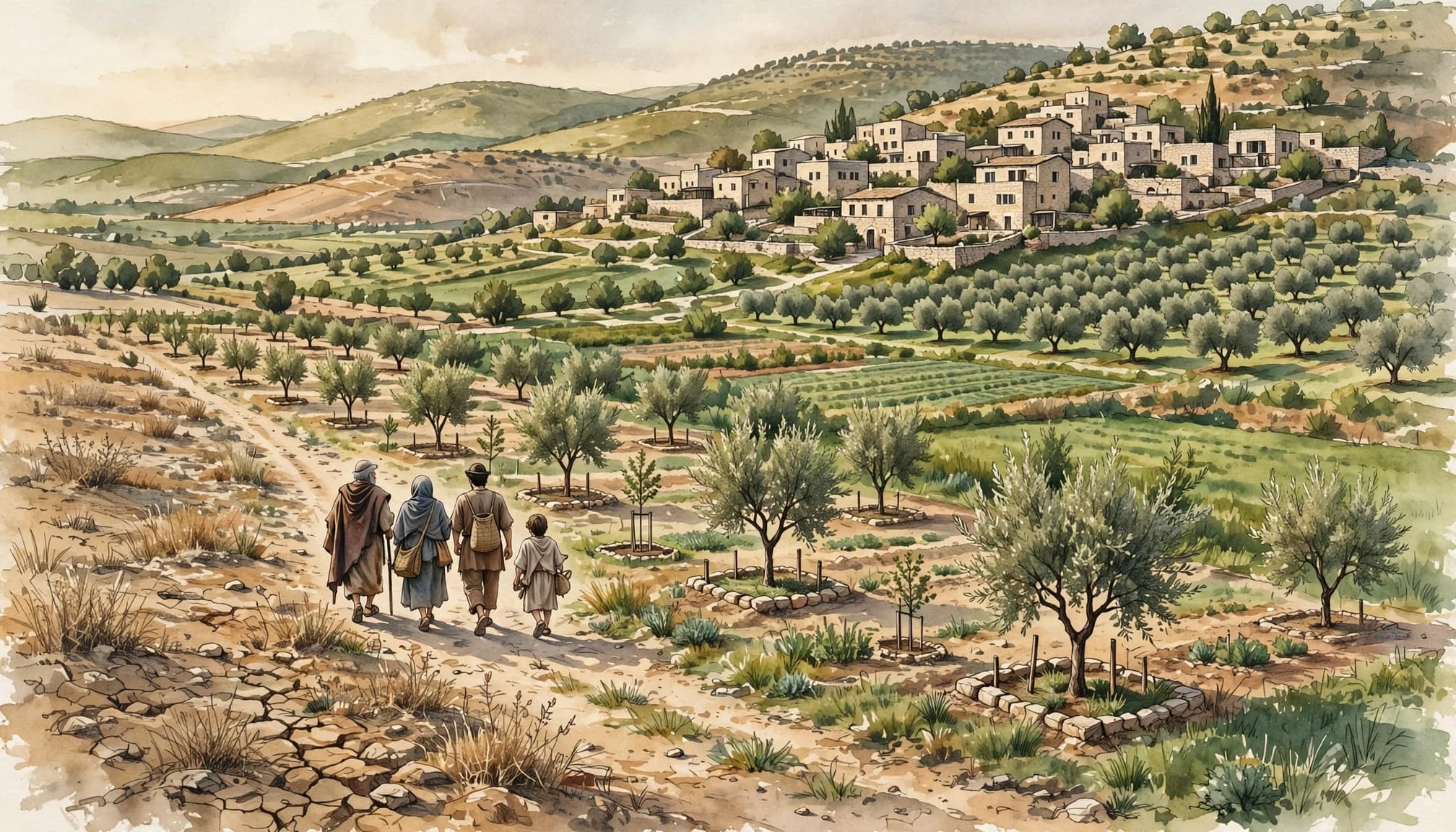
Amos also holds judgment and hope together. After warnings of disaster, Amos 9:11–15 describes a restored house, rebuilt cities, and abundant harvests. These images give many Christians a Biblical framework for thinking about regathering and renewal. But the passages come from different settings and use poetic and prophetic language. We shouldn't treat any one modern event as proof that every image has been fulfilled.
What modern history can establish, and what faith interprets
The historical outline is clear. Political Zionism grew in the late 19th century, as Jewish communities pursued a national homeland amid rising antisemitism and nationalist movements. On November 29, 1947, the United Nations General Assembly approved a partition plan in Resolution 181. On May 14, 1948, David Ben-Gurion declared the establishment of the State of Israel, as recorded in Israel's Declaration of Independence. War followed, with profound human costs, including Palestinian displacement and the upheaval and loss experienced by Jewish communities. In June 1967, Israel fought the Six-Day War, which brought further conflict and displacement.
Many Christians connect these events with the gathering in Deuteronomy 30, Isaiah 11, Ezekiel 36–37, and Amos 9. Other Christians, Jewish interpreters, and scholars read the passages differently, including in light of their ancient settings and literary forms. Christian perspectives on modern Israel and Biblical prophecy reflect that range of interpretation.
Historical evidence can establish that migrations, wars, votes, and declarations occurred. It cannot establish that God caused a particular event or that the event fulfills prophecy. We can hold our convictions with care: identify what Scripture says, state what history records, and name prophetic fulfillment as a faith interpretation. That clarity doesn't weaken our belief. It keeps our witness honest and makes room to take both the promises and the human costs seriously.
How Israeli Agriculture Makes a Dry Land Productive
Israel's farms work with a serious constraint: water is scarce, and rainfall varies across the country. Productivity depends on how carefully farmers manage water, crops, and growing conditions, not on rainfall alone.
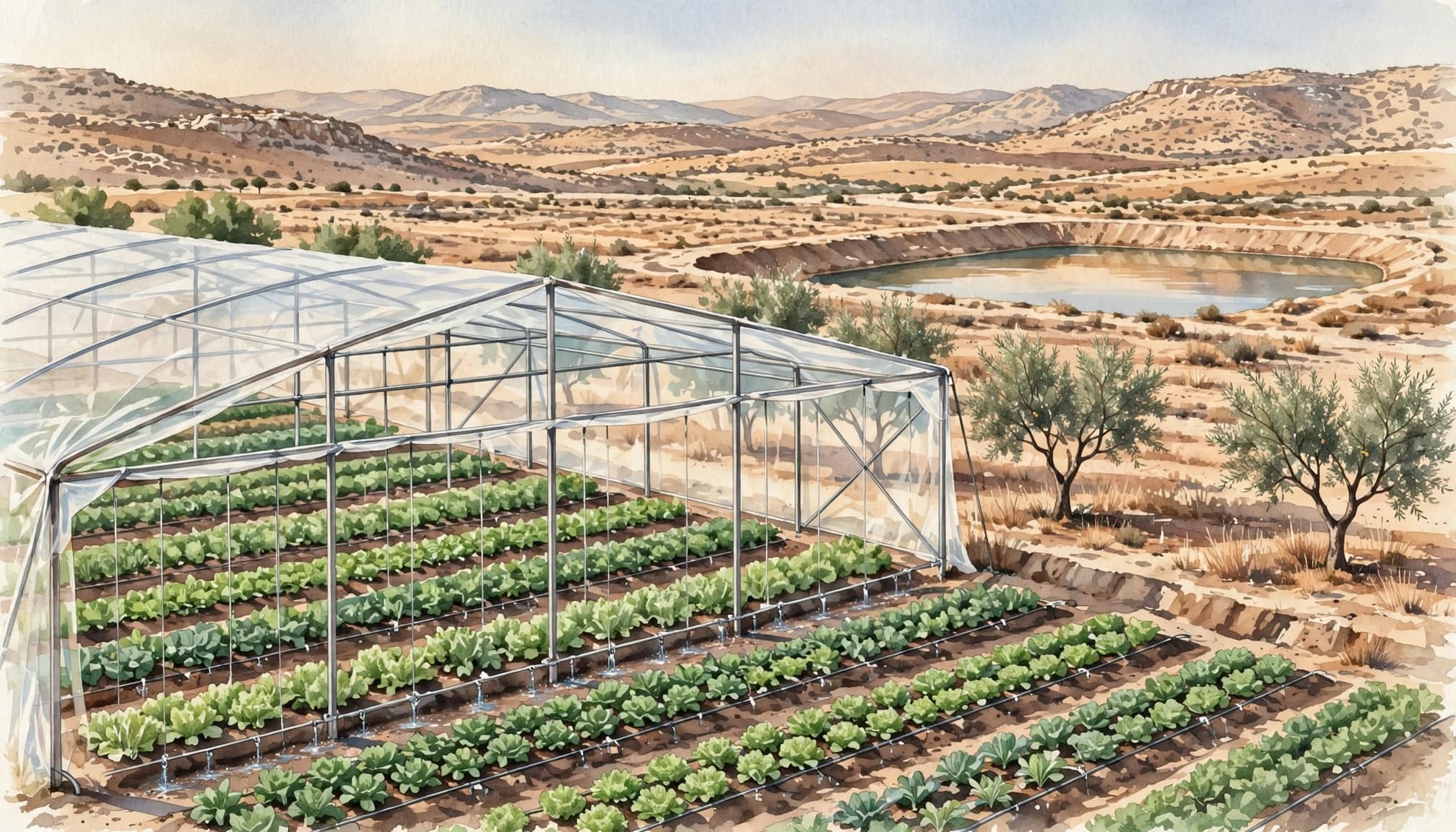
Drip irrigation, reclaimed water, and farming with less rain
Drip irrigation sends water through tubes and releases it near plant roots. That targeted delivery can reduce losses from evaporation and runoff, especially when growers schedule irrigation around crop needs. The Food and Agriculture Organization reported that localized irrigation, mostly drip, covered more than 75% of Israel's irrigated area in 2004. That figure describes the situation in 2004, not today's share.
Water statistics also need careful reading. In 2022, agriculture used about 1,215 million cubic meters, or 52% of Israel's total water consumption. That isn't the same measure as agriculture's share of freshwater abstraction, which tracks water withdrawn from freshwater sources. The OECD's 2025 review reports that agriculture's share of freshwater abstraction had fallen by more than 30 percentage points, even as irrigated area grew by 24%. The OECD connects that change with recycled and desalinated water, efficient irrigation, and water policies.
Treated wastewater and desalinated seawater supplement scarce natural supplies, though neither removes the need to manage water carefully. The OECD reports that a new Sorek desalination plant began operating in March 2025. It also describes changes to agricultural water pricing and the continuing role of recycled water in farming. These details help explain the system behind the fields, without suggesting every farm uses every water source or irrigation method. See the OECD's 2025 review of Israeli agricultural policy for its discussion of water use and policy.
Greenhouses, sensors, and specialty crops
Greenhouses can give growers more control over heat, humidity, and growing conditions. Sensors and monitoring tools help track soil moisture and crop needs, while precision farming can guide decisions about when and where to apply water. Fertigation, which delivers nutrients through irrigation water, lets growers manage water and plant nutrition together.
These tools matter for crops such as tomatoes, cucumbers, peppers, and eggplants, but their use varies by farm and region. A greenhouse can help protect crops from harsh conditions, while careful monitoring helps growers avoid applying more water or nutrients than plants need. Neither technology makes farming automatic. Growers still have to match their methods to local soil, weather, crop, and water supply.
Israel has also developed specialty produce varieties. A 2010 report described examples such as mini-watermelons and specialty tomatoes. Those examples show how growers and seed developers respond to particular needs and preferences.
Fruitfulness as a Biblical image, not a shortcut to proof
The Bible uses fruitful land as an image of restoration and hope. In Ezekiel 36:8–11, the land's mountains are pictured as bearing fruit for Israel's return. Amos 9:13–15 describes abundant harvests and the rebuilding of Israel's cities.
For believers, modern agricultural renewal can bring those Biblical images to mind. We can see meaning in the care and work that make dry land productive, while keeping the causes clear: farming depends on human skill, infrastructure, water systems, and policy, as well as natural conditions. Technology can explain how crops grow in difficult conditions. It cannot, by itself, prove a prophetic claim.
Prophecies About Israel That Many Christians Still Await
Some Biblical promises describe a return from exile, while others look toward a fuller restoration marked by spiritual renewal, peace, and the reign of the Messiah. Many Christians believe parts of these promises may have seen fulfillment in ancient times or in modern Jewish history, yet still await their complete fulfillment. Jewish and Christian communities do not read every passage the same way.
A fuller gathering and restoration of the people
In Deuteronomy 30:1–5, Moses promises that God will gather Israel after exile and bring the people back to the land. Many Christians see that promise as reaching beyond the return from Babylon. We expect a future or fuller gathering, joined with a return to God, rather than assuming that a political return by itself completes the prophecy.
Isaiah also connects the gathering of Israel's scattered people with the reign of a righteous ruler from Jesse's line (Isaiah 11:1–12). Ezekiel's vision of dry bones speaks first to a people who feel cut off after national devastation. The bones picture the "whole house of Israel," whose hope seems lost; God promises to open their graves and restore them (Ezekiel 37:1–14). The vision's first message is hope for exiles facing the collapse of their nation and community.
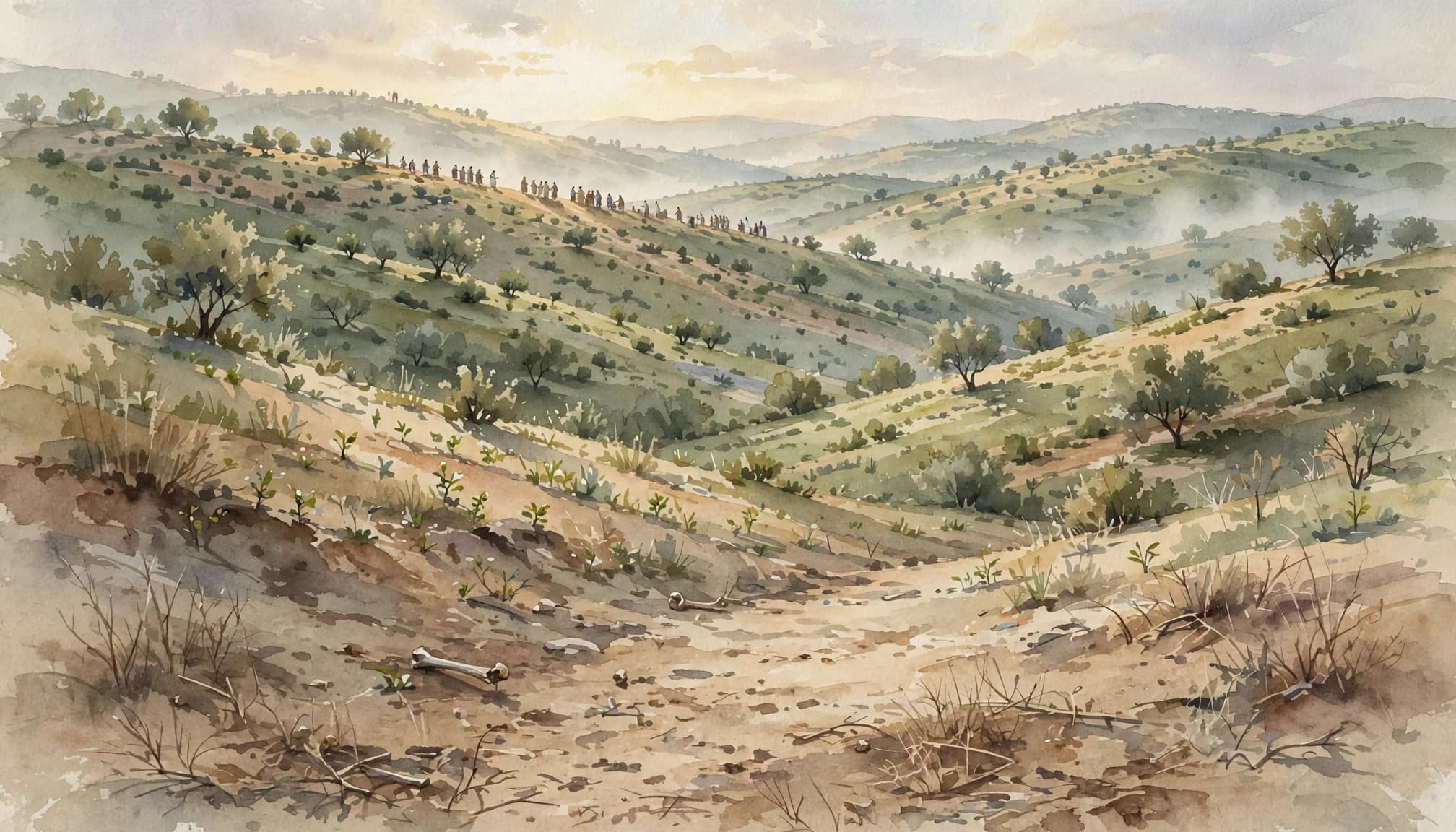
Does Ezekiel's vision also predict a later national return? Christians disagree. Some read it primarily as God's promise to restore Israel from the Babylonian exile; many see that ancient restoration as real but incomplete, with a future gathering and spiritual renewal still ahead. The vision's exilic setting is central to its meaning, as scholarly discussion of Ezekiel's dry bones vision also emphasizes. Ezekiel goes on to describe covenant, God's presence among His people, and a restored sanctuary (Ezekiel 37:24–28). Many Christians understand these promises through Jesus, while differing on how they apply to Israel's future.
Peace, justice, and the reign of the Messiah
A restored people and land are not the whole prophetic hope. Isaiah pictures nations seeking God's instruction, laying down weapons, and no longer training for war (Isaiah 2:2–4). Isaiah 11 describes a ruler from Jesse's line who judges with righteousness and brings peace throughout creation (Isaiah 11:1–9).
As Christians, we see Jesus as that Messiah and look for His return and the full expression of His righteous reign. That truth connects with the New Testament promise of the Messiah and David's throne. We should hold it without assigning dates or treating each conflict involving Israel as a direct fulfillment of a particular prophecy.
What Revelation Says About Israel, the Beast, and Food Scarcity
Revelation uses vivid symbols to describe conflict, judgment, and hope. The text gives us a more specific answer, and a more limited one.
Israel, Jerusalem, and the tribes in Revelation
Revelation names twelve tribes in its account of the 144,000 sealed "from every tribe of the children of Israel" (Revelation 7:4–8). The passage identifies Israel's tribes.
Jerusalem appears in two striking scenes. In Revelation 11:2, the holy city is trampled by the nations. In Revelation 11:8, the great city where the two witnesses die is identified as the place where their Lord was crucified, while it is "symbolically called Sodom and Egypt." The language points to Jerusalem but carries the symbolic force typical of apocalyptic writing. Later, Revelation 20:9 calls the city surrounded by the nations "the beloved city."
Readers also debate the woman in Revelation 12. Some understand her as Israel, others as the people of God or the Church, and some see layered symbolism. The chapter describes a woman, a dragon, and her offspring (Revelation 12:1–17); it does not explicitly name the woman as Israel.
The beast’s power
Revelation calls its chief opponent "the beast," not "the Antichrist." The term antichrist appears in 1 John 2:18–22 and 2 John 1:7. Many Christians identify the beast with the Antichrist. That is a theological interpretation connecting passages, not Revelation's own label.
In Revelation 13:1–8, the beast receives authority, blasphemes God, and wages war against the saints. People worship the beast, and Revelation 13:16–17 describes restrictions on buying and selling for those without the mark. That is explicit economic control.
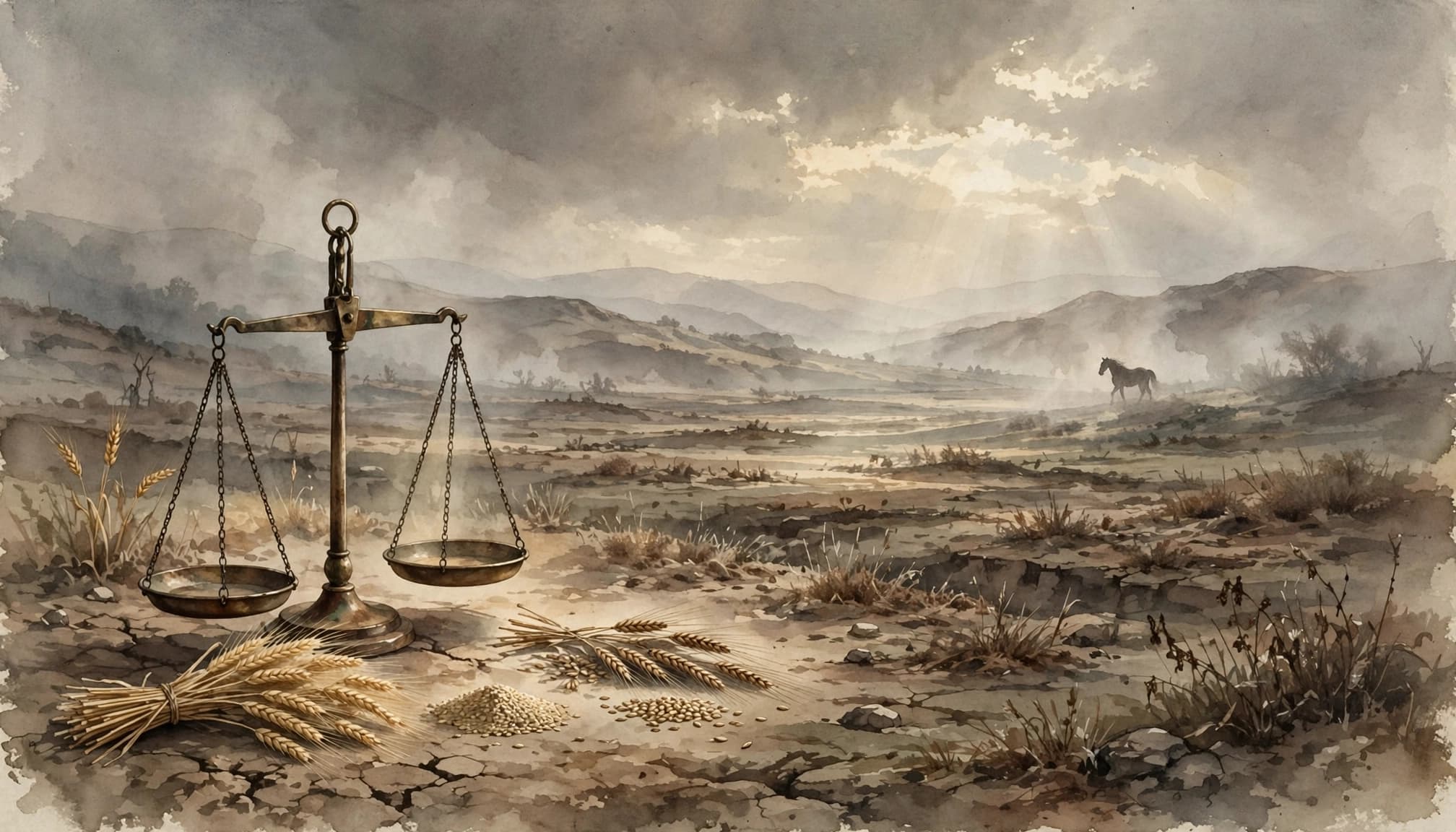
The third seal describes a black horse, scales, and costly wheat and barley (Revelation 6:5–6). The USCCB commentary on Revelation 6 describes the black horse as a symbol of famine. Yet these verses do not name Israel, the beast, or a cause for the scarcity.
How Daniel shapes Christian readings of Revelation
Revelation's beast imagery echoes Daniel 7, where beasts represent kingdoms and a little horn persecutes the holy ones. Daniel also describes a ruler, a covenant, and desolation in Daniel 9:24–27, while Daniel 11 recounts conflict, desecration, and persecution.
Christians often connect these figures with Revelation's beast and expect a future fulfillment. Other scholars read parts of Daniel in relation to ancient empires and Antiochus IV, whose persecution of the Jewish people forms a key historical setting for Daniel 7. For more on how Revelation echoes Daniel's beast imagery.
Conclusion
God's covenant promises run through Israel's history of exile and return, and the Jewish return to the land and the establishment of Israel's modern state lead many Christians to see His faithfulness at work. The land's renewed productivity brings the prophets' images of fruitful fields to mind, while leaving room to distinguish faith and interpretation from what history alone can establish.
Revelation speaks of the beast's power and economic control. We keep our faith centered on God's promises, read Scripture in its historical context, and hold our expectations with humility. For a helpful framework, see how to read prophecy in its historical context.
Fulfilled and Future Promises
Israel in Biblical Prophecy: Promises Kept, Promises Yet to Come
From the covenant with Abraham to the hope of restoration, explore what Scripture says about Israel’s place in God’s unfolding plan—and how that plan points to Jesus.
Israel’s History in God’s Prophetic Plan
The Bible presents Israel’s history as a witness to God’s faithfulness among the nations. God called Abraham and promised him descendants, a land, and a blessing that would reach beyond his family (Genesis 12:1–3). The prophets later spoke of exile after disobedience, but also of return and renewal. Israel’s survival and return from Babylonian exile show how judgment and mercy both shape its Biblical history. These events invite readers to examine prophecy in its historical setting rather than treat every modern development as a direct fulfillment.
Scripture also looks ahead. The prophets describe a restored people, a renewed covenant, and nations coming to know the Lord; Christians read these hopes in light of Jesus, the Messiah who came from Israel and through whom the blessing promised to Abraham reaches the world. Bible Prophecy Ministries explores what Scripture says has happened and what remains anticipated, with a mission to keep Jesus at the center of the conversation. As we consider Israel’s future, we do so with humility about disputed interpretations and confidence in the God who keeps His promises.
Israel in Biblical Prophecy: Promises Kept and Promises Ahead
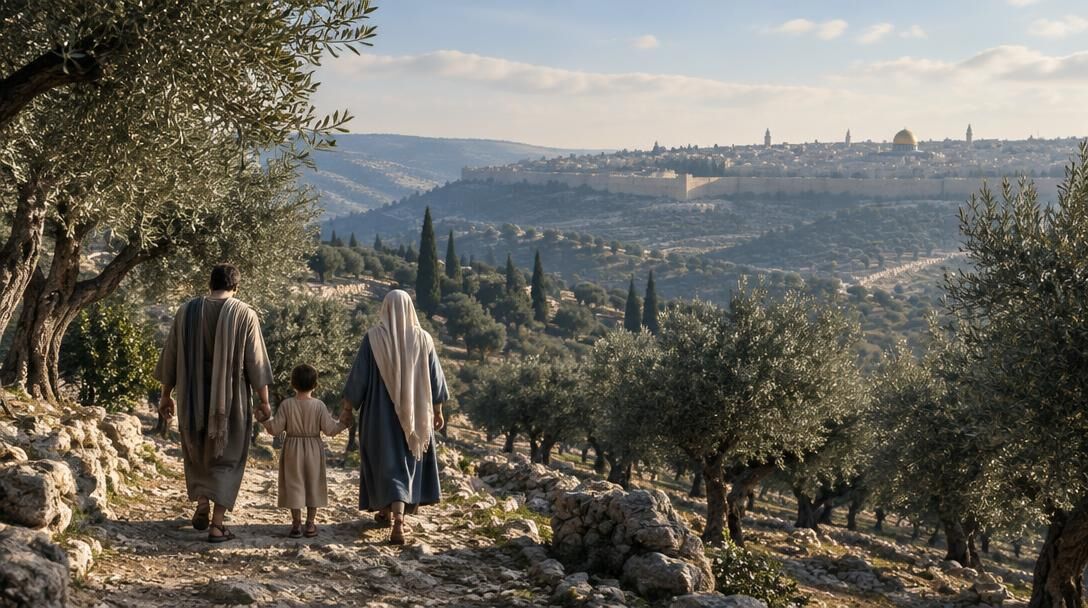
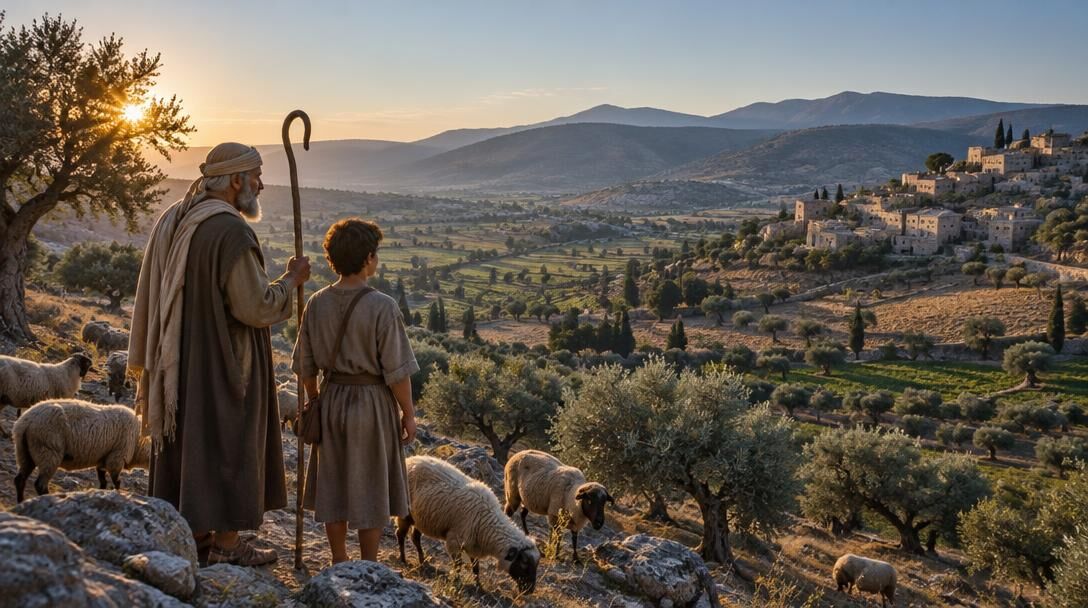
God’s promises to Israel begin with His covenant with Abraham: a people, a land, and a blessing that would reach all the families of the earth (Genesis 12:1–3; 17:7–8). Scripture then follows Abraham’s descendants through the exodus from Egypt, their settlement in the land, and the establishment of David’s royal line. Believers see these events as historical fulfillments that demonstrate God’s faithfulness, even as Israel’s later exile shows the seriousness of the covenant warnings.
The prophets also spoke of restoration after judgment. The return from Babylonian exile and the rebuilding of Jerusalem are significant examples of that promise taking shape in history. Christians understand Jesus, the son of David, as central to the promised blessing for the nations; many also look to passages such as Ezekiel 36–37 and Romans 11 when considering what God may yet do for Israel. These texts invite careful study rather than certainty about every modern event, keeping the focus on the Lord who remembers His covenant and fulfills His word.
Following Israel’s Prophetic History
From covenant beginnings to future hope, these milestones trace the promises Scripture records, the fulfillments believers recognize, and the questions that remain open.
c. 2000 BC
The Covenant With Abraham
God promises Abraham descendants, a land, and blessing for the nations, laying the foundation for Israel’s place in the Biblical history (Genesis 12:1–3; 17:7–8).
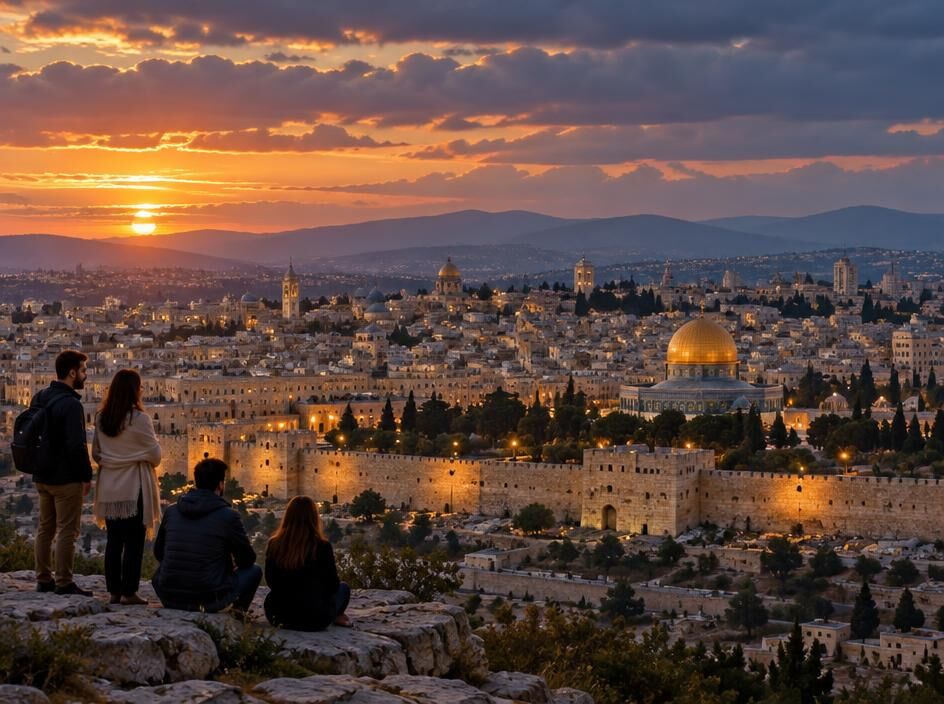
c. 1000 BC
A Kingdom and a Royal Promise
Israel’s kingship takes shape under David. God promises to establish his house, a covenant Christians understand in light of Jesus, the son of David (2 Samuel 7:12–16).
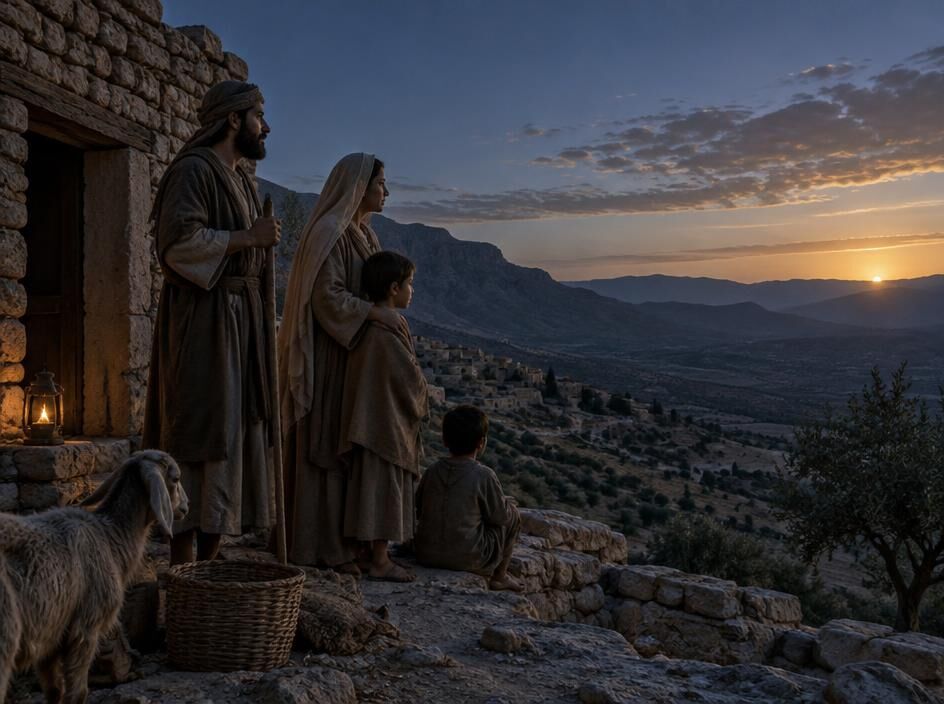
538 BC
Return From Babylonian Exile
After decades of exile, Judeans begin returning home. Their return and the rebuilding of Jerusalem echo prophetic calls to hope beyond judgment (Ezra 1:1–4; Jeremiah 29:10).
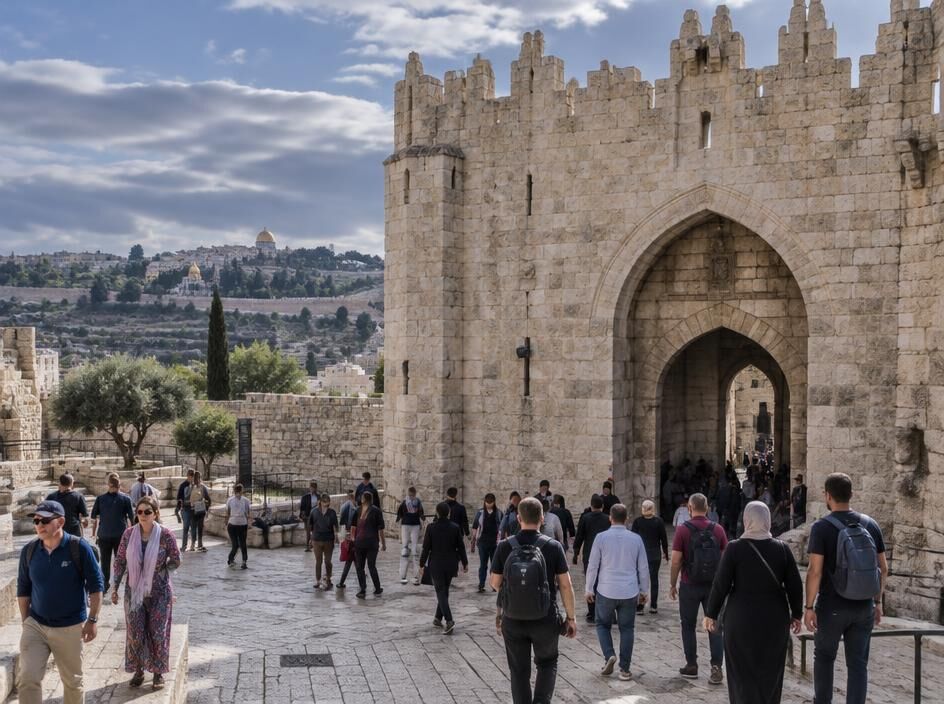
Future Hope
Restoration and Covenant Faithfulness
Prophetic passages envision renewal, and Paul writes that God has not rejected His people. Christians differ on how these promises will unfold, but look to God’s faithfulness and the work of Christ (Ezekiel 36:24–28; Romans 11:1, 25–29).
“For the gifts and the calling of God are irrevocable.” — Romans 11:29 (ESV)
The Apostle Paul
Paul’s words frame the article’s central question: how God’s enduring promises to Israel fit within His saving purpose in Christ.
Israel in Biblical Prophecy: Common Questions
What promises did God make to Abraham and his descendants?
God promised Abraham descendants, a land, and blessing for all nations through him (Genesis 12:1–3; 15:18–21). These promises frame much of the Bible’s account of Israel and point ultimately to blessing through Jesus.
Which promises to Israel have already been fulfilled?
God formed Abraham’s descendants into a nation, brought them out of Egypt, and established them in the land (Joshua 21:43–45). The promised Messiah, Jesus, also came from Israel’s lineage (Romans 1:3–4).
Did Israel’s exile mean God had abandoned his promises?
No. The prophets connected exile to Israel’s unfaithfulness, but they also spoke of God’s mercy and restoration (Jeremiah 29:10–14). Israel’s return from Babylon showed that judgment was not the end of the story.
What did the prophets say about Israel’s restoration?
Prophets such as Jeremiah and Ezekiel described return, renewed hearts, and a restored relationship with God (Jeremiah 31:31–34; Ezekiel 36:24–27). Christians differ on how every detail will unfold, but these passages anchor the hope of restoration.
How does Jesus relate to God’s promises to Israel?
Jesus is Israel’s promised Messiah and the descendant of Abraham through whom blessing reaches the nations (Matthew 1:1; Galatians 3:16). His life, death, and resurrection are central to understanding both fulfilled prophecy and future hope.
Is the new covenant already fulfilled or still future?
Jesus inaugurated the new covenant through His Blood (Luke 22:20), and believers now receive its blessings through Him. Some Christians also expect a future, fuller realization of Jeremiah’s promises concerning Israel (Jeremiah 31:31–34).
Does the church replace Israel in Biblical prophecy?
Christians interpret Israel’s relationship to the church in different ways. Romans 11 calls Gentile believers to humility and insists that God has not rejected His people, making careful reading more important than simple slogans.
Does the modern State of Israel fulfill Biblical prophecy?
Some Christians view the modern state as significant to prophetic expectations; others distinguish contemporary political events from the restoration described by the prophets. Scripture should guide the discussion without treating every headline as a definitive fulfillment.
What future hope does Scripture describe for Israel?
Romans 11:25–29 points to God’s continuing purposes for Israel and a future work of mercy. While Christians disagree about the timing and details, the passage grounds hope in God’s faithfulness rather than human speculation.
Follow the Promises to Jesus
Keep exploring how God’s promises to Israel unfold across Scripture—and how fulfilled prophecy and future hope find their center in Jesus.