
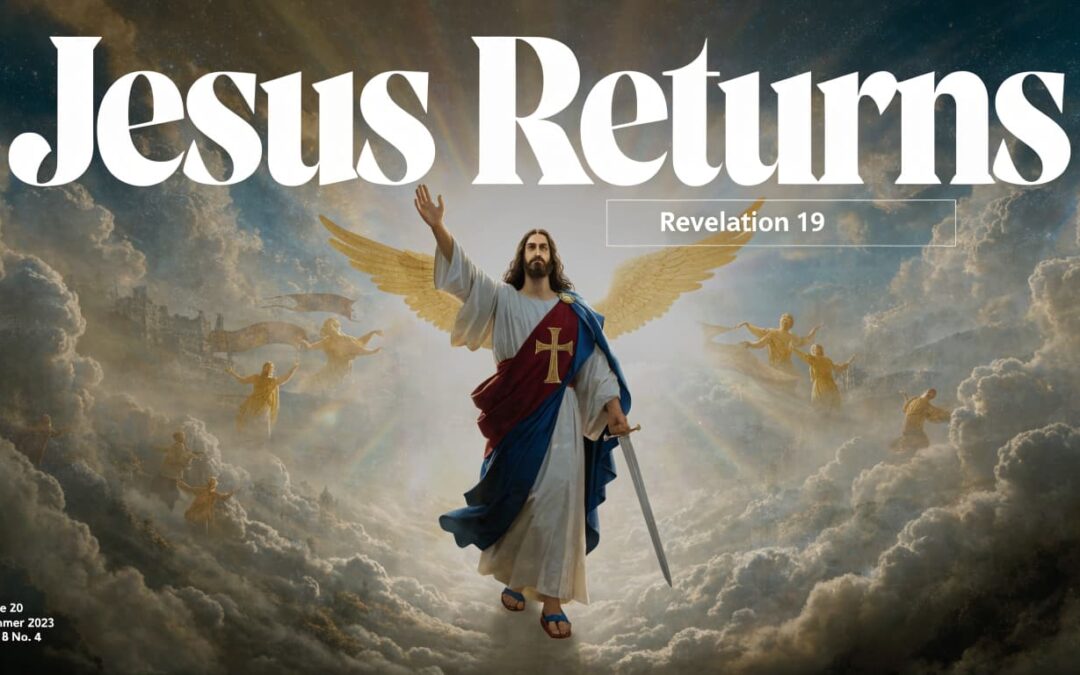
When Heaven Opens: The Rider Who Fulfills God’s Promises
Heaven opens, and John sees Jesus riding a white horse as the victorious King. Revelation 19:11–16 doesn't reveal a different Jesus from the Savior we meet in the Gospels. It shows the same faithful Messiah in the fullness of His authority.
He is called "Faithful and True" and "The Word of God," and His title, "King of Kings and Lord of Lords," declares His reign. We see the promised Savior bring righteous judgment and fulfill God's word. Let's look at why this vision matters and how it fits the Bible's prophetic witness to Jesus.
When Heaven Opens: The Rider Who Fulfills God’s Promises
Revelation 19 moves with purpose. Heaven first responds to God's judgment with praise, then John sees Christ revealed as the victorious King. The shift matters: the scene begins with worship and ends with every eye directed toward the One who fulfills God's promises.
What happens before the rider appears?
In Revelation 19:1-10, John hears a great multitude in heaven praising God. Their worship celebrates His salvation, glory, and righteous judgment. The passage also turns our attention to the marriage supper of the Lamb, a joyful image of Christ united with His people. Heaven's praise is not background noise. It tells us who deserves honor before the King appears.
John is then told to write that those invited to the marriage supper are blessed. The vision moves from judgment to celebration, and from celebration toward the public unveiling of Jesus. We can read Revelation 19 as one chapter, keeping this movement in view. The Lamb who is praised is also the King who comes in victory.
Why the open heaven signals a decisive moment
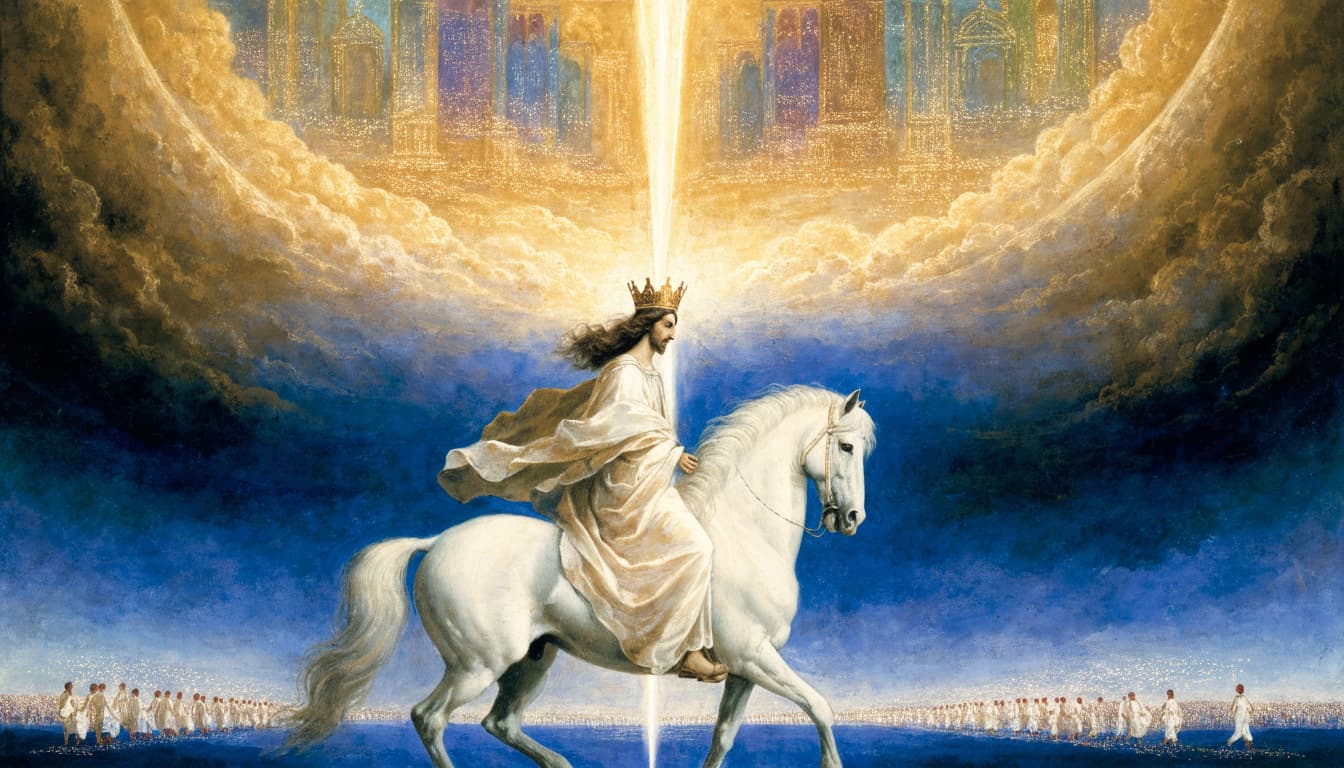
When John sees heaven opened in Revelation 19:11-16, he is seeing a prophetic vision, not receiving a detailed military itinerary. The white horse, the heavenly armies, and the rider's titles declare Christ's authority and victory. John has already shown us the Lamb praised in heaven; now he shows us the King appearing in power.
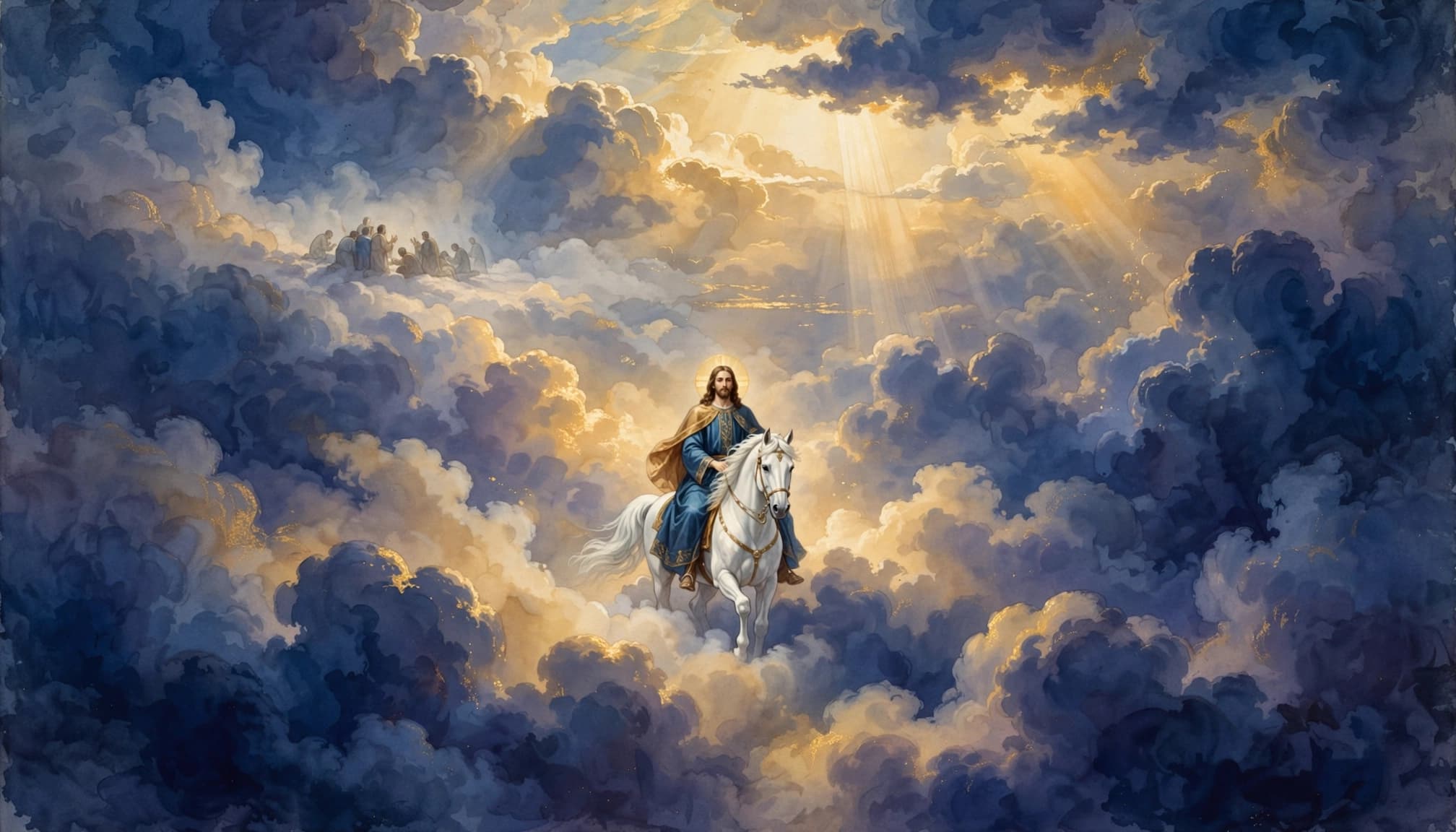
The rider is called "Faithful and True," and He judges and makes war in righteousness. Those words help us read the imagery clearly. His authority is not driven by human ambition or cruelty. He comes as the righteous Christ, whose judgment is true. We see why John names Him Jesus, the Faithful and True King.
His title, "The Word of God," also points us to the Jesus revealed throughout Scripture. The sword that comes from His mouth portrays the force of His word and judgment, while "King of Kings and Lord of Lords" declares His rule over every earthly power. The images are vivid, but their central message is plain: Christ's victory is decisive, and no ruler can rival His authority. The open heaven reveals the One heaven has praised, and the One whose promises God will fulfill.
How Revelation 19:11-16 Identifies Jesus as Faithful and True
John gives us several names and images for the rider, and each one adds a clue to His identity. One name is beyond human knowledge, but the titles John does reveal point us to Jesus: the divine Word, the righteous Judge, and the King above every ruler.
The Word of God is the promised Messiah
Revelation 19:13 calls the rider "The Word of God." That title is more than a striking name. It connects John's vision to the opening of his Gospel, where the Word is with God, is God, and becomes flesh. We can read John 1:1, 14 alongside Revelation and see why Christians identify the rider as Jesus. The One who appears in victory is the same divine Son who came among us in human flesh.
John also says the rider has a name that no one knows. We should let that detail remain what the passage says: an unknown name. It is distinct from "The Word of God" in verse 13 and from the royal title written on His robe and thigh in verse 16. These names and images work together, but John doesn't say they are all the same title.
The wider passage reinforces the identification. The rider judges and makes war in righteousness, and a sharp sword comes from His mouth. The imagery presents authority exercised through His word and judgment, not human force. Read Revelation 19:11-16 with John's Gospel in view, and the title "The Word of God" becomes a clear connection to Jesus.
Faithful and True describes His character
Before John names the Word of God, he calls the rider "Faithful and True." Those words tell us what His rule is like. He keeps God's promises, speaks truth, and judges without corruption. His judgment is not a sudden departure from His character. It is part of His righteous rule.
Revelation 17:14 gives us a related royal description. There, the Lamb is called "Lord of lords and King of kings," and His companions are called, chosen, and faithful. Revelation 19:16 gives the rider the title "King of kings and Lord of lords." The wording differs in order, and the scenes use their titles in their own contexts. Still, the shared royal language connects the Lamb's victory with the rider's supreme authority.
We can hold that connection without flattening every title into one interchangeable label. The Lamb and the rider are presented through distinct images, yet both passages point to Christ's victory over the powers that oppose God. For another look at this royal hope, see Jesus as the promised King from David's line.
So when John calls Jesus "Faithful and True," he gives us more than a description of His temperament. We see the One who fulfills God's word and judges rightly. His names reveal who He is, and His actions show that His promises can be trusted.
What the Rider’s Fiery Eyes, Many Crowns, and Bloodied Robe Mean
John's description of the rider gives us more than a dramatic entrance. His eyes, crowns, and robe each add something to the vision of Christ's judgment and victory. We should read these images carefully, keeping what the passage says distinct from what Christians may infer.
Eyes like fire reveal the King who sees clearly
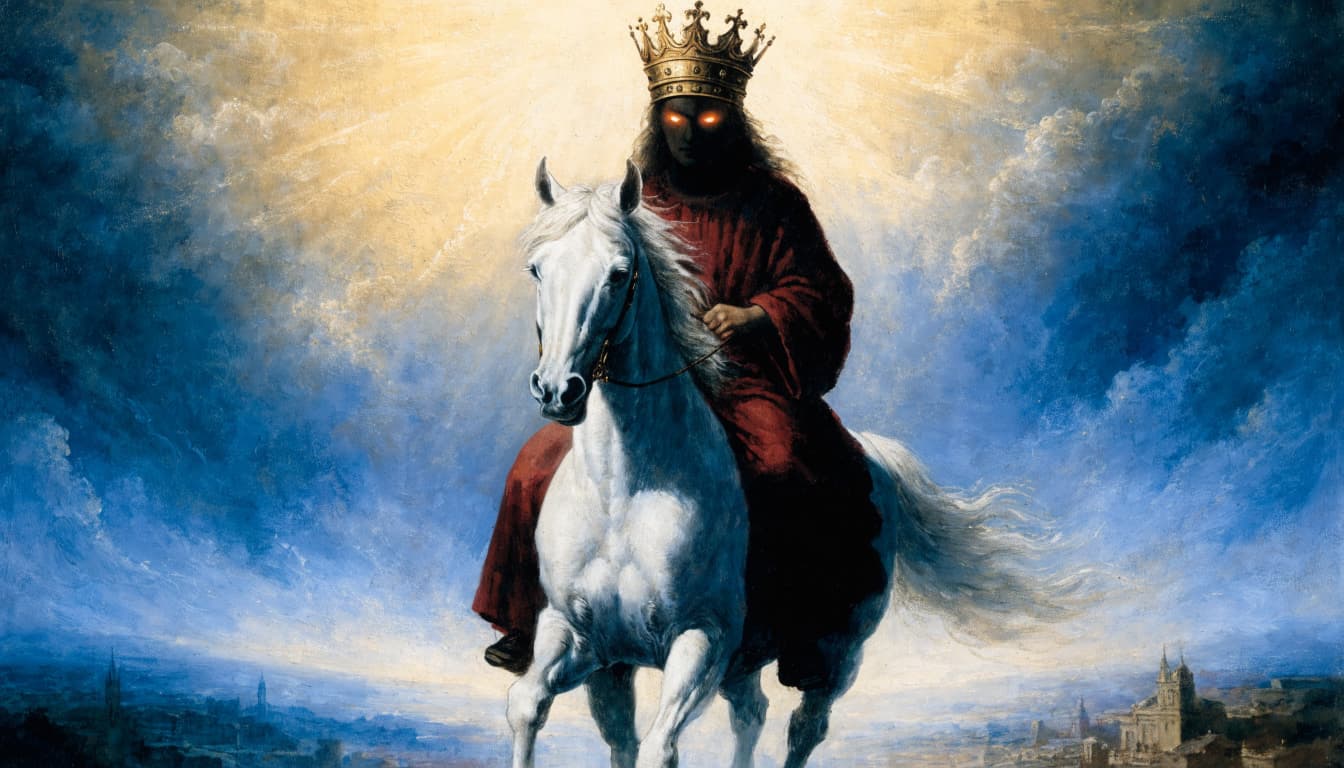
John says the rider's eyes are "like a flame of fire" (Revelation 19:12). This image connects with Revelation 1:14, where the Son of Man's eyes are also described as a flame of fire. The repeated picture points to Christ's penetrating sight. He sees what lies beneath appearances, including the motives and actions hidden from human judgment.
That matters because the rider judges and makes war in righteousness. His judgment isn't based on rumor, influence, or a polished public image. We see a King who knows the truth and judges accordingly. The fiery eyes are a warning to those who oppose God, but they also reassure us that evil cannot hide from Him.
Many crowns declare authority over every ruler
The rider has many crowns on His head, and John places that image beside the title "King of kings and Lord of lords." Together, they declare Christ's supreme royal authority. No earthly ruler can claim a higher throne or lasting power over Him.
Revelation 13:1 also describes a beast with crowns. That comparison helps us see two opposing claims to power: the beast's authority is set against God, while the rider's rule is righteous and supreme. Still, John doesn't give a number for the rider's crowns or explain a separate meaning for each one. We shouldn't add details the vision leaves unstated.
The title makes the central point plain. Christ's authority surpasses every rival, and His victory is certain. We see this royal hope throughout Revelation's vision of Jesus as the victorious rider.
The robe’s blood remains an image to handle with care
Translations describe the rider's robe with slightly different wording, including "dipped" or "dabbled" in blood. The verse gives us the image, but it doesn't clearly identify whose blood appears on the robe. We shouldn't state as fact that it is Jesus' own blood or the blood of His enemies.
Isaiah 63:1-6 offers a relevant prophetic parallel. Isaiah pictures a figure returning from judgment with garments stained red, and the passage connects that imagery with God's judgment against His enemies. Some Christians read Revelation's bloodied robe in a similar way, as a sign of victory over evil. Others connect it with Christ's sacrifice. Both are interpretations, not an explanation John explicitly provides in Revelation 19:13.
So we can say what the passage shows: the rider comes in victory, with a robe marked by blood. The image fits the judgment and triumph surrounding Him, while the precise identity of the blood remains unstated.
How Revelation 19 Fulfills the Bible’s Promises About the Messiah
John's vision doesn't stand alone. The rider's righteous judgment, authority, and victory draw together hopes voiced across the Hebrew Scriptures. As we read these passages side by side, we see Jesus revealed as the promised King who defeats evil and reigns under God's authority.
Isaiah’s righteous ruler judges with His word
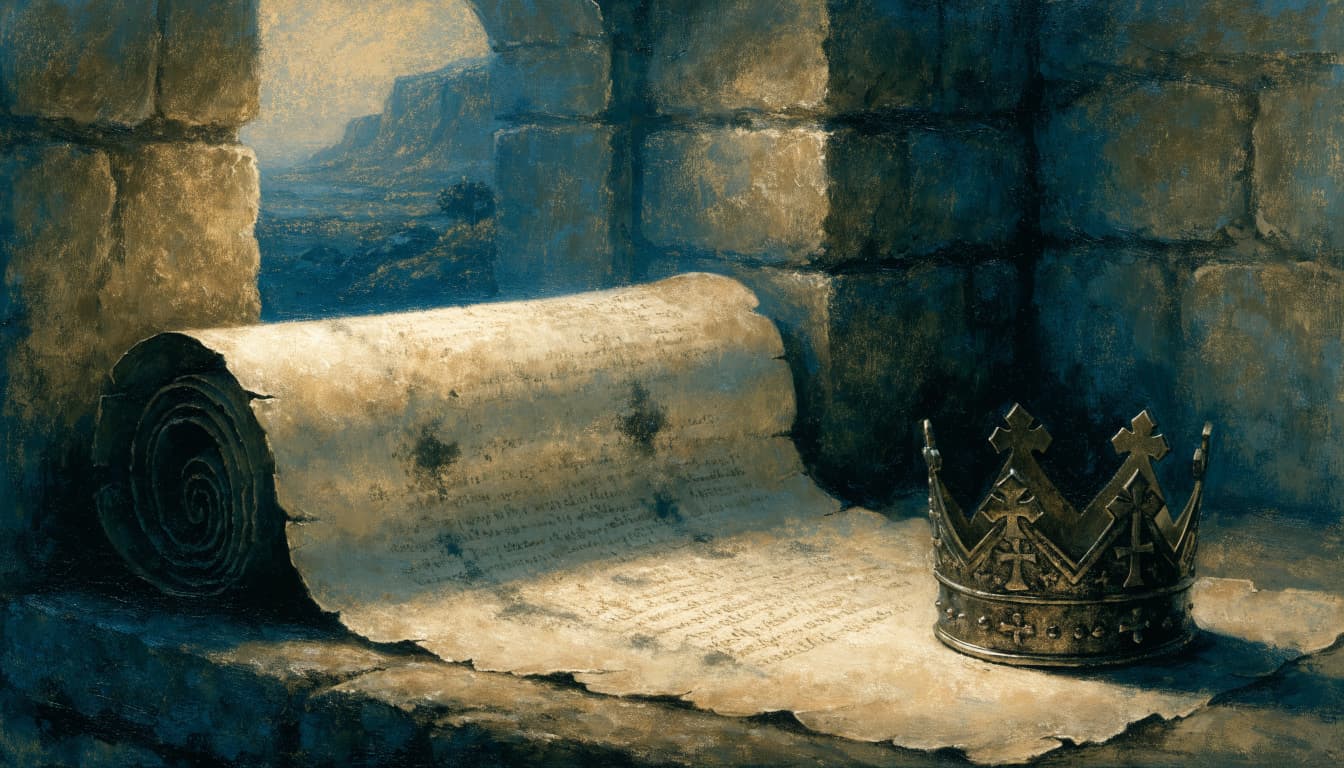
Isaiah describes a ruler from Jesse's line who judges the poor with righteousness and strikes the earth with the rod of His mouth. Righteousness and faithfulness mark His character. We hear those same themes in Revelation, where the rider is called "Faithful and True" and judges in righteousness. Compare Isaiah 11:4–5 with Revelation 19:11, 15.
The images also meet in the ruler's word. Isaiah pictures the wicked struck by the breath of the Messiah's lips; John sees a sharp sword coming from the rider's mouth. These are prophetic images of judgment, not a description of an ordinary weapon. The Messiah's word exposes evil and brings God's just verdict against it. Jesus fulfills Isaiah's hope as the faithful ruler whose judgment is right.
Psalm 2 points to the King who rules the nations
Psalm 2 portrays God's anointed King receiving the nations and ruling them with an iron rod. Revelation 19:15 uses that same image as the rider comes to strike the nations. Read Psalm 2:7–9 alongside John's vision, and the royal connection is clear: the rider is the Messiah who brings opposition under God's authority.
This rule is not a claim that human power or violence becomes holy. The passage presents Jesus as the appointed King, judging evil with righteousness. Nations may resist God, but their opposition does not overturn His purpose. We can also trace the Bible's wider promise of an enduring royal line in God's promise to David and its fulfillment in Jesus.
Daniel’s vision widens the hope of an everlasting Kingdom
Daniel sees "One like the Son of Man" receive dominion, glory, and a Kingdom that will not pass away. That vision gives us a broad thematic parallel with Revelation 19:11–16: both present a heavenly ruler whose authority surpasses earthly kingdoms and endures. Read Daniel 7:13–14 with Revelation's victorious rider in view.
We should keep the connection precise. Revelation 19:11–16 does not directly quote Daniel 7:13–14, but Daniel's vision expands the prophetic hope surrounding the Messiah. The rider's victory is part of God's lasting Kingdom, not a temporary triumph over one opponent. For us, that means Jesus' authority is not threatened by the powers that resist Him. His reign endures.
Why Jesus Judges and Makes War in Righteousness
The language of judgment and war can trouble us, especially when human violence so often grows from injustice, pride, or revenge. But Revelation does not present Jesus as another ruler pursuing power. He comes as the righteous King, opposing evil and fulfilling God's promise to set things right.
The sword from His mouth pictures the power of His word
John sees a sharp sword coming from the rider's mouth (Revelation 19:15). That image points to Christ's word of judgment, not a literal battle plan. His authority is expressed through the truth He speaks and the verdict He brings.
Isaiah gives us a close prophetic parallel. The ruler from Jesse's line judges with righteousness and strikes the earth with the rod of His mouth (Isaiah 11:4). The picture is direct: the Messiah's word exposes evil and brings the wicked under God's judgment. In Revelation, the sword makes that authority vivid. We see the King speak, and His judgment stands.
Psalm 2 uses another royal image, saying God's anointed King will rule the nations with an iron rod (Psalm 2:9). Revelation draws on that language to show the Messiah's authority over powers that oppose God (Revelation 19:15). The iron rod is not permission for human rulers to harm others in God's name. It pictures the King's unchallenged rule and the certainty that evil will not have the final word.
So why does Jesus judge? Because God is against what destroys His creation and harms people. His judgment is not a burst of anger or personal payback. It is the righteous response of the King who sees the truth and promises justice.
The heavenly army follows the victorious King
John says the armies of heaven follow Jesus on white horses, clothed in fine linen (Revelation 19:14). The verse doesn't settle who all these followers are. Interpreters have understood them as believers, martyrs, angels, or a heavenly host. We should leave room for those readings rather than claim more certainty than John gives us.
What the scene does make clear is who leads. The army follows the rider; Christ's victory remains the center of the vision. The passage doesn't describe a human campaign or offer a model for religious violence. It reveals Jesus as the King whose judgment is righteous and whose authority no enemy can overturn.
That distinction matters. Human violence often protects self-interest or answers injury with revenge. Jesus judges with perfect knowledge and justice. He confronts evil without becoming evil Himself, and His victory means God's promise to make things right will stand.
What the Victorious King Means for Faith and Hope Today
Revelation 19 gives us more than a picture of Christ's future victory. It gives us reason to trust Him now, even when evil persists, prayers seem unanswered, or the road ahead feels uncertain. Jesus is "Faithful and True." His promised return assures us that injustice and suffering will not have the final word, though Scripture does not tell us when He will return or promise that every hardship will end quickly.
His victory gives hope without denying present suffering
Hope in Christ doesn't require you to pretend that grief, illness, injustice, or fear aren't real. The King John sees is faithful, and His righteous judgment means evil won't escape God's notice forever. But that promise is not a date on a calendar, and it doesn't guarantee a quick resolution to what you're facing today.
Peter writes to believers who know hardship, pointing them toward God's care and the hope of restoration. His words don't dismiss suffering or tell us to expect an immediate escape. They help us hold on to God while we wait (Peter's counsel to believers facing suffering). We can grieve honestly, ask for help, pray for justice, and still trust that Jesus will fulfill His promises.
That is why the testimony of Jesus and the hope of His return matters in ordinary life. Christ's victory gives us a future to trust, not a reason to ignore present pain. When the answer hasn't come yet, we can keep bringing our needs to God and keep standing with those who suffer.
His authority calls believers to faithful living
If Jesus is King of kings, His authority reaches into the choices we make today. We trust Him, resist evil, and pursue holiness because He is Lord, not to earn salvation. Our obedience is a response to His grace and rule.
What does that look like when pressure rises? We refuse to answer cruelty with cruelty. We speak truth when a lie would be easier, act justly when injustice benefits us, and keep serving God when faithfulness costs us something. The Spirit empowers believers to live this way, not through self-reliance but through dependence on God.
John's vision also challenges us to examine what we call strength. Jesus judges in righteousness; He doesn't exploit the weak or excuse wrongdoing. So we can't claim His authority to justify our own anger, domination, or revenge. We follow the King by standing against evil while treating others with truth, courage, and mercy.
The promised return of Jesus calls you to stay faithful without trying to predict its timing. Keep praying, keep doing what is right, and keep your hope fixed on the King who is faithful and true.
Conclusion
The rider John sees in Revelation 19 is Jesus, the same Savior who came to save and now appears as the victorious King. "Faithful and True," "The Word of God," and "King of kings and Lord of lords" reveal His righteous rule and the certainty of His Kingdom. His victory carries forward God's promises to His people and the prophetic hope of Christ's victorious return in Revelation 19.
So when we see evil and injustice persist, we can still trust the King who judges in righteousness. Jesus is faithful, and God's promises are secure in Him.
Revelation 19:11–16
When Heaven Opens: The Rider Who Fulfills God’s Promises
John sees heaven open and Jesus Christ ride forth as Faithful and True. Discover how this prophetic vision reveals the King who judges justly, defeats evil, and brings God’s promises to fulfillment.

When Heaven Opens: The Rider Who Fulfills God’s Promises
King of Kings: Jesus’ Authority in Revelation 19: Powerful
Revelation 19: Jesus, King of Kings and Righteous Judge John sees heaven open and a rider on a white horse, with the title "KING OF KINGS AND LORD OF LORDS" written on His robe and thigh. Who is this Rider, and what does His title mean? Revelation names Him as Jesus,...
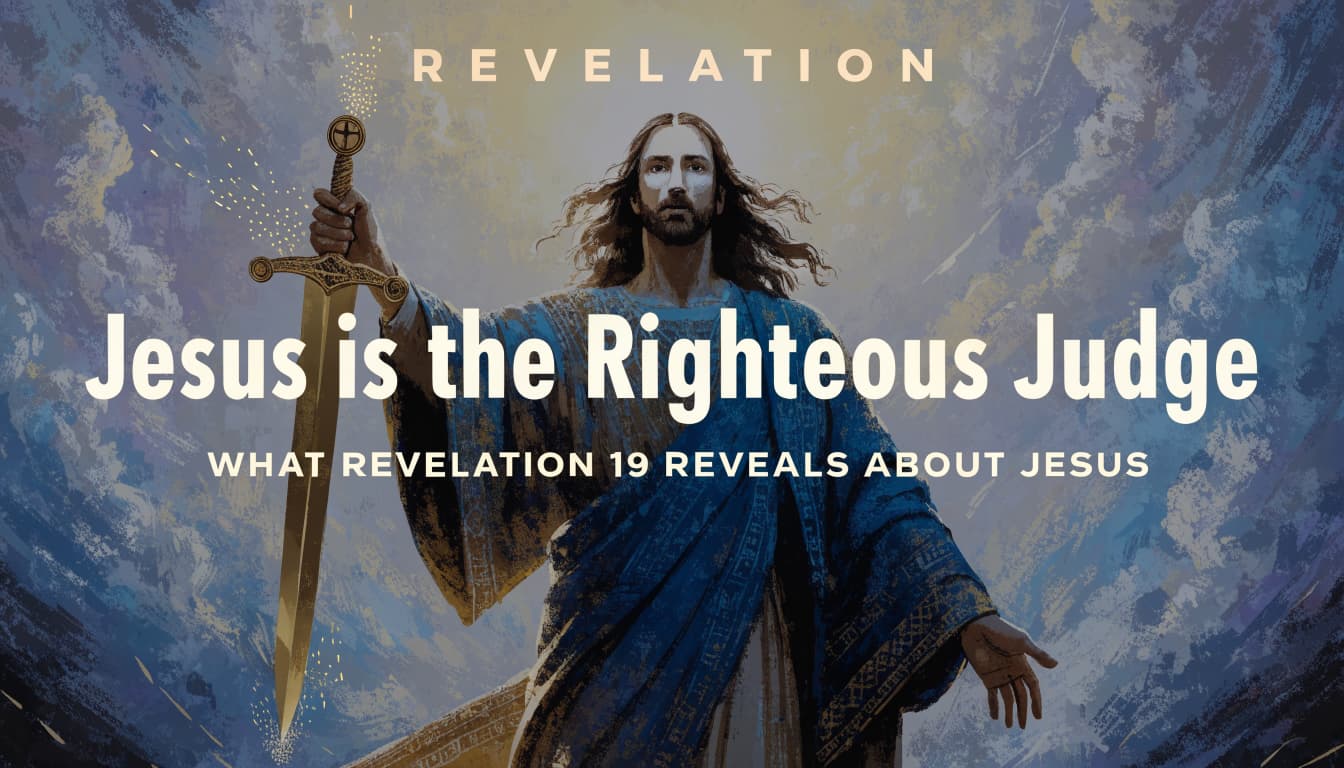
Righteous Judge: What Revelation 19 Reveals About Jesus
Revelation 19: Jesus, the Righteous Judge Who Keeps God's Promises Human judgments can be clouded by anger, bias, or incomplete knowledge. In Revelation 19, John sees Jesus, the faithful King whose judgment is perfectly just and who confronts evil without acting...
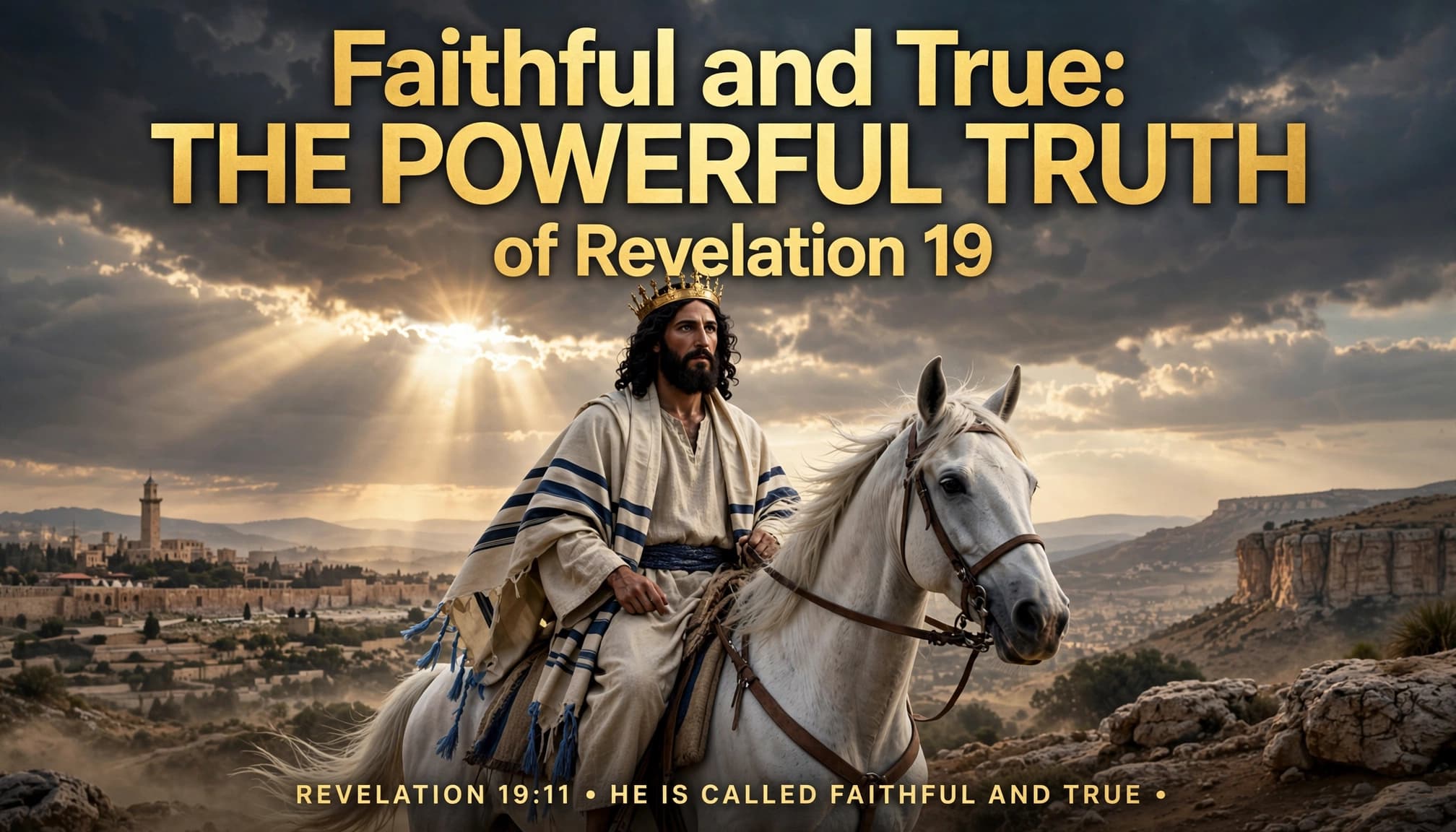
Faithful and True: The Powerful Truth of Revelation 19
Revelation 19: Jesus, Faithful and True in Judgment Heaven opens in Revelation 19, and a rider appears to judge with justice. John calls Him "Faithful and True," giving you reason to trust both His promises and His judgment. The vision's striking symbols point to...
Follow the History of Biblical Prophecy
“Then I saw heaven opened, and behold, a white horse! The one sitting on it is called Faithful and True, and in righteousness he judges and makes war.” — Revelation 19:11 (ESV)
John’s vision reveals Jesus as the faithful King who will bring God’s promises of righteous judgment and victory to completion.
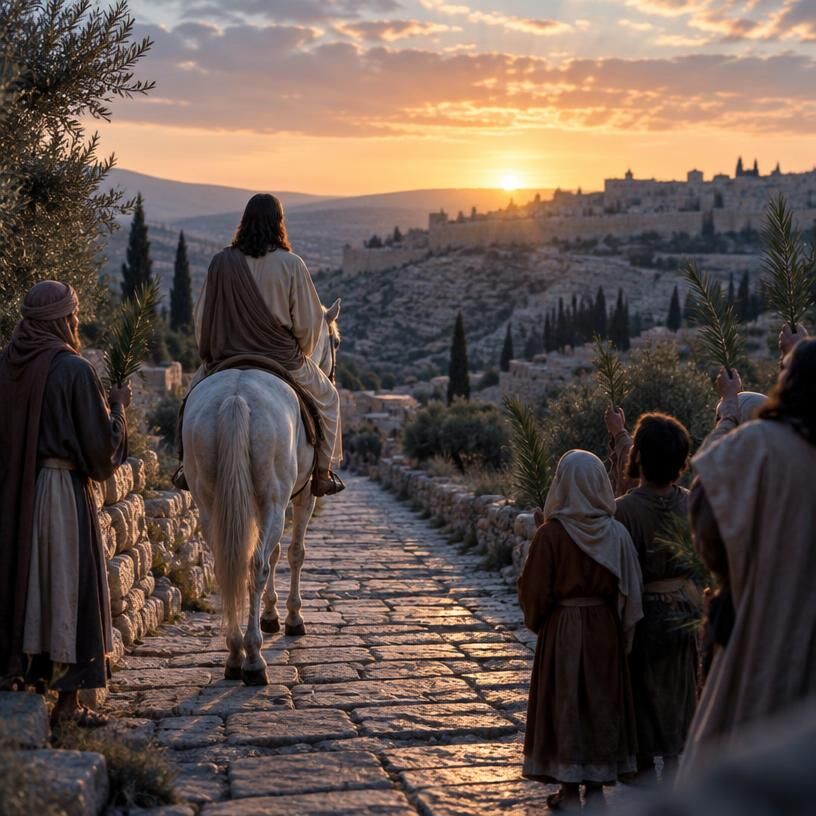
The Rider Who Brings God’s Promises to Completion
From God’s promise of a ruler from David’s line to the prophets’ vision of a kingdom marked by justice, Scripture points toward a Messiah who will reign in righteousness. Jesus came first in humility, fulfilling the promises of a suffering Savior. When John sees heaven opened in Revelation 19, he sees that same Jesus revealed as Faithful and True.
The rider on the white horse does not begin a new story; he brings the history of God’s covenant faithfulness to its promised conclusion. Read these passages together to see how Biblical prophecy centers on Christ—His first coming, His victory over evil, and the hope of His return.
Understanding the Rider and the Opened Heaven
Who is the rider on the white horse in Revelation 19?
Revelation 19:11–16 identifies the rider as Faithful and True and calls him the Word of God and King of kings. These titles point to Jesus Christ, whose return is portrayed as the triumph of his righteous rule.
What does it mean that heaven opens?
In Revelation 19:11, the opened heaven introduces a vision of Christ revealed in glory. It signals that the rider’s arrival is God’s action, bringing divine justice into view.
How does this vision connect to Old Testament promises?
The prophets anticipated a descendant of David who would establish justice and a lasting kingdom. Revelation’s rider brings those hopes into focus by showing Jesus as the promised King who defeats evil and reigns in righteousness.
Is the rider in Revelation 19 the same as the rider in Revelation 6?
The two passages feature white horses, but their descriptions differ. Revelation 19 explicitly identifies its rider with titles belonging to Christ, while the identity of the first rider in Revelation 6 is debated. Reading each vision in its own context helps avoid assuming they portray the same figure.
How can I study this prophecy without losing sight of Jesus?
Begin with Revelation 19:11–16, then compare its language with passages about the Messiah’s reign, such as Isaiah 11 and Psalm 2. Notice what each text says, distinguish clear statements from interpretations, and keep Jesus’ faithfulness and righteousness at the center.
See How Every Promise Points to Jesus
From the prophets’ visions to the Rider who comes in faithfulness, Scripture reveals God’s promises fulfilled in Jesus. Keep exploring Bible prophecy and discover the hope woven through every page.